
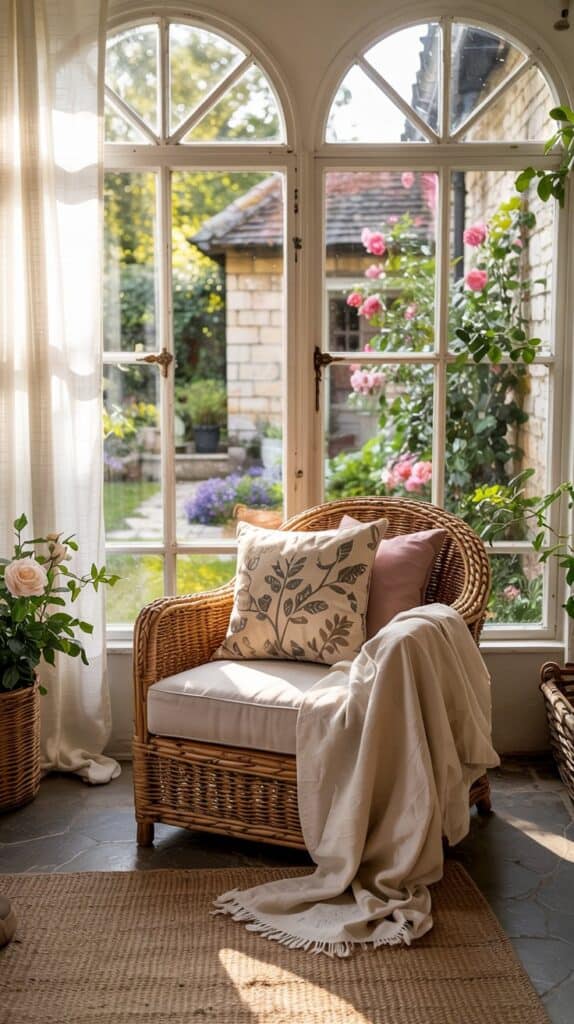
Discover the best sunroom furniture ideas to enhance comfort, style, and functionality with wicker seating, hammocks, and elegant tables.
A sunroom is a versatile space that can be transformed into a relaxing retreat, a cozy reading nook, or an entertainment hub. Choosing the right sunroom furniture is essential for creating a space that is comfortable, stylish, and durable, while complementing the natural light and ambiance of the room.
From wicker seating to glass-top tables, these sunroom furniture ideas will help you design a space that is both functional and visually appealing.
Key takeaways:
- Choose lightweight and breathable materials like wicker, rattan, and wood for a relaxed feel.
- Incorporate versatile furniture such as built-in benches and swing daybeds for maximum comfort.
- Use a mix of textures and materials like cushions, glass surfaces, and natural fiber rugs to enhance coziness.
- Maximize space with compact and multi-functional furniture pieces.
Space-Savvy Sunroom Furniture Solutions
Wicker or Rattan Seating
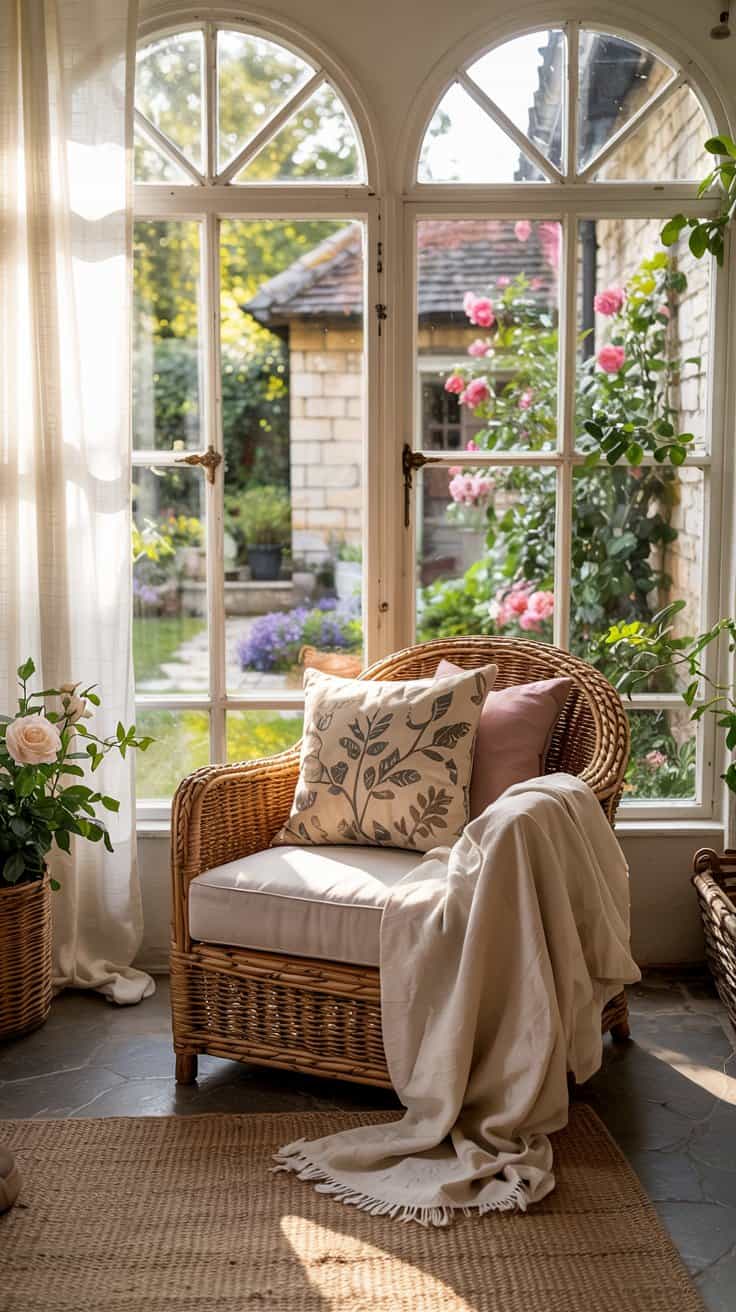
Wicker and rattan seating are classic go-tos for sunrooms because they marry durability with an airy aesthetic that naturally complements sunlight-filled spaces. These materials are lightweight yet sturdy, which makes rearranging furniture for different activities—morning coffee, a late-afternoon craft session, or an impromptu game night—both easy and practical. Wicker and rattan also age gracefully; when well cared for they develop a warm patina that only adds character to the room.
Beyond looks, these fibers perform well in rooms that experience fluctuating temperatures and humidity. Many modern wicker and rattan pieces are treated or paired with synthetic weaves that resist moisture, mildew, and UV damage, extending their lifespan compared with untreated natural weaves. When choosing cushions for these pieces, opt for fabrics labeled UV- and fade-resistant, and pick cushion inserts that are quick-drying or contain antimicrobial treatments if your sunroom sees a lot of direct sun or occasional dampness.
Styling-wise, wicker and rattan are incredibly versatile. A full matching sofa set gives a curated, cohesive look; mixing a rattan armchair with a slim wooden side table creates a layered, collected vibe. Use plush cushions in neutral linens for a tranquil, resort-like atmosphere, or pick bold, patterned throws and pillows to make the seating pop. Don’t forget to include a textured rug—jute or sisal work beautifully—to anchor the arrangement and create a defined seating zone. Finally, choose removable cushion covers to simplify laundering, and consider a protective finish or occasional oiling for natural pieces to keep them in top shape year after year.
Hanging Egg Chair
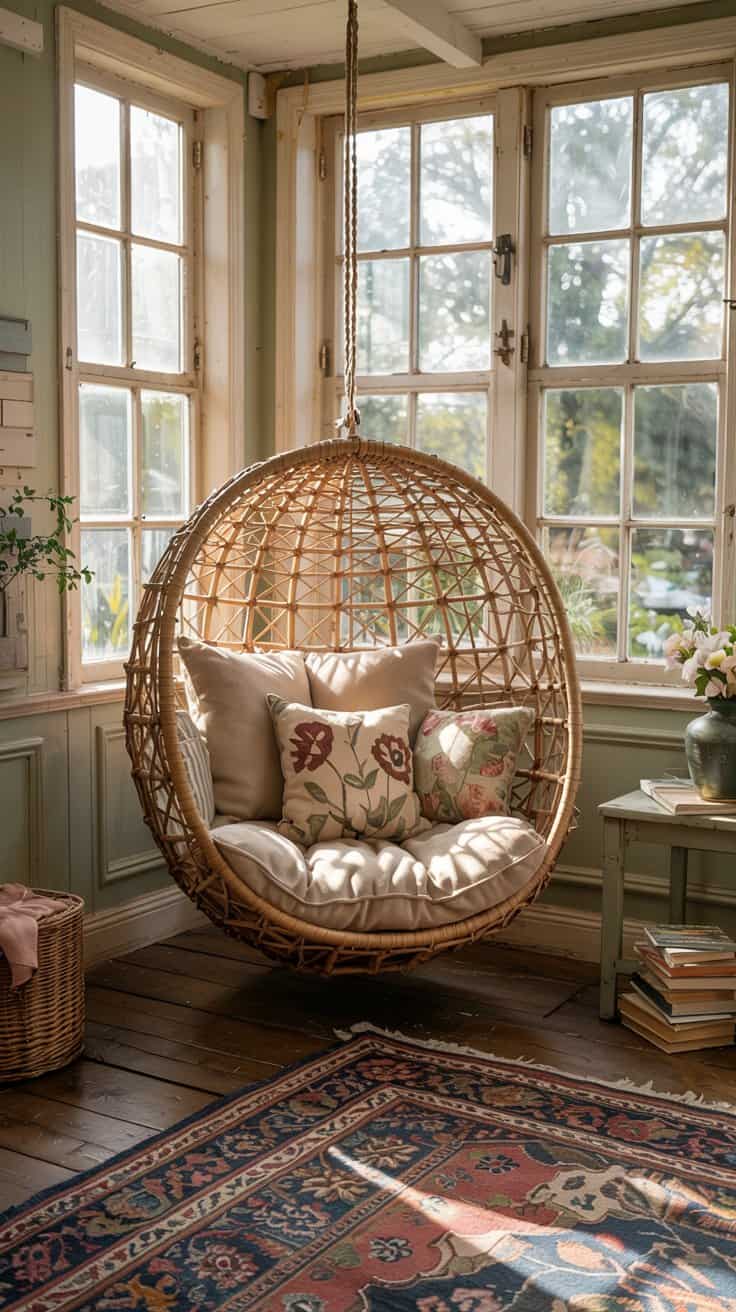
A hanging egg chair brings instant personality to a sunroom while offering a private, enveloping place to relax. Its sculptural silhouette functions as decor and seat in one: visually interesting from across the room and irresistibly cozy up close. Because it swings slightly, the egg chair introduces movement and a playful, hammock-adjacent comfort that makes reading, scrolling, or dozing feel more like a mini-retreat than ordinary sitting.
Installation is straightforward with the right hardware and a solid anchor point. If ceiling mounts aren’t feasible, you can use a floor stand designed for hanging chairs—these come in sleek metal finishes or natural wood tones to match your sunroom’s style. For the coziest setup, choose a model with a thick, removable cushion and layer with a textured throw or lumbar pillow. Materials matter: natural rattan or handwoven rope gives a boho-coastal vibe, while lacquered metal or wicker painted in a crisp white or black reads more modern and sculptural.
Position the egg chair where it can catch the best light without overheating—near a shaded window or in a corner that receives indirect sun. Surround it with small, accessible surfaces: a slim side table for a cup of tea, a floor plant for softness, and a low lamp for evening reading. Because the chair is a focal point, limit competing statement pieces nearby to keep the visual balance calm and intentional. Finally, treat the cushion covers as practical design choices: pick fabrics that are easy to clean and resistant to fading, so your hanging nest stays as inviting months from now as the day you bring it home.
Low Coffee Table
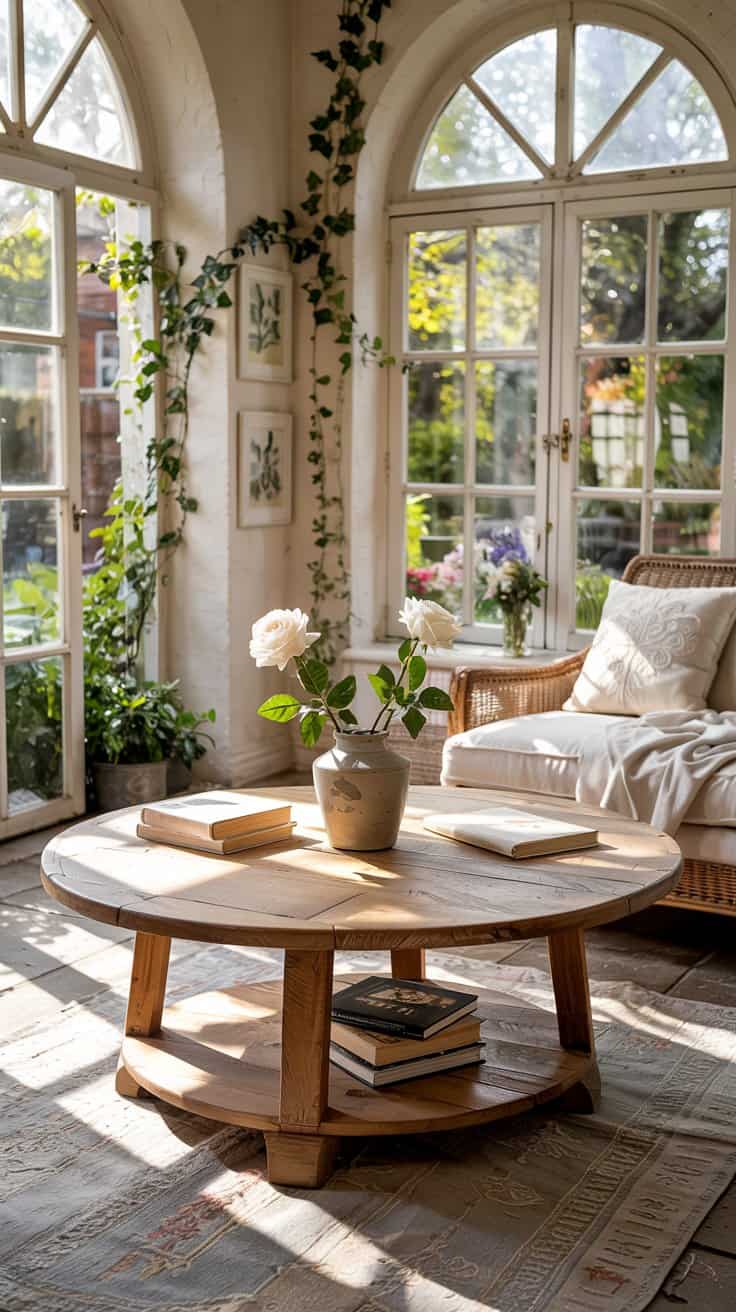
A low coffee table provides more than a place to set down a drink; it anchors seating arrangements and becomes the stage for styling—stacked books, a ceramic tray, sculptural candles, and a small planter can instantly translate a seating cluster into a lived-in vignette. Low-profile tables are especially well-suited to sunrooms because they maintain sightlines across the room, preserving that open, breezy feeling while still delivering function.
Materials and scale matter. A reclaimed wood low table adds warmth and rustic texture, making the room feel like a cozy conservatory. Glass-top or acrylic tables preserve visual openness and bounce light, making smaller sunrooms feel larger. Metal frames with slim profiles bring a contemporary edge and pair well with woven or wood seating. Think about proportion: the table should sit roughly level with the seat cushions and be within easy reach from the sofa or armchairs to be genuinely useful.
Styling tip: use a decorative tray to corral items—this keeps the surface tidy and simplifies clearing the table when you need extra space. Layer soft elements nearby: a stack of magazines, a small sculptural object, and a low vase with fresh greens will create a balanced composition. For multifunctional households, choose a low table with hidden storage or nesting side tables that slide out when you need them. Durable finishes and coasters will protect surfaces from humidity and sun-induced fading. Overall, a well-chosen low coffee table completes the seating area without overpowering the tranquil, sunlit atmosphere you worked to create.
Floor Cushions and Poufs
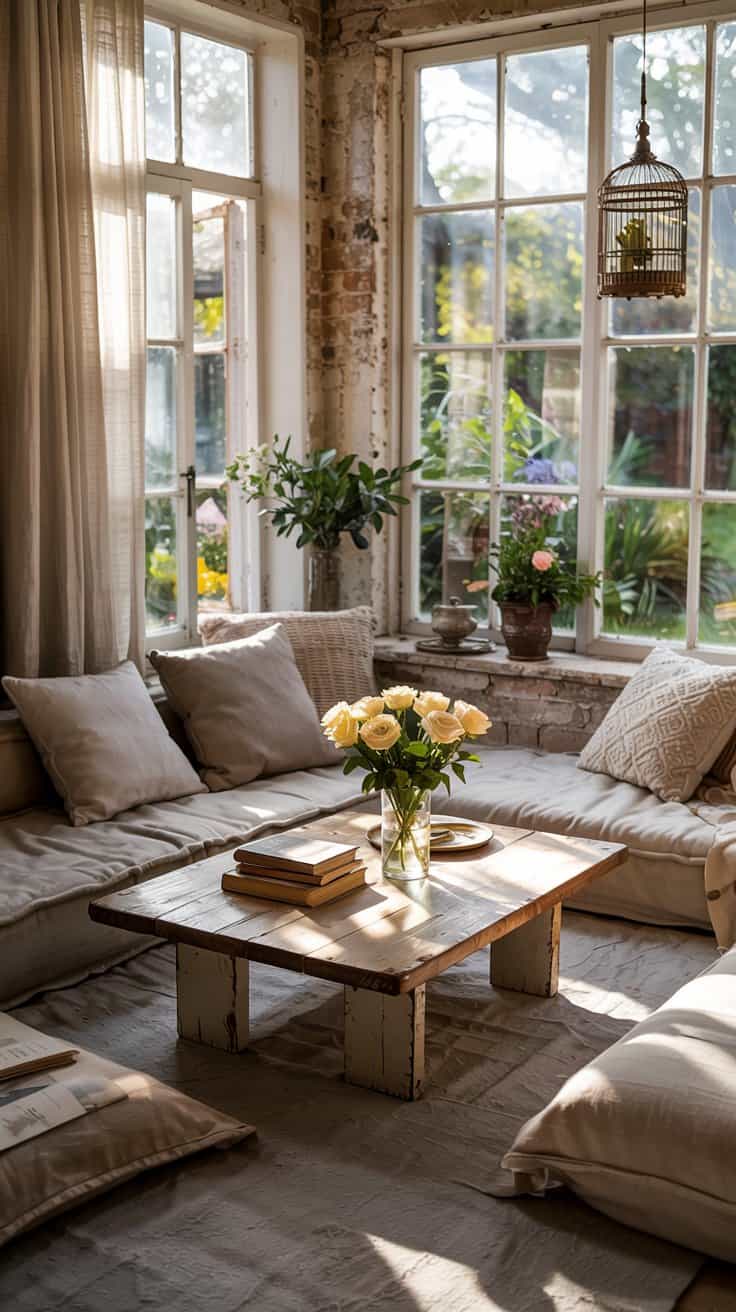
Floor cushions and poufs transform a formal seating area into a relaxed, multifunctional lounge instantly. They’re lightweight, easy to move, and perfect for casual gatherings where people want to sprawl, chat, or meditate. Because they come in a huge range of sizes, shapes, and fabrics, you can tailor the mood—oversized plush cushions encourage sinking in for long reads, while structured leather or woven poufs offer a more sculptural look that doubles as a footrest or extra seat.
These cushions thrive in sunrooms because they work with the informal, indoor-outdoor feel such spaces often aim for. Choose weather-resistant fills and fabrics if your room sees a lot of sun or occasional humidity. Materials like cotton-linen blends, outdoor-grade canvas, or synthetic weaves perform well and are easy to spot-clean. Texture is your friend here: mix knits with woven textures and a pop of printed fabric to create visual interest without adding bulk.
Storage is key to keeping a tidy space. Stackable cushions, foldable options, or a decorative basket near the seating cluster lets you stow extras when you switch from lounging to dining. Consider using a low tray table nearby to catch drinks or small plates, so cushions remain comfortable and spill-proof. For styling, group cushions of varying heights and patterns to create an intentionally casual look—think curated chaos rather than clutter. They’re also wonderful for layering: place a pouf as a side table for a tray, then add a floor cushion for extra lounging—practical and charmingly informal.
Indoor Hammock
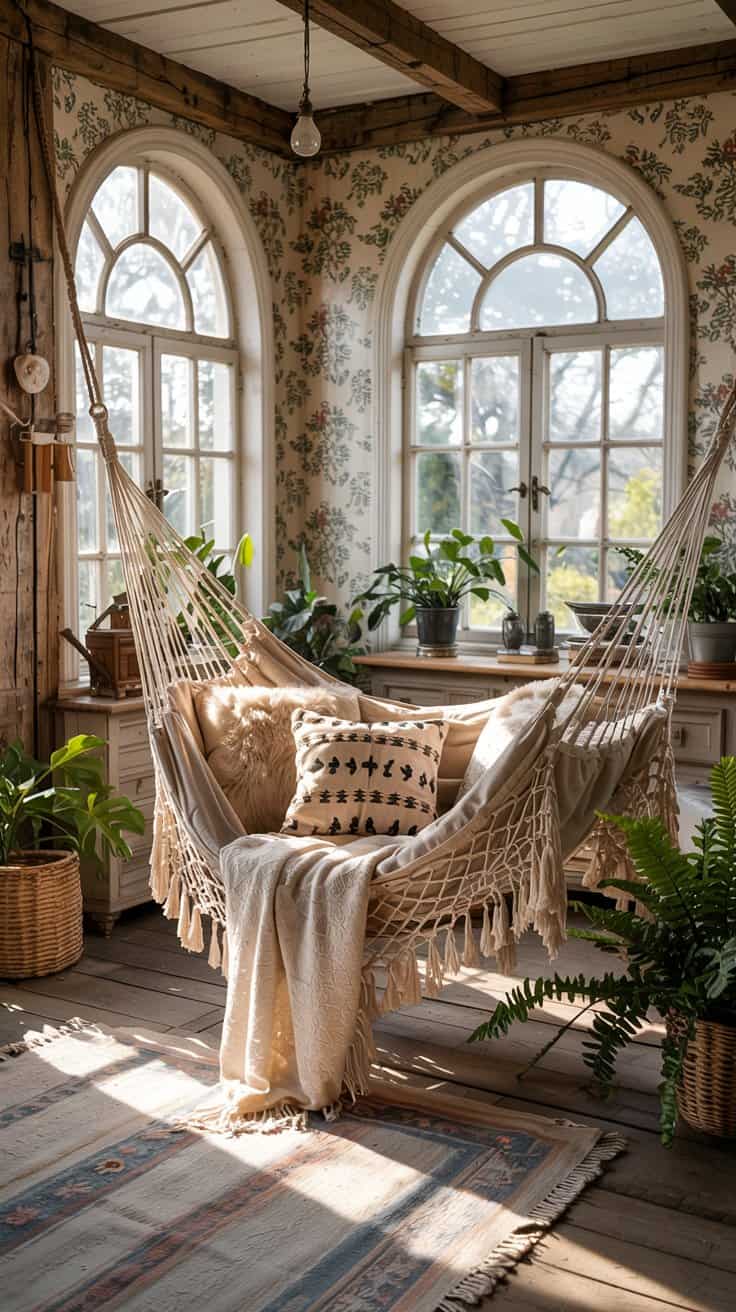
An indoor hammock brings vacation energy into your sunroom and is one of the most indulgent seating choices you can add. Whether you pick a classic canvas hammock spanning between two anchor points or a cozy hammock chair suspended from a single point, the gentle sway and generous surface area encourage deep relaxation, naps, and leisurely reading. Hammocks create a focal point that reads both playful and deliberately curated.
Installation requires planning: determine whether your structure can support the load and use rated hardware installed into beams or studs. If anchors or ceiling mounts aren’t possible, freestanding hammock stands offer a safe, mobile alternative. Choose breathable, durable fabrics like cotton canvas, cotton-blend, or weather-resistant synthetics depending on whether the hammock will be exposed to direct sun. Add a soft throw and a couple of pillows to make it more inviting and to protect delicate fabrics from body oils.
Styling tips: anchor the hammock visually with a rug beneath it and a low side table for books and beverages. Surround it with greenery—hanging plants or tall potted palms enhance the tropical or bohemian vibe. Consider positioning so you can catch the best natural light without direct midday sun to protect fabrics. Finally, think about seasonality: a removable cover or a lightweight storage solution will keep the hammock fresh during slower seasons, while inexpensive cushions can refresh its look whenever you want a new color story.
Bistro-Style Dining Set

A bistro-style dining set is an elegant solution for small sunrooms that pull double duty as breakfast nooks or casual dining spots. The compact scale of a bistro table and two to four chairs makes it ideal for tight floorplans, and its intimate silhouette encourages relaxed conversation and slow mornings. These sets come in many finishes—wrought iron, cast aluminum, bleached wood, or wicker—so it’s easy to match your sunroom’s aesthetic, whether that’s French-café charm or crisp Scandinavian minimalism.
Practical considerations matter: pick a round or foldable table to maximize circulation and allow for flexible traffic flow in narrow spaces. Weatherproof materials, like powder-coated metal or treated wood, resist warping and fading if your sunroom gets a lot of sunlight. Comfortable cushions on the chairs will make the space usable for longer meals or working on a laptop. If storage is limited, choose a set with foldable chairs that tuck away when not in use.
Styling this area is where the bistro set shines: think layered placemats, a petite vase with fresh-cut flowers, and a light pendant or string lights overhead for evening ambiance. Place the set near the best view—by the window or a door leading to a patio—so meals feel like an experience rather than a routine. If you entertain occasionally, pair the bistro table with a slim console or a rolling bar cart for easy serving. The result is a charming nook perfect for solo breakfasts, intimate brunches, and a cozy spot to sip tea with a friend.
Built-In Bench with Storage
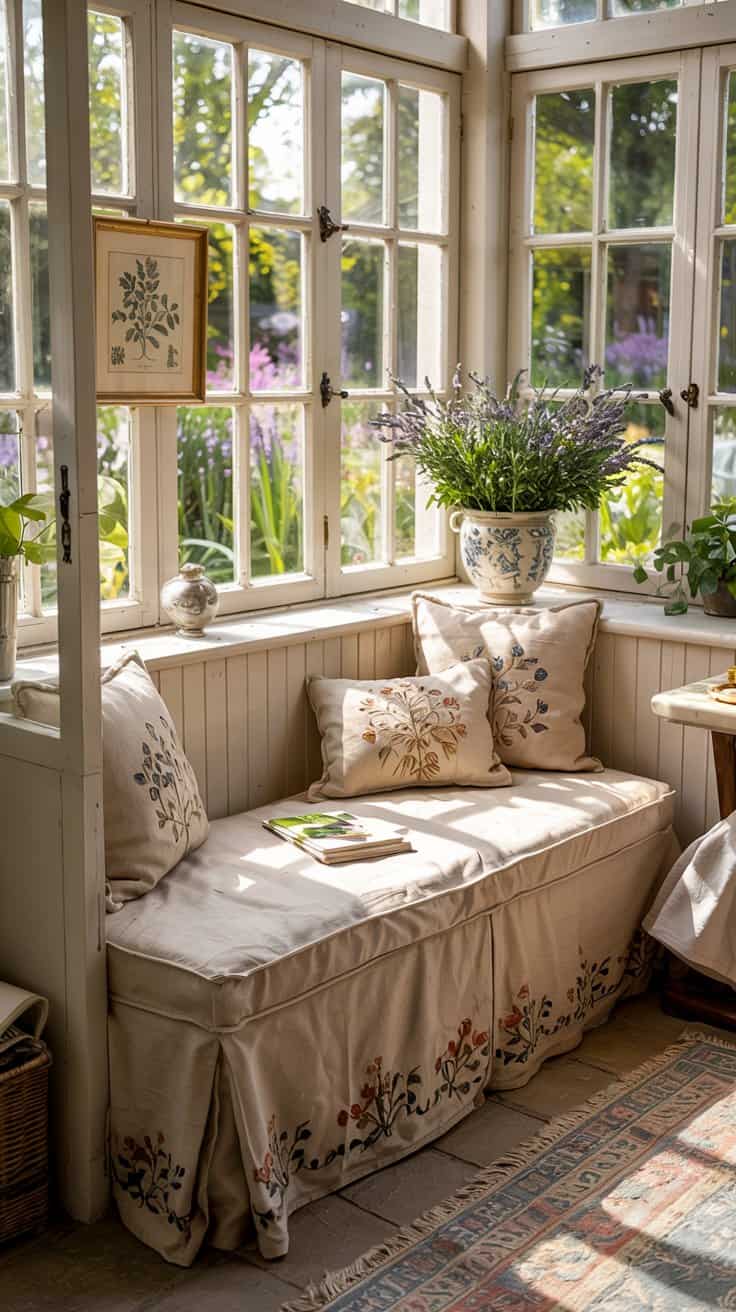
A built-in bench with storage is the definition of smart design: it creates a comfy seating zone while concealing clutter beneath—blankets, games, seasonal accessories, or extra cushions. This is a particularly useful solution in sunrooms that serve multiple purposes or in homes where square footage is at a premium. Built-ins feel integrated and permanent, adding architectural interest while maximizing usable floor space.
Customization is the big advantage. You can design the bench height to match window sills, add deep drawers or hinged lift-up lids for ample storage, and tailor cushion depth for optimal comfort. Choose durable upholstery fabrics (think fade-resistant, easy-clean performance textiles) and high-density foam inserts for long-lasting comfort. Built-in benches are also a perfect place to incorporate a reading nook: add task lighting, a narrow shelf for books, and accent pillows to make the space feel curated and cozy.
From a styling perspective, built-ins offer a clean, cohesive look. Use the top of the bench as a stage for seasonal styling—layered throws in winter, a row of succulents in summer. If you have a window seat, position a tray on a corner to hold a mug or a small lamp for evening reading. Because built-ins are visually substantial, balance them with lighter furniture pieces across the room—slim-legged side tables or airy chairs—to maintain openness. Finally, consider practical details like ventilation for stored items and easy-to-use hardware to make daily life smoother.
Swinging Daybed

A swinging daybed is indulgence in motion. It combines the generous comfort of a daybed with the gentle sway of a suspended piece, creating an irresistible spot for long afternoons of lounging, napping, or intimate double reading. Daybeds can be scaled to seat multiple people, which makes them great for sunrooms that double as social hubs or cozy guest spots. The suspended aspect adds a visual lightness—despite the generous seating surface—so the room doesn’t feel weighed down.
Choosing the right daybed involves thinking about support, materials, and proportion. Sturdy ceiling joists and proper hardware are non-negotiable; for unsupported ceilings, a robust freestanding frame is the safest alternative. Materials like teak or treated hardwood stand up well to sunroom conditions and look wonderfully at home amid greenery and light. Add deep cushions, layered throws, and a mix of pillows for a sumptuous, hotel-like vibe.
Styling pays off: place the daybed so it catches a view or faces the room’s focal point, and use ambient lighting—floor lamps, lanterns, or string lights—to make it inviting at night. Use a weather-resistant mattress or fill if the daybed will receive strong sunlight, and rotate cushions periodically to avoid uneven wear. The swinging daybed is a statement piece that reads both luxurious and approachable; it signals that the room is meant for lingering, not rushing, and that every visit should feel like a small, perfectly timed pause.
Glass-Top Side Tables

Glass-top side tables are the quiet workhorses of sunroom styling: they reflect light, preserve sightlines, and bring a sleek, open feel to seating areas. Because they don’t visually block the space, glass tables are especially helpful in smaller sunrooms or spots where you want to keep the focus on views and light. They pair well with woven textures, wood tones, and metal finishes, offering a neutral yet polished surface for lamps, plants, or a cup of tea.
Design choices range from minimalist metal frames with a single glass pane to sculptural bases topped with beveled glass. Consider tempered glass for safety and durability, and think about the base material—brass or gold-toned metal warms up cool glass, while matte black or chrome reads modern. Glass surfaces show fingerprints and dust more readily, so designs with a lower maintenance profile (smaller tabletop, darker base) can be practical for daily use.
Styling glass tables is all about balance. Keep accessories light and low-profile: a small potted plant, a narrow vase, or a compact lamp will add function without overwhelming the delicate visual effect. Consider mirrored or metallic bases if you want to amplify brightness. If you need extra storage, look for glass-topped tables with a lower shelf—still airy, but more practical. Overall, these tables maintain the serene, sunlit quality of a sunroom while providing everyday utility.
Rocking Chairs
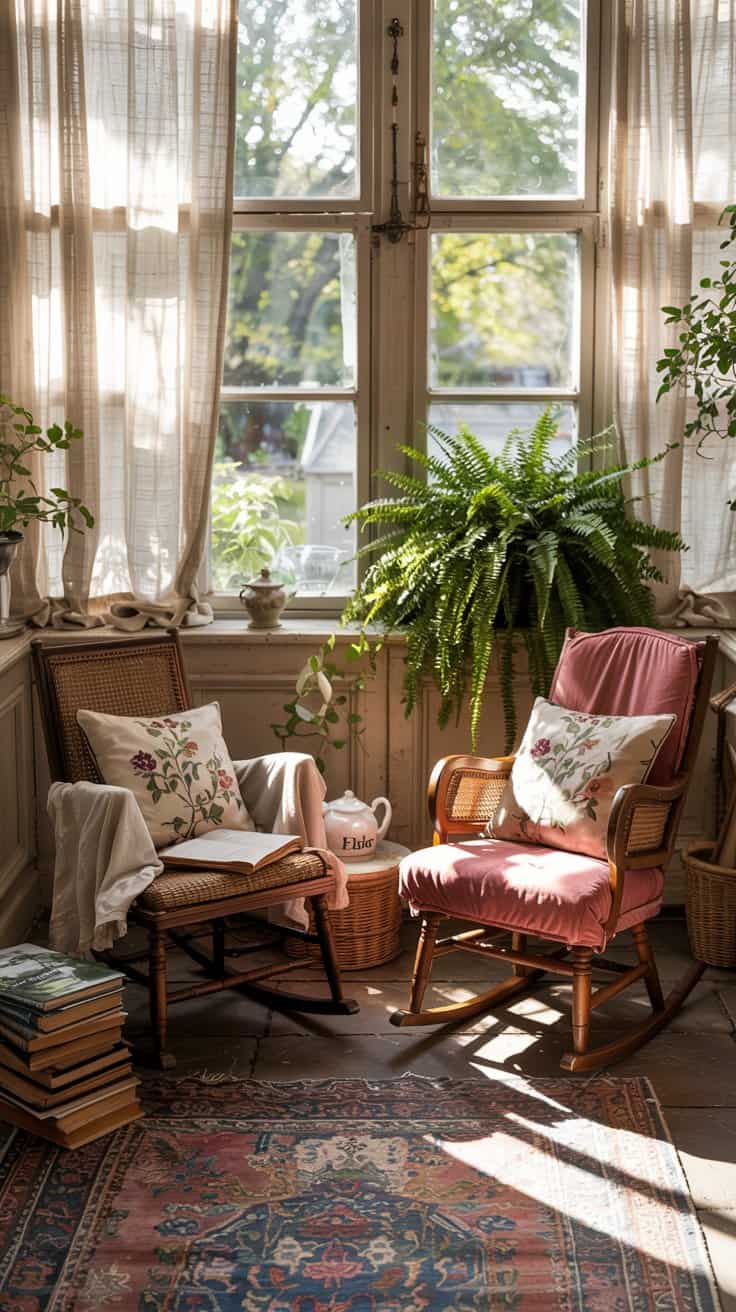
Rocking chairs are timeless pieces that add motion, nostalgia, and plain-old comfort to a sunroom. Their gentle rhythm is calming, making them perfect for unwinding with a book, soothing a fussy sleeper, or simply enjoying a cup of coffee while the world goes by. Design-wise, rockers range from classic wooden models with spindle backs—evoking farmhouse charm—to sleek, upholstered versions that feel contemporary and plush.
For sunrooms, choose materials and cushions that stand up to light exposure. A painted or sealed wood rocker resists sun damage better than raw, untreated timber, and removable cushion covers make laundering easy. If you want a modern take, consider a molded rocking chair with a soft seat pad—these are sculptural yet comfortable and pair beautifully with woven or rattan accents.
Placement is everything: set the rocker near a window so the motion is paired with a view, or create a small reading corner with a floor lamp and a side table for your beverage. Layer a knitted throw or a sheepskin for texture and extra coziness. Because rocking chairs invite use, ensure there’s a clear arc of motion—nothing should be placed where it could impede the gentle swing. In short, a rocking chair adds both function and a sense of ease, anchoring the sunroom as a space built for slow moments and heartfelt conversations.
Conclusion
With these sunroom furniture ideas, you can create a space that is both stylish and functional, allowing you to enjoy your sunroom year-round. Whether you choose wicker seating, a swinging daybed, or a bistro-style dining set, each piece contributes to making your sunroom feel inviting and cozy.
By incorporating lightweight materials, comfortable textiles, and versatile designs, your sunroom will become the perfect retreat for relaxation, socializing, or simply soaking in natural light.
