
Quick Answer: Moving out for the first time without the overwhelm comes down to working backward from move day in clear phases. Before you sign, save 3 to 6 months of essential expenses, roughly $3,000 upfront for an average one-bedroom plus a security deposit. Two to four weeks out, set up utilities and internet. The week before, declutter then pack and label every box by room. On move day, keep a 24 to 48 hour essentials box, and test the smoke and CO detectors first. Phase it, and the whole thing stops feeling impossible.
Moving out for the first time is two things at once: genuinely exciting and quietly terrifying. The excitement is obvious, your own space, your own rules. The terror is the long, vague list of everything you are apparently supposed to know, the deposit, the utilities, the lease fine print, and the creeping sense that you are going to forget something important.
Here is the thing that actually fixes the overwhelm: it is not a knowledge problem, it is a sequencing problem. Everything that needs doing has a natural time to do it, and when you lay it out as phases working backward from move day, the impossible list becomes a series of small, ordered, doable steps. Save before you sign. Handle logistics two to four weeks out. Pack the week before. Survive the first 48 hours with a plan. Settle in after.
The real numbers matter more than the reassurance, so expect them throughout, 3 to 6 months of expenses saved, roughly $3,000 upfront, a deposit of about one month’s rent. This is written for a first apartment on an actual budget, not an ideal one. Leaving your current place cleanly is its own job, and our apartment moving-out checklist handles that side, so this one can stay focused on the move itself.
Worried the money side of moving out will catch you off guard?
The Ultimate Financial Planner gives you a clear system for saving the deposit, tracking the upfront costs, and budgeting your first months on your own, so the numbers stop being the scary part. It is currently just $4.99 before the price goes up to $19.99.
Recommended First-Time Moving Products


Recommended blogs to read:
- The ultimate first apartment checklist
- First apartment checklist on a budget
- Apartment move-in checklist
- Packing and moving hacks
- Small apartment essentials
Before You Sign: Money and Budget
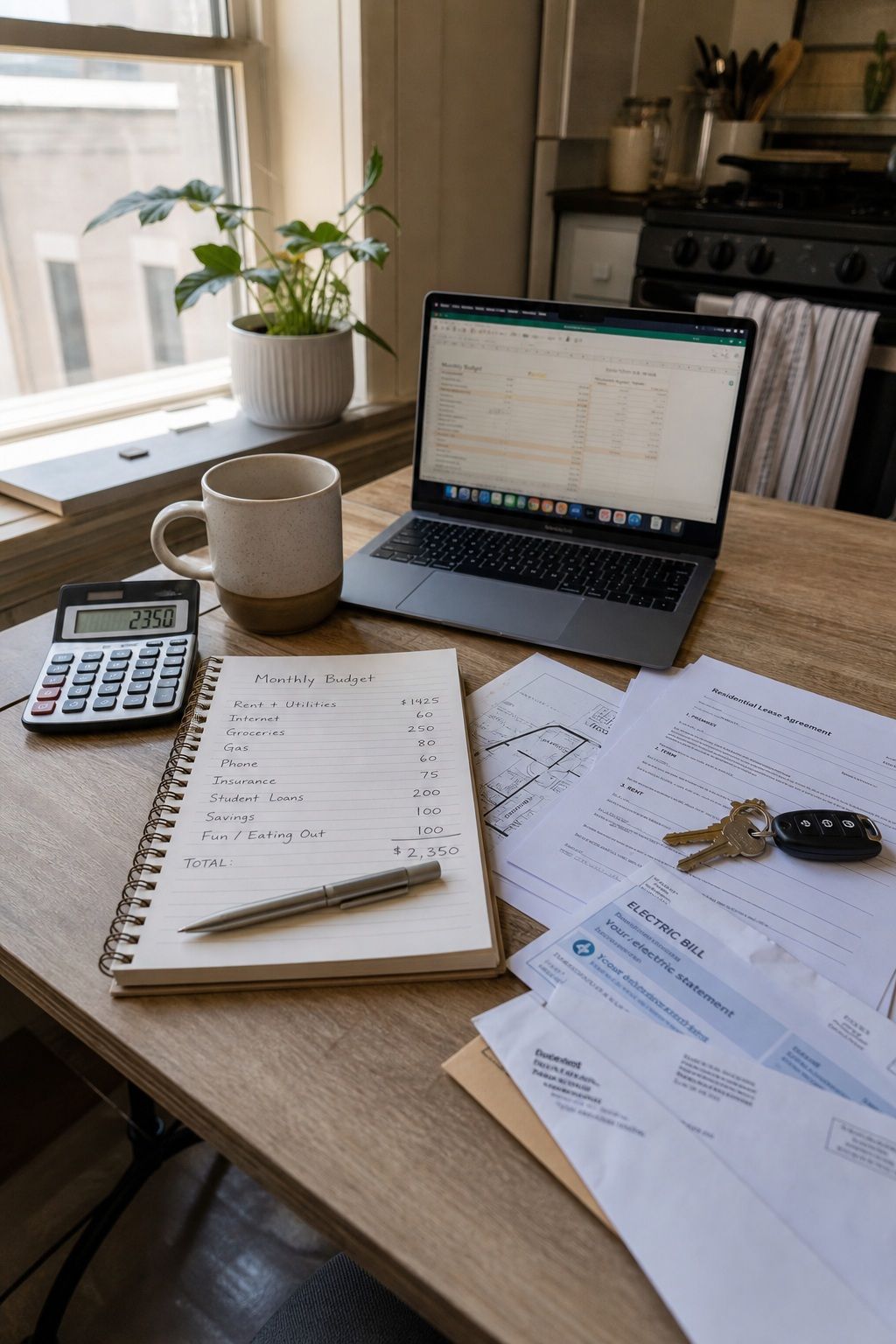


Know What It Actually Costs Upfront
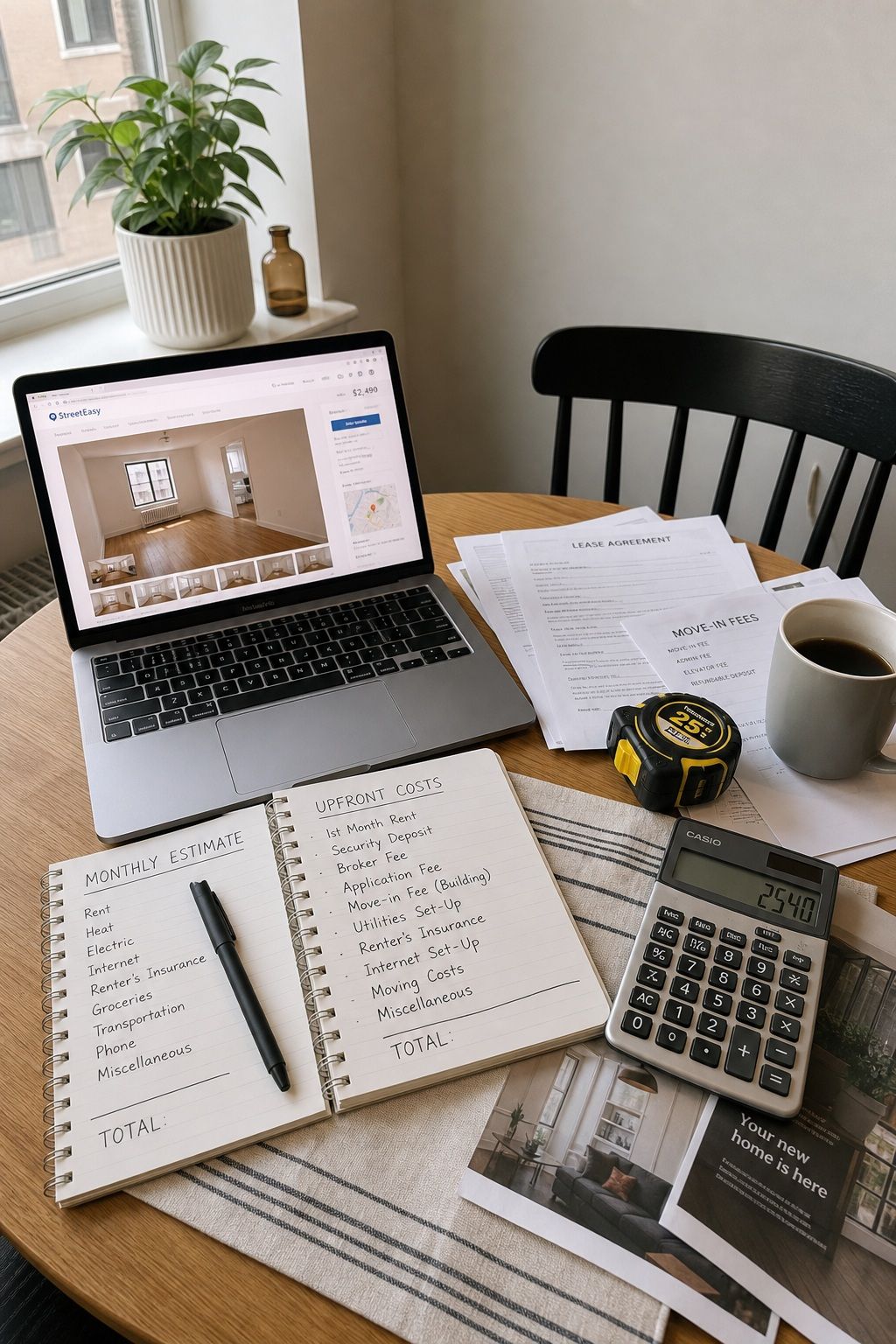
The single biggest first-time-mover mistake is underestimating the upfront cost. Rent is not the number that matters first, the move-in total is. For an average one-bedroom renting around $1,500, you are typically looking at roughly $3,000 before you have bought a single thing, first month’s rent plus a security deposit equal to about one month, and often an application fee on top.
Then come the costs people forget: any broker fee, the cost of the move itself, basic furniture, and a stocked kitchen and bathroom from nothing. Write the full list out with real numbers for your city, not estimates in your head. Seeing the true total on paper is what turns moving out from a vague hope into a plan you can actually fund.
Read more: Top 17 Best Tips for Moving Out for a Stress-Free Transition
Save 3 to 6 Months of Essential Expenses First
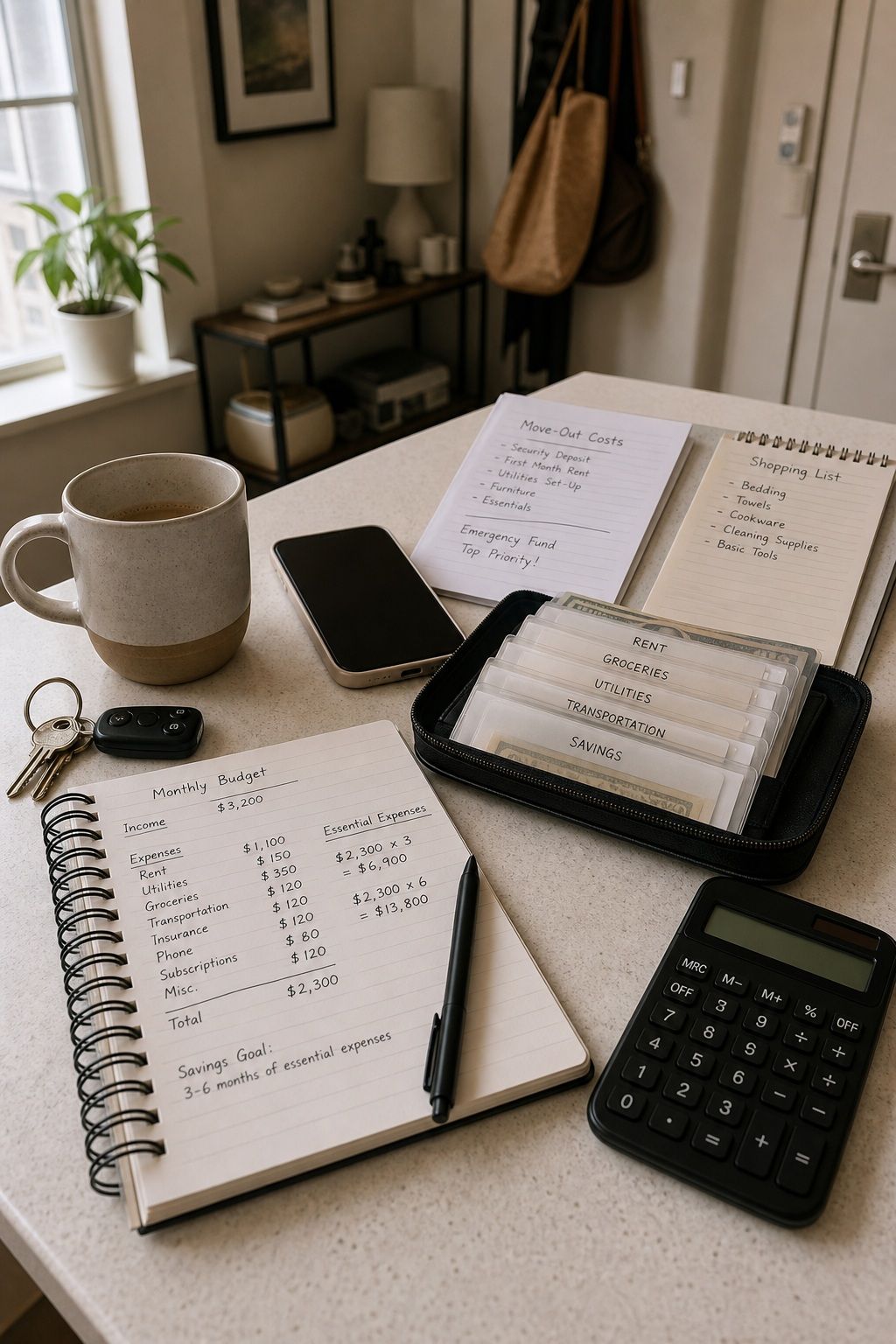
Before you sign anything, the financial safety standard is 3 to 6 months of your essential expenses saved, on top of the move-in money. Essential expenses means rent, utilities, food, transportation, and minimum debt payments, the things that do not stop if your income does.
This is not about being cautious for its own sake. A first apartment comes with surprises, a job hiccup, a car repair, a medical bill, and a cushion is what keeps a surprise from becoming a crisis that sends you back home. If you are not there yet, that is useful information, it tells you to keep saving a few more months rather than signing now. The cushion is the foundation everything else in this guide sits on.
Read the Lease Before You Sign It
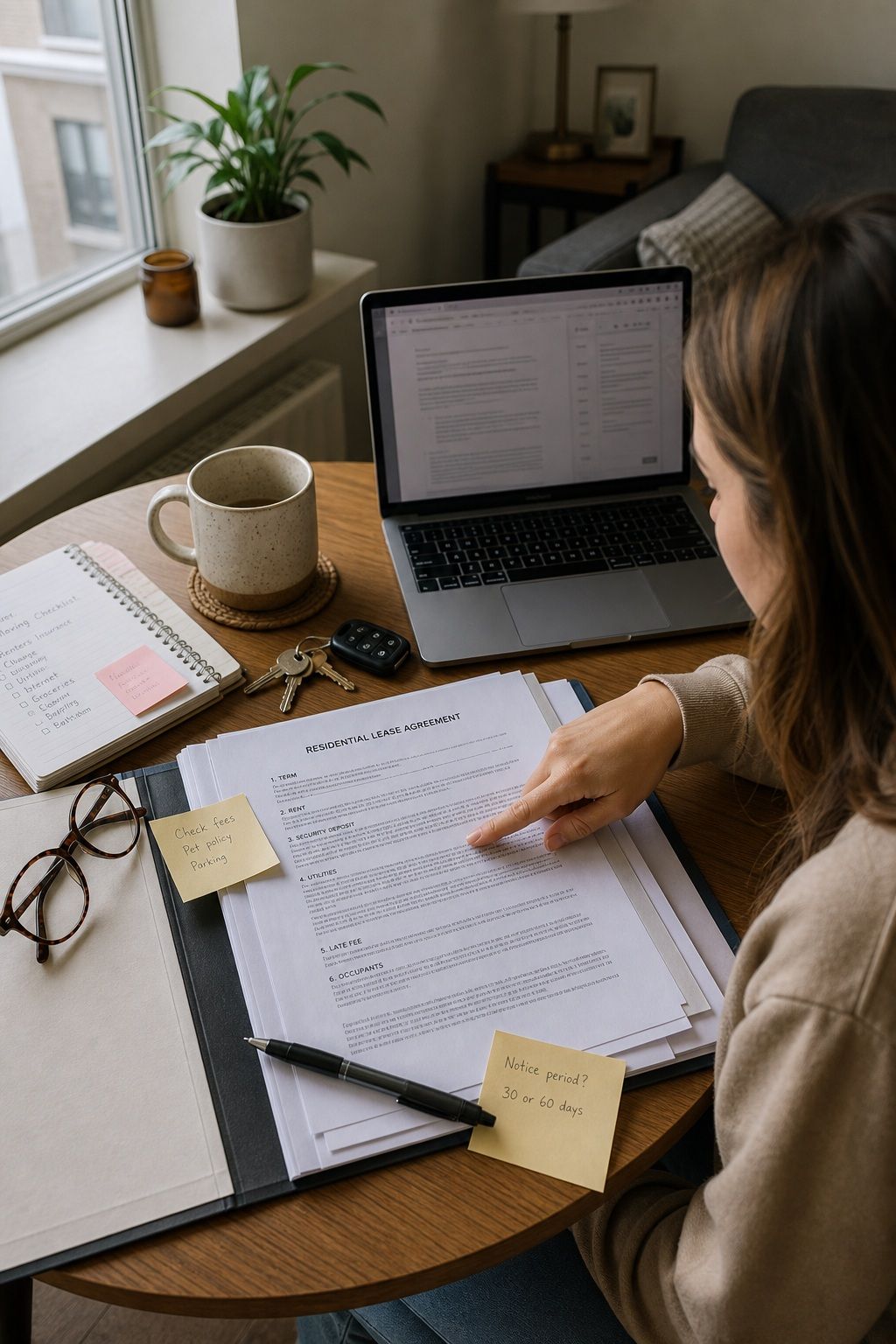
The lease is a binding contract, and first-time renters routinely sign without reading it. Before you commit, go through the whole thing and specifically find: the exact monthly rent and due date, the late-fee policy, what the deposit covers and how it is returned, the pet policy, the guest policy, who handles repairs, and the rules for breaking the lease early.
Ask about anything unclear before you sign, not after, you have no room to negotiate once your name is on it. Confirm what is included, some rents cover water or heat, some cover nothing. Understanding the lease is also how you protect the deposit later, since it spells out exactly what you are responsible for. A confusing clause is a question to ask, not a detail to skip.
Read more: Your Week-by-Week Packing Timeline for a Calm Move
Two to Four Weeks Out: Logistics and Utilities
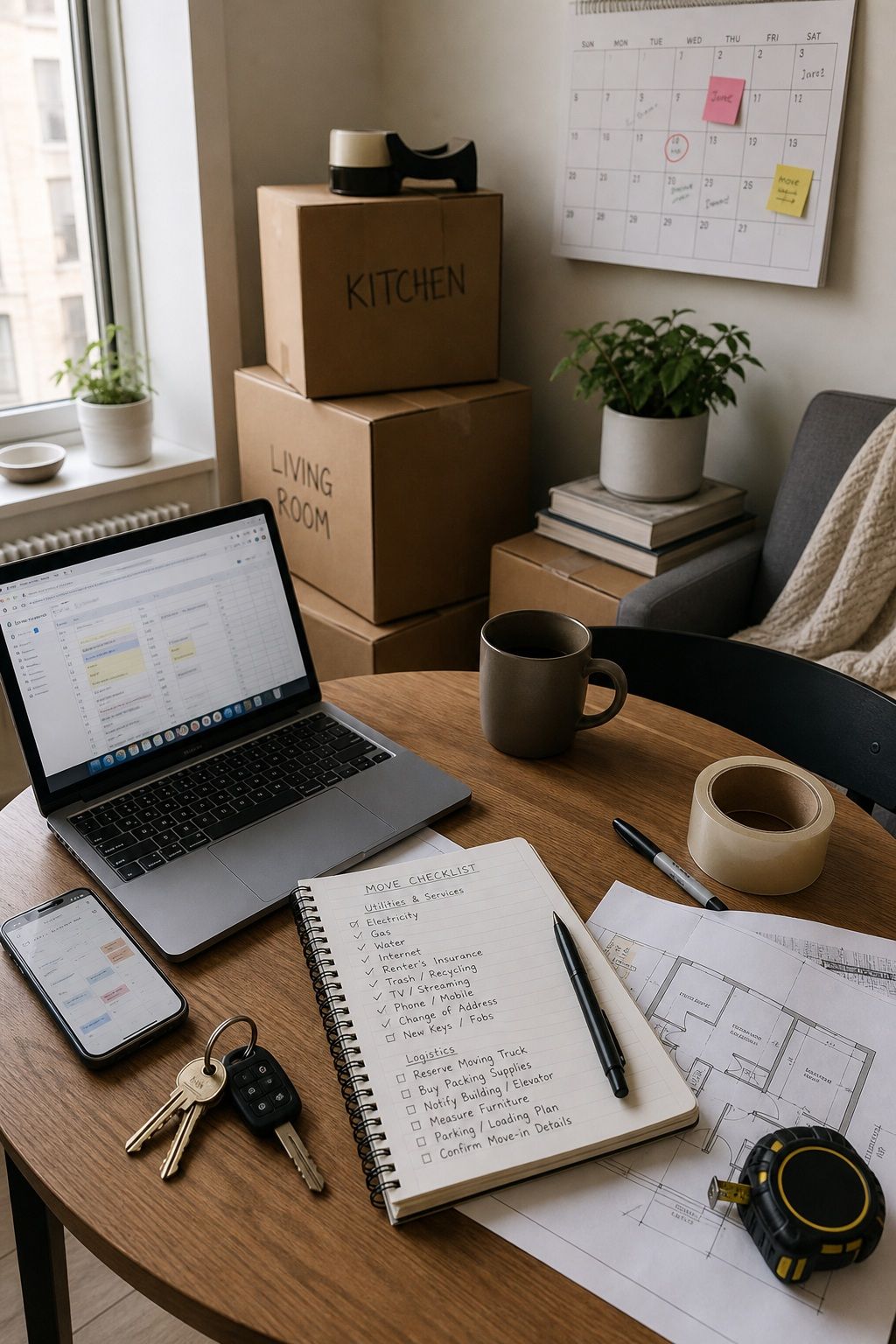


Set Up Utilities Before Move-In Day
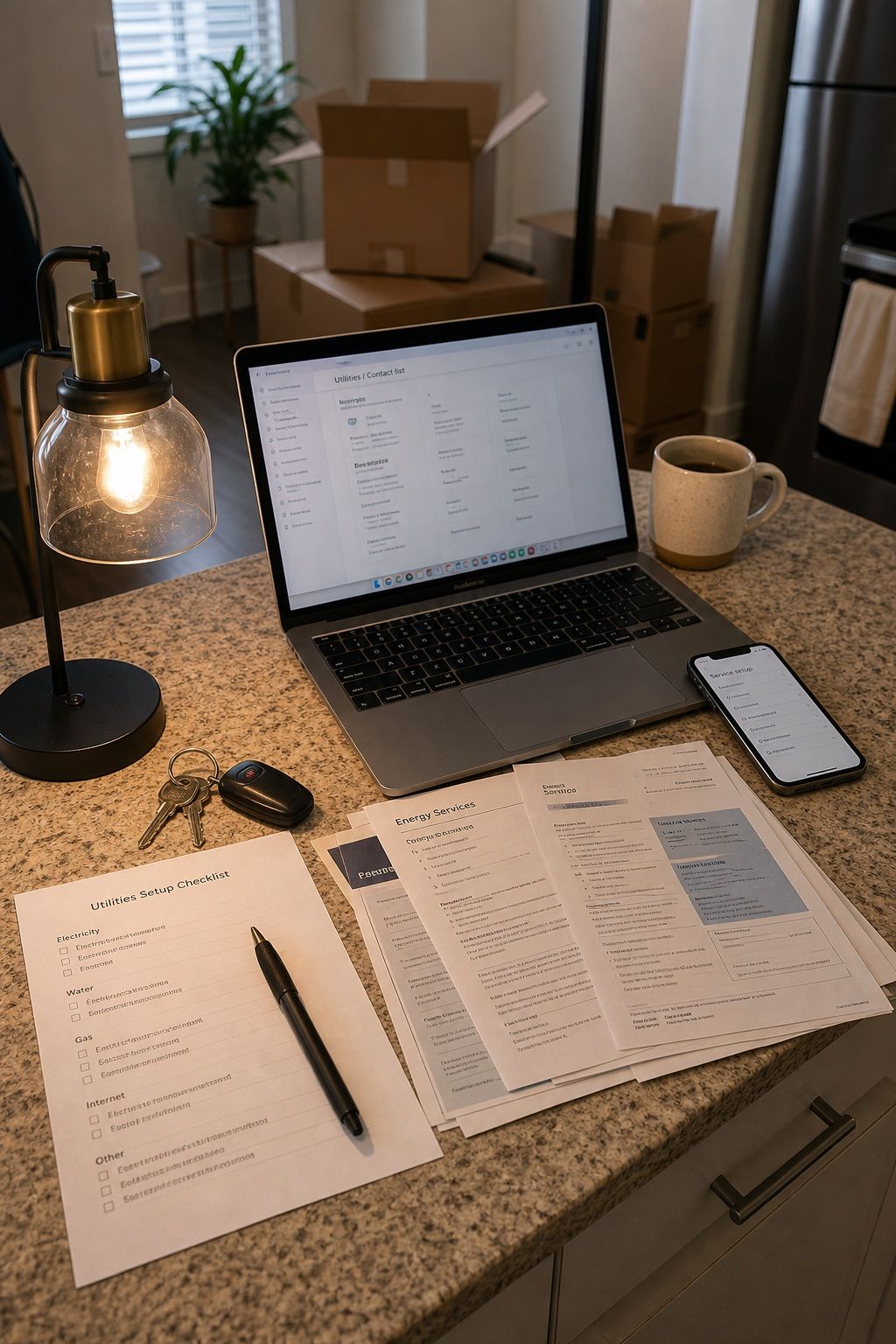
About two weeks before you move, contact the utility companies, electricity, gas, water if it is not included, and arrange for service to start in your name on or just before move-in day. Walking into a dark, powerless apartment on day one is a preventable misery.
Some utilities require a deposit or a few days of lead time to connect, which is exactly why you do this two weeks out and not the day before. Make a short list of every utility the apartment uses, find out which the landlord covers, and set up the rest. Confirm the start dates in writing. This is dull, fifteen-minutes-of-phone-calls work, and skipping it is one of the most common first-move regrets.
Read more: Your Complete Guide to Packing Up a House for Moving Room by Room
Get Internet Scheduled Early
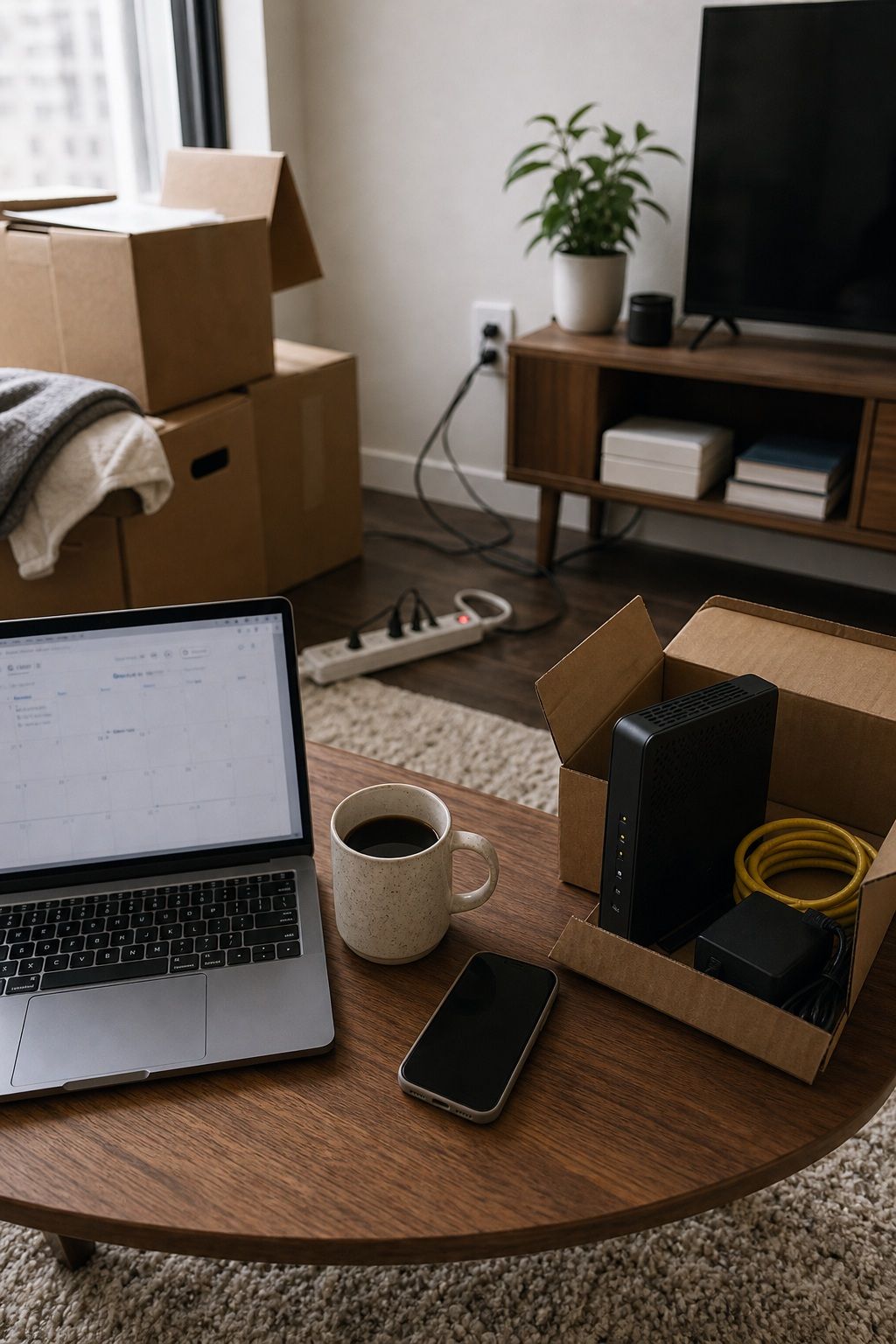
Internet deserves its own step because it has the longest lead time of anything on the list. Many providers need one to two weeks, sometimes more, to schedule an installation appointment, and the good time slots go fast.
Book it as soon as you have a signed lease and a move-in date. Aim for an installation appointment on move-in day or the day after, so you are not stranded without a connection for work or anything else. Check what providers actually service your specific building, availability is address-specific. Getting this scheduled early is the difference between being online on day one and waiting two weeks for an appointment.
Read more: Top 17 Moving Out Essentials You Need to Keep Close on Day One
Sort Out the Move Itself
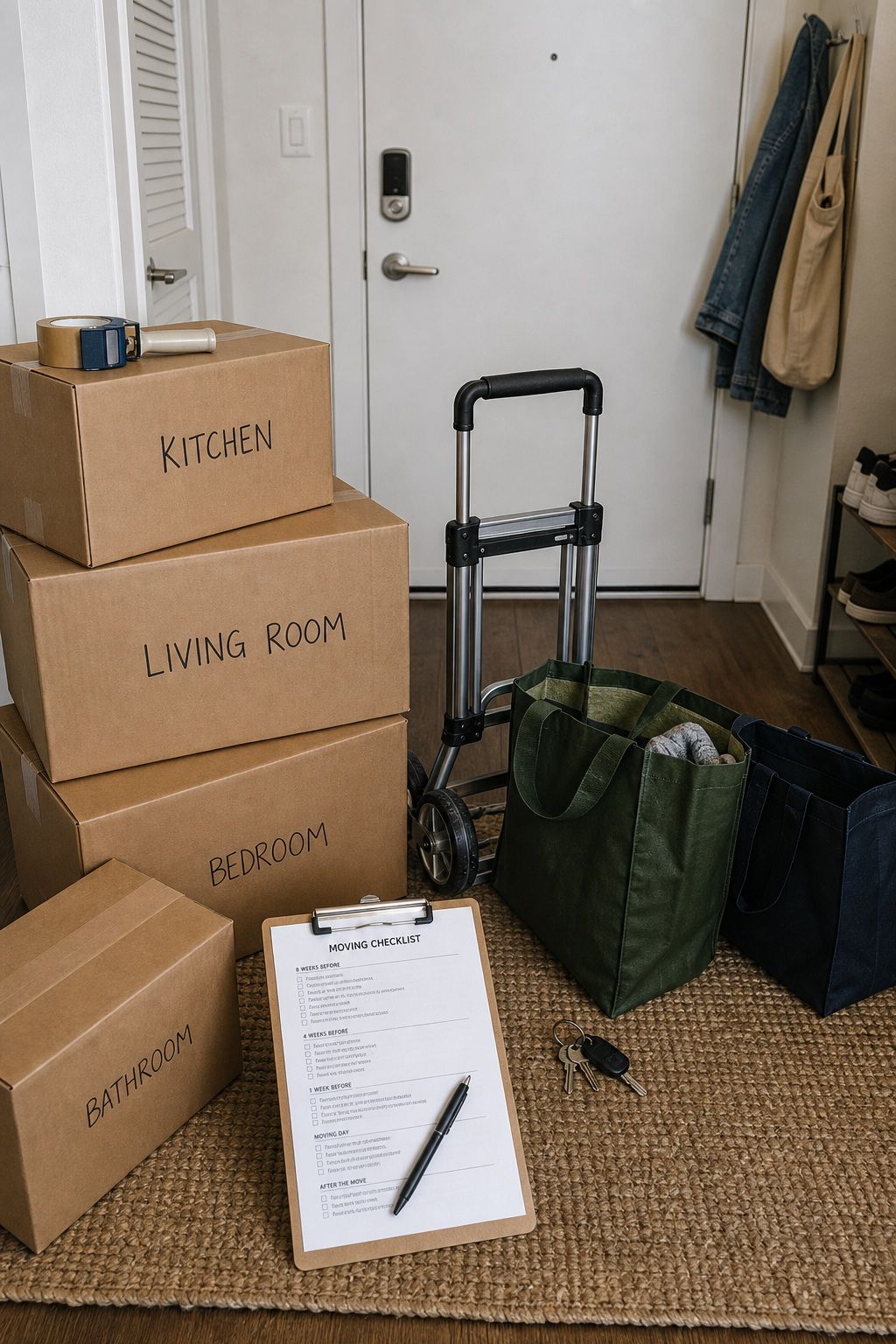
Two to four weeks out is when you lock down how your stuff actually gets there. Decide honestly between hiring movers, renting a truck and recruiting friends, or doing car loads if you own little, and price each option for your real situation.
If you are hiring movers or renting a truck, book it now, good options and good dates disappear, especially around the end of the month. If you are relying on friends, ask them now and confirm closer to the day. Also handle the address change in this window: update your mailing address, your bank, your ID, and anything subscription-based. The logistics you settle two weeks out are the logistics that do not become a panic the night before.
The Week Before: Pack and Prep
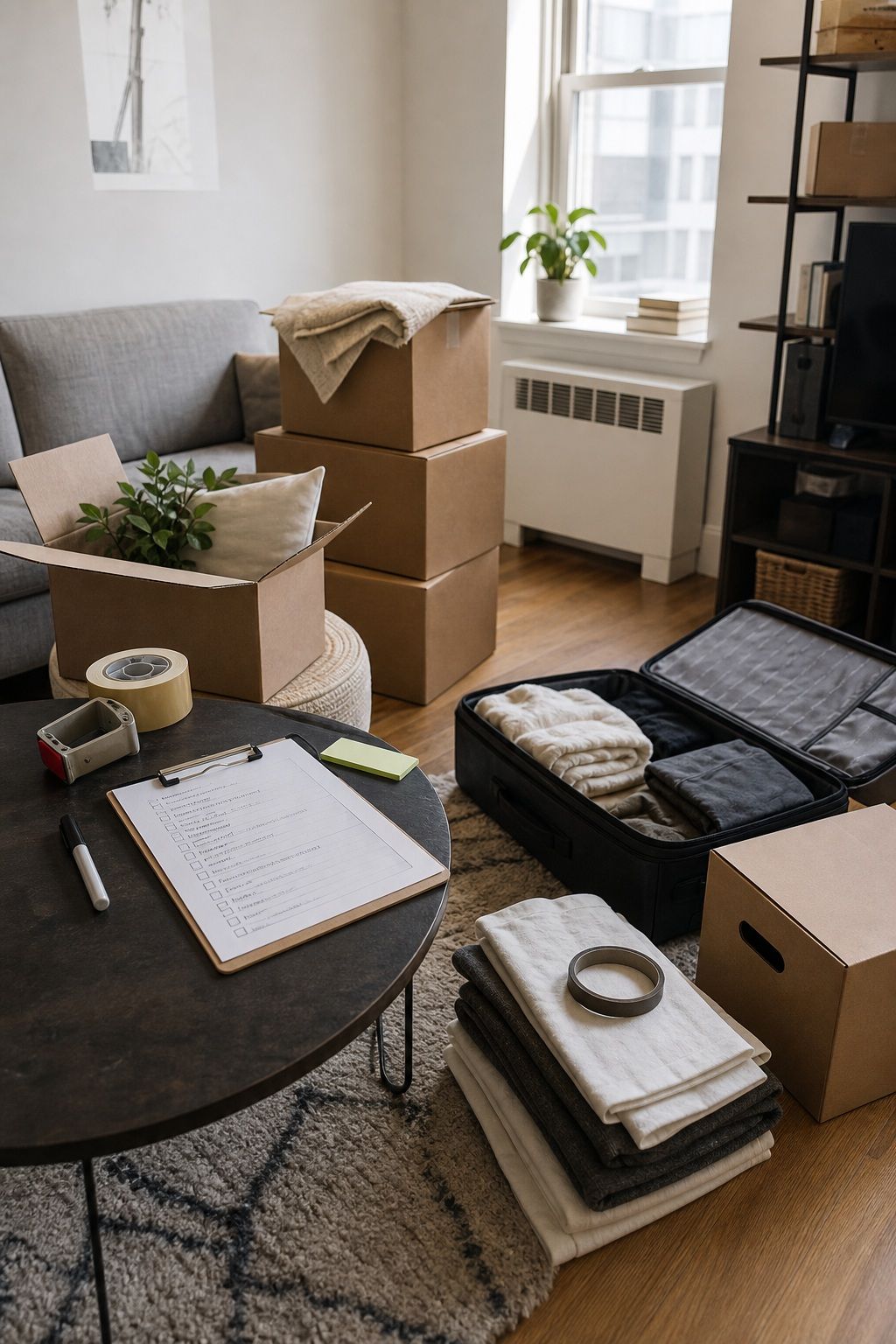


Declutter Before You Pack a Single Box
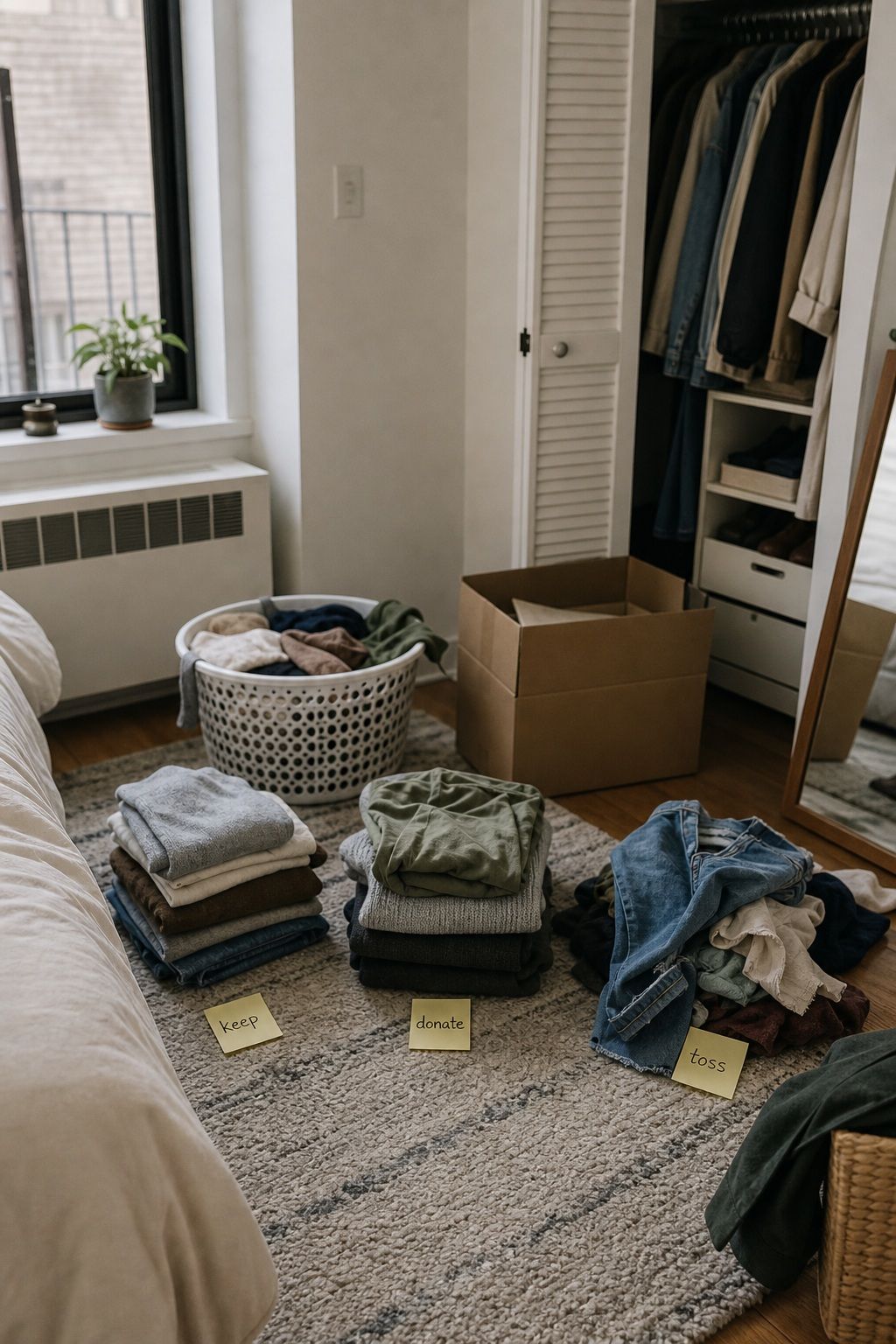
The week before the move, the instinct is to start shoving things into boxes. Resist it. Declutter first, because every item you sort out now is one you do not have to pack, move, unpack, and find space for in a smaller place.
Go category by category and be honest: keep, donate, sell, trash. A first apartment is usually smaller than where you are coming from, so the things that did not earn their keep should not make the trip. Decluttering before packing makes the move lighter, cheaper, and faster on the other end, and it is the same edit-first thinking behind any good how to organize a small apartment, you set the new place up well by not bringing the clutter into it.
Read more: Top 18 Moving Tips That Make the Whole Process Almost Easy
Pack Smart and Label Every Box by Room
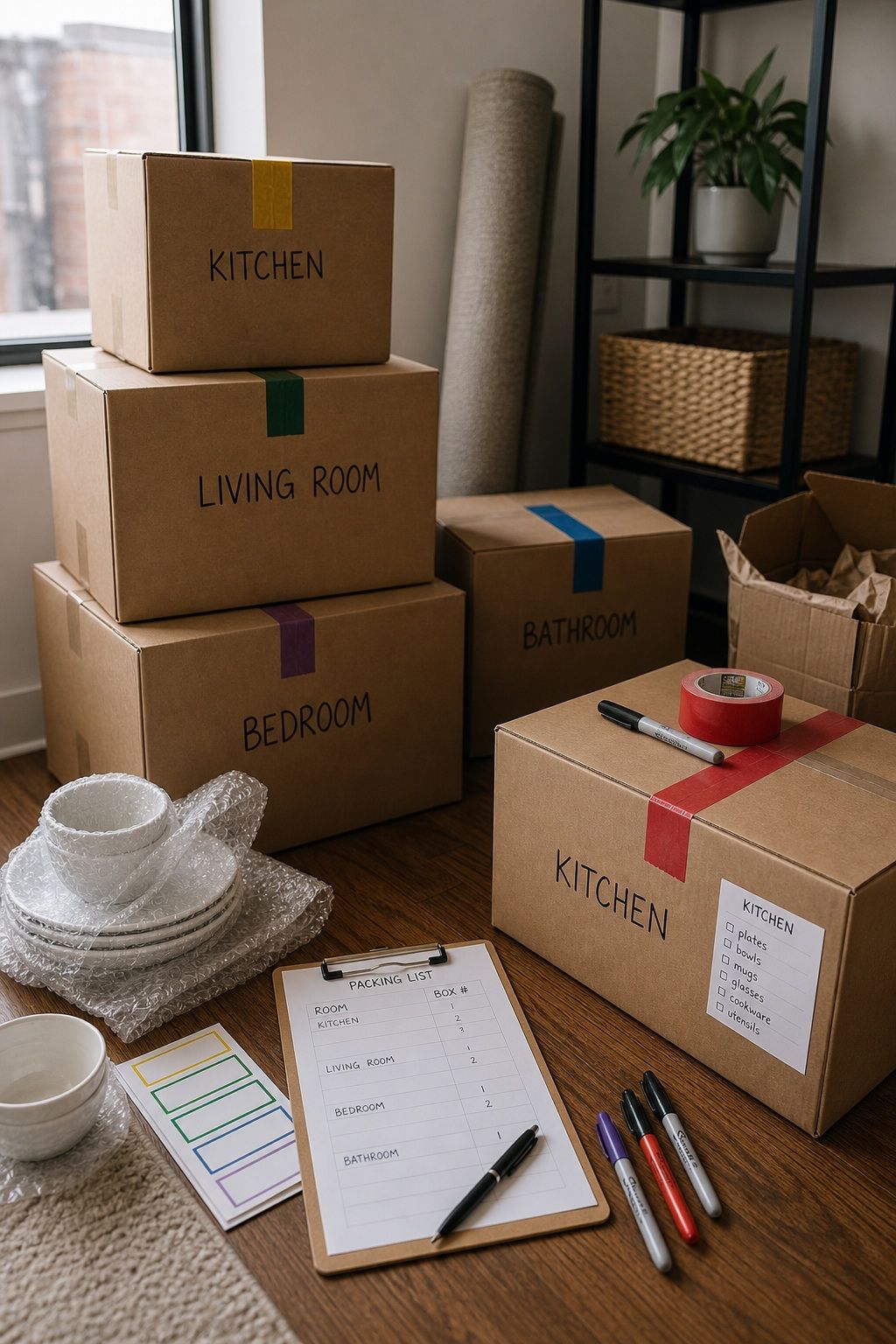
Once you are down to what is actually coming, pack it properly. Heavy items in small boxes, light items in big ones, fragile things wrapped and cushioned. And label every single box with its destination room, kitchen, bedroom, bathroom, on the top and at least one side.
Labeling by room is the small step that saves the most chaos on the other end, movers or friends can put boxes in the right room without asking, and unpacking becomes orderly instead of a scavenger hunt. Number the boxes and keep a quick list if you want to track everything. Smart, labeled packing is the difference between a move-in day that flows and one spent digging through unmarked boxes, and good small apartment storage hacks start with knowing what you actually have.
Read more: 100 Essential College Dorm Packing List Items You Will Actually Use
Build a 24 to 48 Hour Essentials Box
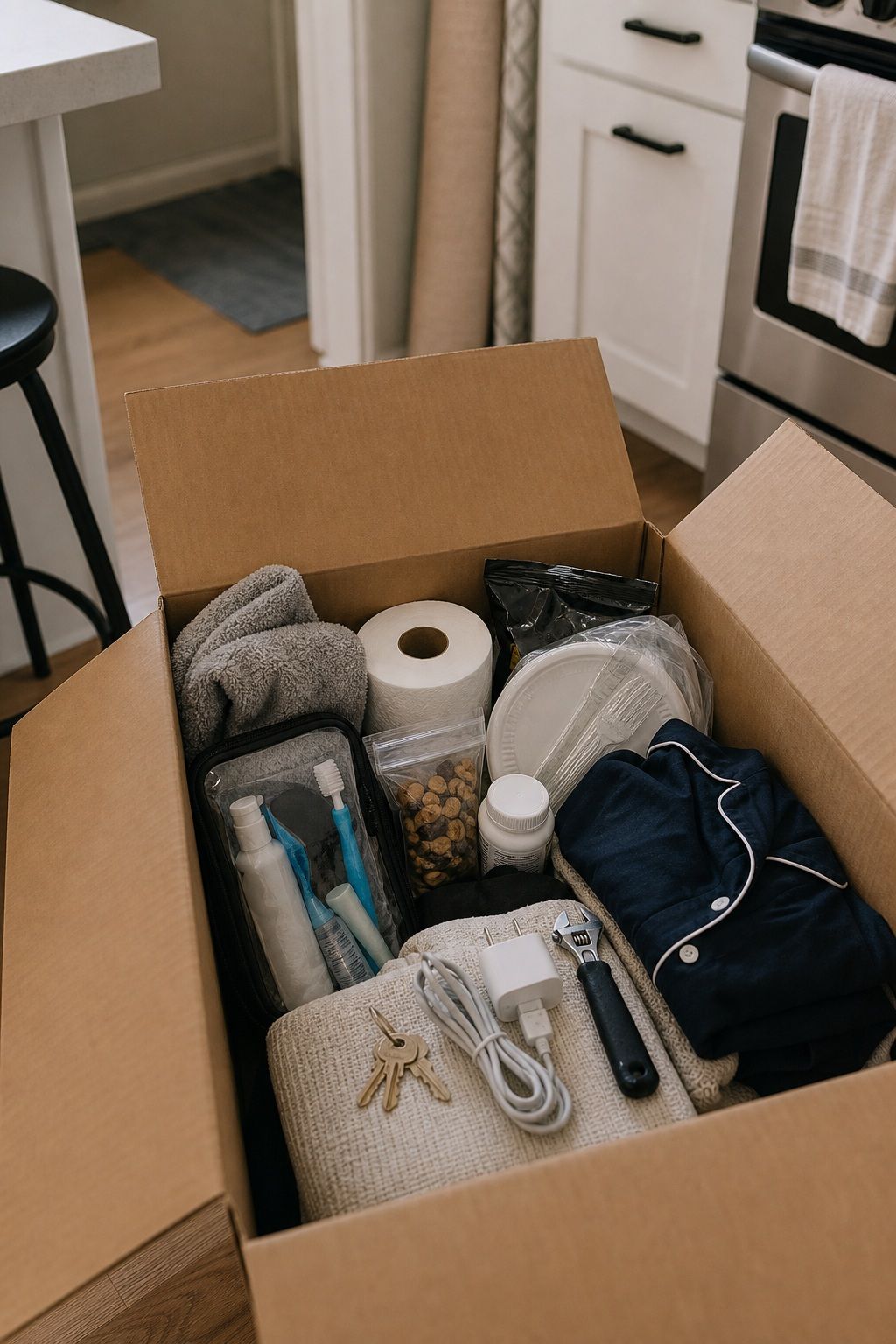
Pack one box, or a bag, separately and clearly, and do not let it get loaded with everything else. This is your first 24 to 48 hours: a change of clothes, toiletries, phone and laptop chargers, any medications, basic toiletpaper and soap, a towel, a few snacks, and bedding.
The point is that on move-in night, exhausted, surrounded by sealed boxes, you can find what you need to sleep and function without opening a single other thing. Keep this box with you, in your car, not the truck. The essentials box is the single most appreciated moving tip there is, and almost everyone learns it the hard way on their first move.
Read more: Top 18 Housewarming Gift Ideas for a First Home That Make It Feel
Move Day and the First 48 Hours
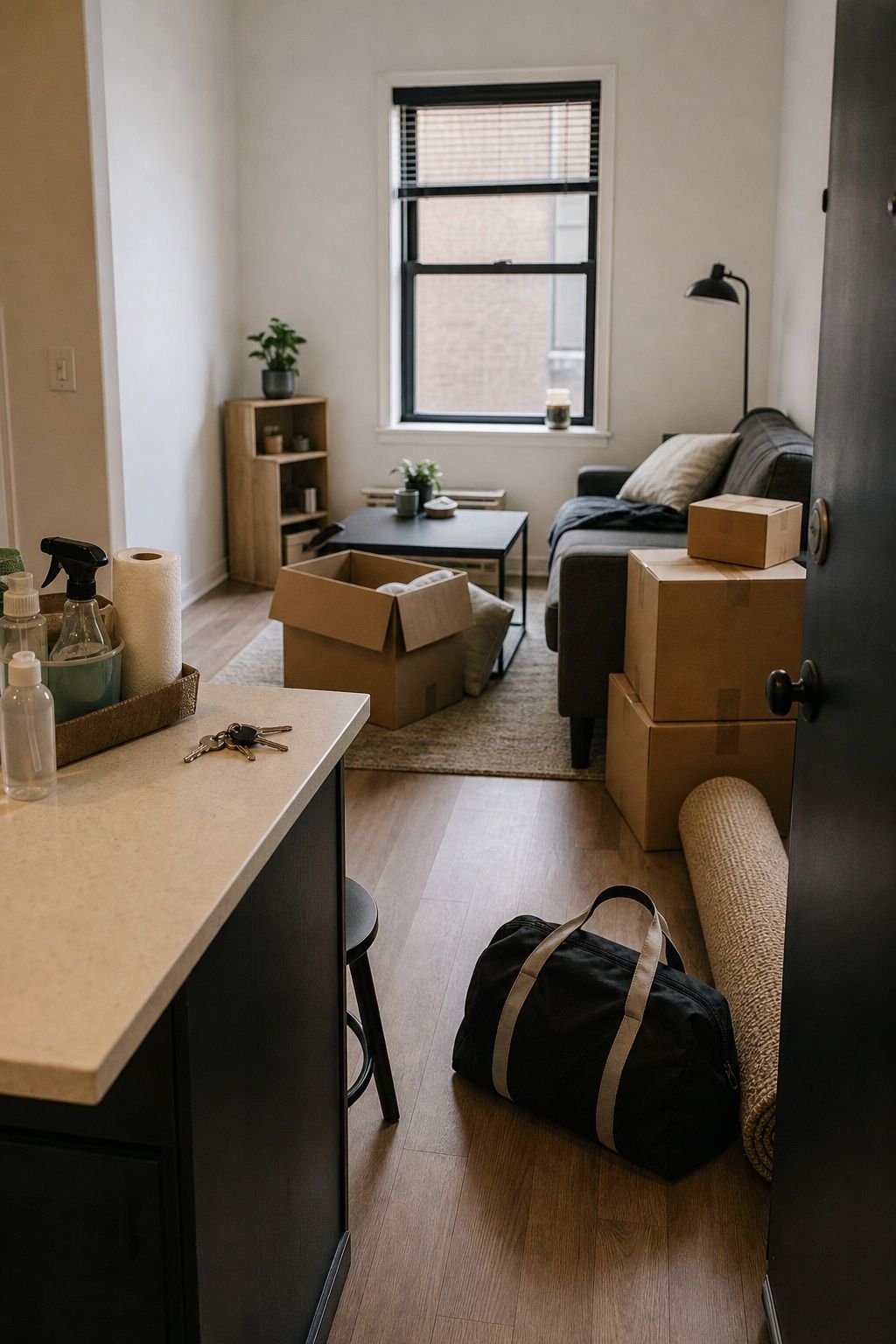
Do a Walk-Through and Document Everything
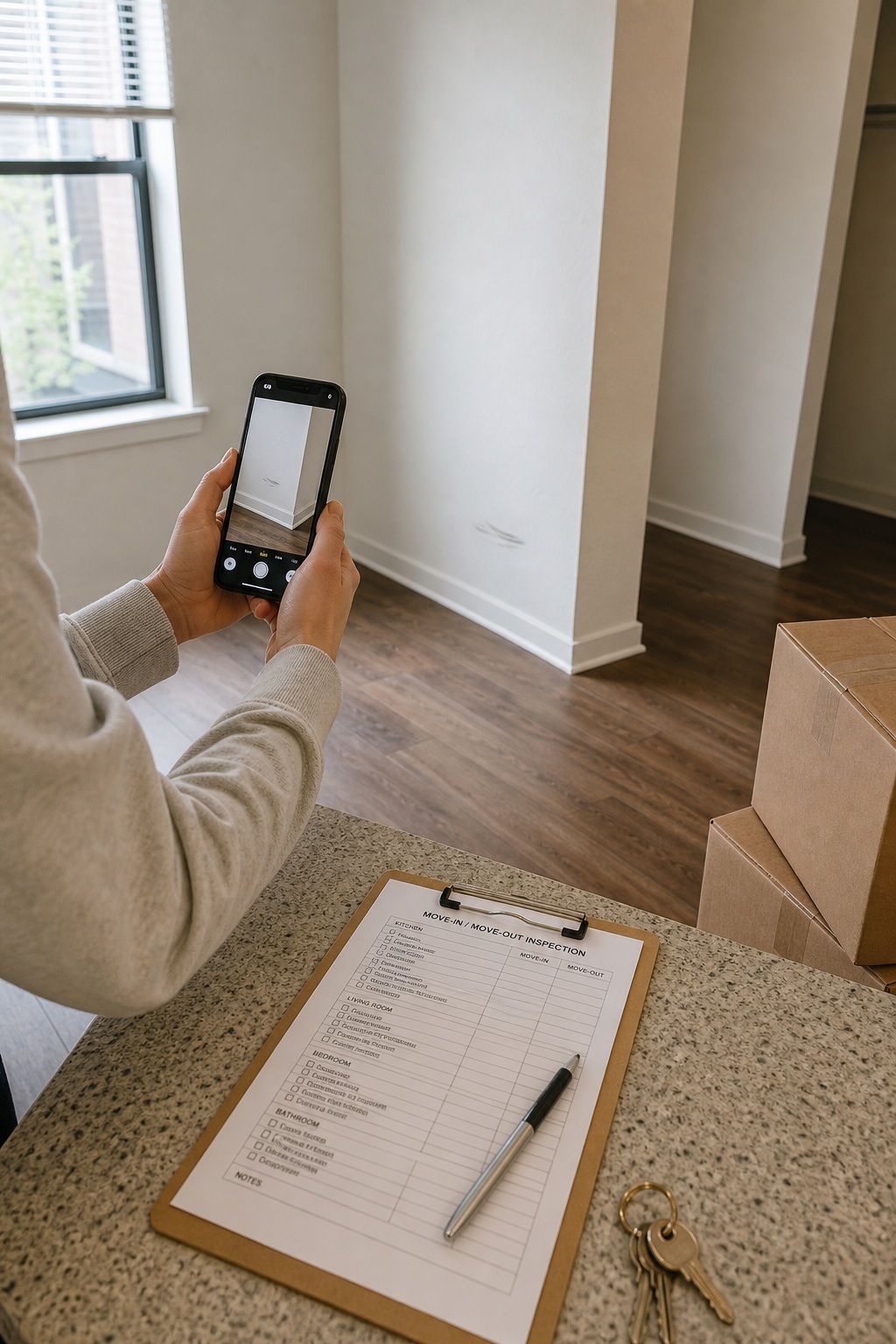
Before you bring a single box in, walk the empty apartment with your phone and document its condition: photos and videos of every room, every existing scratch, stain, dent, or problem. Date them.
This is how you protect your security deposit. When you move out, the landlord compares the apartment to its move-in condition, and your timestamped documentation is your proof of what was already there. If your lease included a condition checklist, fill it out honestly and return it. Twenty minutes of documentation on day one can be worth hundreds of dollars of deposit on the way out.
Test the Smoke and CO Detectors First
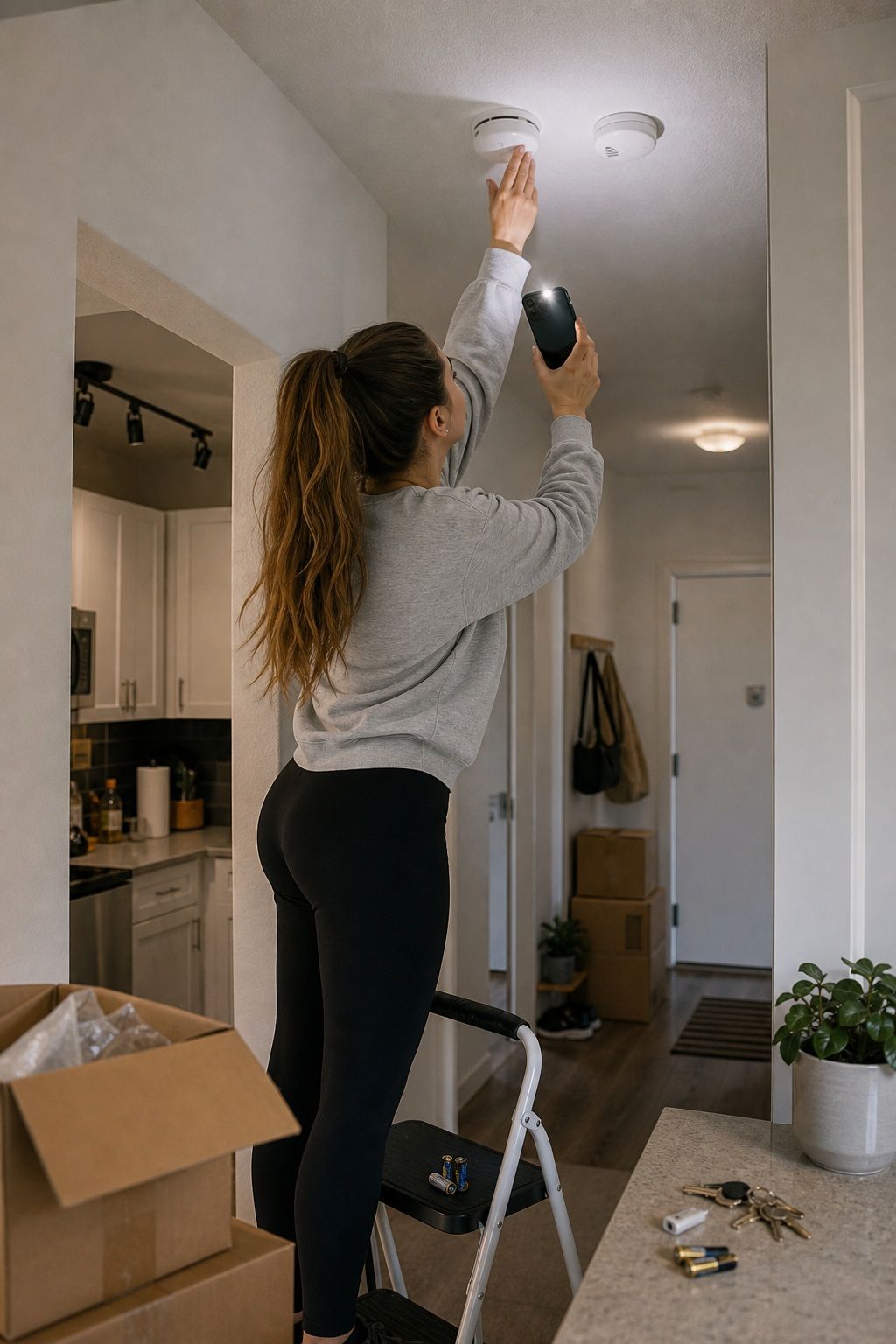
The very first functional thing to check, before unpacking, is safety: test every smoke detector and carbon monoxide detector in the apartment. Press the test button, confirm it sounds, and replace batteries or flag a dead unit to the landlord immediately.
It takes five minutes and it is the one task on this entire list that is genuinely about your safety, not your comfort or your deposit. While you are at it, locate the circuit breaker, the water shut-off valve, and the fire exits, the things you want to know before you need them, not during. Safety first, literally, then the boxes.
Read more: Top 18 Winter Decor Ideas for the Home That Feel Warm Without Trying
Set Up the Essentials and Get One Room Functional
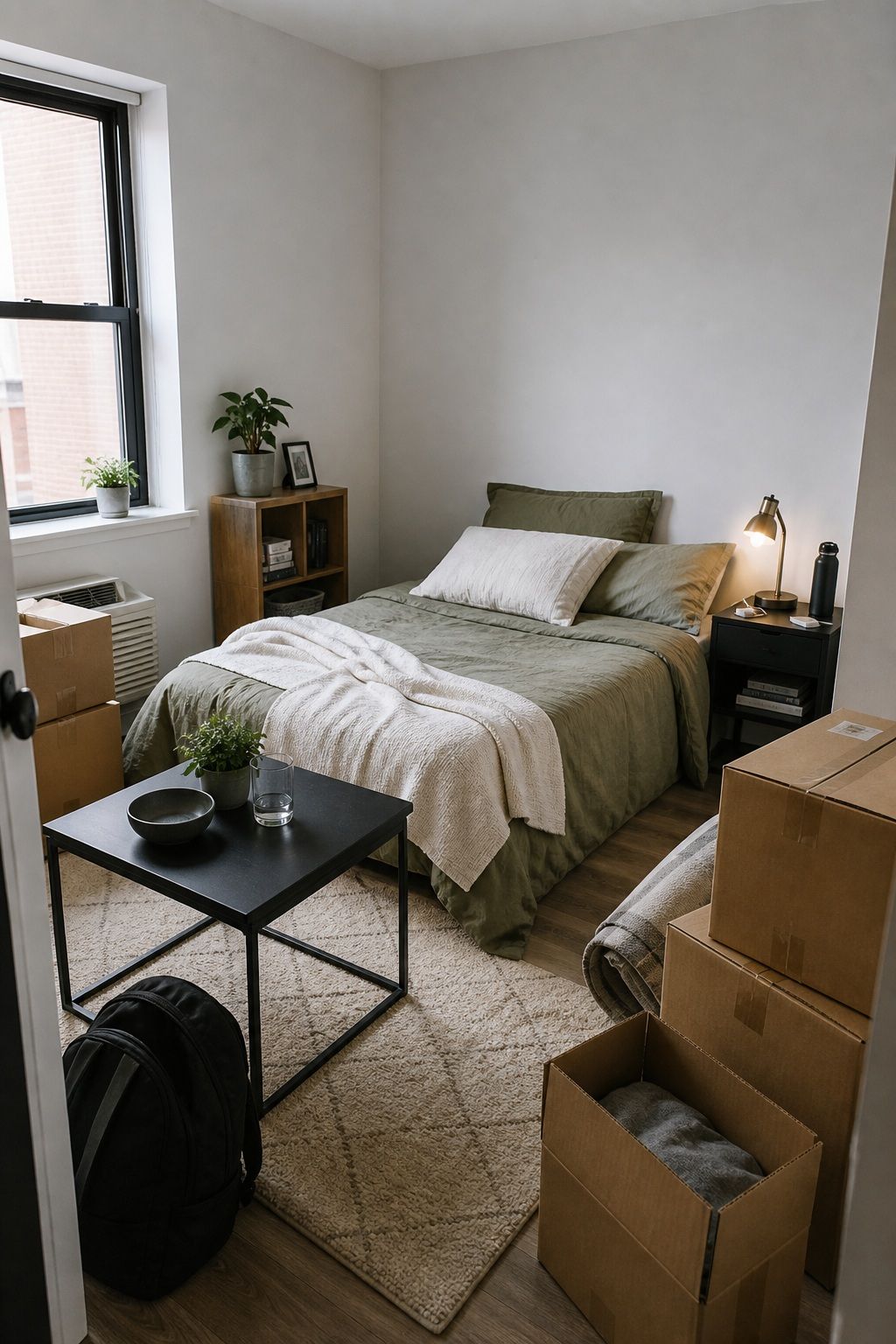
Do not try to unpack the whole apartment on day one, you will burn out and end up sleeping in chaos. Instead, get the essentials box unpacked and make one room genuinely functional, usually the bedroom, so you have a calm place to sleep.
Then make sure the bathroom basics are set, soap, toilet paper, a towel, and that you can make or get a simple meal. That is enough for the first 48 hours. The rest can be unpacked over the following days at a sane pace. Knowing the core first apartment essentials ahead of time means the first night is comfortable instead of a scramble, and a comfortable first night makes the whole move feel survivable.
Read more: Top 16 Trendy Christmas Nail Ideas for the Holidays
Settling In: Making It Home
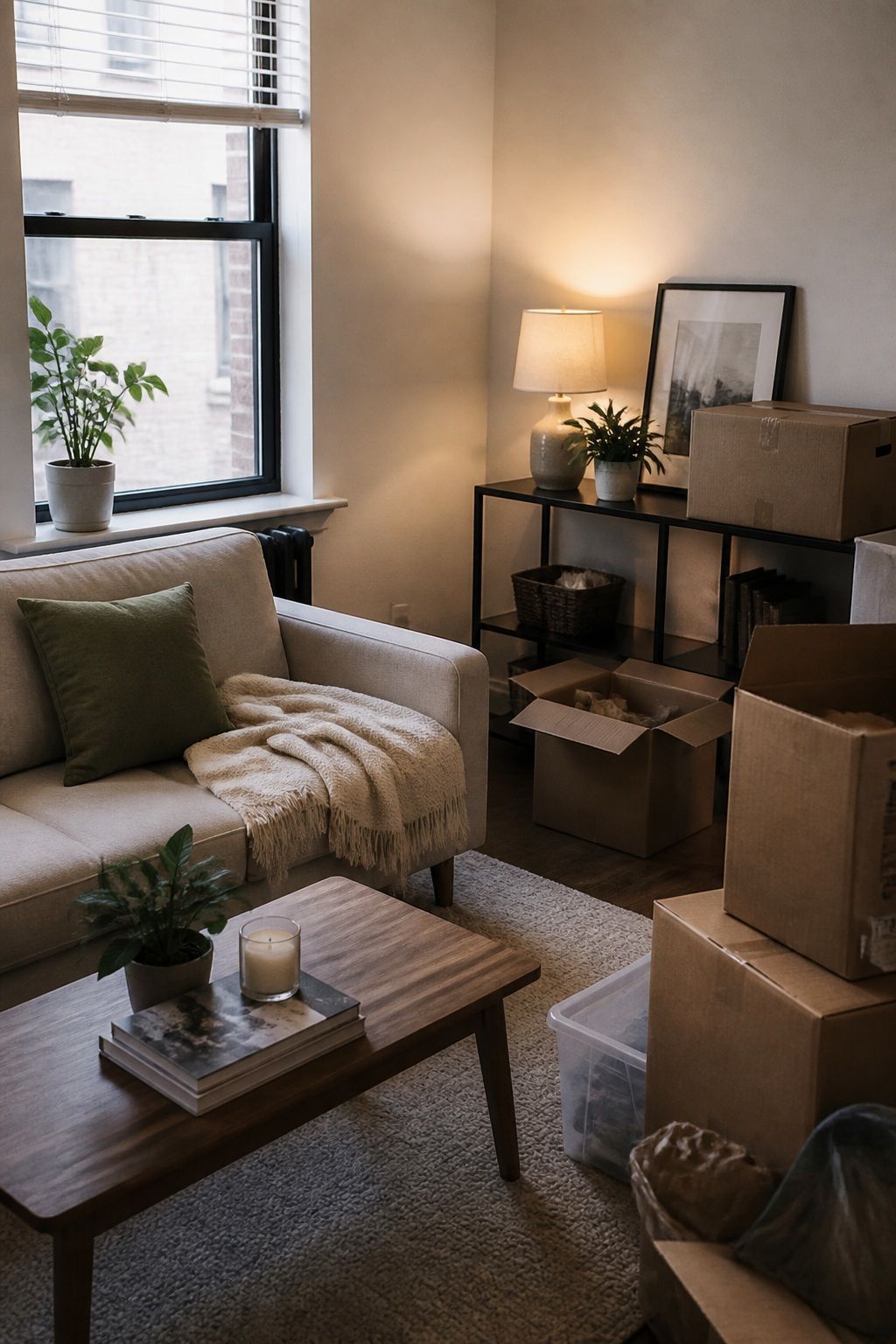


Stock the Day-One Survival Kits
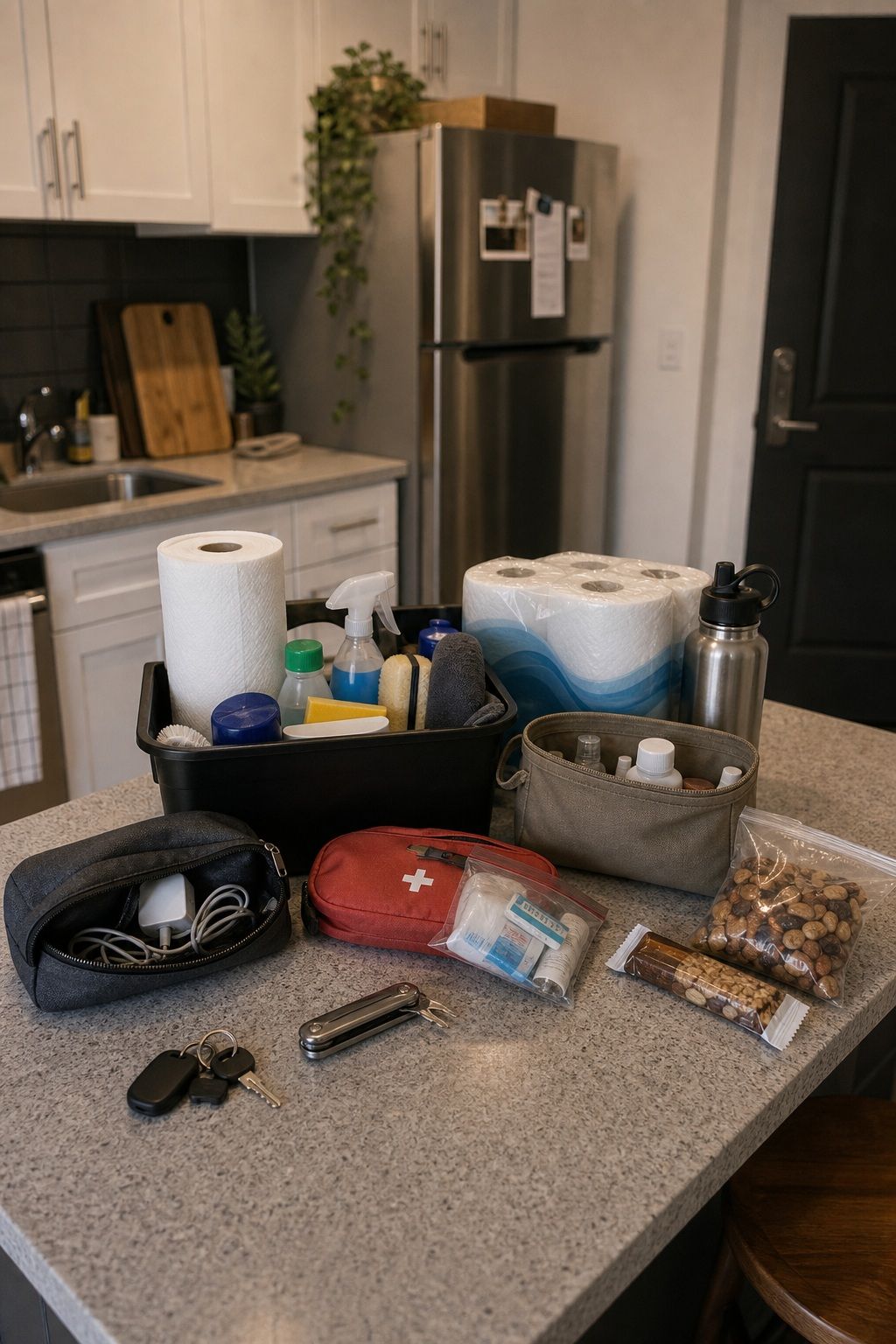
In the first week, build three small kits that a first apartment cannot function without. A basic tool kit, a hammer, screwdrivers, a tape measure, picture hooks, for assembling furniture and hanging things. A first-aid kit, because you will not want to run to a store mid-injury. And cleaning basics, an all-purpose spray, paper towels, a sponge, dish soap, a trash bag supply.
These are not exciting purchases, which is exactly why first-time movers skip them and then need them at the worst moment. Stock all three in the first few days. They are the infrastructure of a working apartment, the stuff you do not think about until a screw is loose, a finger is cut, or something spills.
Read more: Top 17 Autumn Balcony Decor Ideas for When Space Is Tight
Set Up a Real Budget for Living on Your Own

Once you are in, the financial focus shifts from the move to the month. Build a real monthly budget for your actual costs: rent, every utility, internet, groceries, transportation, minimum debt payments, and a line for savings so the cushion you built does not just slowly drain.
Living on your own means costs you may never have tracked, the electric bill, the cost of feeding yourself entirely, renters insurance, all land on you now. A budget is how you stay ahead of them instead of being surprised each month. This is the habit that turns moving out from a financially stressful leap into a sustainable life, and it is worth setting up in the first month while the numbers are fresh.
Make It Feel Like Yours, Gradually
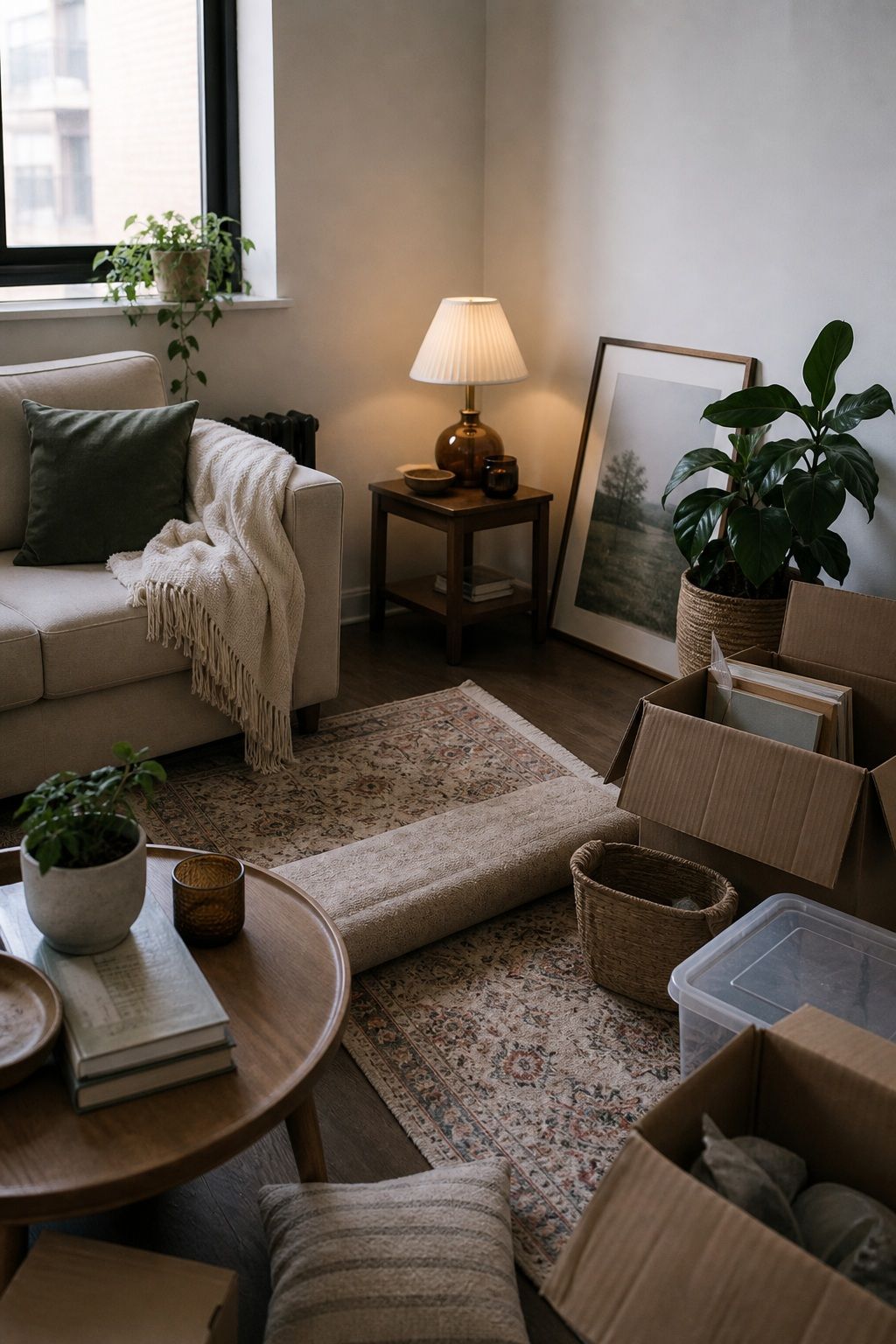
The last phase is the fun one, and the reason you did all the rest. Once the apartment is functional, start making it actually feel like home, but do it gradually and within the budget you just built. You do not need to furnish and decorate everything in week one.
Live in the space a little first, learn how the light falls, where you actually sit, what the apartment needs. Then add furniture, decor, and the personal touches over time, ideally renter-friendly ones that come with you to the next place. Plenty of rental small apartment hacks make a first apartment feel like yours without risking the deposit. Moving out is a beginning, not a deadline, and the home part is allowed to take its time.
Read more: Top 17 Housewarming Gift Ideas for Men He Will Actually Use
Want living on your own to feel steady, not stressful, every single month?
The Ultimate Financial Planner gives you a simple system for budgeting rent, utilities, and everyday costs once you are on your own, so the money side stays calm. It is currently just $4.99 before the price goes up to $19.99.
Frequently Asked Questions
How much money should I save before moving out?
Before moving out, save 3 to 6 months of essential expenses, rent, utilities, food, transportation, minimum debt payments, on top of your upfront move-in costs. For an average one-bedroom, the upfront cost is roughly $3,000, first month’s rent plus a security deposit of about one month, before furniture and supplies.
What do I need to do before moving out for the first time?
Before moving out, confirm your finances and read the lease fully, then about two to four weeks ahead set up utilities and internet and arrange the move itself. The week before, declutter, pack and label boxes by room, and build a 24 to 48 hour essentials box you keep with you.
What is the first thing to do when moving out?
On move-in day, before unpacking, do a documented walk-through, photos and videos of every existing flaw to protect your deposit, then test every smoke and carbon monoxide detector. After that, locate the breaker and water shut-off, then get your essentials box unpacked and one room functional.
How do I prepare to move out for the first time?
Prepare by treating it as phases working backward from move day: save and read the lease first, handle utilities, internet, and the move two to four weeks out, declutter and pack the week before, and plan the first 48 hours with an essentials box. Phasing it is what removes the overwhelm.
How long does it take to set up a first apartment?
Plan for the first room and essentials to be functional on day one, the apartment to feel livable within the first week once you have stocked the tool, first-aid, and cleaning kits, and the furnishing and decorating to happen gradually over the following weeks and months, within your monthly budget. There is no need to finish it all at once.
Key Takeaways
- Treat moving out as five phases working backward from move day, that sequencing is what removes the overwhelm.
- Before you sign: save 3 to 6 months of essential expenses plus roughly $3,000 upfront for an average one-bedroom, and read the lease fully.
- Two to four weeks out: set up utilities, schedule internet early (it has the longest lead time), and book the move.
- The week before: declutter first, then pack and label every box by room, and build a 24 to 48 hour essentials box you keep with you.
- Move day: document the apartment’s condition, test smoke and CO detectors first, then get one room functional, the rest can wait.
Final Thoughts
Moving out for the first time only feels impossible when it is one giant undifferentiated list. Break it into phases, save and read the lease, handle logistics two to four weeks out, pack the week before, plan the first 48 hours, settle in gradually, and each phase is just a handful of doable steps in a sensible order. The money side is the part that scares people most, so get the cushion saved and the budget built, and the rest follows. Start with the upfront-cost math, because everything else depends on knowing the real number. Your first place is a beginning, give yourself the room to do it right.
Last update on 2026-09-18 / Affiliate links / Images from Amazon Product Advertising API
