
Quick answer: Simple front yard landscaping starts with defined flower beds, a fresh layer of mulch, and a few low-maintenance plants like ornamental grasses or perennials. You can transform a bland front yard for under $300 by focusing on clean edges, one focal point plant, and consistent ground cover rather than trying to fill every inch with flowers.
Your front yard says something before you ever open the door. It might be whispering “I have my life together” with neat beds and a tidy walkway, or it might be shouting “I gave up sometime last year” with patchy grass and a single sad shrub. Simple front yard landscaping does not have to mean expensive or complicated. Most of the yards that stop you in your tracks follow a pretty short list of principles, and once you know them, you will see them everywhere.
This post is for the person who wants their front yard to look good but does not want to spend every weekend maintaining it. No expensive contractors. No exotic plants that die the second you forget to water. Just practical ideas that hold up over time and actually look like something you did on purpose.
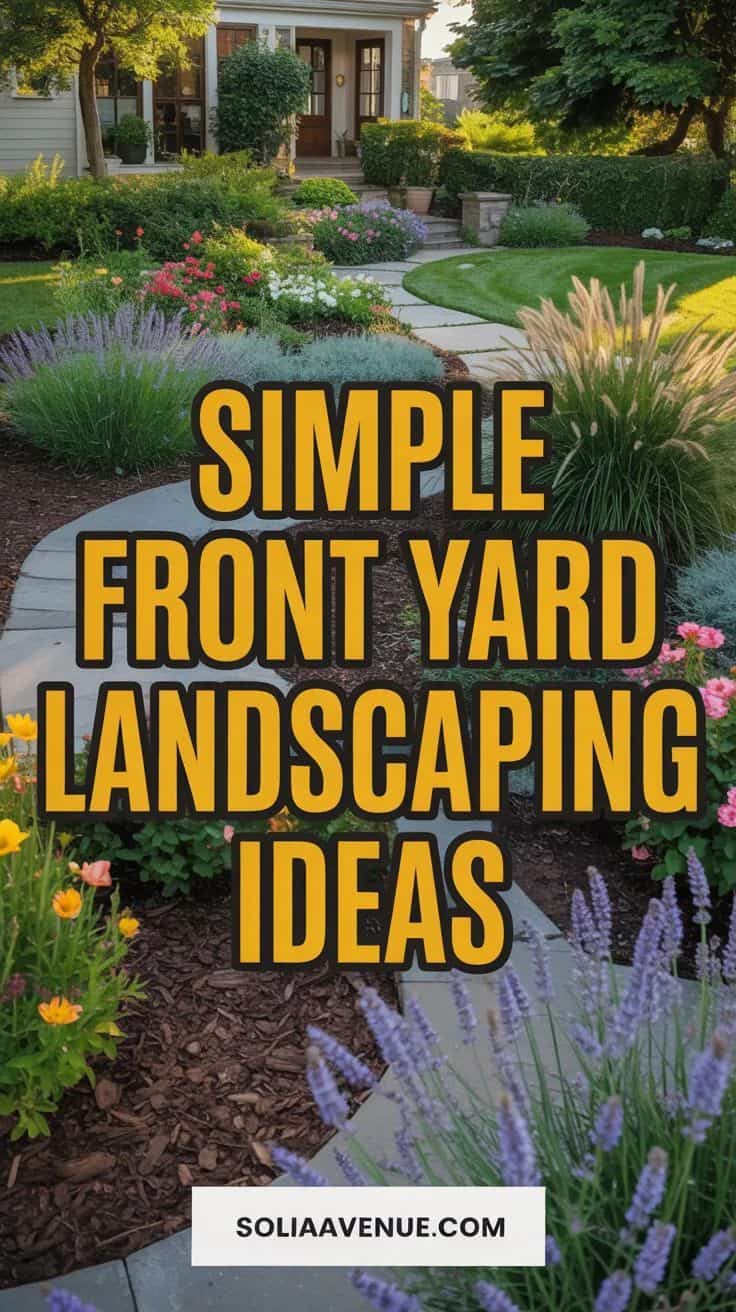
What Actually Makes a Front Yard Look Good?


Before you spend a dollar on plants or supplies, it helps to understand why some front yards look polished and others feel like an afterthought. It is rarely about how many plants you have. It is about cohesion and definition.
A few things that separate a great-looking yard from a messy one:
- Defined edges. Beds with clear borders instantly look more intentional. It does not matter if you use $10 worth of plastic edging or carefully laid stone. The edge is what the eye notices first.
- One focal point. Every good front yard has something that anchors the design. A statement ornamental grass, a flowering shrub near the front door, a single Japanese maple. One thing, done well, carries the whole yard.
- Consistent ground cover. Whether it is mulch, gravel, or a ground cover plant, filling in bare soil under your plants makes everything look finished. Bare soil reads as neglected. Mulch reads as intentional.
- Scale awareness. A tiny house with towering arborvitae looks off. Match your plants to the size of your home. Scale makes everything feel balanced, even if you cannot explain exactly why.
Get these four things right and your front yard will look good regardless of how many plants you actually have. This is the foundation that everything else builds on. If you are also thinking about what to do at the entrance itself, this guide to small front porch ideas pairs nicely with what we are covering here.
Cheap Front Yard Landscaping Ideas That Look Intentional


Good landscaping does not require a big budget. It requires good decisions. Here are the upgrades that give you the most visible change per dollar spent.
Refresh Your Mulch
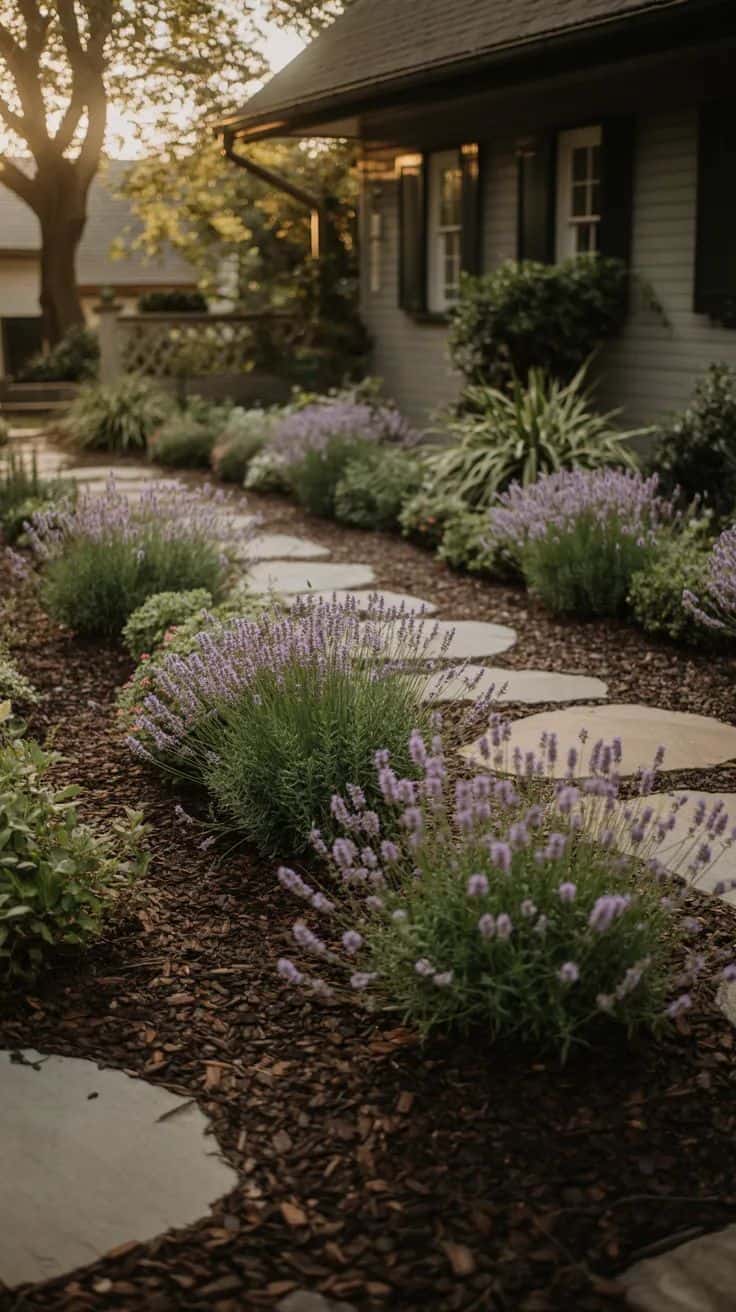
A fresh layer of dark brown or black mulch is one of the fastest transformations you can make to a front yard. Bags run $5 to $8 at most hardware stores, and a single afternoon can cover a typical front bed completely. Mulch does three things at once: it suppresses weeds, retains soil moisture, and makes all your existing plants look more intentional by giving them a clean, uniform backdrop.
Go 2 to 3 inches deep. Do not pile it against plant stems or tree trunks since that causes rot. For most standard front beds, budget about $40 to $80 worth of mulch and you will be surprised at how much it changes the feel of the whole yard.
Install Bed Edging
Clean edges are the secret weapon of simple front yard landscaping. Flexible black plastic edging costs about $15 for a 20-foot roll. Metal edging holds up better over years and runs $20 to $40 for the same length. Both work well. Just having that clear line between lawn and flower bed changes the entire feel of a yard. If you already have beds, re-cutting the edges with a spade twice a year makes an enormous difference. That crisp line signals that someone is paying attention here.
Plant in Groups, Not Singles
A single plant sitting alone in a bed looks like an afterthought. Three of the same plant grouped together looks like a design decision. This is one of the oldest principles in landscaping, and it costs the same as buying individual plants while looking dramatically better. Instead of buying one each of five different plants, buy three or five of two different types. The repetition creates rhythm, and rhythm is what makes a yard feel designed rather than random.
Low-Maintenance Plants That Won’t Let You Down


The wrong plants will frustrate you. They will need constant watering, die in your climate zone, or get leggy and shapeless within a season. These picks are reliable, widely available, and genuinely do not demand much once they settle in.
Ornamental Grasses
Karl Foerster feather reed grass is probably the most recommended low-maintenance plant for front yards, and for good reason. It grows in a tight upright column, reaches about 4 to 5 feet tall, and provides real visual interest from spring through winter when its plumes catch the light. Blue fescue is a smaller option at about 12 inches that works beautifully as a border plant or mass planting. Both are drought-tolerant once established and require almost no maintenance beyond cutting back once a year in late winter. Prices run $12 to $25 per plant at most garden centers.
Lavender
Lavender is having a major moment in home landscaping right now, and it deserves it. English lavender, specifically the Hidcote and Munstead varieties, grows into tidy mounds of silver-green foliage with purple flower spikes in summer. It handles drought well, smells incredible near a front walkway, and has a refined look that suits most home styles. One thing to know: lavender absolutely needs well-drained soil. Clay soil that holds water will kill it. Plant on a slight slope or amend your soil with grit and compost before planting. Hardy in zones 5 through 8.
Black-Eyed Susans
Black-eyed Susans, the botanical name is Rudbeckia, are perennials that come back year after year with almost no effort. They bloom bright yellow through summer and into fall, attract pollinators, tolerate drought and poor soil, and spread slowly to fill in bare spots over time. They are native to most of North America, which means they are adapted to local conditions without needing extra fertilizing or extra anything. A flat of six plants runs about $20 to $30. Mass plant them in groups of five or more and they look genuinely impressive.
Creeping Thyme as Ground Cover
If you want to reduce or eliminate grass in parts of your front yard, creeping thyme is one of the best alternatives available. It stays low at 2 to 4 inches tall, tolerates foot traffic, blooms with tiny pink-purple flowers in summer, and releases a light herbal scent when walked on. It is also deer-resistant and handles drought far better than traditional lawn grass. Plant it between stepping stones, along borders, or anywhere you want soft green coverage without weekly mowing. Plugs run about $4 to $6 each.
Simple Hardscaping Ideas That Change the Whole Feel
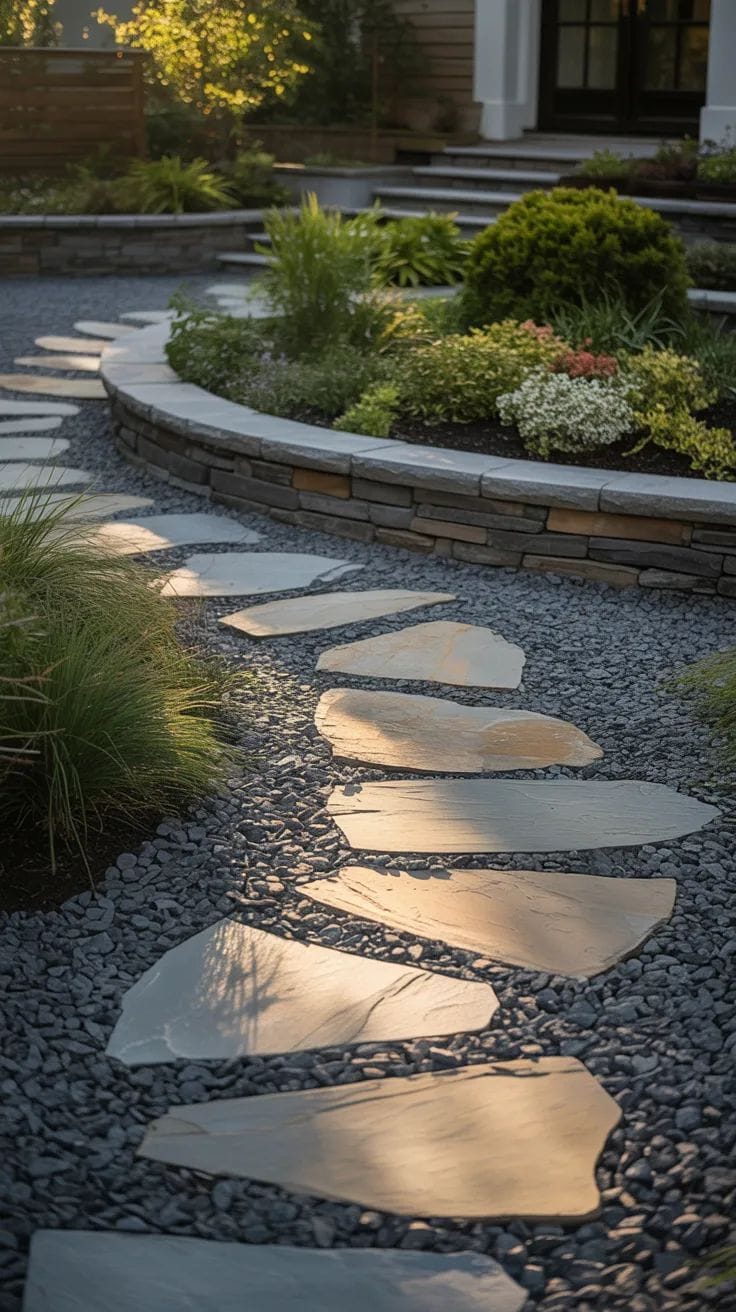


Hardscaping is anything in your yard that is not a plant: paths, rocks, pavers, gravel, edging. It gets overlooked in favor of plants, but hardscaping does a lot of heavy lifting in making a yard look finished and cohesive. It also requires zero watering and almost no maintenance.
A Simple Stepping Stone Path
Adding a path from your driveway or sidewalk to your front door frames the entry and creates structure. Large concrete or natural stone stepping stones run about $5 to $15 each, and you only need 8 to 12 for a typical front walk. Set them in the ground so the tops sit flush with the soil, fill between them with creeping thyme or gravel, and you have created something that looks expensive and professional for well under $100. The path draws the eye toward your front door, which is exactly what good curb appeal does.
Gravel and River Rock Areas
Replacing a struggling patch of lawn with decomposed granite or river rock is popular in drier climates and catching on everywhere because it is genuinely low-maintenance. The key to making gravel look intentional rather than just lazy: install weed barrier fabric underneath first, use a consistent color and size of stone throughout the area, and edge it cleanly with metal or stone borders. River rock in warm neutral tones works with most home exteriors. Buying in bulk from a garden supply store is much more cost-effective than bags from a hardware store for areas larger than about 50 square feet.
Raised Stone Borders
Stacking a low wall of fieldstone or landscaping blocks around a planting bed adds height variation and a sense of real structure. You do not need mortar for walls under 18 inches tall. Dry-stacked stone works fine and actually looks more natural. This is especially useful if you have a sloped front yard where you need to create level planting areas. Landscaping blocks from a hardware store run about $2 to $4 each, and a simple single-course border around a medium bed might run $30 to $60 in materials total.
How to Plan Your Front Yard Landscaping From Scratch


If you are starting with nothing or redoing a neglected yard, a little planning before you start spending money saves a lot of headache. You do not need design software or a professional consultation. A piece of graph paper and 20 minutes of honest assessment works fine.
Measure and Sketch First
Walk your front yard with a tape measure and note the width, where your walkway sits, where your house is in relation to the sidewalk, and any existing features you plan to keep. Sketch it roughly on graph paper at a simple scale like one square equals one foot. This one step prevents the most common landscaping mistake, which is buying plants without knowing how much space you actually have and either running out of material or overcrowding everything.
Start Small and Expand
The front bed directly against your house foundation is the most impactful area to start with. People see it up close when approaching your door. Get that area looking intentional first, then expand outward toward the street over time. Trying to redo the entire yard at once is how projects get abandoned halfway through. One well-executed bed looks better than an entire yard that is 60% finished and 40% bare dirt.
Consider Sun and Soil Before You Buy
Most plant failures happen because people buy what looks pretty at the nursery rather than what matches their actual conditions. Note how much direct sun your front yard gets each day. Full sun means 6 or more hours. Part shade means 3 to 6 hours and suits hostas, astilbes, and ferns particularly well. The wrong plant in the wrong light will struggle no matter how carefully you water and fertilize it. Checking your soil drainage with a simple percolation test, pour a bucket of water in a hole and see how fast it drains, tells you whether you need to amend before planting.
Seasonal Tips to Keep Your Front Yard Looking Fresh All Year


The biggest mistake in front yard design is planning for June and forgetting about October. Thinking seasonally changes everything.
A simple approach that actually works: plan for three moments of visual interest across the year. Spring bulbs like daffodils and tulips can be planted under perennials in fall so they emerge before anything else wakes up. Summer is when most perennials and annuals peak. For fall and winter, ornamental grasses hold their structure and feathery plumes beautifully even after frost. Small evergreen shrubs like boxwood or dwarf holly give you green even in January.
Two maintenance habits that make the most visible difference: deadheading spent flowers during the growing season encourages reblooming and keeps beds looking tidy, and cutting back perennials in late winter before new growth starts makes everything look intentional rather than abandoned. Both take maybe an hour total per season. For the entry itself during colder months, a seasonal container near your front door with evergreen branches, red-twig dogwood stems, and ornamental cabbage costs $20 to $40 and does a lot of work for that curb appeal. This post on winter front door decor has more ideas for keeping the entry looking good in the colder months, and for the full porch area, this guide to winter porch decor is worth a look too.
Key Takeaways
- Simple front yard landscaping is about clean edges, consistent ground cover, and a few reliable plants rather than complicated design.
- Fresh mulch, defined bed edging, and grouped plants give you the most visual impact per dollar spent.
- Ornamental grasses, lavender, black-eyed Susans, and creeping thyme are all reliable low-maintenance choices that look great.
- Hardscaping elements like stepping stone paths and gravel areas require almost no maintenance and add real structure.
- Start with the foundation bed closest to your house, get it looking great, then expand outward over time.
- Plan for at least three seasonal moments of interest so your yard looks good in spring, summer, and fall or winter.
Wrapping It Up
Simple front yard landscaping is about editing as much as adding. The yards that look the best usually have restraint built in: consistent materials, repeated plant choices, and clean lines. You do not need many plants or a large budget. You need a few good decisions made consistently.
Pick one area to start. Get the edges clean, lay down fresh mulch, and plant something reliable in a group of three or five. Take a photo so you can see the difference. Then do the next area. That is genuinely how most polished-looking homes got that way, one season at a time rather than one big expensive overhaul.
Frequently Asked Questions
What is the easiest landscaping for a front yard?
The easiest front yard landscaping combines mulched beds with defined edges and low-maintenance perennials like ornamental grasses, black-eyed Susans, or lavender. These plants need almost no care once established. Add a fresh layer of mulch each spring, cut back in late winter, and your yard stays looking good with minimal effort throughout the year.
How do I redo my front yard for under $300?
Allocate roughly $40 to $60 on mulch, $15 to $20 on edging, and $100 to $150 on plants bought in groups of three or five of two to three different varieties. Use any remaining budget for gravel or a simple stepping stone path. This setup can completely transform a typical front bed. Buying plants in early spring or fall when garden centers run sales stretches the budget further.
What plants are best for a low-maintenance front yard?
The most reliable picks are Karl Foerster ornamental grass, Blue Fescue, English lavender, black-eyed Susans, daylilies, and hostas for shadier spots. All are perennials, meaning they come back every year without replanting. Pairing them with 2 to 3 inches of mulch and a weed barrier in gravel areas cuts down on maintenance dramatically.
How do I make my front yard look nice without grass?
Replace grass with gravel, decomposed granite, or a ground cover plant like creeping thyme or clover. Always install weed barrier fabric underneath gravel. Frame the area with defined edging, add a few structural plants like ornamental grasses or small shrubs, and include a stepping stone path to maintain easy access. This approach genuinely requires less maintenance than lawn grass once it is established.
Do I need to hire a pro for a simple front yard makeover?
No. A simple front yard makeover covering mulching, edging, and planting is entirely DIY-friendly with no special equipment required. You need basic tools: a spade or edger, a garden rake, and gloves. The tasks that genuinely benefit from professional help are large tree removal, sprinkler installation, and major grading or drainage work. Planting and mulching are completely manageable for any homeowner over a weekend.
Last update on 2026-03-22 / Affiliate links / Images from Amazon Product Advertising API
