

Quick Answer: Zen porch decor turns an outdoor space into a calm retreat. Build it on natural materials like teak and bamboo, an earthy palette of beige, gray, and muted green, and clean, balanced furniture arrangements. Add river stones, a small water feature, and a few plants, and keep it simple, the calm comes from restraint and space, not from filling the porch.
What if your porch felt less like an entrance and more like an exhale? A zen porch is built for exactly that, a calm outdoor retreat where you can sit with a cup of tea, listen to the quiet, and feel the day slow down before you even step back inside.
Creating one is mostly an exercise in restraint. A zen porch prioritizes simplicity, natural texture, and balance, a few good materials, a calm palette, and plenty of space to breathe. The 17 ideas below build that peaceful retreat step by step, and the same principles carry indoors to a zen fireplace mantel and the rest of a calm home.

Recommended Zen Porch Decor Products


Read this also:
- Zen Garden Home Decor
- Zen Home Entrance Decor
- Zen Chic Home Decor Ideas
- Living Room Zen Home Decor
- Japanese Zen Home Decor
A zen porch comes together through a clear approach: natural materials, a calm palette, balanced and uncluttered furniture, and a few grounding elements like stone, water, and greenery. These 17 ideas move through that build so the porch becomes a genuine outdoor retreat.
1. Choose Natural, Weather-Resistant Materials
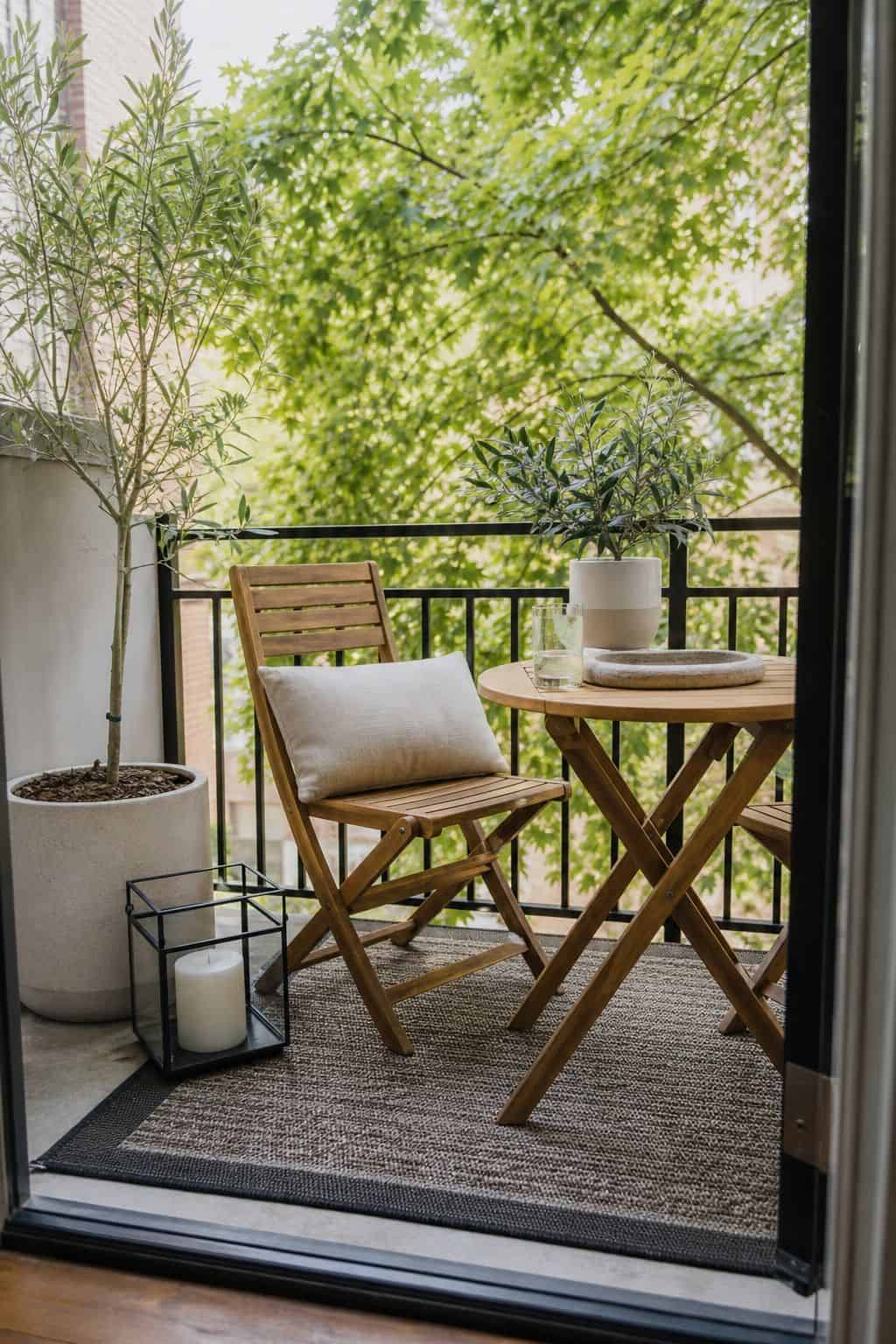


A zen porch begins with the right materials, natural ones that age gracefully outdoors. Teak and bamboo are durable, weather-resistant, and align beautifully with the organic aesthetic of a zen space.
Concrete and stone create grounding, solid surfaces underfoot, and any fabrics should be natural fibers like cotton or linen in subtle patterns or solid colors. Choosing natural materials over plastic and synthetics is the foundation of the zen look, they connect the porch to nature and they only grow more beautiful with weathering, which suits the calm, timeless feel.
2. Keep an Earthy, Cohesive Color Palette
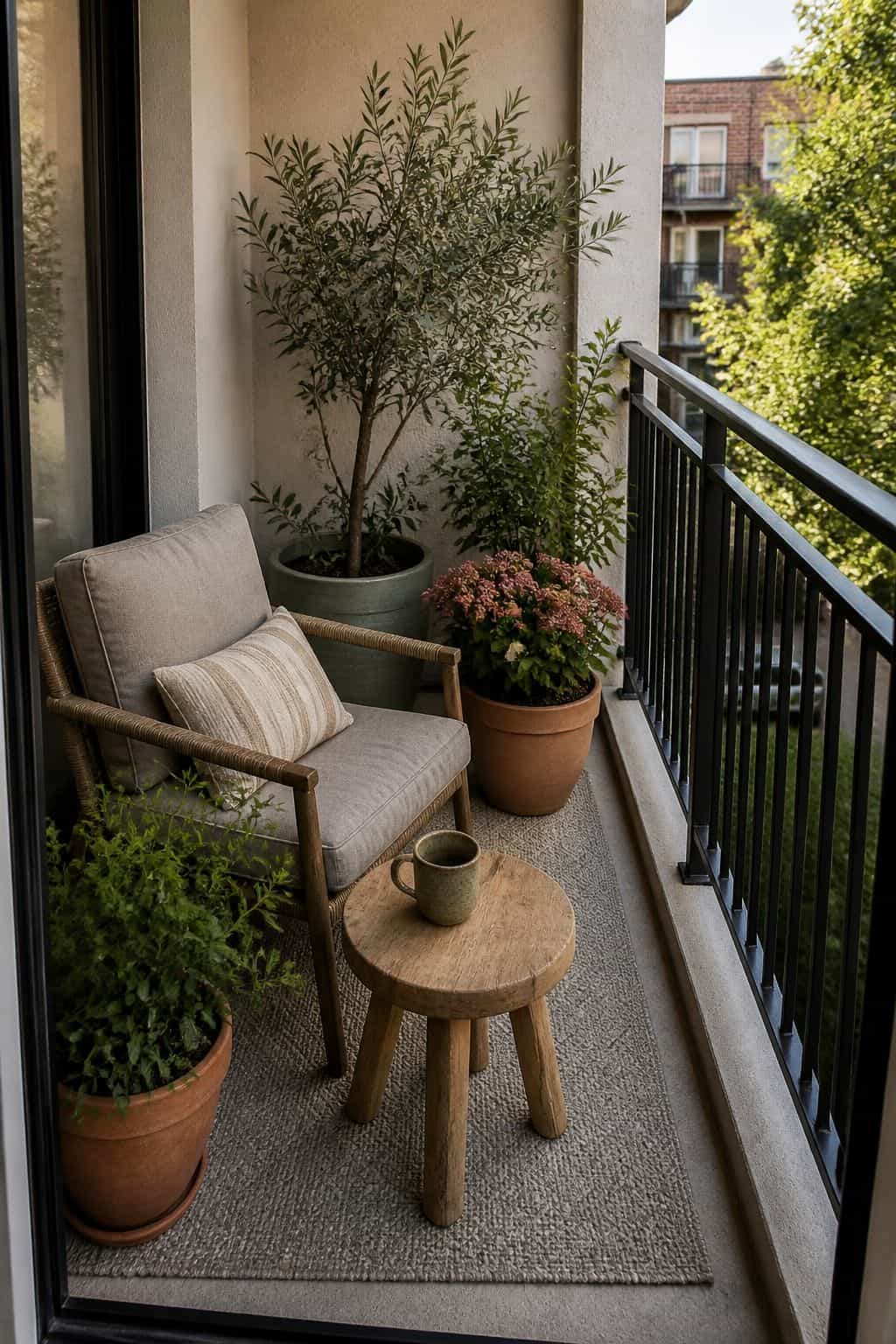
Color sets the calm of a zen porch before a single piece of furniture is placed. Stick to earthy tones, beige, gray, warm wood, and muted greens, to promote a soothing, grounded atmosphere.
Keeping the tones cohesive is what makes everything feel calm, warm wood paired with soft neutrals avoids visual clutter. If you mix materials, keep them within the same tone family for a smooth, unbroken look. A tight, earthy palette is the quiet backdrop that lets the natural textures and the few decorative pieces feel intentional rather than busy.
3. Arrange Furniture Symmetrically for Balance
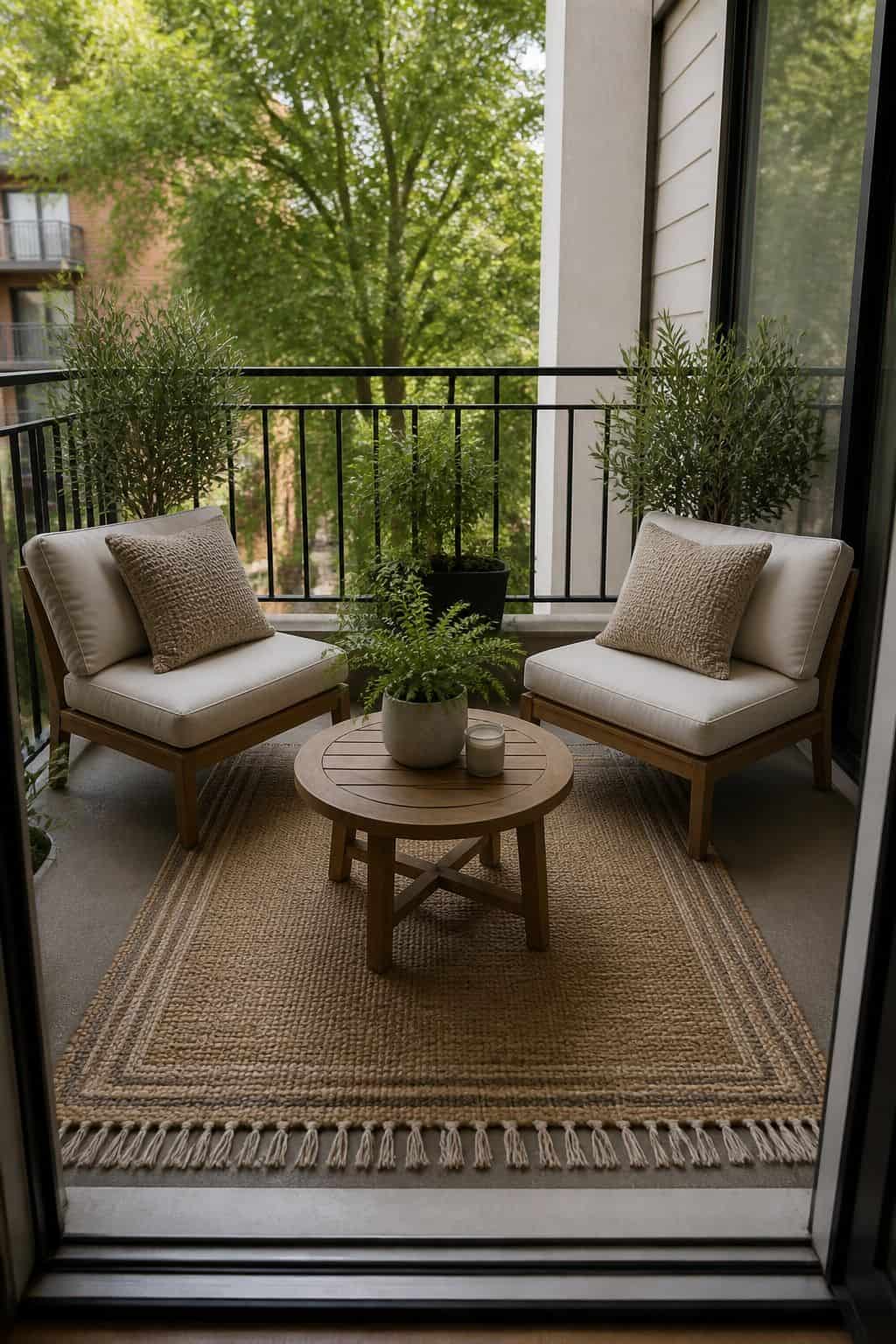
A zen space relies on a sense of order, and symmetry is the simplest way to create it. Arrange the porch furniture symmetrically, a pair of matching chairs flanking a small table, balanced seating around a central point, for visual balance and calm.
Symmetry feels settled and intentional, where a scattered, uneven layout feels restless. Make sure there is plenty of open space for movement around the furniture too. A balanced, uncrowded arrangement is what gives a zen porch its sense of order, and order is a large part of what makes a space feel peaceful to sit in.
4. Create a Calm Centerpiece or Focal Point
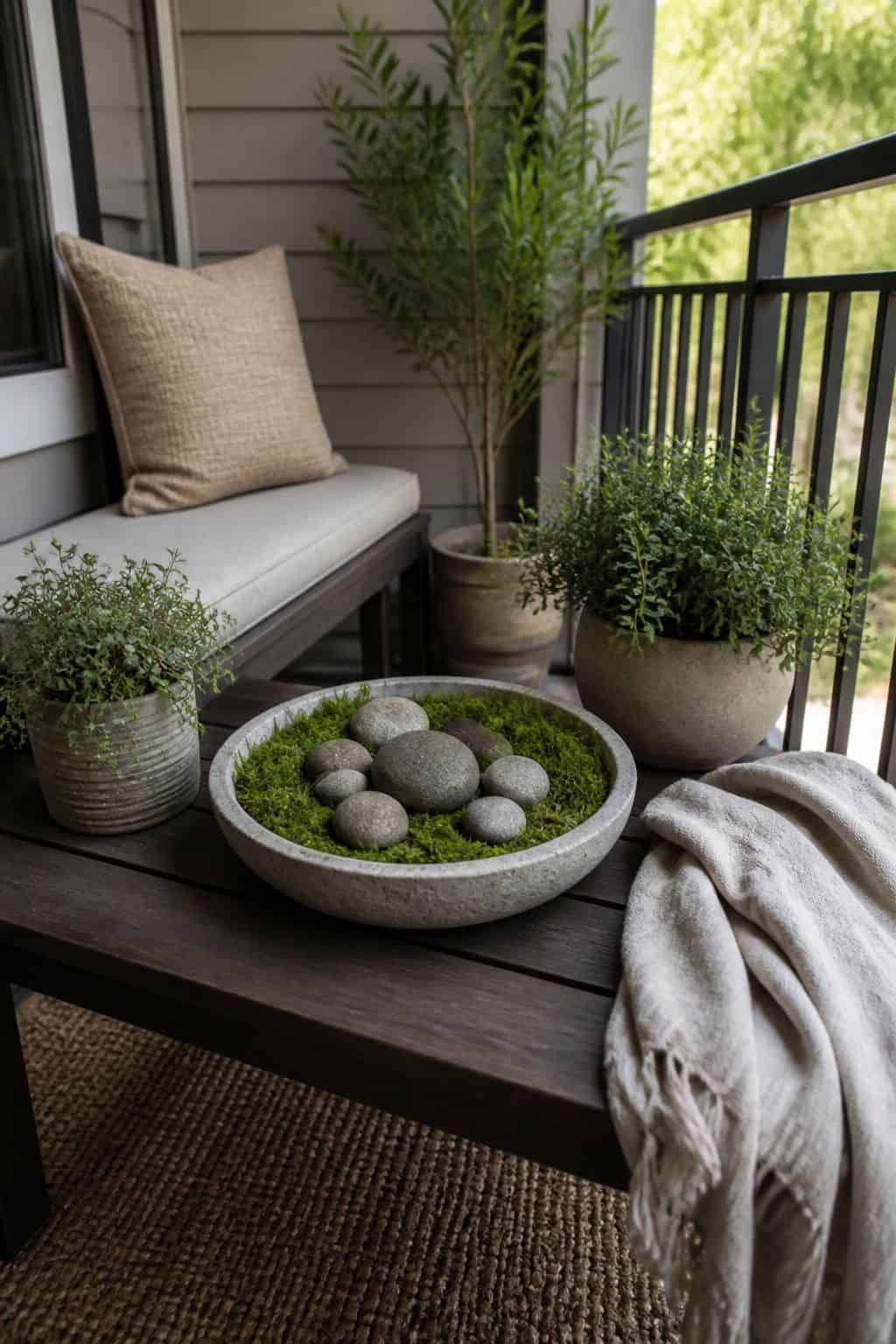
A zen porch benefits from one clear centerpiece that the space organizes itself around. A small water feature, a fire pit, or a carefully arranged seating area can each serve as the focal point.
The centerpiece gives the eye a place to settle and the porch a sense of purpose. Choose one, and let the rest of the styling support it quietly rather than competing. A single, well-chosen focal point is far more calming than several things vying for attention. The same anchor-and-support principle shapes a zen boho home decor scheme indoors.
5. Add a Small Water Feature

Sound shapes calm as much as anything you can see, and a small water feature brings a gentle, meditative trickle to a zen porch. A tabletop fountain, a simple bowl with a recirculating pump, or a small standing fountain all work.
The soft sound of moving water masks street noise and gives the porch a soothing, natural audio backdrop. Water is a classic element of zen design because it is naturally calming and adds gentle movement to a still space. Even a very small water feature changes how a porch feels, turning it from a quiet space into a genuinely restful one.
6. Use River Stones and Natural Ground Elements
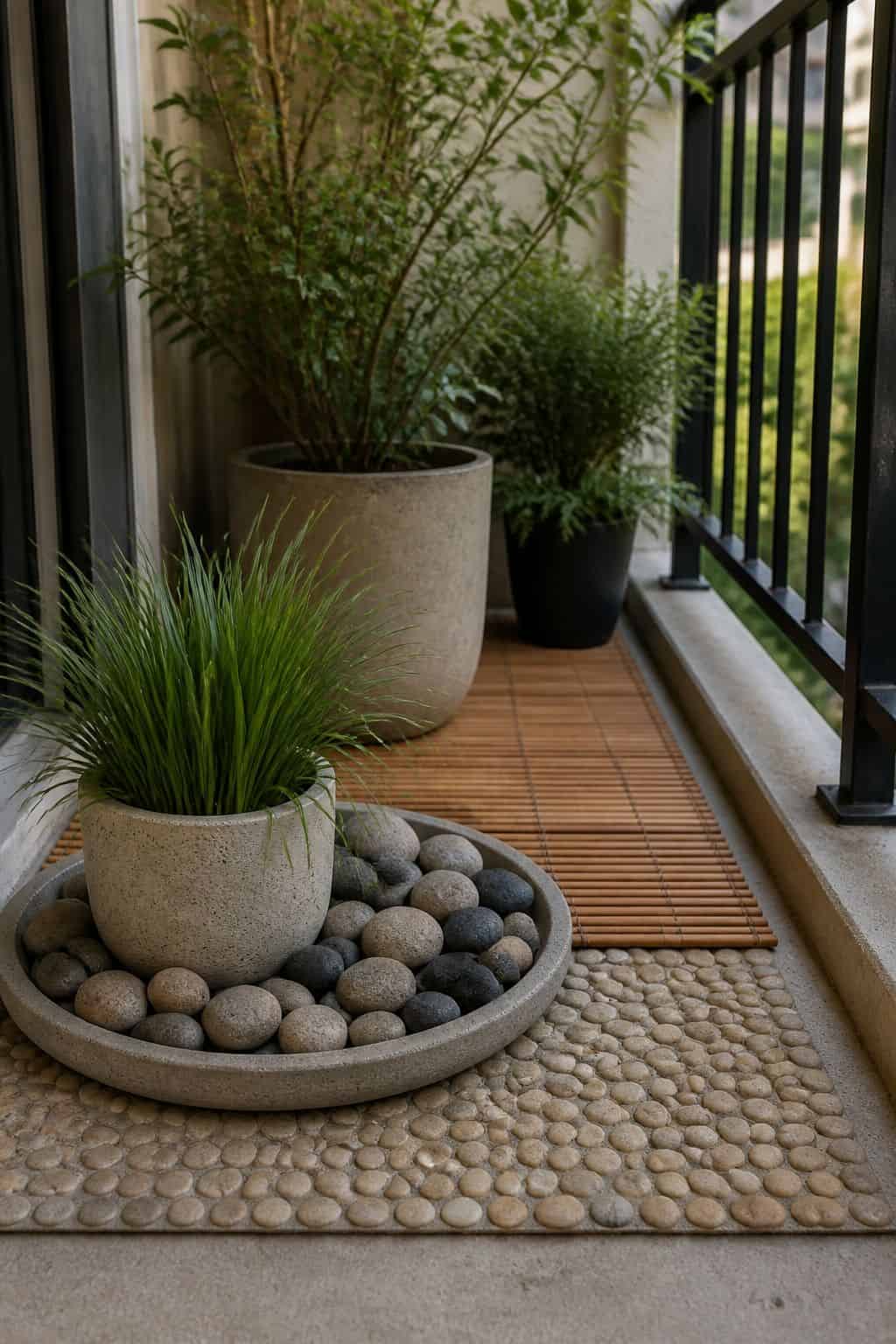
Smooth river stones are a signature zen element, and they translate beautifully to a porch. A shallow tray of raked sand, a grouping of smooth stones, or a stone border around a planter brings the grounding, meditative quality of a zen garden to the porch.
These natural ground elements add texture and a quiet connection to nature without color or clutter. A small stone arrangement can become its own little focal point, or simply a calming detail beside the seating. River stones are inexpensive, low-maintenance, and instantly signal the zen aesthetic, the calm of a Japanese garden in miniature.
7. Add Bamboo or Dwarf Conifers for Greenery
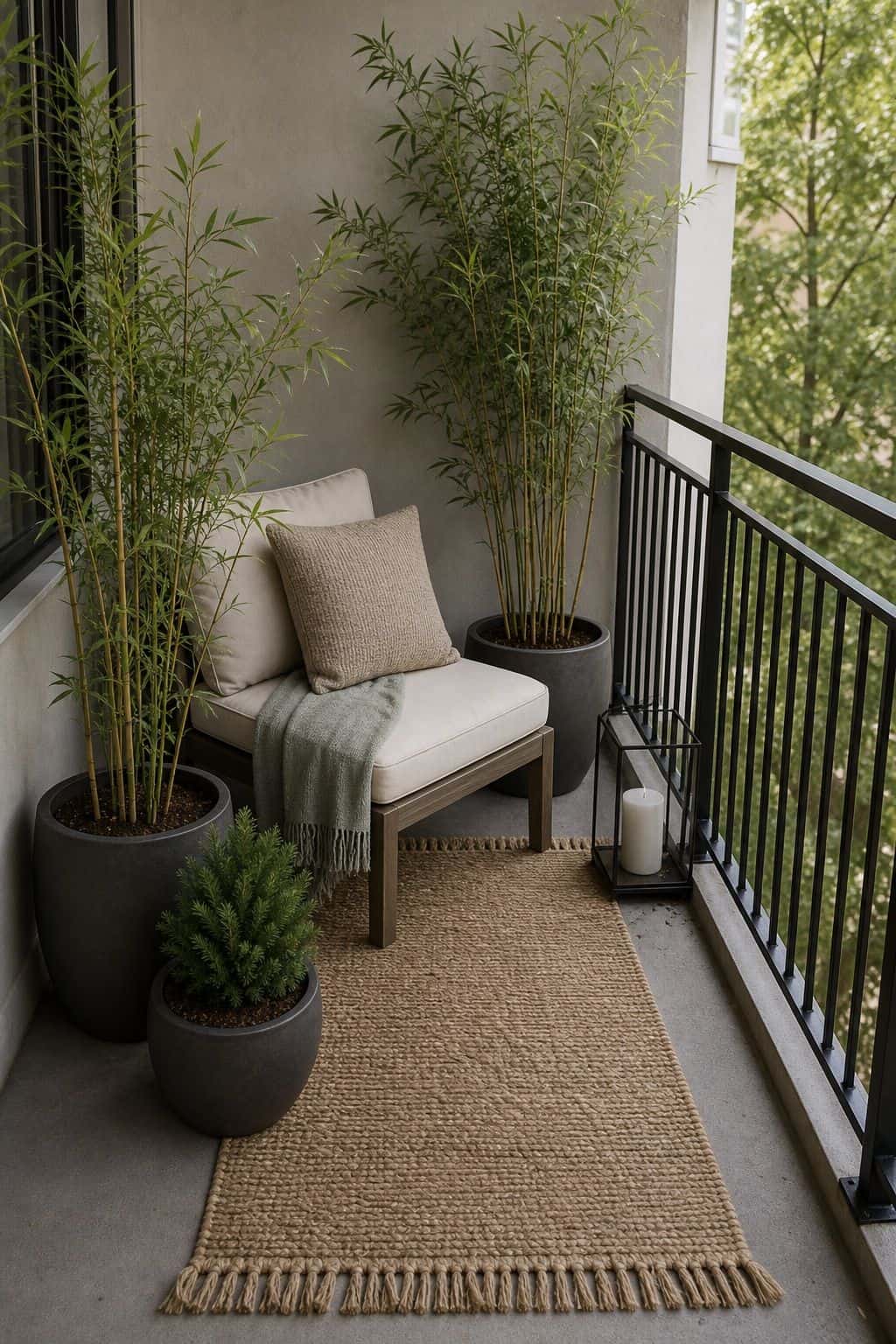
Greenery is essential to a zen porch, and the right plants reinforce the calm. Bamboo brings height, gentle movement, and a clear zen association, while dwarf conifers offer year-round structure and a quiet, sculptural form.
Place plants strategically rather than scattering many around, a few well-chosen specimens, not a crowded jungle. Simple planters in natural materials keep the focus on the plants themselves. Greenery connects the porch to the living world, and bamboo in particular, swaying softly in a breeze, adds the kind of gentle movement that makes an outdoor space feel serene.
8. Layer in Natural-Fiber Textiles
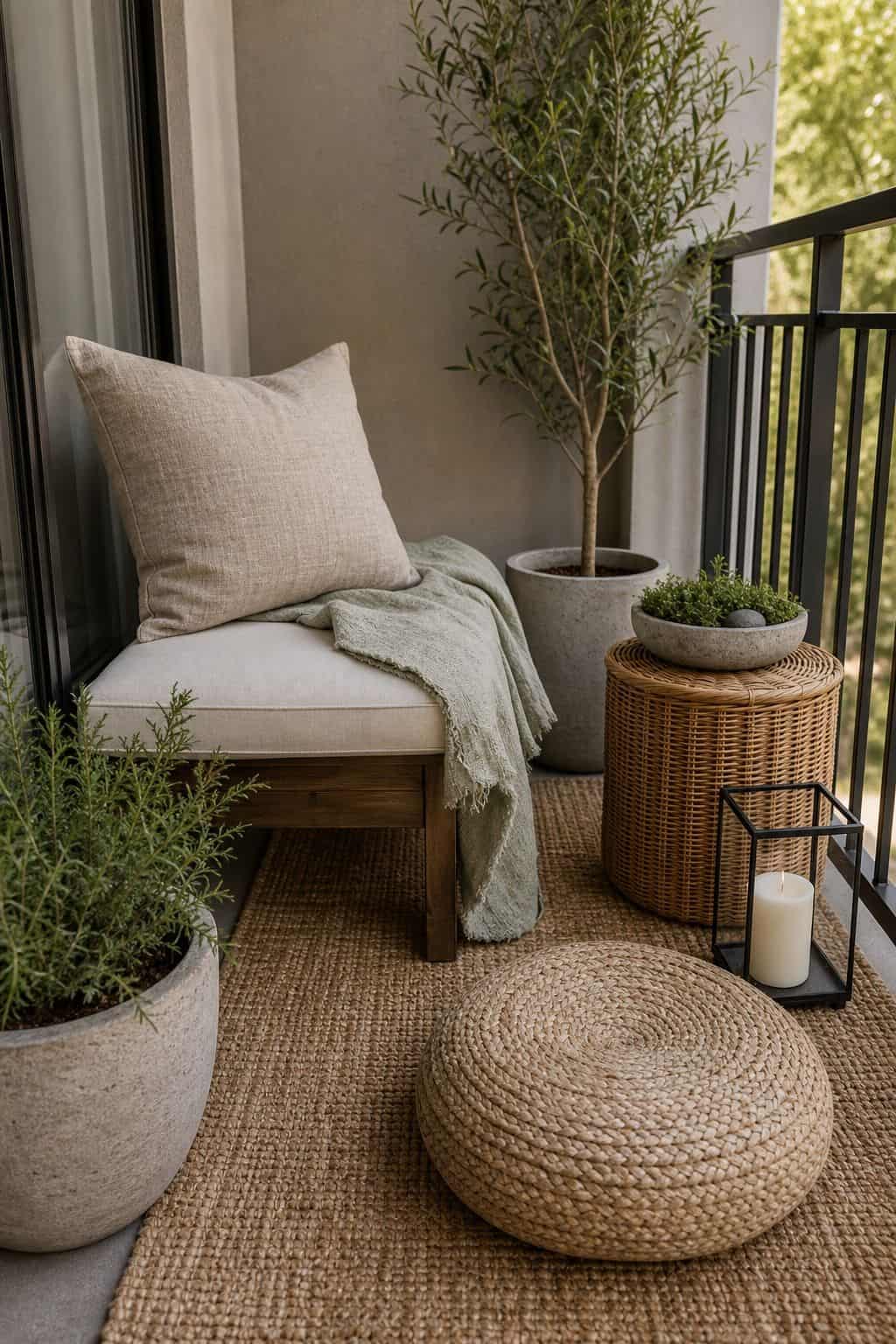


Soft textiles make a zen porch comfortable as well as calm. Cushions, throws, and a rug in natural fibers, cotton, linen, jute, in subtle patterns or solid earthy colors add comfort and tactile warmth.
Keep the textiles within the cohesive earthy palette so they reinforce the calm rather than introducing visual noise. Natural fibers feel better and look more organic than synthetics, and they suit the zen aesthetic. A few well-chosen textiles invite you to actually settle into the porch and stay, which is the whole point of building a calm outdoor retreat.
9. Keep Clean Lines and Simple Forms
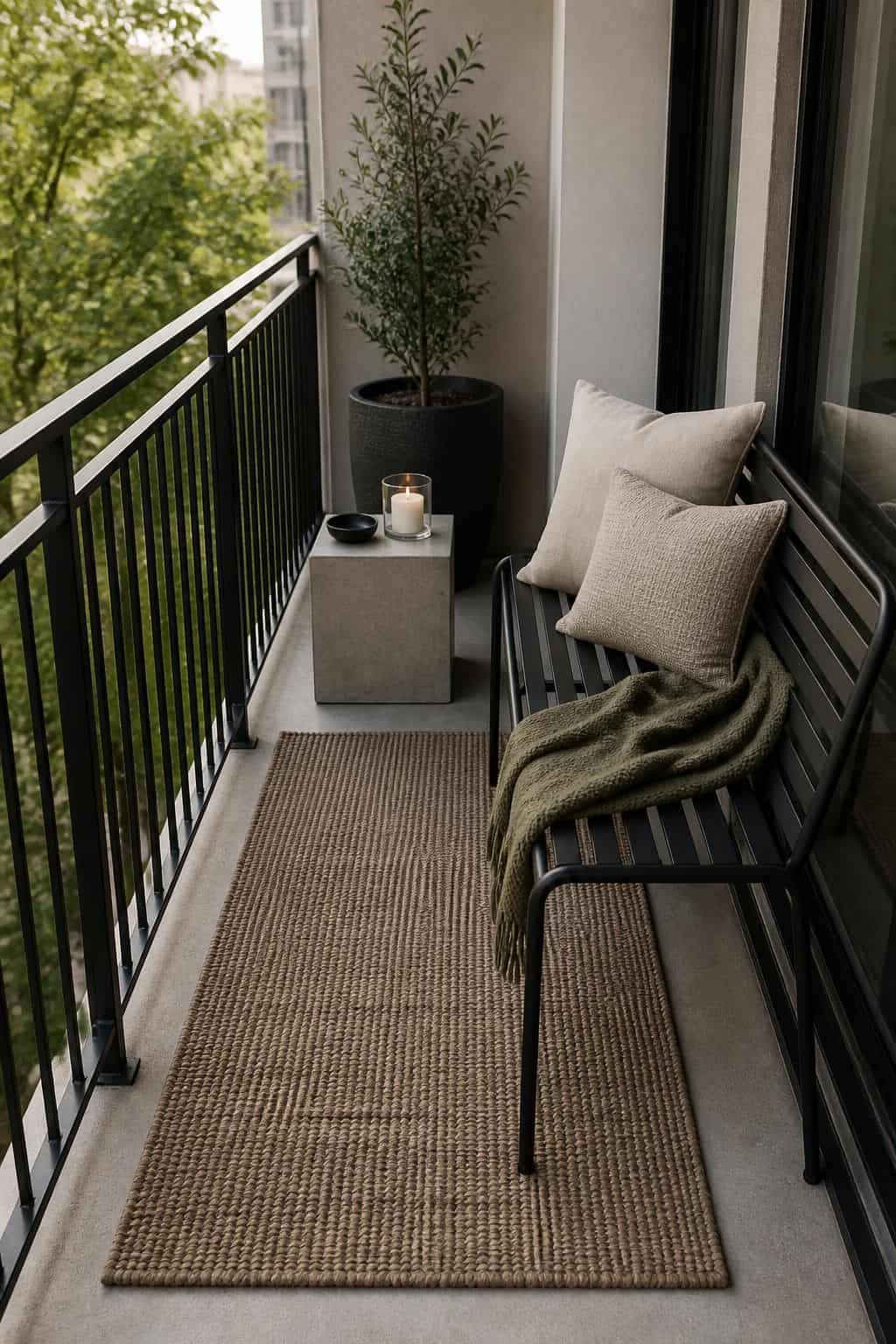
Zen design favors clean lines and simple, uncomplicated forms. Choose porch furniture and decor with calm, straightforward silhouettes, nothing fussy, ornate, or visually busy.
Clean-lined teak chairs, a simple bench, a plain stone planter all keep the porch visually quiet. Simple forms let the eye rest and reinforce the sense of order. Combined with natural materials and a soft palette, clean lines give a zen porch its uncluttered, serene look. The same calm, clean-lined approach runs through zen entryway decor just inside the door.
10. Add Soft, Warm Lighting
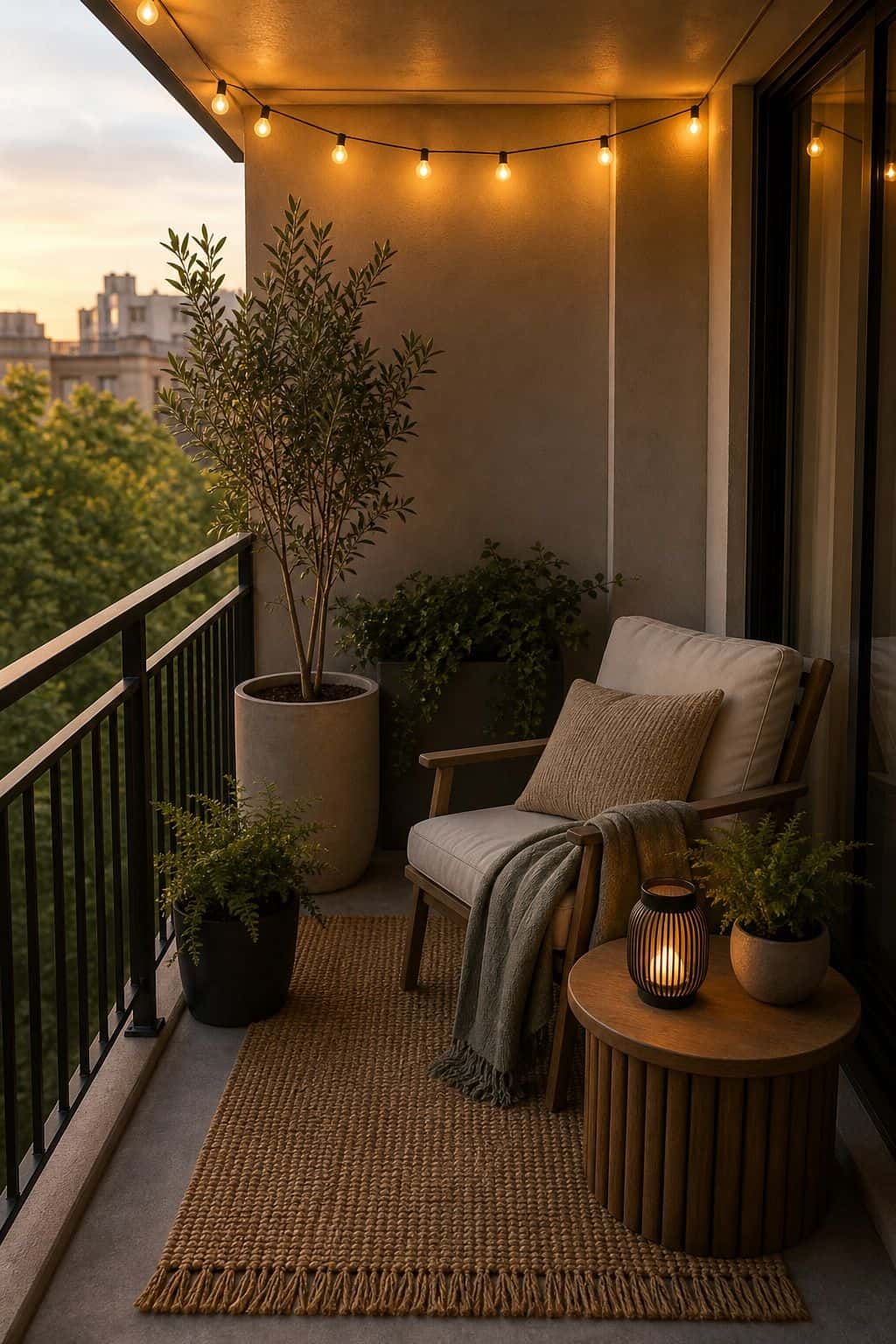


Lighting shapes how a porch feels in the evening, and a zen porch wants soft, warm light. Lanterns with flameless candles, a few warm-toned string lights, or a simple low lamp create a gentle glow rather than a harsh wash.
Warm light extends the calm of the porch into the evening and makes it a place to sit and unwind after dark. Avoid bright, cool-white floodlighting, which feels harsh and clinical. Lanterns in particular suit the zen aesthetic and can double as quiet decorative objects during the day. Soft, layered lighting is what makes a zen porch restful around the clock.
11. Build in a Comfortable Place to Sit Quietly
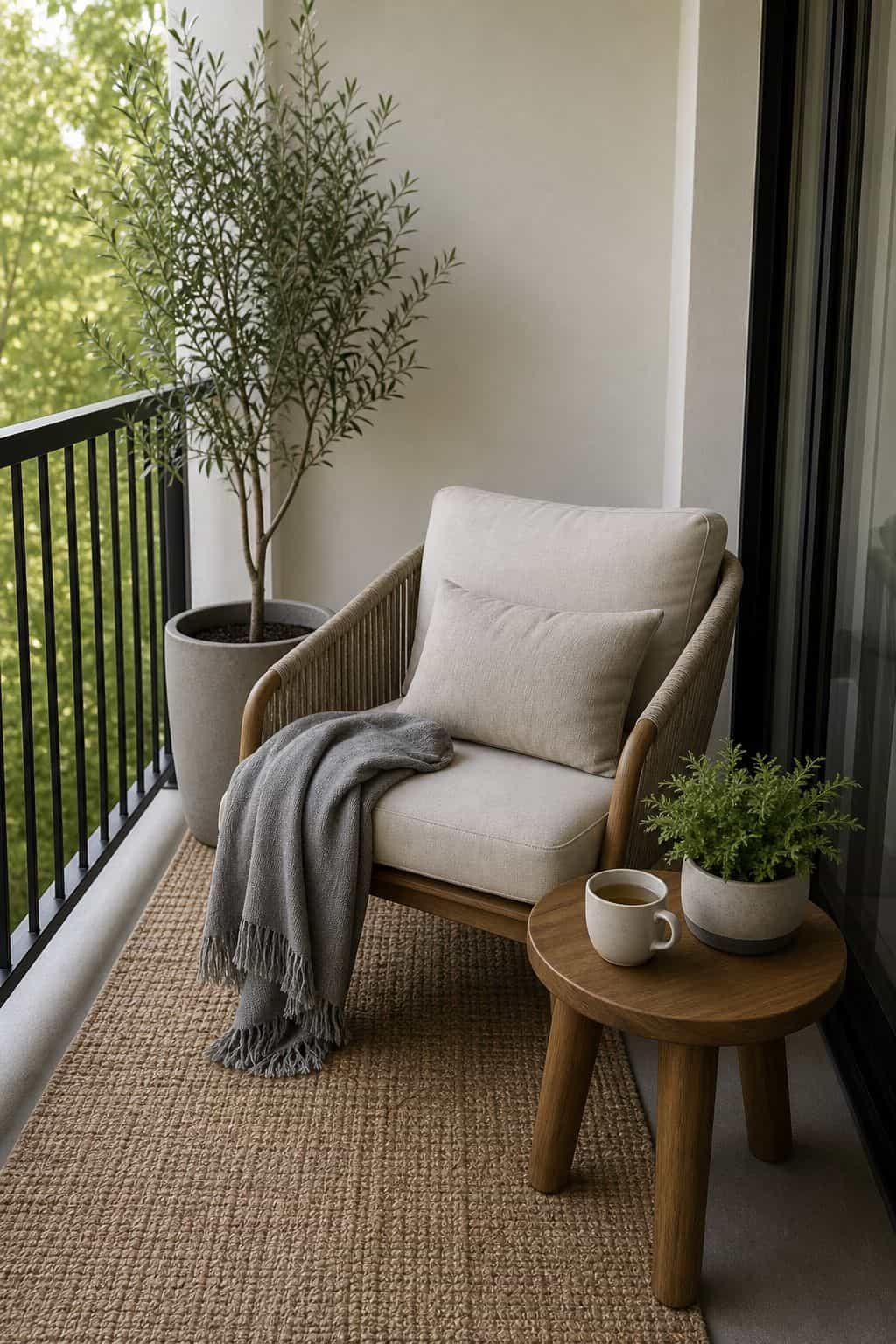


A zen porch is meant to be used, so it needs a genuinely comfortable spot to sit. A cushioned chair, a small bench, a hanging chair, or a daybed gives you a place to actually settle in, read, meditate, or simply be still.
Position the seat to face the centerpiece, a calm view, or the water feature, so sitting there feels purposeful. Comfort and calm are the same goal, an uncomfortable porch will not draw you out to it. A well-placed, comfortable seat is what turns a zen porch from a nice idea into a retreat you genuinely return to.
12. Add a Small Meditation or Tea Corner
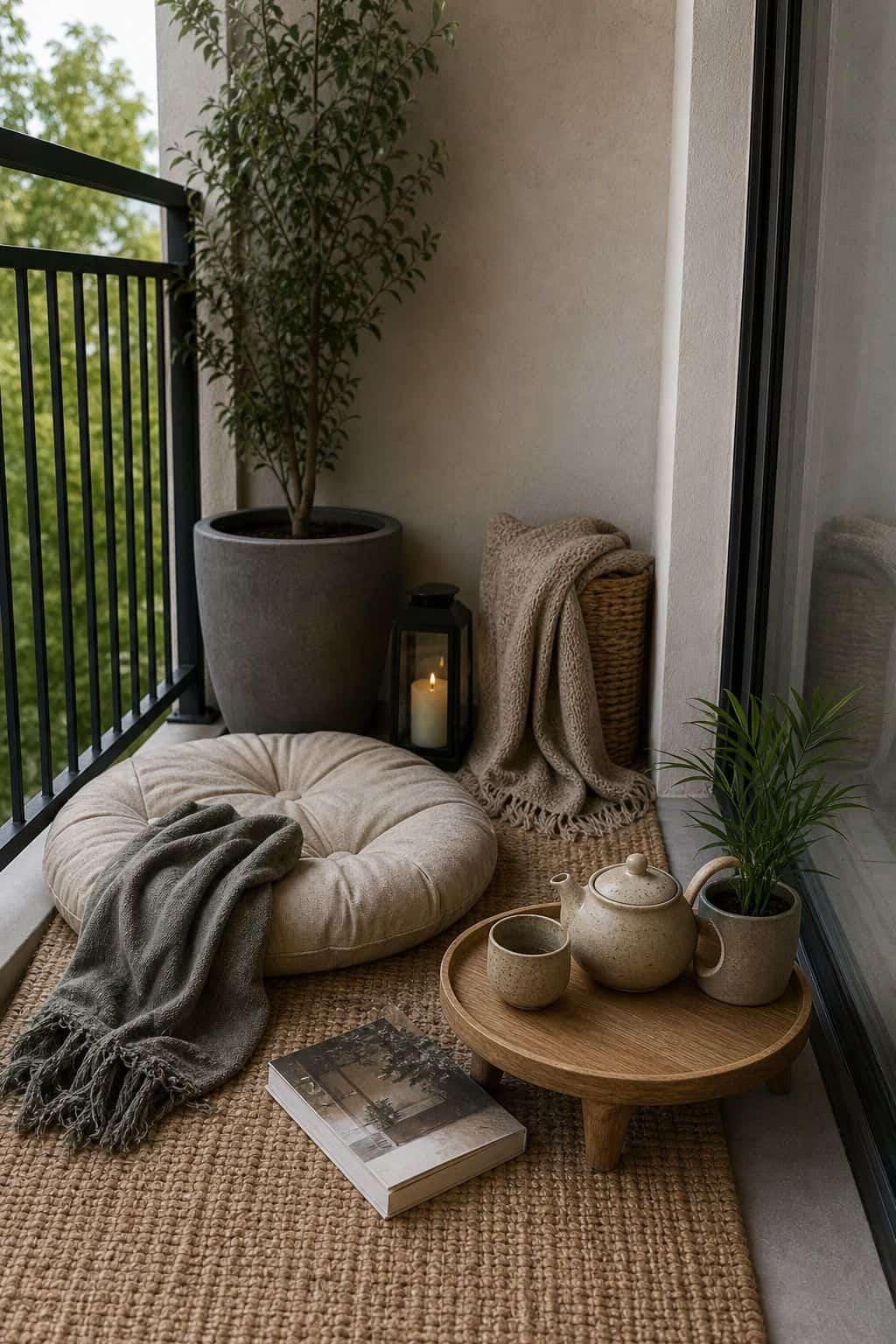
A zen porch can hold a dedicated quiet corner. A floor cushion, a low chair, a small mat, or a simple tea setup creates a spot specifically for meditation, stretching, or a slow cup of tea in the morning.
Having that corner built into the porch makes the calm ritual more likely to actually happen. Keep it as spare as the rest of the porch, a cushion, a small table, a plant. A meditation or tea corner gives the zen porch a clear, mindful purpose, and it is the kind of detail that turns an outdoor space into a true retreat from everyday noise.
13. Use Concrete or Stone for Grounding Surfaces
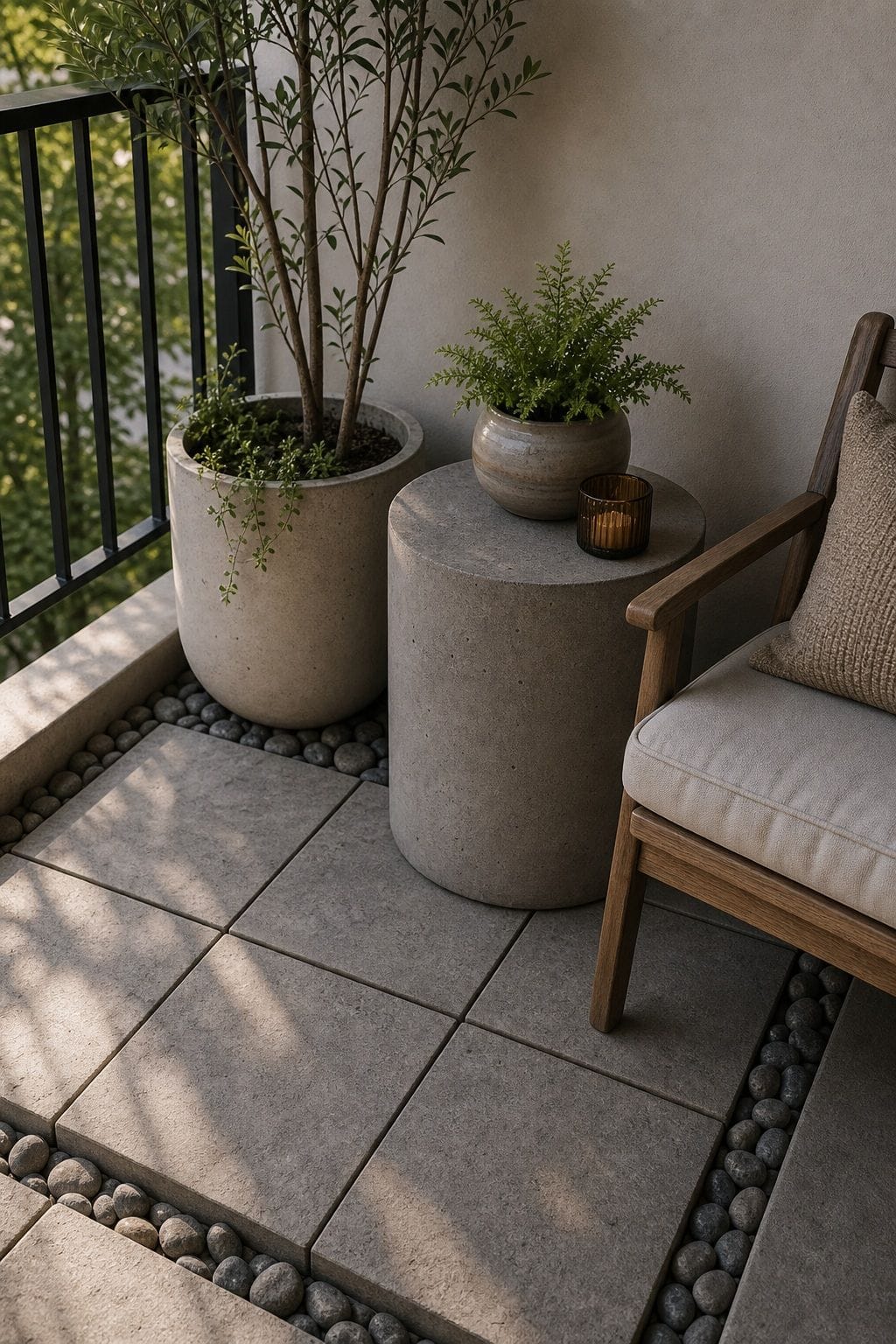


The surfaces underfoot shape how grounded a porch feels. Concrete and stone create solid, grounding surfaces that suit the zen aesthetic, calm, durable, and honest in material.
If the porch floor is already wood, that is natural too, but a stone path, a concrete planter, or stone pavers can add to the grounding feel. These materials are weather-resistant and low-maintenance, and their cool, solid quality anchors the lighter elements of the porch. Grounding surfaces give a zen porch a sense of stability and permanence, part of what makes it feel calm.
14. Keep Decor Minimal and Intentional
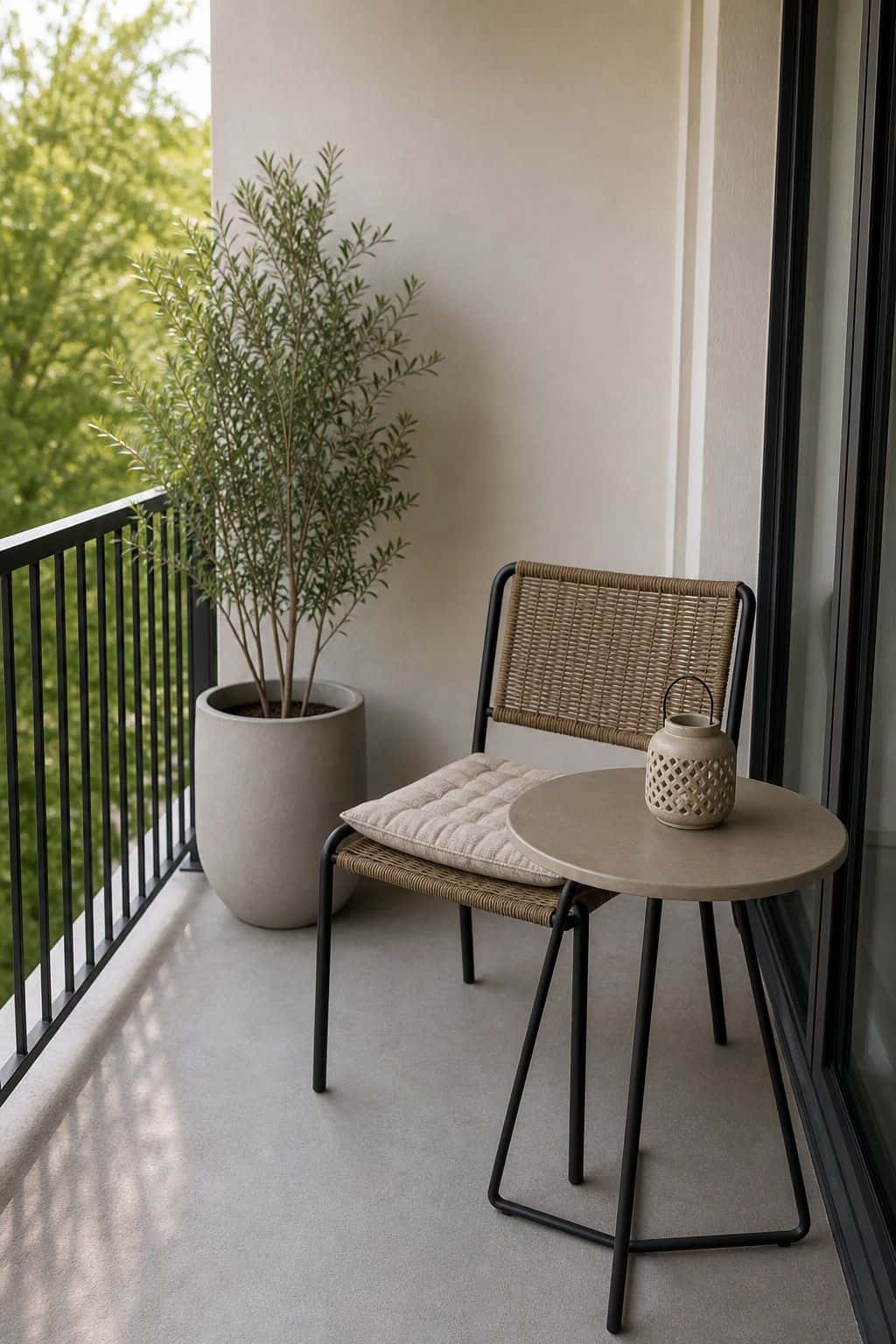
The most important rule of a zen porch is restraint. The calm relies on simplicity and space, so resist the urge to add too many elements, since clutter detracts from the serene, uncluttered aesthetic.
Choose a few intentional pieces, a sculptural planter, one quiet object, a single lantern, and let the open space around them do the styling. Before adding anything, ask whether it genuinely earns its place. A zen porch with a few meaningful pieces and plenty of breathing room will always feel more peaceful than one filled with decorations, however nice each one is.
15. Add a Single Sculptural Object
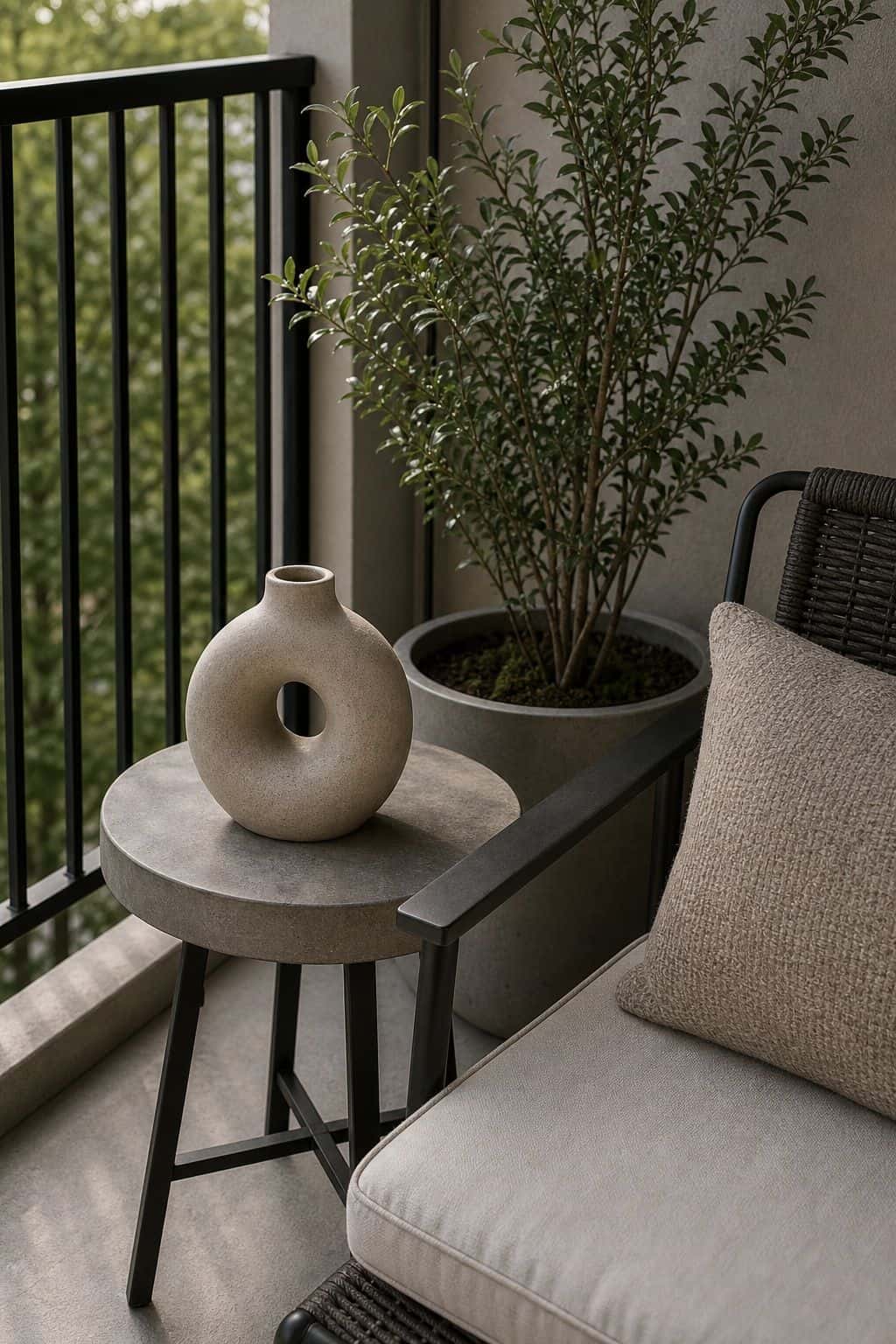
One sculptural object can quietly anchor a zen porch. A simple stone lantern, a weathered urn, a piece of organic-form pottery, or a small statue placed with intention adds a focal detail without clutter.
Choose something with calm, natural form rather than anything ornate or busy, and give it space so it reads clearly. A single well-placed object signals care and intention, the quiet luxury of a zen space. It rewards a closer look without ever demanding attention, which is exactly the balance a calm outdoor retreat is built on.
16. Frame a Calm View
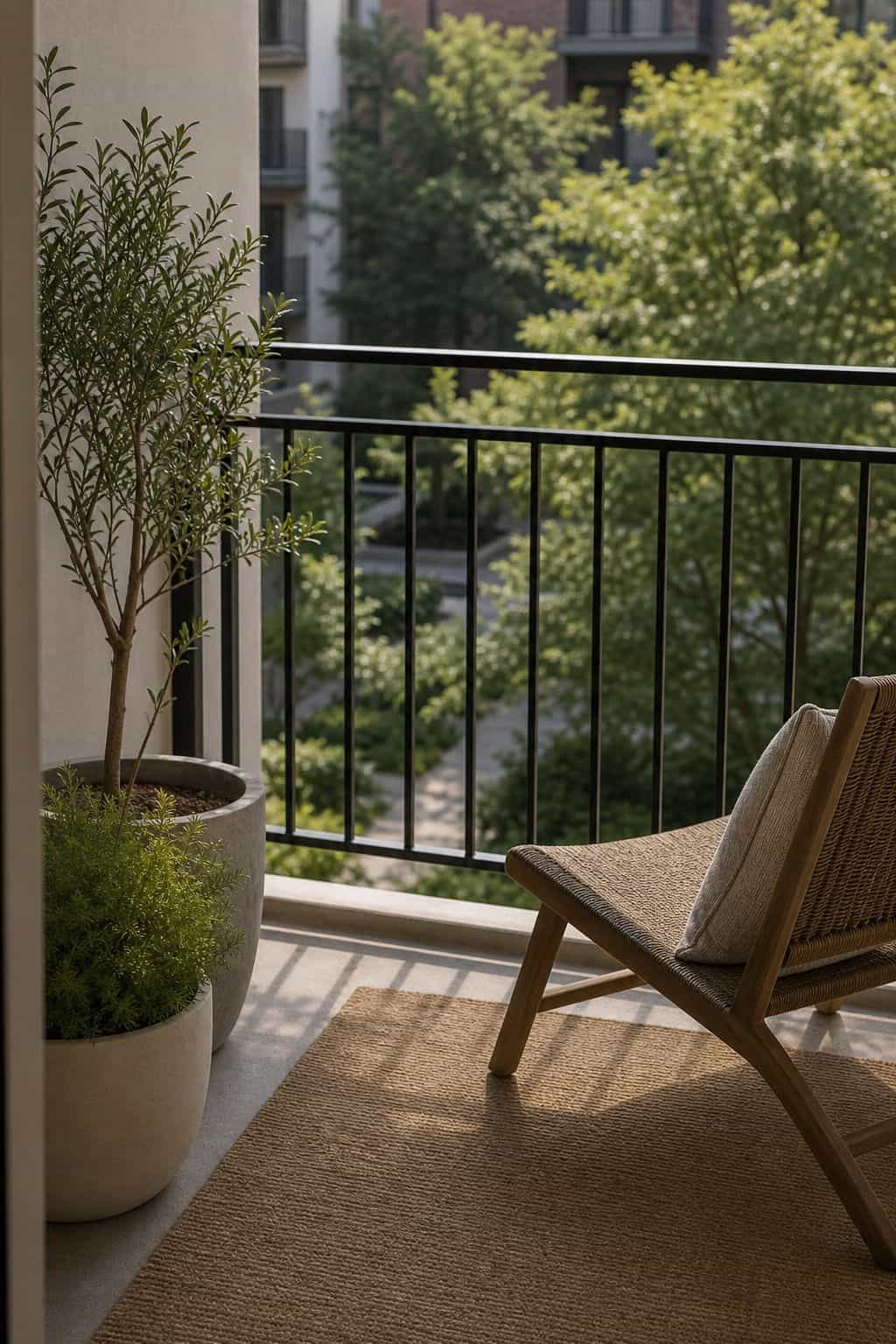
A zen porch is at its best when it frames something calm to look at. Arrange the seating to face the most peaceful view available, a garden, trees, the sky, a simple stretch of greenery, rather than a cluttered or busy outlook.
If the natural view is limited, create one: a small zen garden, a grouping of plants, a screen of bamboo. The porch should give you somewhere restful to rest your eyes. Framing a calm view is a quiet, free way to make a porch feel like a true retreat, and it connects the space to the wider natural world beyond it.
17. Add Gentle, Natural Scent
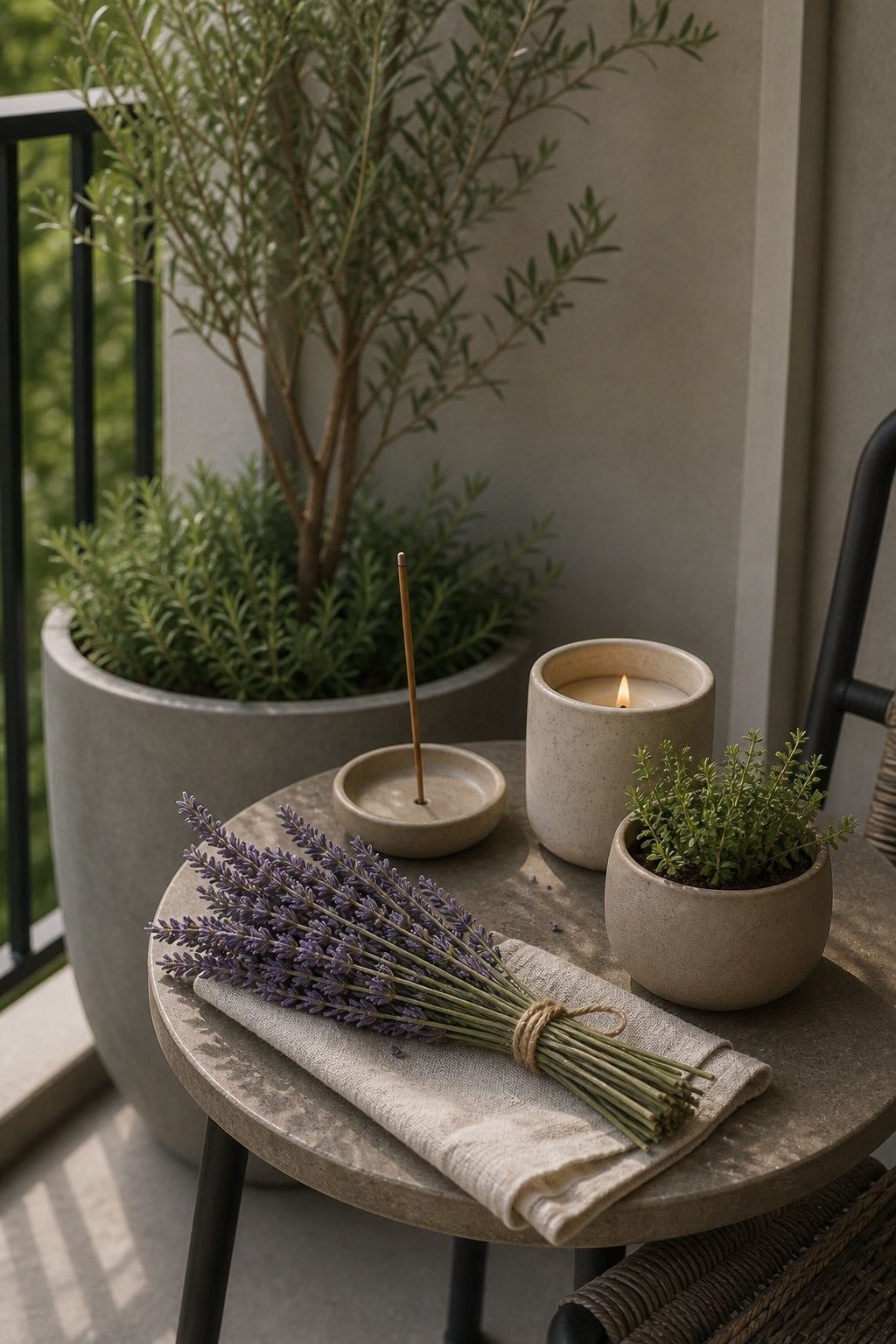
Scent completes the calm of a zen porch. Fragrant plants, jasmine, lavender, herbs, or a subtle natural incense or candle give the space a gentle, grounding aroma.
Keep the scent soft and natural rather than strong or sweet, just enough to notice when you step out. A pleasant, calming scent makes the porch feel like an all-senses retreat rather than only a visual one. Fragrant plants do double duty, adding greenery and scent at once, and they reinforce the connection to nature that is at the heart of zen design.
18. Keep the Porch Tidy and Maintained
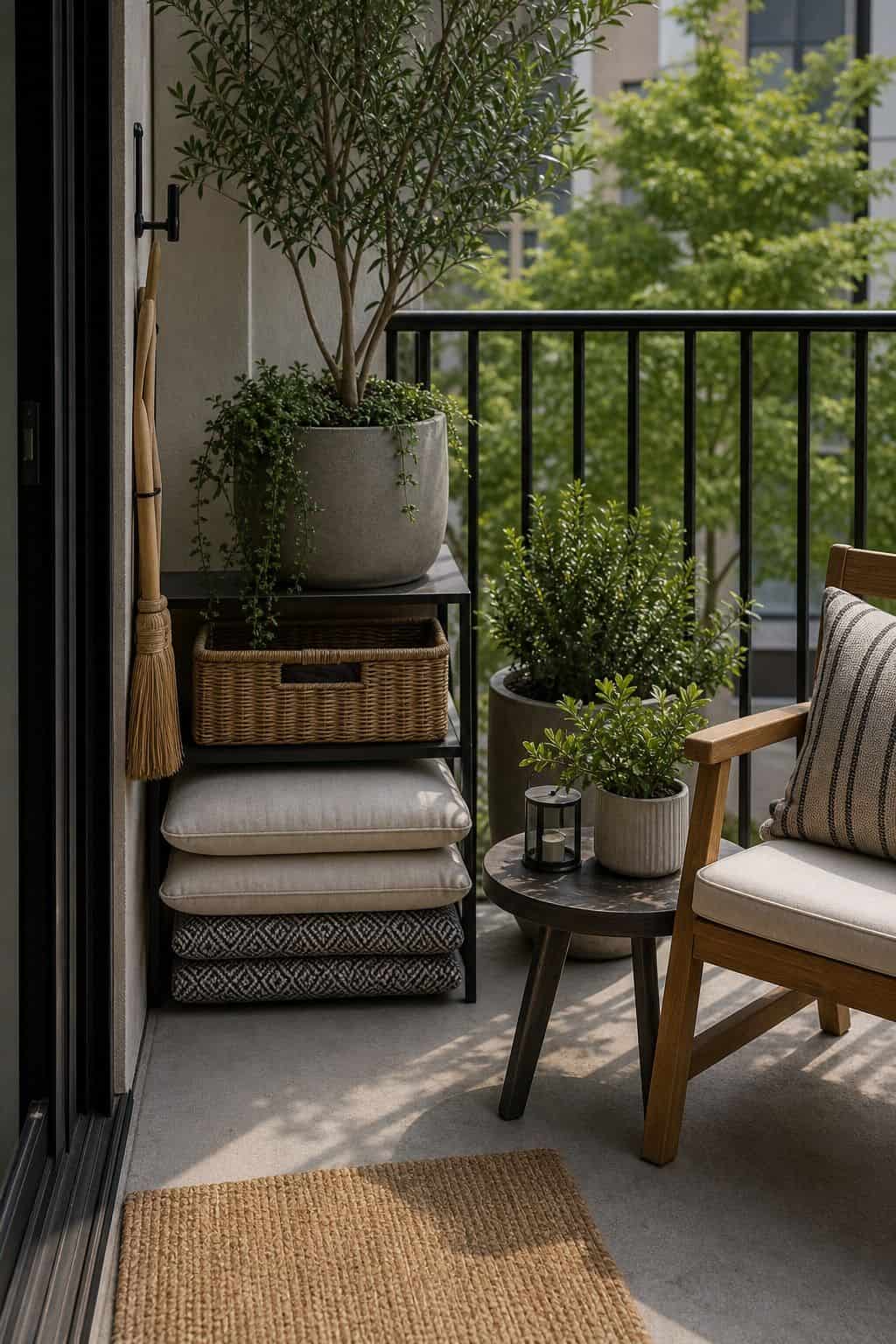
A zen porch stays calm only when it stays tidy. The serene look depends on clear surfaces and uncluttered space, so a calm porch needs a habit of light upkeep, sweeping, clearing away anything that drifts in, keeping the plants healthy.
Give everything a place so resetting the porch is quick. A well-maintained porch feels intentional and restful, while a neglected one feels the opposite no matter how it was originally styled. The calm of a zen porch is an ongoing, gentle practice of care, and that quiet upkeep is what keeps it a genuine retreat over time.
Quick Tips for a Calm Zen Porch
Build on natural, weather-resistant materials like teak and bamboo, and hold an earthy, cohesive palette. Arrange furniture symmetrically with plenty of open space. Add a calming element or two, stone, water, greenery, around one clear focal point. And keep it minimal, the calm comes from restraint, not from filling the porch.
Frequently Asked Questions
How do I create a zen porch?
Build on natural, weather-resistant materials like teak and bamboo, hold an earthy palette of beige, gray, and muted green, and arrange furniture symmetrically with open space. Add a calming element or two, stone, water, greenery, around one focal point, and keep the overall look minimal.
What colors work for a zen porch?
Earthy, soothing tones work best: beige, gray, warm wood, and muted greens. Keep the tones cohesive, warm wood paired with soft neutrals, and if you mix materials, keep them within the same tone family for a smooth, calm look.
What materials are best for a zen porch?
Natural, weather-resistant materials suit a zen porch: teak and bamboo for furniture, concrete and stone for grounding surfaces, and natural-fiber fabrics like cotton and linen. These age gracefully outdoors and connect the porch to nature.
How do I make a porch feel calm and peaceful?
Keep it simple and uncluttered, arrange furniture symmetrically for balance, and add a calming centerpiece like a small water feature. Use an earthy palette, soft warm lighting, and a few plants. The calm comes from restraint and open space, not from filling the porch.
What is the biggest mistake in zen porch decor?
Adding too many elements. A zen space relies on simplicity and space, so crowding the porch with decorations detracts from the serene, uncluttered aesthetic that makes it calming. Choose a few intentional pieces and leave plenty of breathing room.
Does a zen porch need a water feature?
It does not require one, but a small water feature adds a great deal. The gentle sound of moving water masks noise and brings a meditative quality. If a water feature is not practical, a stone arrangement or a calm seating area can serve as the focal point instead.
Key Takeaways
- A zen porch is a calm outdoor retreat built on natural materials, an earthy palette, and plenty of open, uncluttered space.
- Use weather-resistant teak and bamboo, grounding stone and concrete surfaces, and natural-fiber textiles in cohesive earthy tones.
- Arrange furniture symmetrically for balance, and anchor the porch with one calm centerpiece like a small water feature.
- Add grounding zen elements, river stones, bamboo, a few plants, and soft warm lighting for an evening glow.
- Keep the decor minimal and intentional, the calm of a zen porch comes from restraint, space, and gentle ongoing upkeep.
Wrapping Up
A zen porch turns an ordinary outdoor space into a genuine retreat, somewhere the day slows down the moment you step out. It is built on natural materials, an earthy palette, balanced furniture, and a few grounding elements, all held together by restraint.
Start with the materials and the palette, arrange the seating with balance and open space, then add one calm focal point and a few quiet natural touches. Keep it simple and tend it gently, and your porch will become the peaceful outdoor retreat you return to again and again.
Last update on 2026-10-04 / Affiliate links / Images from Amazon Product Advertising API
