

Quick Answer: Your apartment moving-out checklist: give written notice 30 to 60 days before your move-out date, document your apartment’s current condition with photos, repair any damage you are responsible for, deep clean every room, schedule utility shutoffs for one to two days after moving, do a final walkthrough with your landlord, and follow up on your security deposit within 30 days.
Getting your full security deposit back is not luck. It is planning. Most tenants lose part of their deposit not because of actual damage, but because they did not document, did not clean thoroughly, or did not understand what their lease actually required. This guide walks you through the entire move-out process from 60 days out to deposit recovery so you leave the right way.
The apartment move-in checklist you should have done when you arrived created a baseline. What you do on the way out closes the loop. Both matter for your deposit.

Recommended Moving Out Essentials
Recommended blogs to read:
- Apartment move-in checklist for day one
- How to pack for moving without losing your mind
- Apartment organization hacks for every room
- Best tips for moving out of an apartment
- How to decorate a small studio apartment
60 Days Before: The Planning Phase



Two months out is when your move-out actually begins. Pull out your lease and read the move-out section carefully. Most leases require 30 to 60 days written notice. Missing that window can cost you a full extra month of rent regardless of when you physically leave. Send your notice by email so you have a timestamped record, and keep a copy.
Start a punch list of anything in the apartment that is different from when you moved in. Check wall damage, flooring, window screens, appliances, and light fixtures. The goal is to separate what you caused from what was already there. Having your move-in photos is important here. If you did not take them when you arrived, now is a good time to photograph the current state regardless.
Begin decluttering. The less you move, the cheaper and faster everything goes. Sell items on Facebook Marketplace or Craigslist, donate to Goodwill or a local shelter, and toss anything that is not worth the time or effort. Moving boxes and trucks cost money per item. Be ruthless about what actually deserves space in your next home.
30 Days Before: Deep Dive Preparation



With 30 days left, take a full walk through the apartment and note every item on your punch list that needs attention. For each one, decide: do you repair it yourself, hire someone, or document it as pre-existing? Small nail holes from hanging art are generally considered normal wear and tear in most states. Large holes, broken fixtures, stained carpet, and damaged blinds are typically your responsibility.
Get quotes for any repairs you are not comfortable doing yourself. A handyman visit for a few small repairs is often cheaper than the deductions your landlord will make using their own contractors at a marked-up rate. This is especially true for carpet cleaning, paint touch-ups, and appliance cleaning. Know the math before you decide.
Decluttering and Donation Strategy



Moving is the best opportunity to audit everything you own. Sort items into four categories: move, sell, donate, toss. If you have not used something in a year and it holds no sentimental value, it probably does not need to come with you. Furniture that does not fit your next space is better sold now than moved and stored indefinitely.
For donations, Goodwill, The Salvation Army, and local Facebook groups for free items are all fast and free options. For selling, Facebook Marketplace and OfferUp are the most effective for furniture and household items. Start listing 3 to 4 weeks before your move date so you have time to close deals without rushing. Even $200 to $300 from selling unwanted items offsets moving costs significantly.
Repairs and Maintenance Check
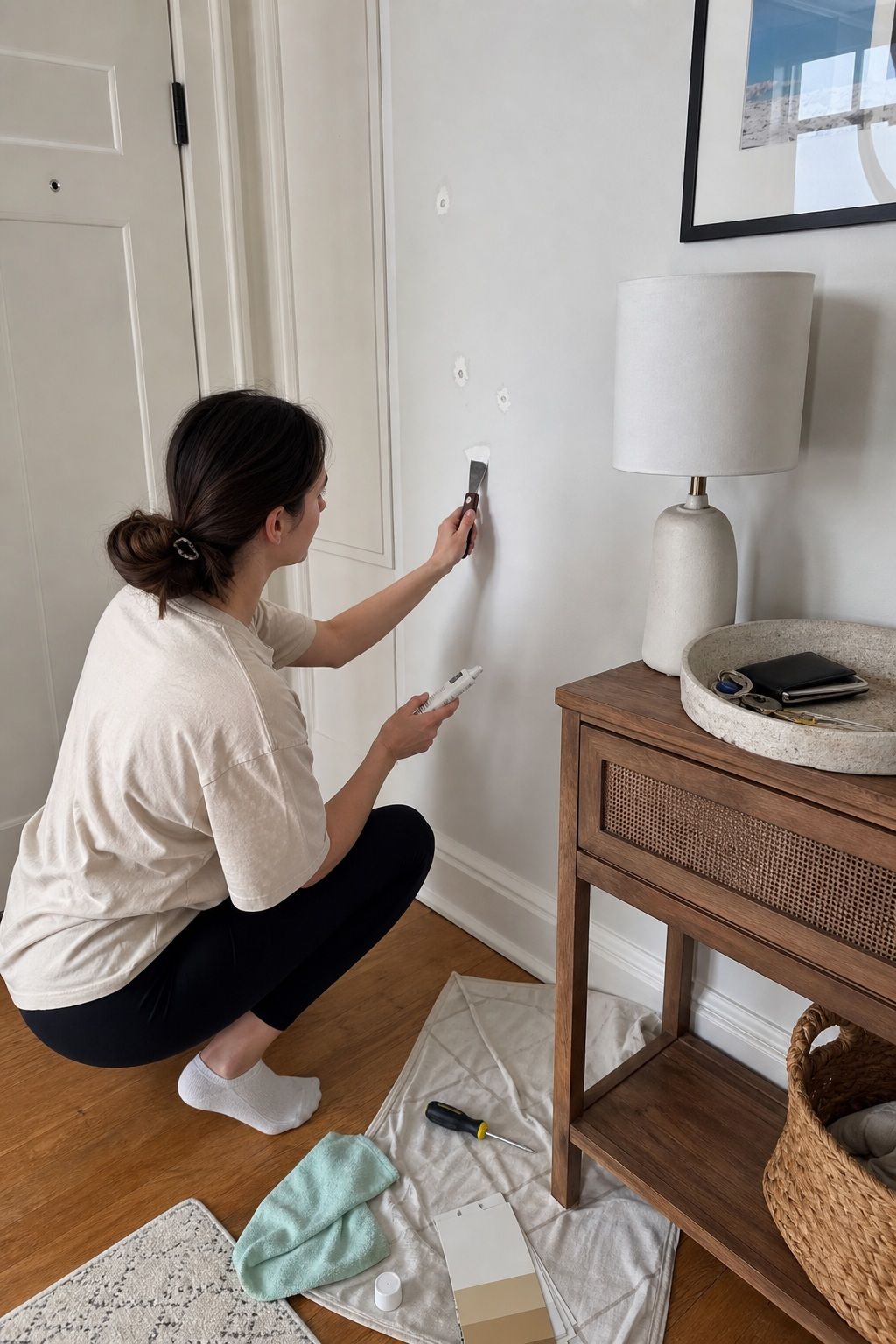


Understanding what you are actually responsible for saves you from over-repairing and from being blindsided by deductions. Normal wear and tear includes minor scuffs on walls, small nail holes from art, carpet wear in high-traffic areas, and faded paint after a long tenancy. Damage you caused includes large wall holes, broken doors or handles, stained or burned carpet, cracked tiles, and missing light fixtures.
For repairs you are responsible for, consider DIY for small items: spackle for holes, a fresh coat of paint that matches the existing wall color, and cleaning appliance surfaces. For anything structural, electrical, or that requires professional results, hire someone. Landlords typically charge premium rates for repairs they coordinate. A $50 repair bill from a handyman beats a $200 deduction from your deposit.
Do not assume your landlord will overlook small damage. Landlords who do detailed walkthroughs often catch things you stopped noticing months ago. Walk through with fresh eyes or ask a friend to point out anything they notice. The apartment organization hacks you used during your tenancy may have left marks on walls or floors you need to address.
2 Weeks Before: Cleaning and Final Repairs
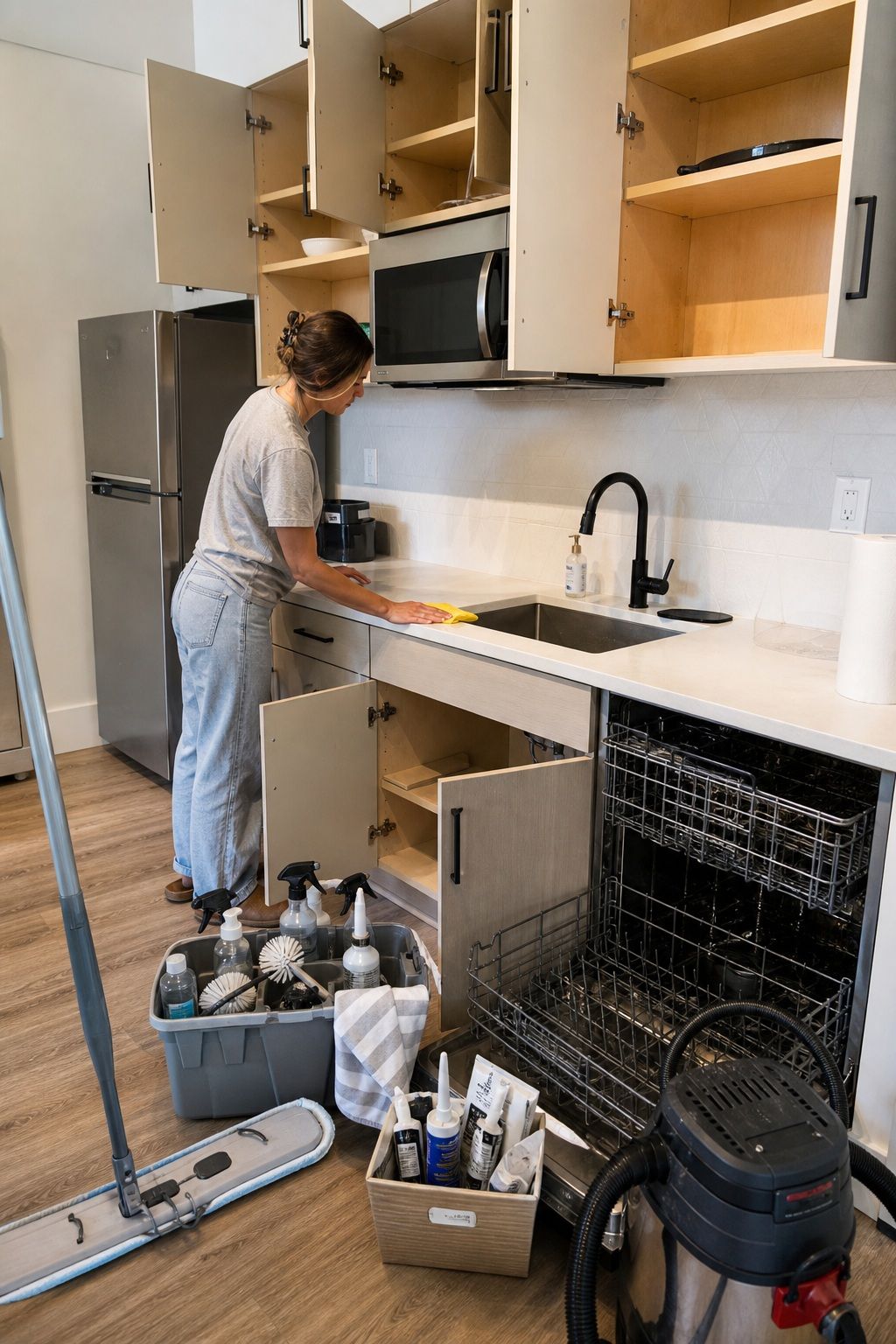
Deep clean the apartment top to bottom starting with the least-used spaces. Clean inside every cabinet and drawer. Wipe down all baseboards, light switch plates, and doorknobs. Clean the inside and outside of every appliance including the oven, fridge, dishwasher, and microwave. These are the spots landlords check first because tenants reliably skip them.
For the floors, vacuum and mop hard surfaces and steam clean carpets if needed. If you have a pet or heavy foot traffic areas, a professional carpet cleaning is often worth it. Getting a receipt for professional cleaning is also useful documentation if your landlord tries to charge for it anyway. You can dispute the charge with proof you already handled it.
If you are deciding between professional cleaners and doing it yourself, the honest calculus is time versus money. A professional move-out clean runs $150 to $300 depending on apartment size. If your time is worth more than that, or if cleaning is not your strength, hire it out. A sparkling clean apartment is one of the most effective deposit-saving moves you can make.
1 Week Before: Utilities and Forwarding Address


Call each utility provider and schedule shutoff for one to two days after your move-out date. Shutting off early means no power or water while you are still doing final cleaning. Give yourself a day of buffer. Get confirmation numbers for each cancellation and save them. Some providers require written notice or have specific windows for scheduling shutoff.
File a change of address with USPS now if you have not already. This takes a few days to process, and you want it active before mail starts going to the wrong address. Update your bank, employer, insurance, streaming services, and any subscription boxes. Missing even one can mean important documents going to your old address for months.
Read through the tips in this guide on how to pack for moving to make sure you have your packing timeline aligned with your utility shutoff dates. You do not want to be packing in the dark because you canceled electric two days too early.
Final Walkthrough with Your Landlord
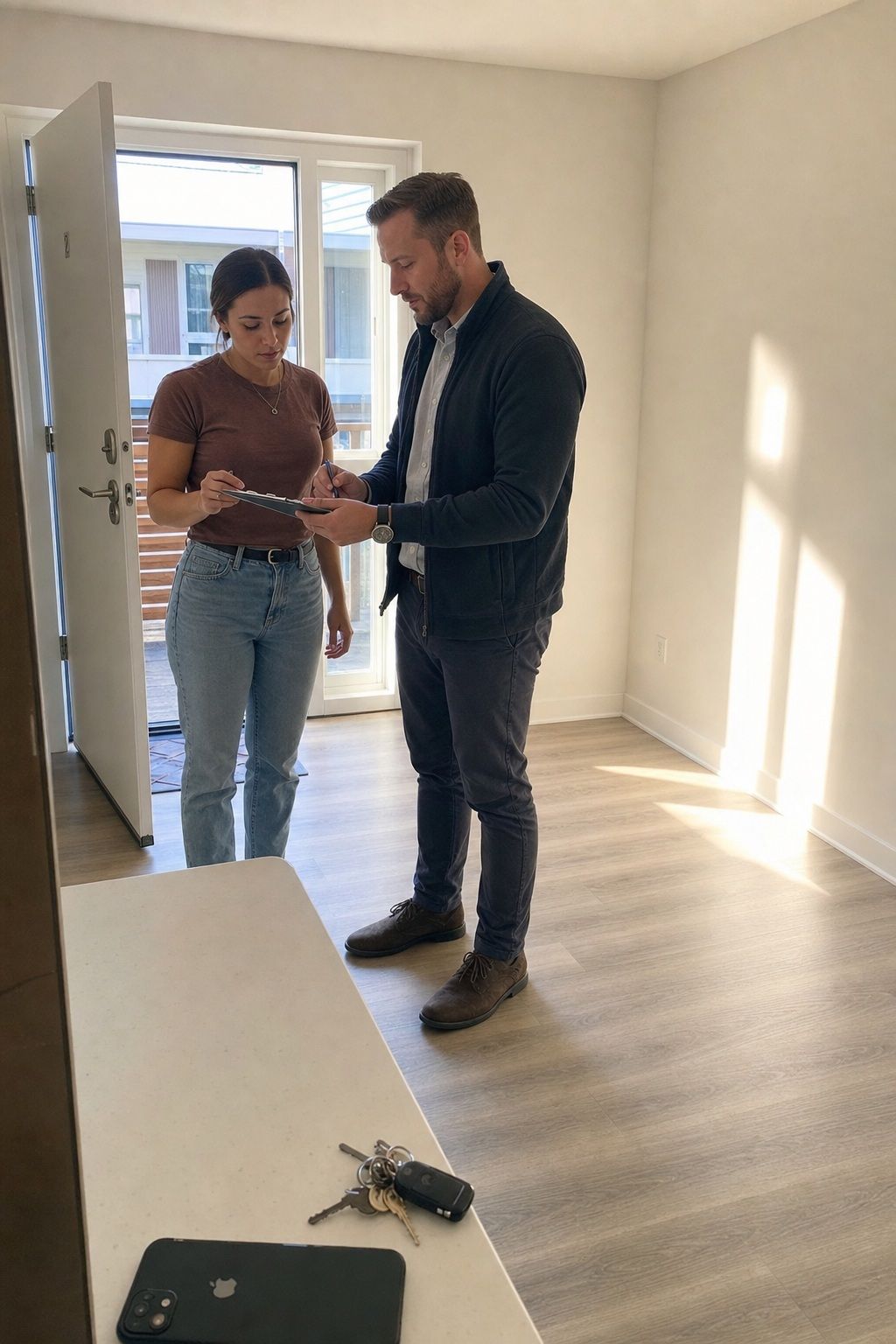


Request a pre-move-out inspection with your landlord before your actual move-out date. Many states give tenants the right to this walkthrough, and it is one of the most valuable things you can do. Your landlord will flag anything they plan to deduct from your deposit while you still have time to fix it yourself. That is far better than finding out after you have moved out and the keys are turned in.
On the day of the walkthrough, photograph every room from multiple angles. Go corner to corner. Document the condition of every appliance, wall, floor surface, window, and door. If your landlord points out something as a concern, write it down and photograph it specifically. Send yourself the photos immediately so they are cloud-backed and time-stamped. This documentation is your protection if a dispute arises later.
Security Deposit Recovery Strategy
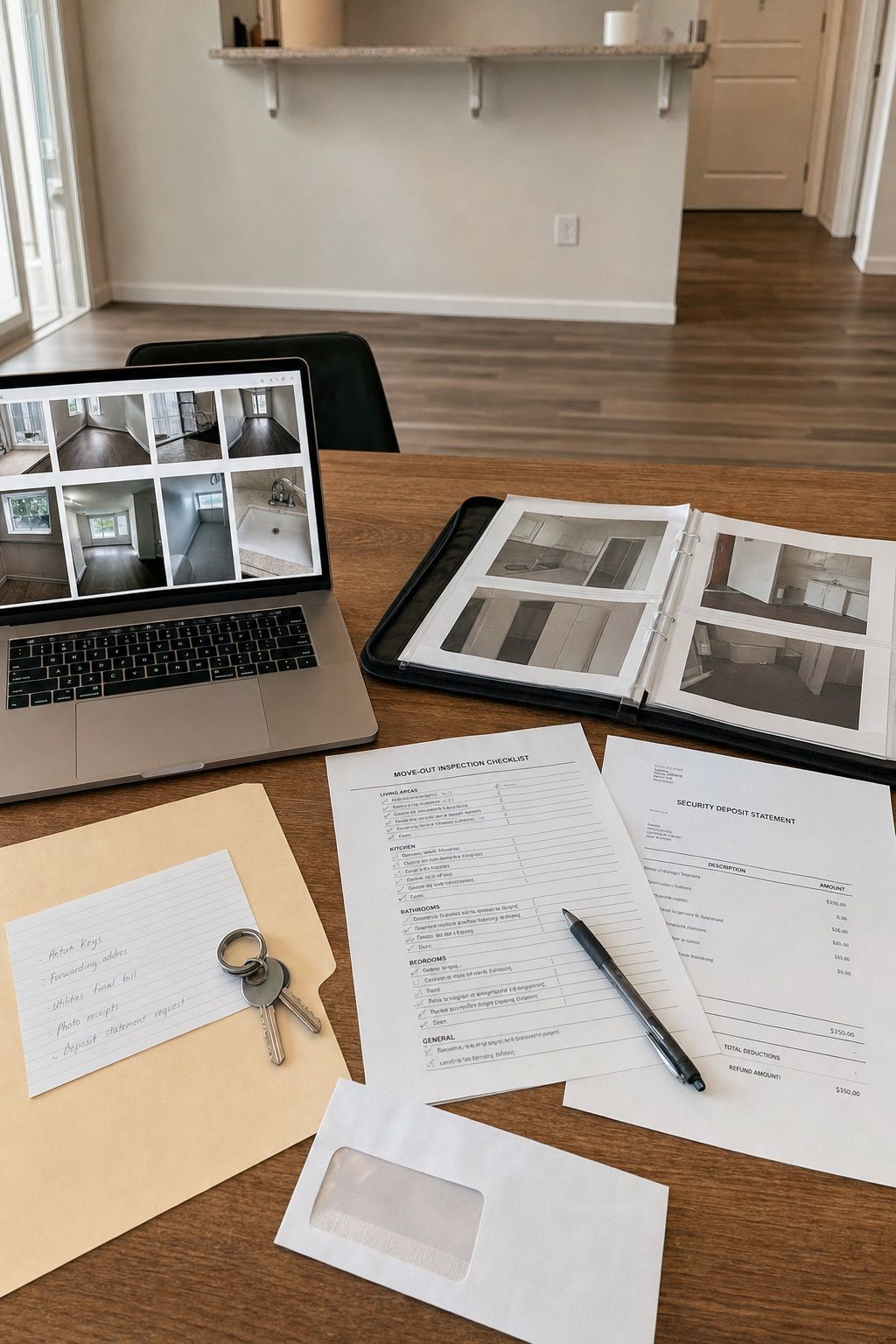


After you turn in the keys, the clock starts on your security deposit return. Most states require landlords to return deposits within 14 to 30 days along with an itemized list of any deductions. Know your state’s specific deadline and keep it in mind. If you have not received your deposit or a deduction notice by the deadline, send a written demand letter.
If your landlord sends a deduction list, review each charge carefully. Landlords cannot charge for normal wear and tear, pre-existing conditions you documented, or work they claim was done but cannot verify. If a charge seems unjustified, respond in writing with your counter-documentation: your move-in photos, your move-out photos, and any receipts from cleaning or repairs you did yourself.
If a dispute cannot be resolved directly, most states have a small claims court process for security deposit disputes that is inexpensive and designed for exactly this situation. Tenants win these cases regularly when they have documentation. The paperwork trail you built throughout this checklist is the reason you win.
FAQ: Apartment Moving-Out Checklist
When do I need to give notice to move out?
Most leases require 30 to 60 days written notice before your move-out date. Check your lease for the exact requirement and send your notice by email to create a timestamped record. Missing the notice window can cost you an extra month of rent even if you have already moved out.
How do I get my full security deposit back?
Document the apartment condition with photos before moving in and again on move-out day. Repair any damage you caused, deep clean every room including appliances, complete a final walkthrough with your landlord, and follow up in writing if your deposit is not returned within your state’s required timeframe.
Can landlords charge for normal wear and tear?
No. Normal wear and tear includes minor wall scuffs, small nail holes from hanging art, and carpet wear in high-traffic areas after a long tenancy. Landlords can only deduct for damage beyond normal use, unpaid rent, or cleaning costs if the apartment was left in unsanitary condition.
What repairs am I responsible for when moving out?
You are responsible for damage you caused during your tenancy: large wall holes, broken fixtures, pet stains or damage, burned carpet, and missing blinds. Normal wear and tear, such as minor scuffs or small nail holes, is generally the landlord’s responsibility.
How long does it take to get my security deposit back?
Most states require landlords to return deposits within 14 to 30 days of move-out with an itemized deduction list. If you do not receive yours within that window, send a written demand letter and consider small claims court if the landlord does not respond.
Key Takeaways
- Give written notice 30 to 60 days before move-out and keep an email record
- Photograph the empty apartment before moving anything out
- Repair damage you caused before move-out day; leave normal wear and tear alone
- Deep clean every room and appliance including spaces landlords typically check first
- Schedule utility shutoffs 1 to 2 days after your move-out date, not before
- Know your state’s deposit return deadline and follow up in writing if needed
Final Thoughts
Moving out of an apartment well is mostly about documentation and planning. The tenants who get their full deposit back are not the lucky ones. They are the organized ones who took move-in photos, kept repair receipts, cleaned properly, and knew their lease terms before they ever had a dispute. Follow this checklist, start early, and you will leave your apartment on your terms with your money back where it belongs.
Last update on 2026-10-07 / Affiliate links / Images from Amazon Product Advertising API
