

College back-to-school supplies break into four categories, writing and note-taking (notebooks, planner, pens, highlighters, pencils), organization and planning (binder, folders, sticky tabs, index cards), tech essentials (laptop, wireless mouse, headphones, portable charger, external hard drive), and bags and storage (backpack, laptop sleeve, lunch bag, water bottle).
You walked into Target two weeks ago, stared at the back-to-school aisle for forty-five minutes, and left with a pile of notebooks and a planner you have already decided you will not use. The standard back-to-school supply list is the same list every school sells, and most of it is genuinely needed, but a real college supply kit goes beyond what the high-school list covered.
A real back-to-school setup adds the tech accessories (wireless mouse, headphones, portable charger), the organizational pieces (color-coded folders, sticky tabs, index cards), and the bag-and-storage layer (a quality backpack, a laptop sleeve, a water bottle) that high school did not require but college absolutely does.
Recommended Back-to-School Essentials
The supplies every college student needs, the backpack, planner, notebook set, pens, laptop sleeve.


Recommended blogs to read:
- College dorm checklist
- College dorm essentials
- College dorm desk ideas
- College dorm organization
- College dorm food ideas
Writing and Note-Taking
1. Notebooks (Spiral or Composition)



Three to five spiral or composition notebooks, one per class. Pick wide-rule for fast-pace lecture notes, college-rule for tighter writing.
About $15-25 covers a set of quality notebooks. One notebook per class is the rule that keeps lecture notes from turning into a single confused jumble by midterms, and writing the course name on the cover the moment you buy it saves you grabbing the wrong one on the way out the door. A few students prefer a single thick notebook with section dividers instead, which works just as well as long as every class has a clear home.
2. Planner Academic Year



A weekly-or-daily planner for the academic year. Pick one with monthly views, weekly views, and assignment tracking sections.
A quality planner from Erin Condren, Plum Paper, or Amazon runs about $25-50. The single habit that makes a planner work is copying every due date from each syllabus into it during the first week, before assignments start landing, so the whole semester is visible at a glance. A paper planner suits anyone who thinks better on the page, while a digital calendar does the same job for students who live on their phone, and the only wrong choice is not picking one at all.
3. Pen Set Color
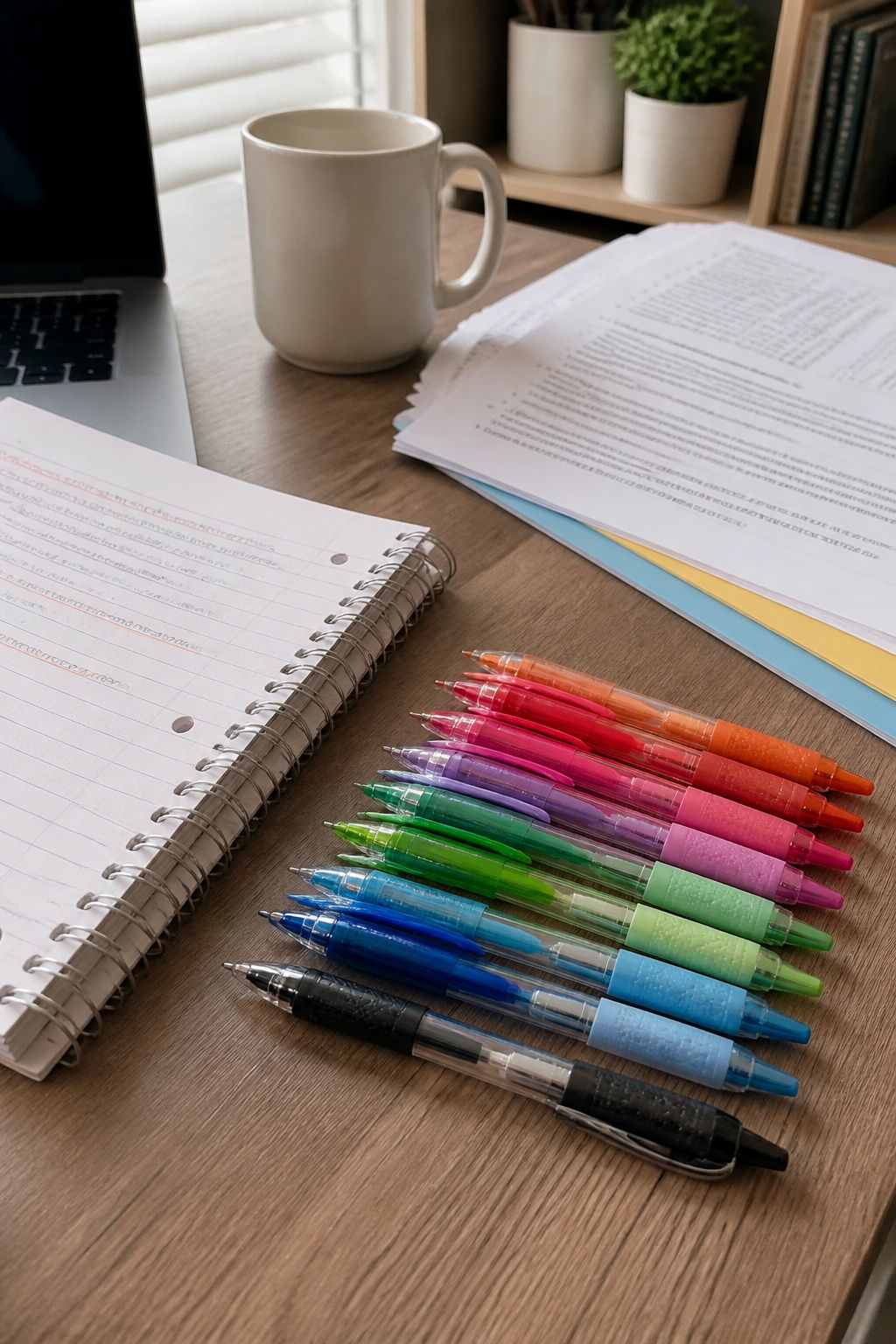


A set of quality pens in multiple colors (black, blue, red, green) for color-coded note-taking. Pick gel pens with smooth flow.
A quality pen set from Muji or Pilot costs about $15-30. Color-coding is where a multi-color set earns its keep, since using one color for definitions, another for examples, and a third for anything the professor flags as exam material turns a page of notes into something you can actually skim later. Buy a pen that feels good in the hand and writes without skipping, because the one you reach for every day is worth a couple of extra dollars.
4. Highlighters
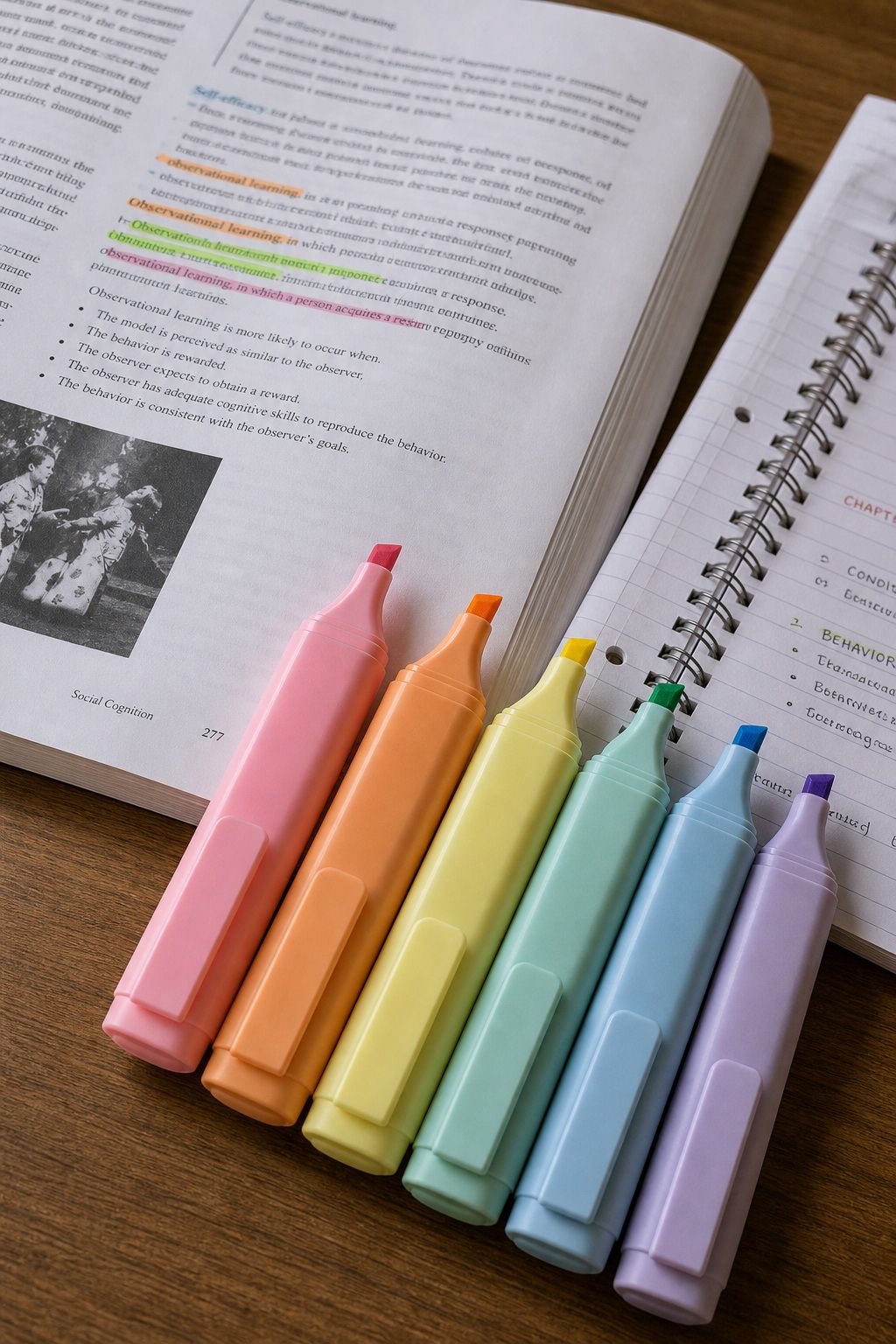


A pack of highlighters in multiple colors for marking textbooks, notes, and printouts. Color-code by importance or by topic.
A quality highlighter set runs about $10-15. The trick with highlighters is restraint, because a page where everything is highlighted is no more useful than a page with nothing highlighted at all. Pastel or mild-tone highlighters are easier on the eyes than the harsh neon kind for long study sessions, and pairing each color with a meaning, one for key terms, one for dates, one for things you do not understand yet, turns a quick pass over a chapter into a real study tool.
5. Mechanical Pencils
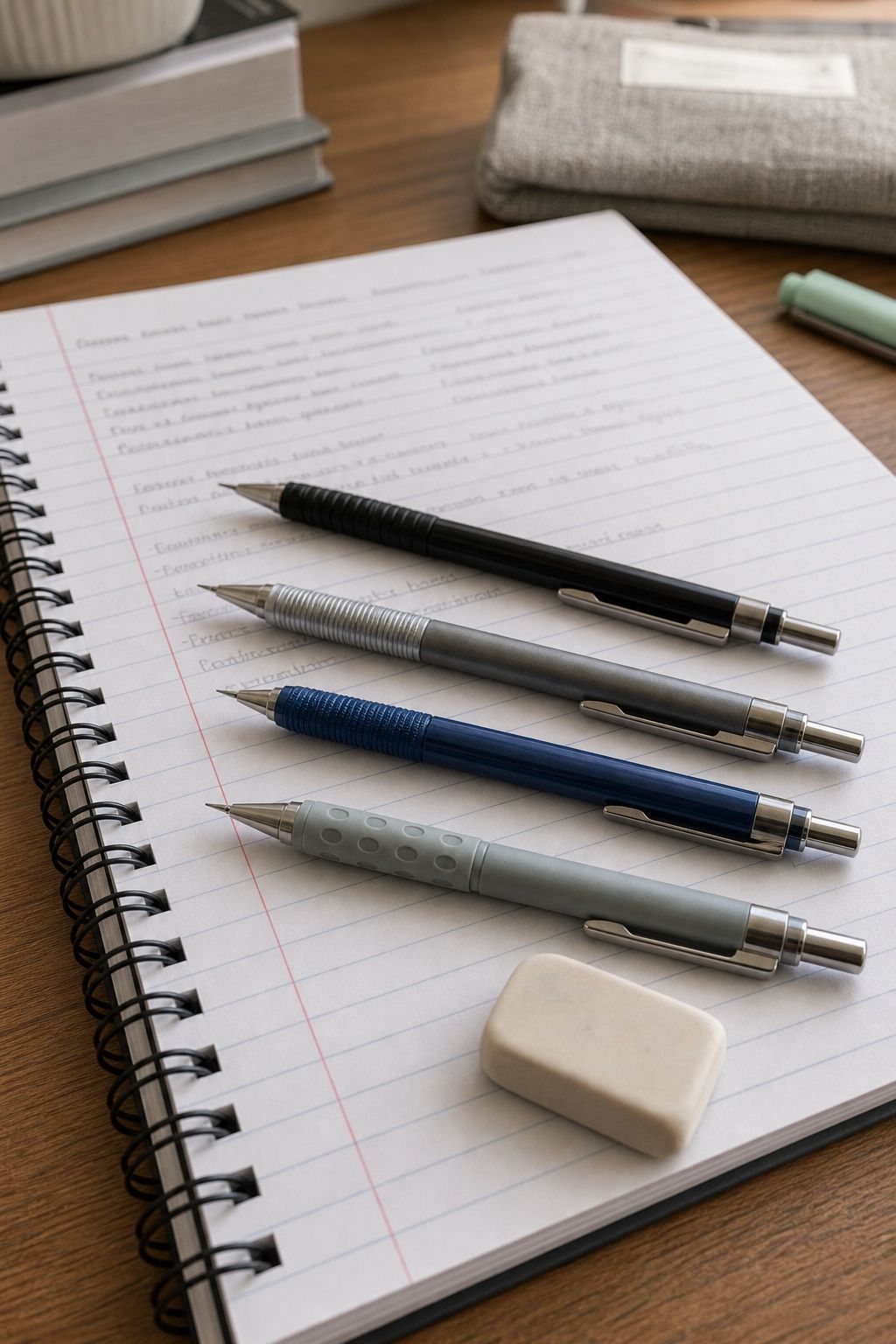
Mechanical pencils with refillable lead and built-in erasers. The pencils stay sharp and never need a separate sharpener.
About $10-15 buys a quality mechanical pencil set with extra leads and erasers. Mechanical pencils are the right call for any class with math, problem sets, or scantron exams, since they stay sharp through a long problem and erase cleanly when the work goes sideways. A 0.7mm lead is the comfortable middle ground for most students, sturdy enough not to snap under pressure yet fine enough for neat work, and keeping a spare in the backpack means a jammed pencil never derails a lecture.
Organization and Planning
6. Binder System
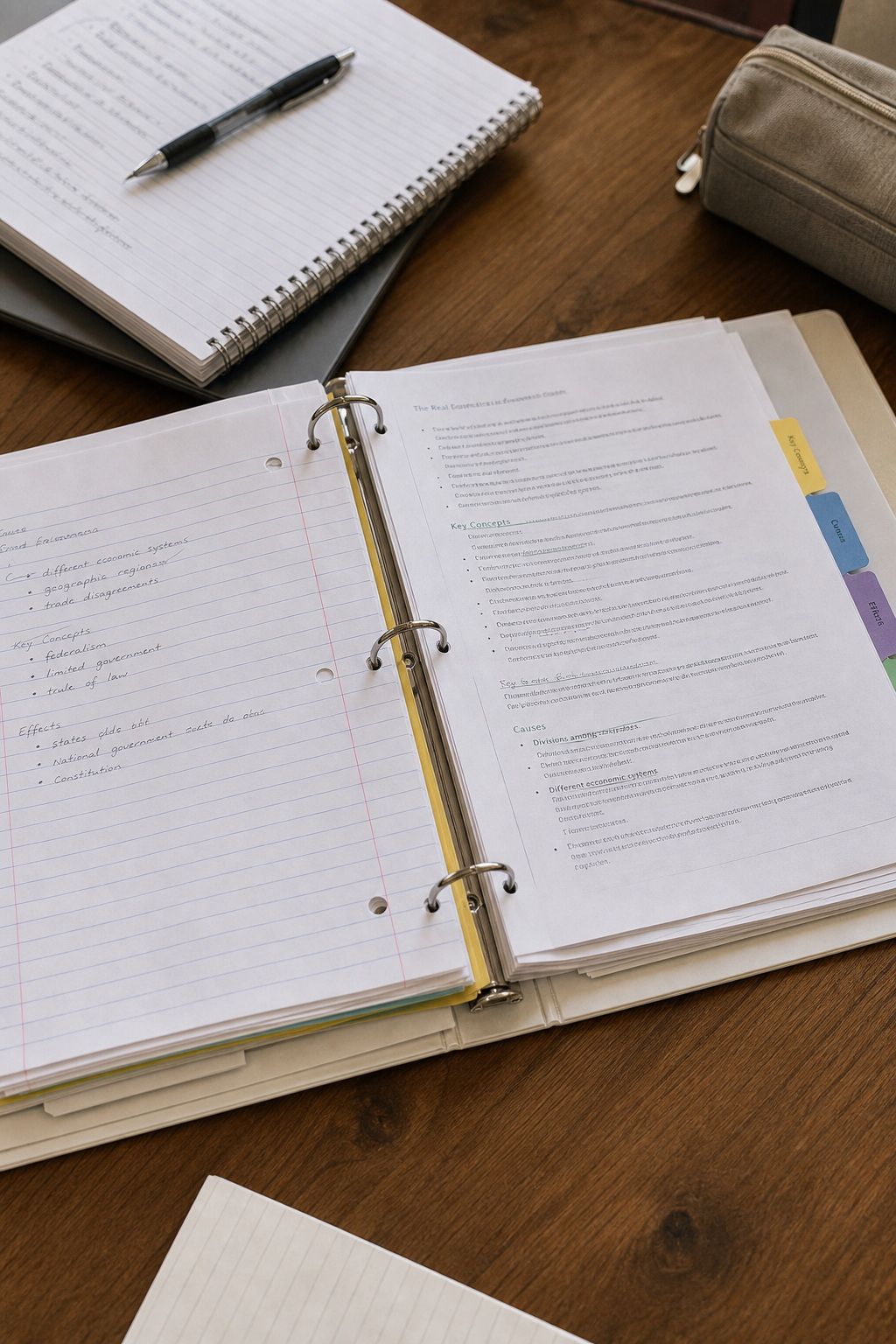


A 1-inch or 1.5-inch binder for each major class, with dividers for syllabus, notes, assignments, and exams. The binder keeps a semester organized.
A quality 3-ring binder plus dividers runs about $15-25. The dividers are what turn a binder from a stack of loose paper into a real system, with a tab for the syllabus, one for notes, one for graded assignments, and one for exam prep so nothing gets lost mid-semester. Not every class needs its own binder, and many students do well with one large binder split into sections, but anything paper-heavy genuinely earns a binder of its own.
7. Folders Color-Coded



Color-coded pocket folders, one color per class, for loose handouts and worksheets. The color-coding speeds retrieval.
A pack of 6-10 quality folders costs about $5-10. The whole point of color-coding is speed, so when a professor hands back a worksheet you know the blue folder is biology and the green one is history without having to read a single label. Pick the same color for a class across every supply, the folder, the notebook, the binder tab, and routing paper to the right place stops being a decision and becomes a reflex.
8. Sticky Tabs
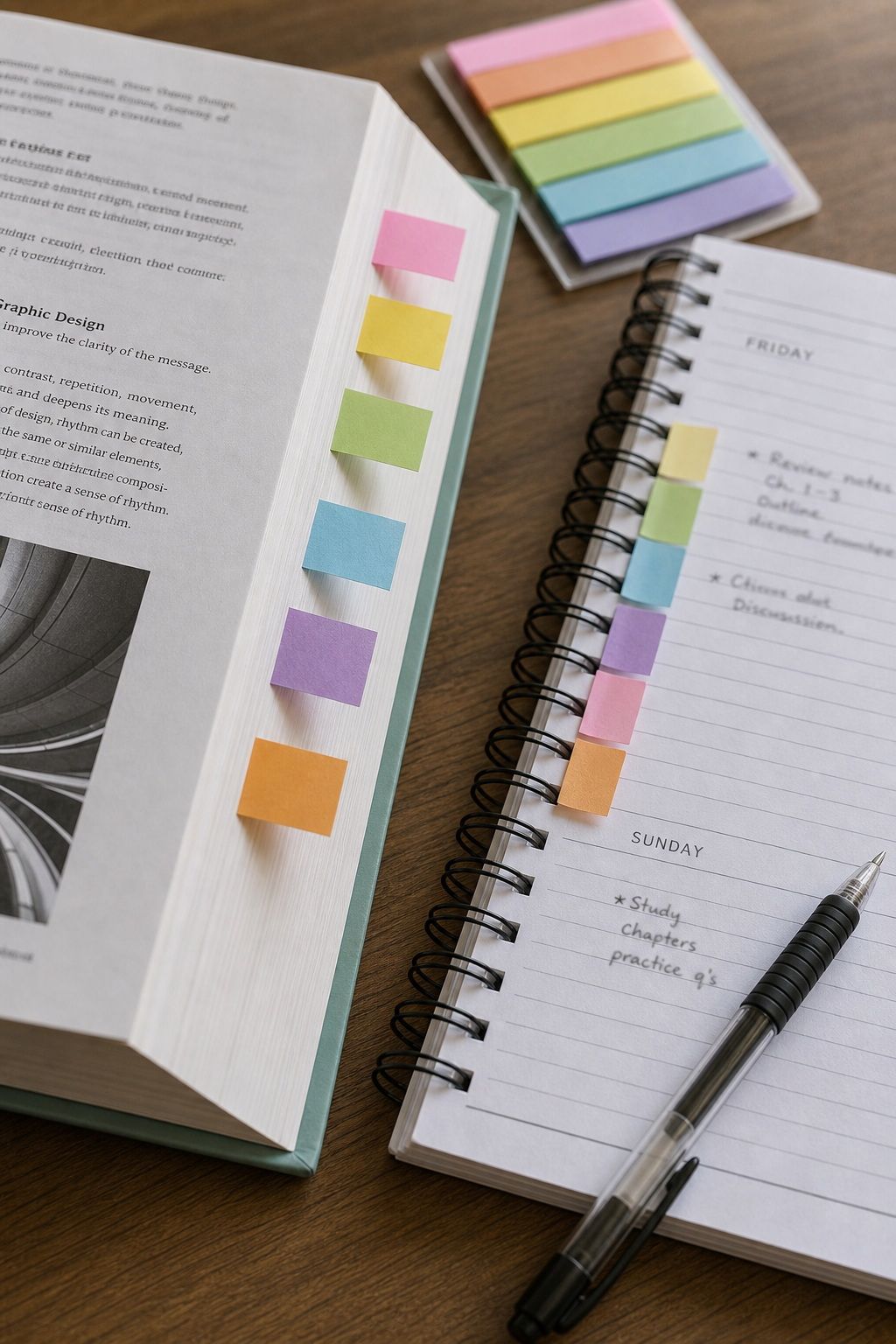


Sticky tabs in multiple colors for marking pages in textbooks, planners, and notebooks. Tabs work where dog-ears do not.
A multi-color sticky tab pack runs about $10-15. Tabs shine in any class with a heavy textbook, because flagging the start of each chapter or every formula page means you find what you need during a timed exam instead of flipping blindly. They also work as a quick visual to-do system inside a planner, marking the week’s biggest deadline or the page you stopped reading, and unlike dog-eared corners they peel off cleanly when the semester ends.
9. Index Cards
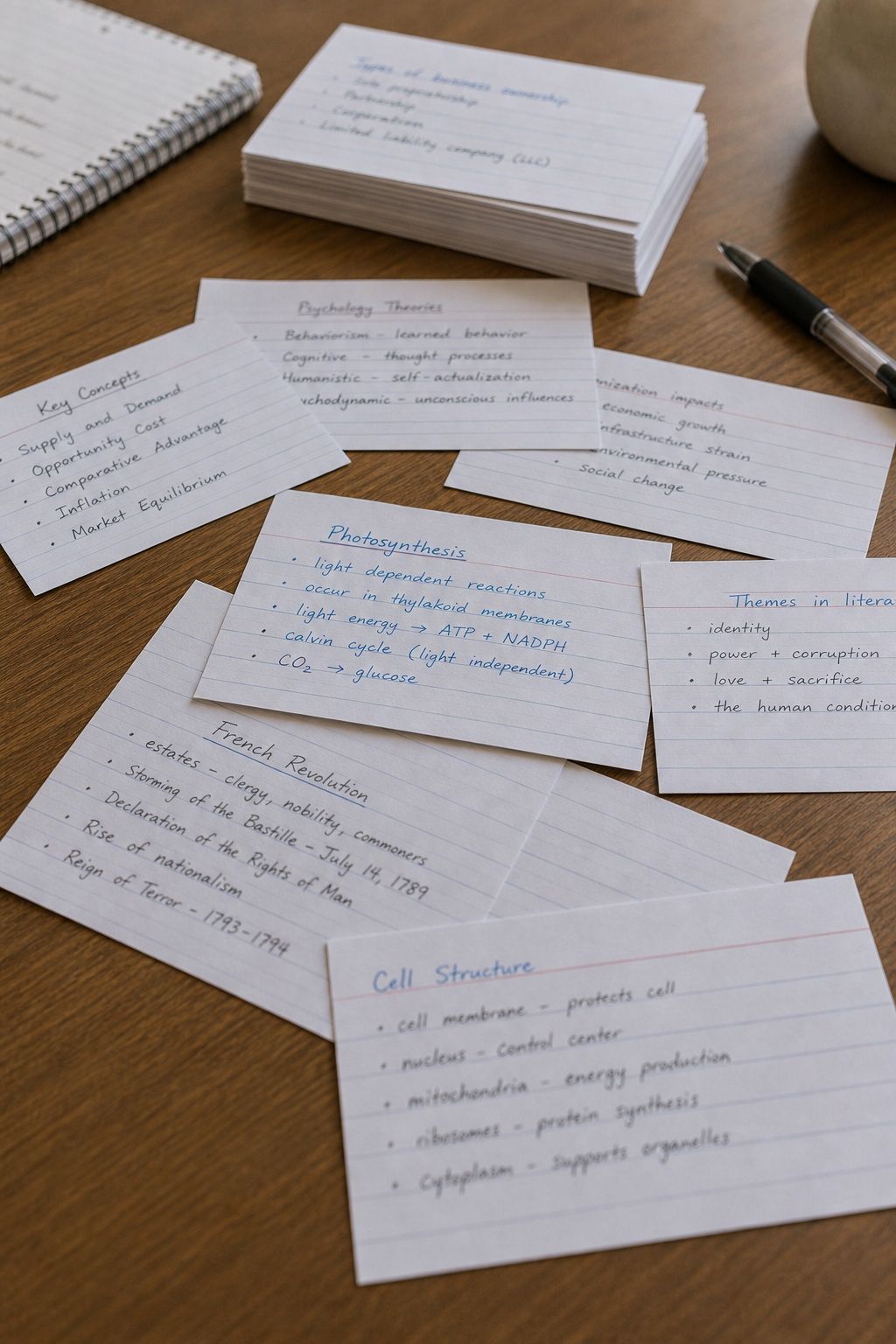


A stack of index cards for flashcards, quick references, and exam study. The classic study tool still works.
About $5-10 covers 500 cards plus a card box or ring binder. Index cards stay relevant because the act of writing a term on one side and the answer on the other is itself a form of studying, long before you start quizzing yourself. A small ring binder punched through the corner keeps a deck together so cards do not scatter in a backpack, and a stack of flashcards is the rare study tool you can run through in the ten quiet minutes before a lecture starts.
Tech Essentials
10. Laptop



A reliable laptop appropriate for your major. Most students do well with a mid-range laptop ($500-1000). Engineering or design students may need higher specs.
Shopping the student discounts at Best Buy, Costco, or directly from the manufacturer can save 10-20%. Before buying, check whether your department or major recommends a specific operating system or software, since some programs run far better on one platform, and engineering or design students often need more processing power and storage than a general-studies student would. Battery life matters more than raw speed for most people, because a laptop that lasts a full day of classes saves you hunting for an outlet between lectures.
11. Wireless Mouse
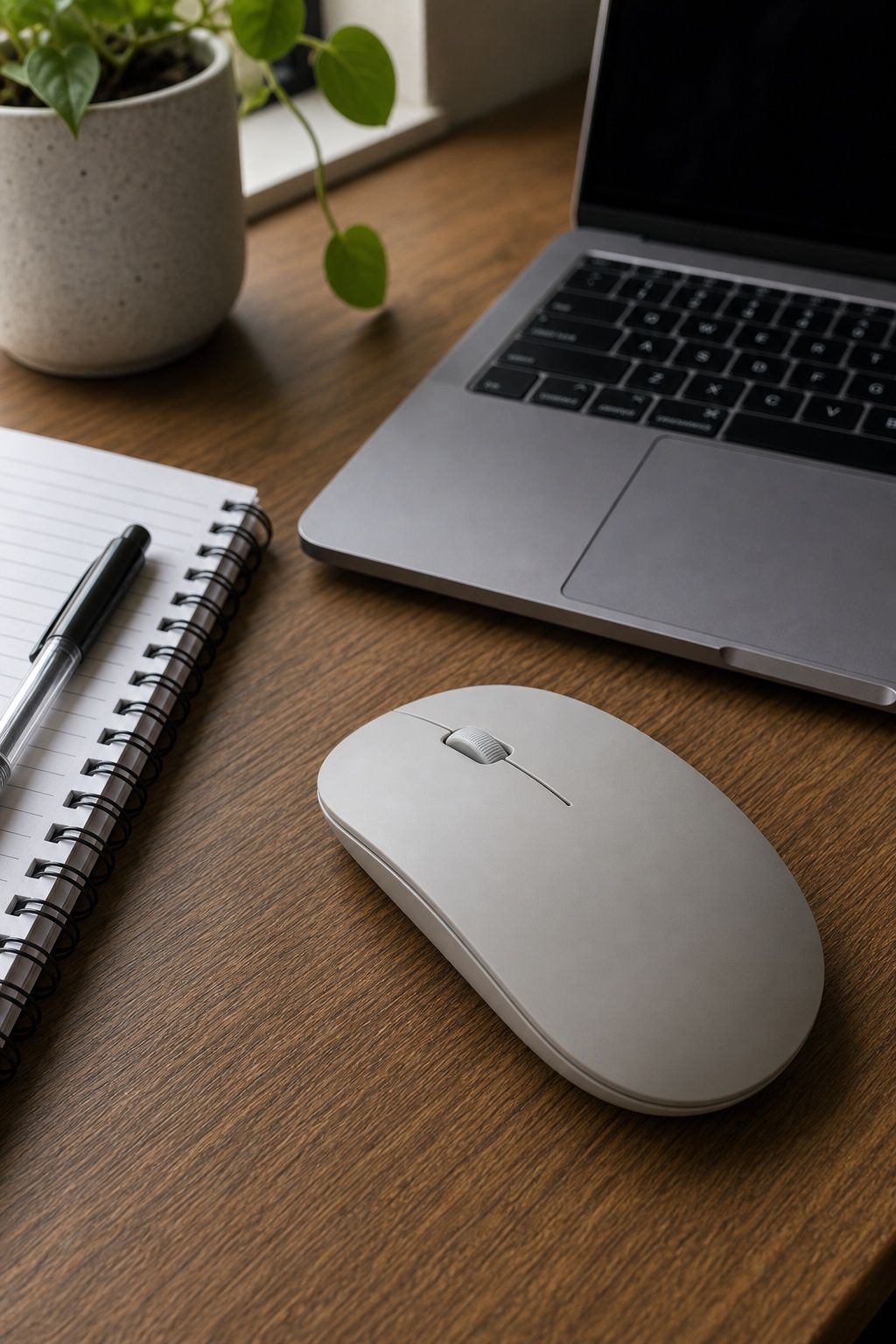


A quality wireless mouse (Logitech MX or similar at the mid-tier) for hours of laptop work. The mouse beats the trackpad for productivity.
A quality wireless mouse from Logitech or Apple runs about $30-80. A real mouse makes a genuine difference for anything beyond casual browsing, since spreadsheets, design work, and long research sessions all go faster than they ever would on a trackpad. Look for one that runs on a rechargeable battery or a long-life replaceable one, and a quiet-click model is a small kindness to a roommate or a silent library.
12. Headphones Noise-Cancelling
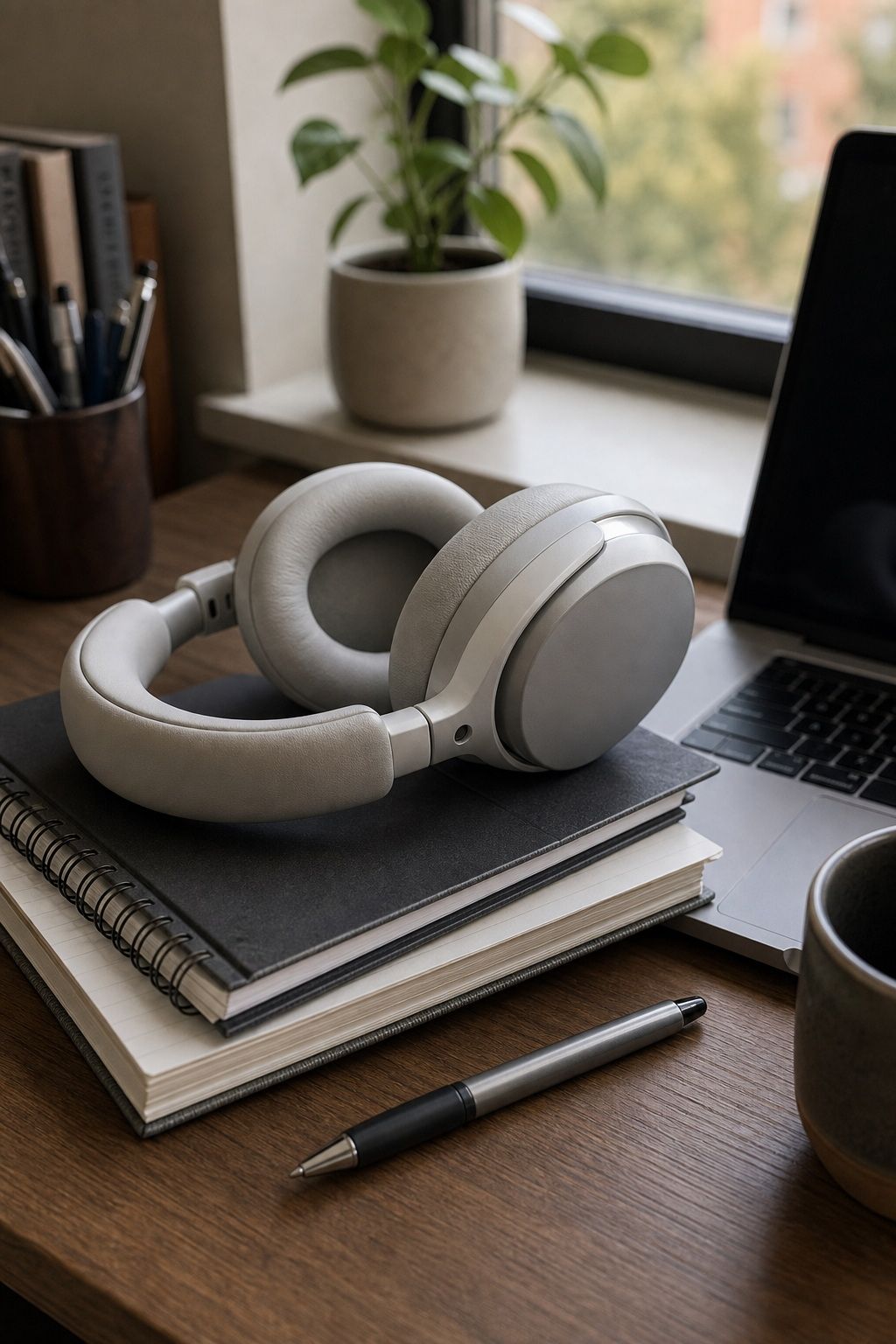


A pair of noise-cancelling headphones for studying in noisy dorms or libraries. Sony WH-1000XM6 or Bose QuietComfort are the gold-standard picks.
Premium noise-cancelling runs about $250-400, while budget alternatives like the Sony WH-CH720N get roughly 80% of the experience for $150. Noise-cancelling is less a luxury than a survival tool in college, where a dorm is rarely quiet and even the library has a chatty corner, and being able to switch off the noise around you is what makes focused study possible on a hard day. Over-ear models tend to block more sound and feel better over a long session, while earbuds win on portability, so the right pick comes down to where you actually study.
13. Portable Charger
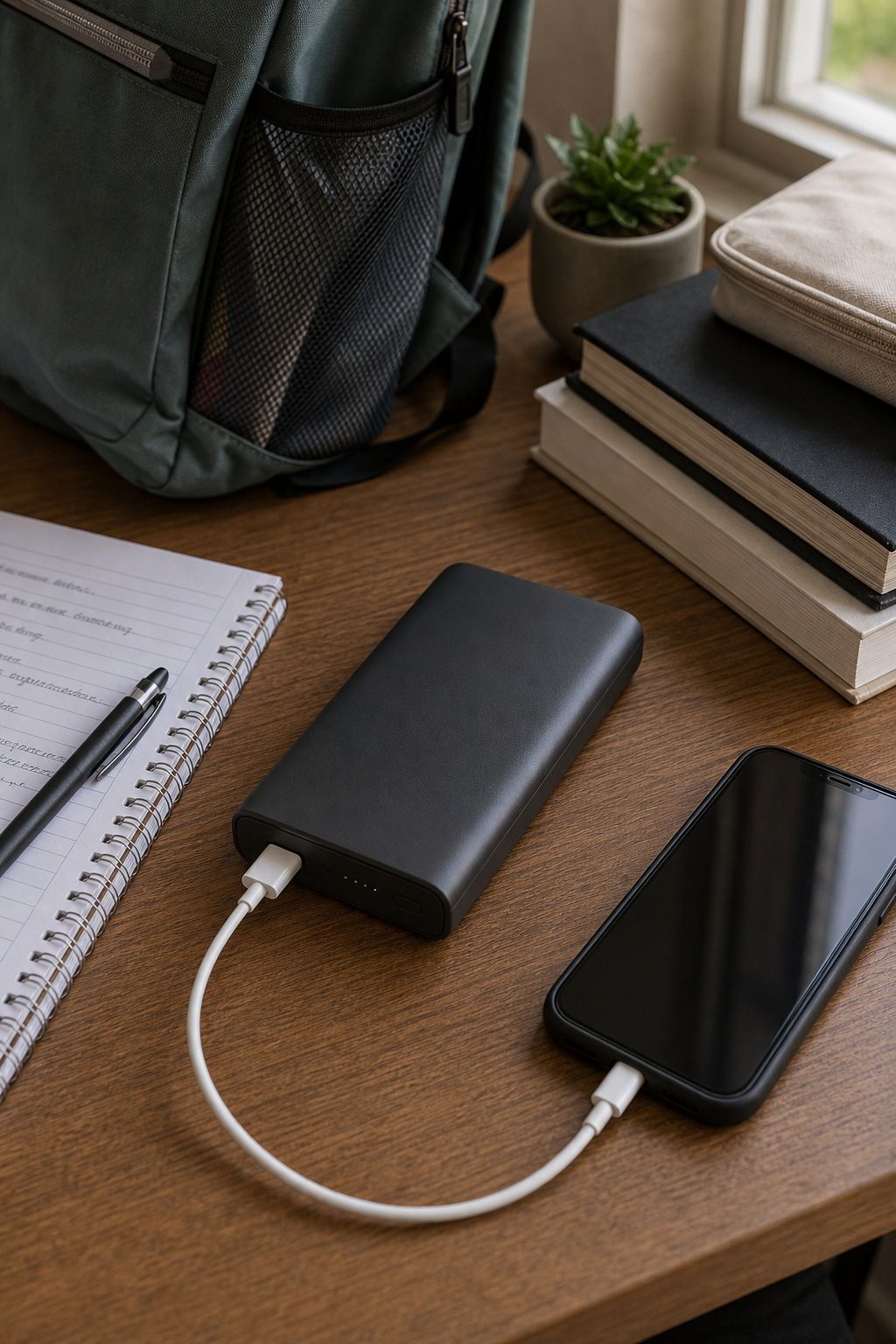


A 10,000-20,000 mAh portable charger for long days on campus. The charger handles phone, tablet, and even laptop charging in a pinch.
A quality portable charger from Anker or Belkin costs about $30-60. A campus day stretches long, with back-to-back classes, a study block, and a walk home, and a phone running on fumes by mid-afternoon is a small daily stress a charger simply removes. A 10,000 mAh pack tops up a phone a couple of times and slips into a backpack pocket, and the habit that makes it useful is plugging it in overnight so it is full when the day starts.
14. External Hard Drive
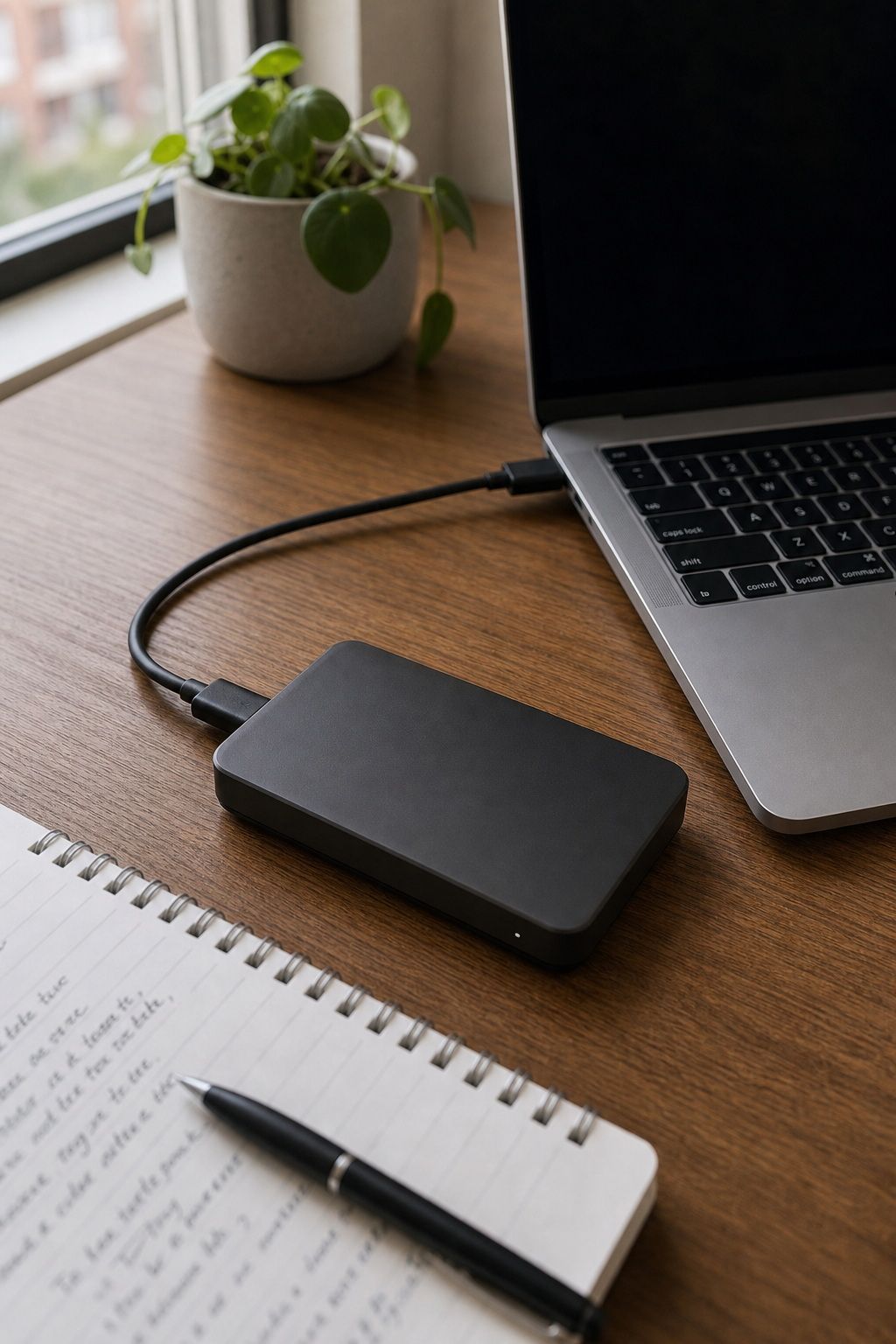


A 1TB or 2TB external hard drive for backing up coursework, photos, and important files. Cloud backup plus local backup is the safe approach.
A quality external drive from Seagate or Western Digital runs about $50-100. Every student eventually hears the horror story of a laptop dying the week before finals with a term paper trapped inside, and a backup drive is cheap insurance against being that story. The strongest setup keeps two copies, one in the cloud and one on the drive, so a lost laptop, a corrupted file, or a stolen bag never takes your coursework with it.
Bags and Storage
15. Backpack Laptop-Compatible
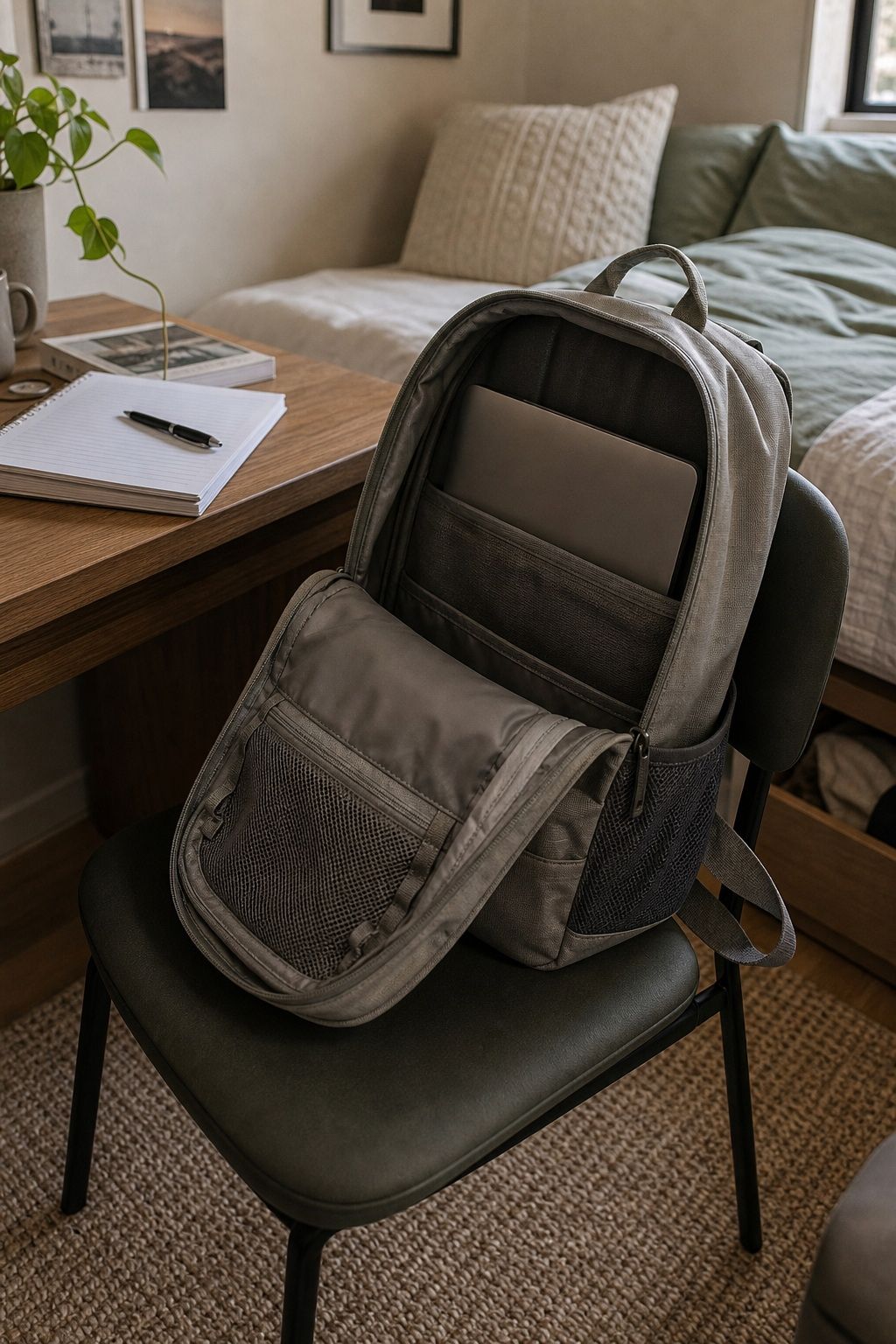
A backpack with a dedicated padded laptop compartment, multiple smaller pockets, and ergonomic straps for daily campus use.
A quality backpack from Patagonia, North Face, or Herschel runs about $60-150. This is one place the spend is genuinely worth it, since the backpack carries a laptop’s worth of value across campus every single day and gets opened and closed dozens of times a week. Look for a padded, suspended laptop sleeve that keeps the device off the ground when you set the bag down, wide ergonomic straps that spare your shoulders on a heavy day, and water-resistant fabric for the walk to class in the rain.
16. Laptop Sleeve
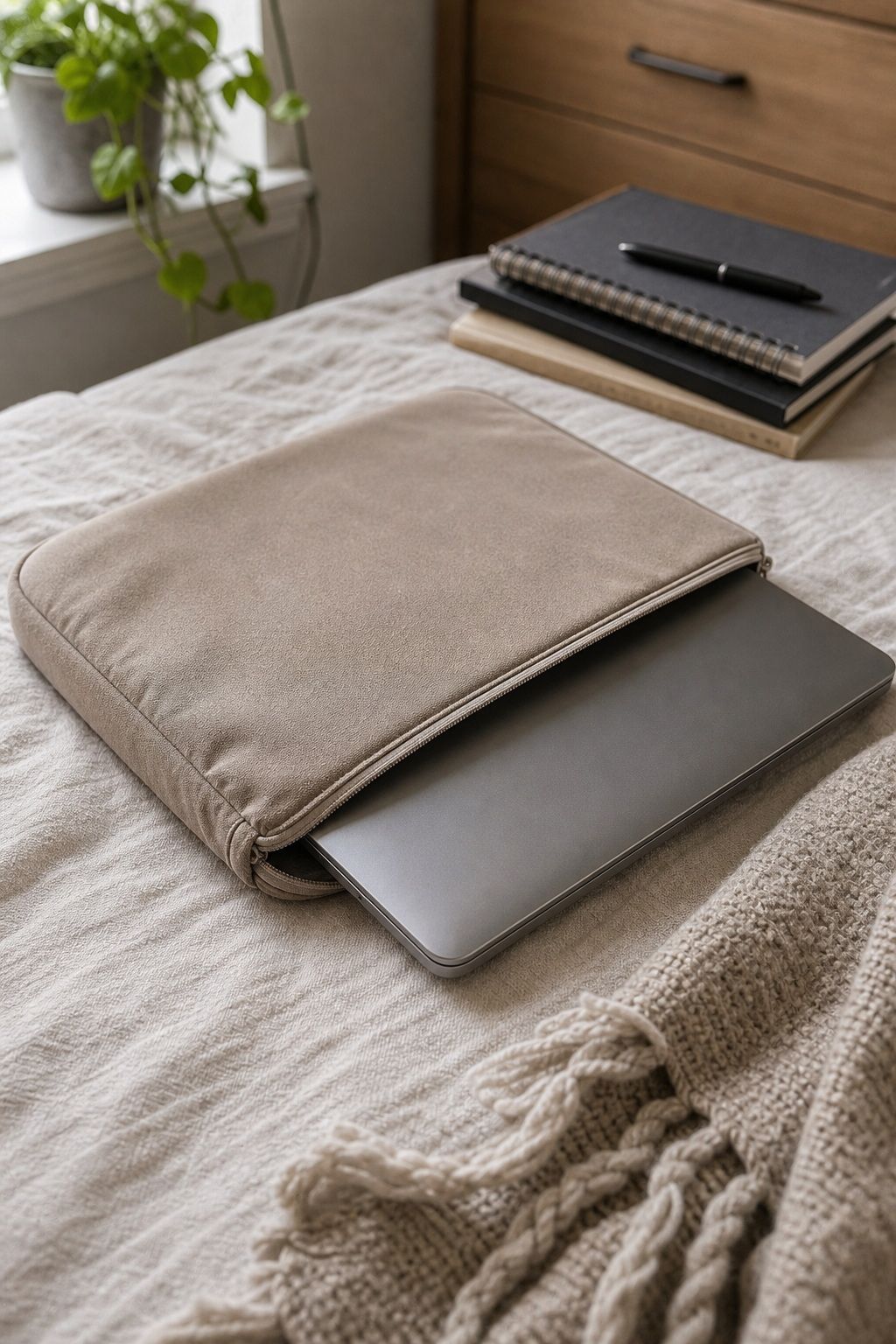
A padded laptop sleeve to use inside the backpack for extra protection. The sleeve also doubles as a slim laptop bag for short trips.
A quality sleeve from Amazon or Apple costs about $20-35. A sleeve adds a real layer of cushioning inside the backpack, so a dropped bag or a hard knock against a desk does not become a cracked screen. It also doubles as a slim carry case for a quick library run or a coffee-shop study session when hauling the full backpack feels like overkill, so measure your laptop and buy the size that fits snugly rather than one it slides around in.
17. Lunch Bag Insulated
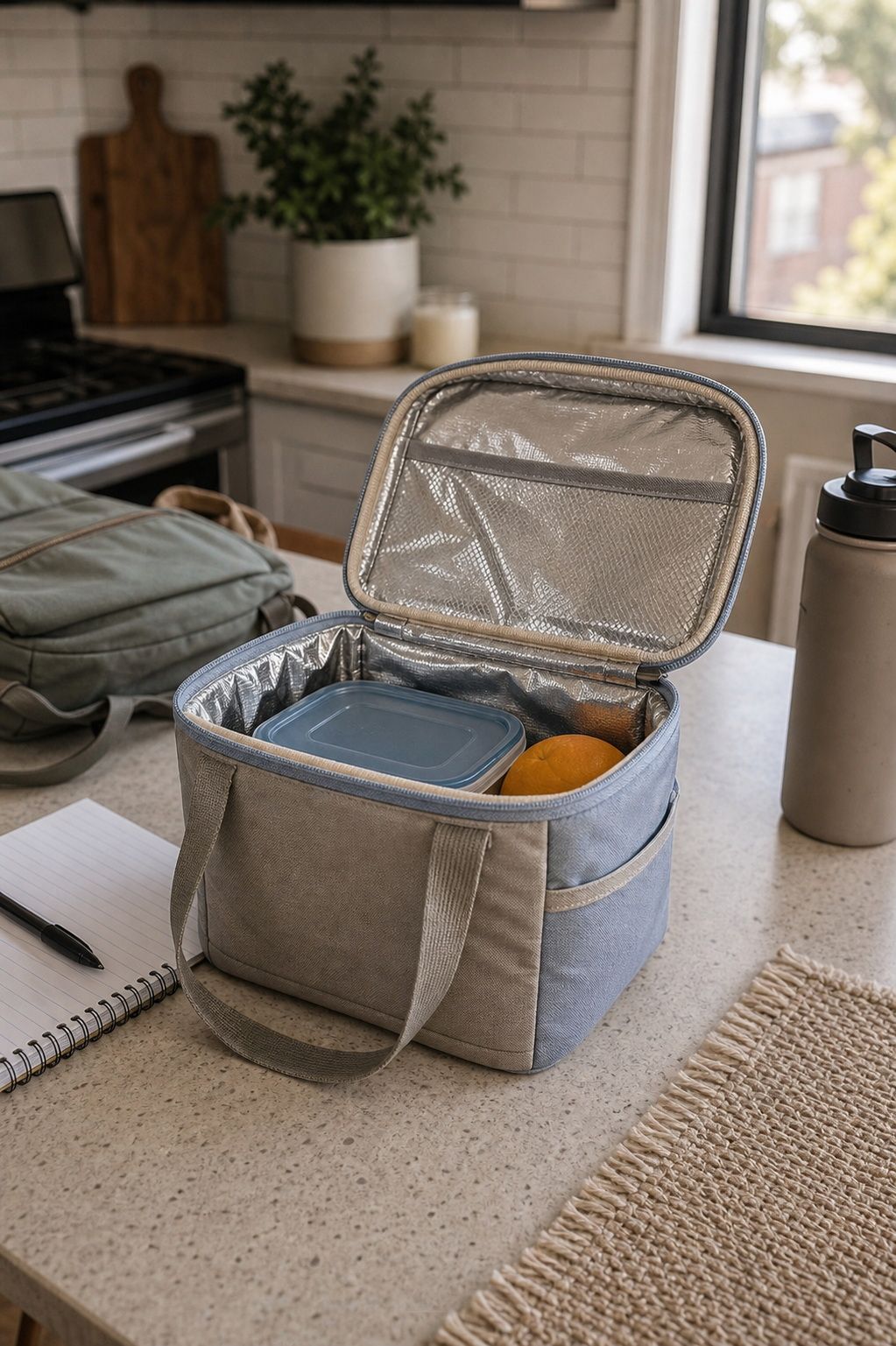


An insulated lunch bag for bringing meals from the dining hall or dorm to class. Keeps food cold or warm through morning and afternoon classes.
A quality lunch bag from Built or PackIt runs about $20-35. Bringing food from the dorm or dining hall is one of the easiest ways to cut spending across a semester, and an insulated bag keeps a yogurt cold or a wrap fresh through a stretch of back-to-back morning classes. A model that folds flat when empty tucks into a backpack without taking over, and a wipe-clean lining handles the inevitable small spill far better than fabric.
18. Water Bottle



A 24-32 oz insulated water bottle. The bottle keeps water cold for hours and reduces the dining hall plastic-bottle habit.
A quality Hydro Flask, Yeti, or Owala costs about $25-40. Staying hydrated through a long day of classes is easy to forget, and a bottle clipped to or tucked into the backpack is the simple nudge that keeps water within reach between lectures. An insulated bottle keeps water genuinely cold for hours, a wide mouth makes it easy to add ice or rinse out, and using a refillable bottle quietly saves the steady cost of buying drinks on campus all term. With supplies covered, you can make the room itself feel like home with these stylish college dorm room ideas. Moving into your own place after the dorm years? This first apartment checklist covers everything you actually need.
Frequently Asked Questions
What back-to-school supplies do college students actually need?
Four categories, writing and note-taking (notebooks, planner, pens, highlighters, pencils), organization (binder, folders, tabs, index cards), tech (laptop, mouse, headphones, charger, hard drive), and bags and storage (backpack, sleeve, lunch bag, water bottle).
What is the most important back-to-school supply?
A reliable laptop and a quality planner. The laptop handles 90% of college coursework, and the planner handles the time management that determines whether the semester runs smoothly or chaotically.
How much should I budget for college supplies?
About $200-400 for the full supplies kit excluding the laptop. A quality laptop adds $500-1500. Many supplies can be reused from year to year (binders, backpacks, water bottles), so the first-year cost is the highest.
What tech do I need for college?
Laptop, wireless mouse, noise-cancelling headphones, portable charger, external hard drive. These five tech items handle 95% of college tech needs. Add a printer only if your school does not provide free printing.
What is the best backpack for college?
A backpack with a padded laptop compartment, multiple smaller pockets, ergonomic straps, and water-resistant material. Patagonia, North Face, and Herschel all make quality college backpacks in the $60-150 range.
Do I need a printer for college?
Most schools provide free or low-cost printing on campus. Confirm your school’s policy before buying a personal printer. If you do extensive printing or work from your dorm, a small wireless printer is worth the $80-150 investment.
Key Takeaways
- Four categories, writing/note-taking, organization, tech, bags/storage.
- A quality laptop and planner handle most college productivity needs.
- Wireless mouse, noise-cancelling headphones, portable charger are the tech upgrades that matter.
- Color-coded folders and sticky tabs speed retrieval.
- Quality backpack with laptop compartment, sleeve, insulated water bottle.
- Reuse supplies year to year to spread the first-year cost.
Final Thoughts
College back-to-school supplies break into writing, organization, tech, and bags. Get the laptop and planner right, add the small tech upgrades (mouse, headphones, charger), and bring a real backpack with a laptop compartment. The semester runs smoother when the supplies actually match the workload.
Last update on 2026-10-22 / Affiliate links / Images from Amazon Product Advertising API
