

Good holiday hosting comes down to timing more than effort. Send the invite four weeks out, plan the menu around your real headcount and space, set the table and bake dessert the day before, and keep the two hours before guests arrive for an actual break. Then spend the first thirty minutes greeting people, not cooking.
Guests forget the menu by January. What they remember is whether the host looked happy to see them or spent the whole night with her head in the oven, and that’s why my favorite holiday hosting tips have very little to do with recipes. I cooked for a living for about fifteen years, fine dining to banquets, and now I live in a 73 m² apartment in Finland, and the calm nights I’ve seen, in a banquet hall or a small home, all had one thing in common: the work was done before anyone rang the bell.
Below, the tips run in the order you’d use them, from the invite four weeks out to the last coffee of the night, with the money, menu and space math in the middle and the atmosphere stuff at the end. Every one of them buys you a few minutes to sit down at your own party, which is the point of planning at all.
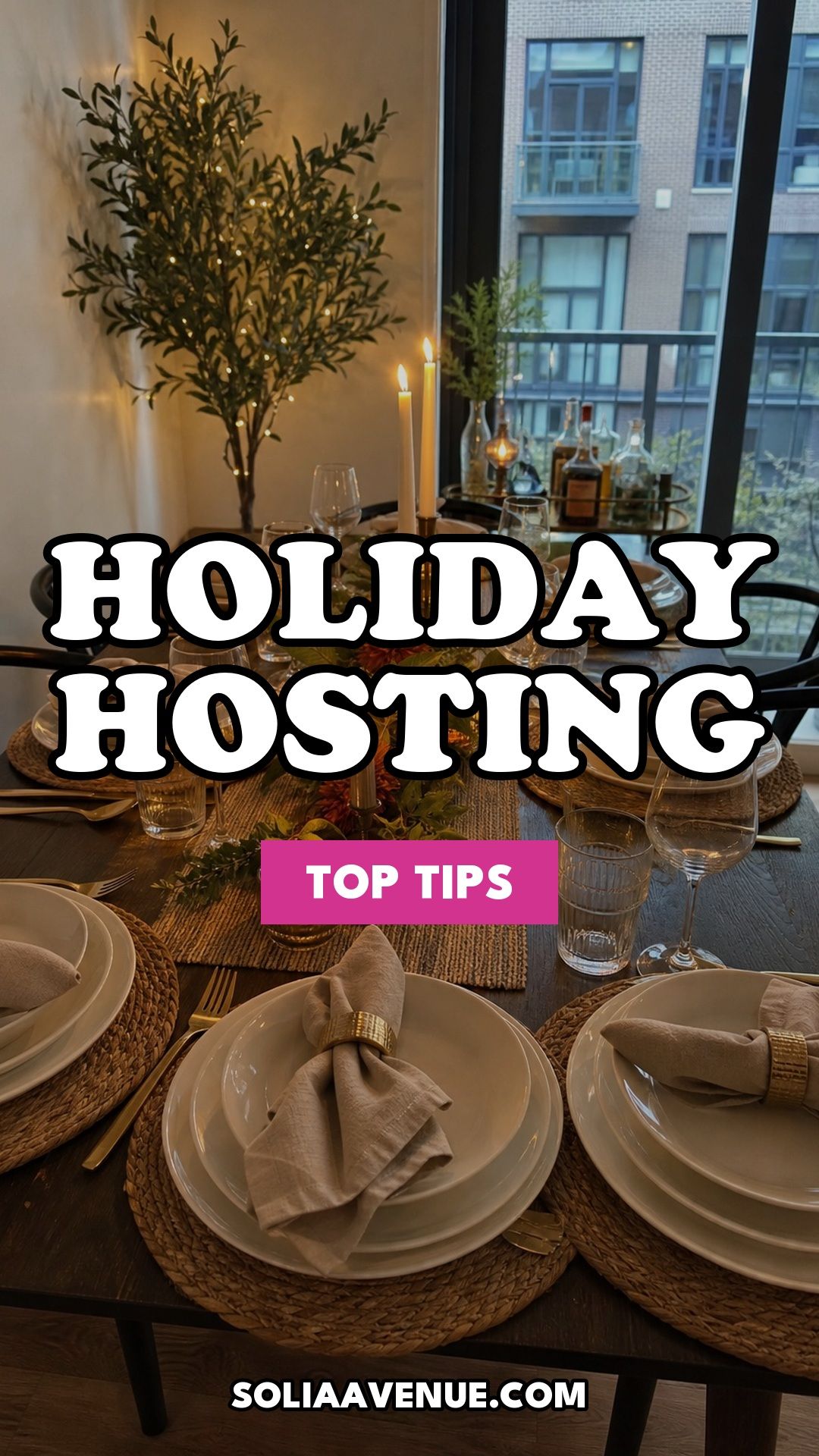
Recommended Holiday Hosting Essentials
A short list of the products that the calmest holiday hosts keep on hand, so the table looks set even when the rest of the day did not go to plan.


Recommended blogs to read:
- Thanksgiving hosting ideas
- Guide to hosting Christmas dinner at home
- Hosting in a small apartment tips
- Dinner hosting ideas
- Hosting essentials
When Should You Start Planning a Holiday Party?
About four weeks ahead, with one job per week so nothing piles up at the end.
1. Four Weeks Out, Lock the Date and Send the Invite
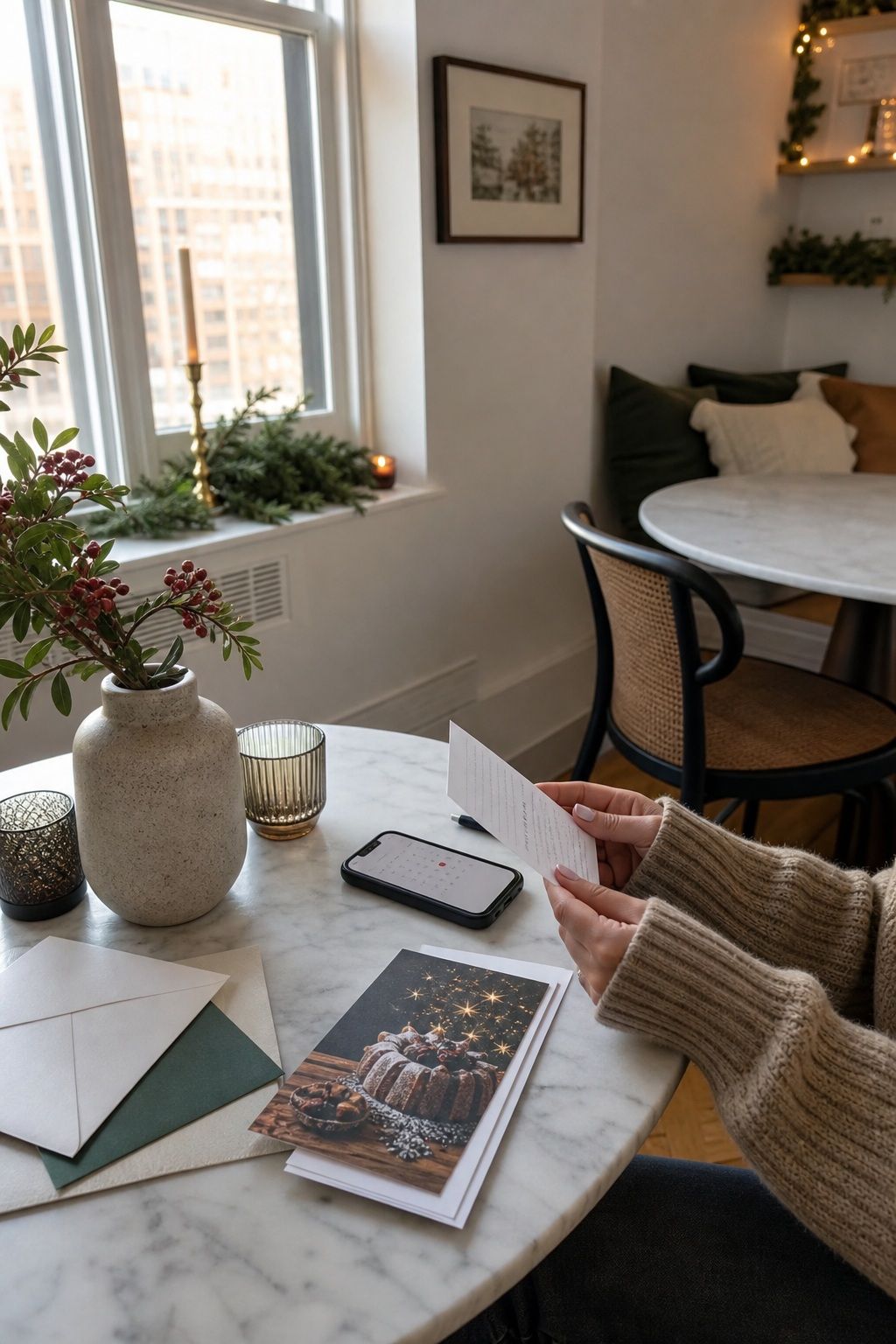


Four weeks sounds like overkill until you look at a December calendar. Between office parties and school concerts everybody fills up fast, and an invite that lands ten days before the party mostly collects polite regrets. Sending it a month out gives people time to say yes and gives you a real headcount early, which every other decision on this list depends on.
A group text is fine for close friends, but a paper card with a green envelope makes the night feel like an event before anyone arrives. Put the date, the start time and one line about the food on it, so people know whether to eat beforehand, and ask for an answer by a set day. Chasing replies two days before the party is nobody’s idea of fun.
Read more: Top 18 Hosting Appetizers That Wow Guests with Almost No Effort
2. Three Weeks Out, Build the Menu and the Theme
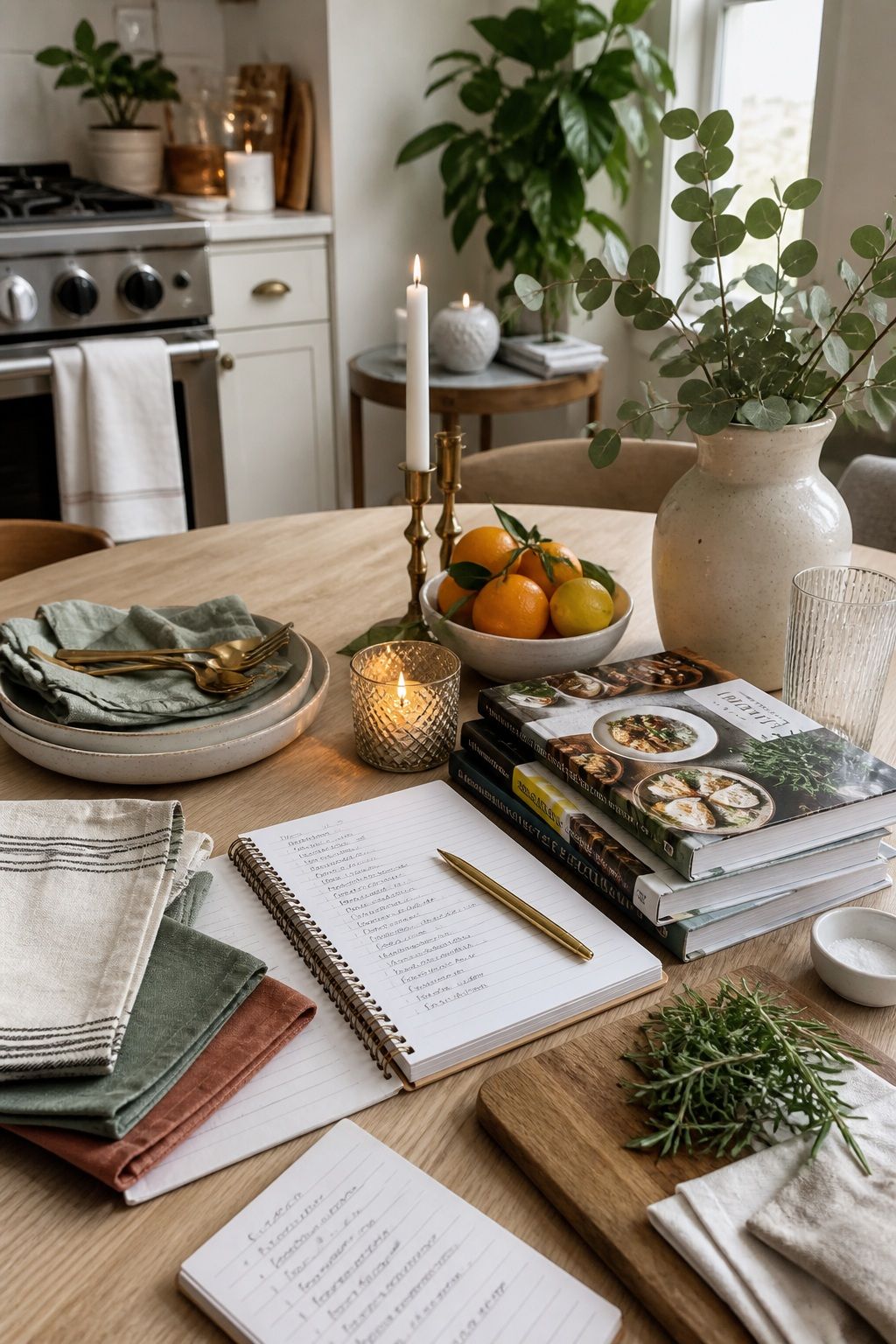


Three weeks out, the menu goes on paper, and paper beats a notes app here because you can see the whole meal at once and spot the problems. Three dishes that all need the oven at the same temperature at six o’clock? Much better to find that out now than on the day.
- Write the main dish first, then the sides that balance it, then one dessert.
- Circle everything that can be made ahead and cross out anything that needs last-minute frying.
- Pull the theme from napkins and candles you already own, like a green and rust linen mix.
- Decide what to outsource, the bread from a bakery or dessert from the friend who loves baking.
If you’re hosting more than once this season, the best hosting Friendsgiving ideas work the same way, with jobs handed out early so the host isn’t doing everything.
3. Two Weeks Out, Order the Big Stuff and Pull the Linens
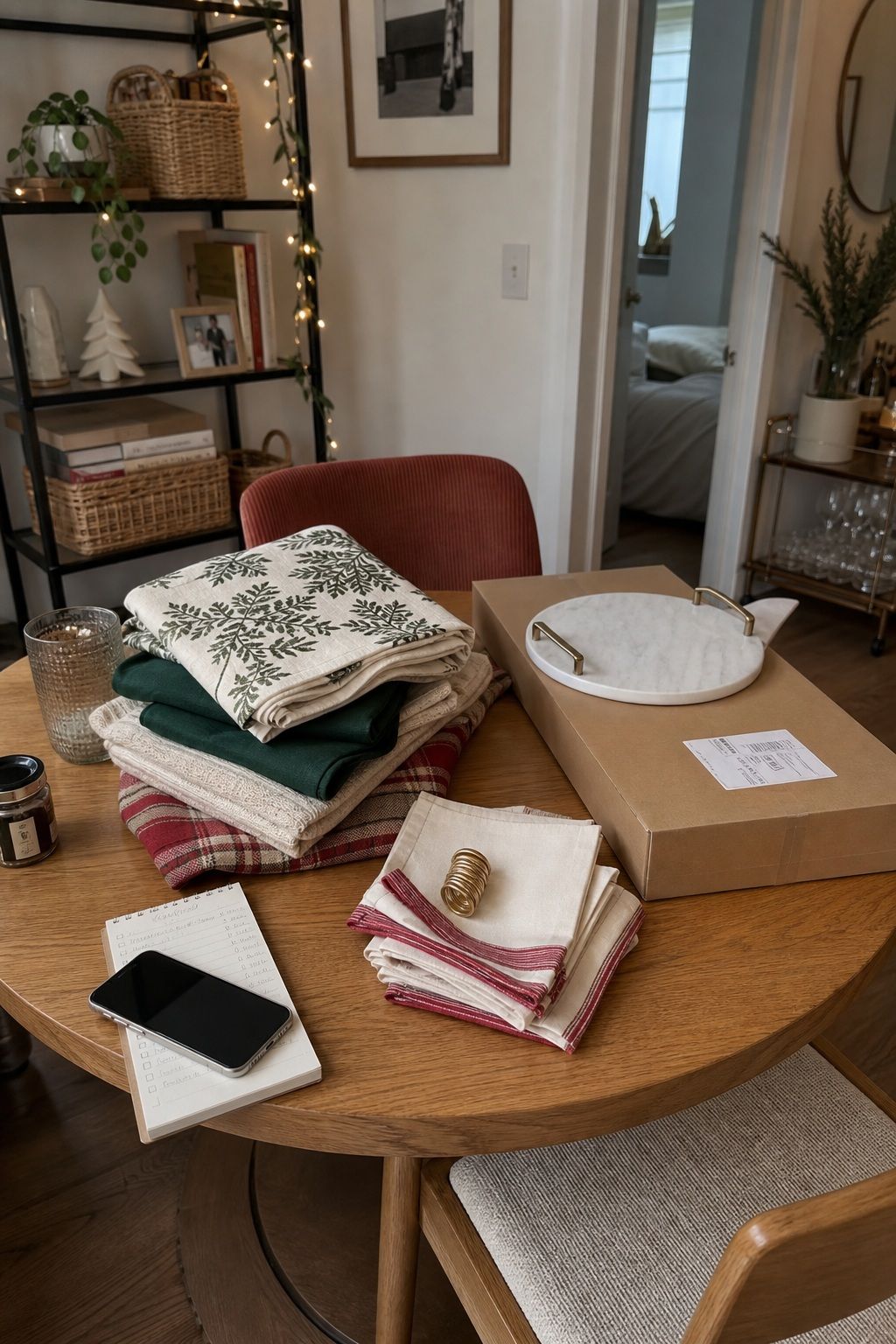


Two weeks out is for anything that ships, gets ordered or needs washing, and it’s the step people skip because it feels too early to matter. Order the special bottle, the flowers or the cheese board you’ve wanted, so a late delivery is a shrug and not a crisis. Then pull every tablecloth and napkin out of the closet and look at them in daylight. Folded linens hide stains and deep creases, and finding a gravy mark from last year on the morning of the party is a special kind of panic. Wash what needs washing now, hang it, and count the napkins against your guest list while you’re at it (there are always two fewer than you remember).
Read more: Top 18 Small Dining Table Ideas for Apartments and Tiny Spaces
4. One Week Out, Grocery Shop and Make the Day-Of Schedule
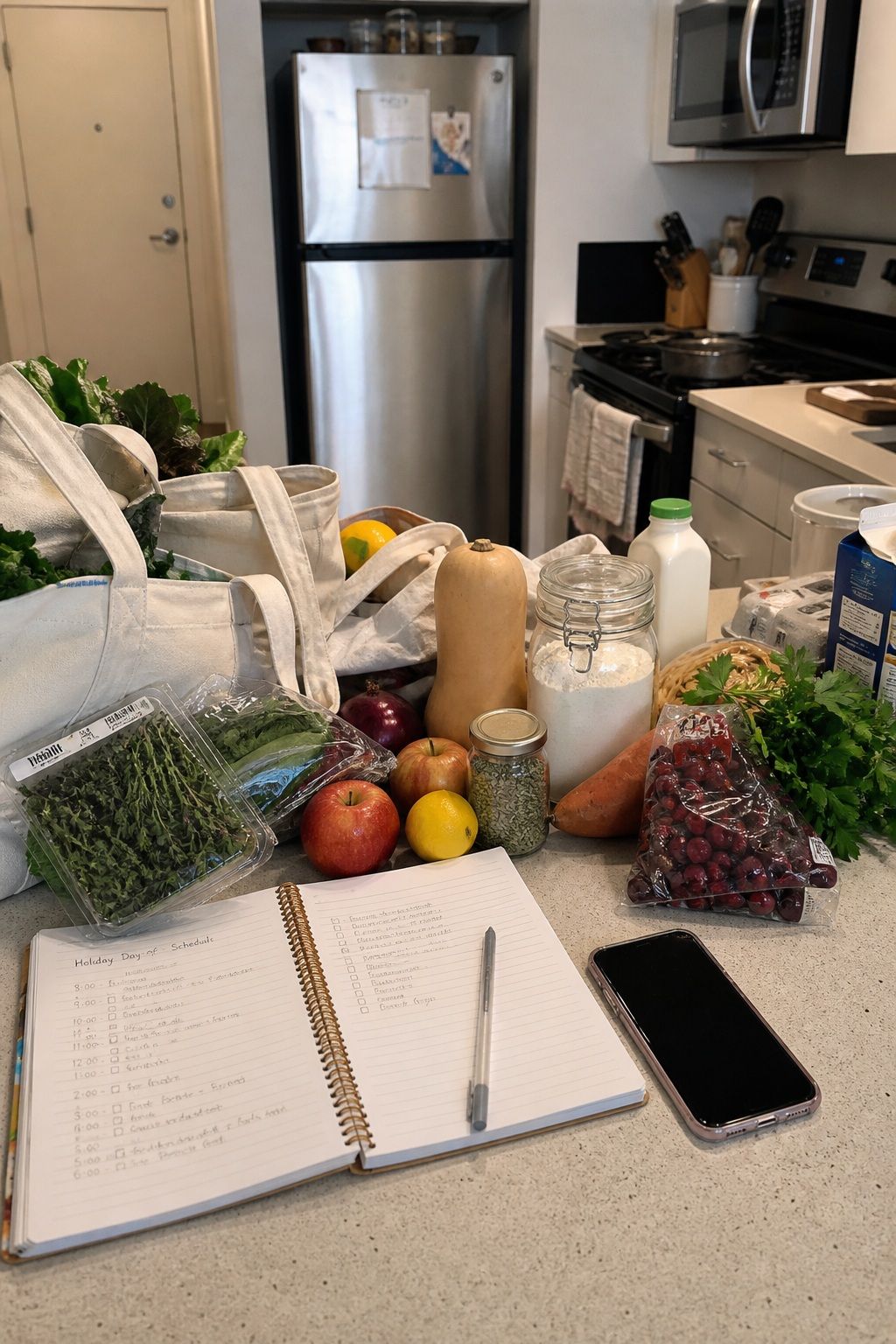


A week before, do the big grocery run for everything that keeps, like squash, apples and cranberries, plus the butter and the drinks. Splitting the shopping in two means the last trip is small and fast, just the fresh herbs, the bread and the protein, and you’re not fighting a packed store three days before a holiday with a trolley full of everything.
The other job this week is the day-of schedule, written by the hour. Start at the time guests arrive and work backward, from when the main dish needs to come out to when the oven goes on, when the appetizers go out and when you light the candles.
It looks fussy written down. On the day, though, you never have to stop and think about what comes next because the list already did the thinking, and you can glance at it while stirring something instead of doing mental math with a hot pan in your hand.
Read more: How to Fit a Dining Table in a Small Living Room in 5 Steps
What Should You Do the Day Before and the Day Of?
Anything that holds overnight happens the day before. That leaves the day itself for resetting the house, resting and greeting people.
5. The Day Before, Set the Table Completely
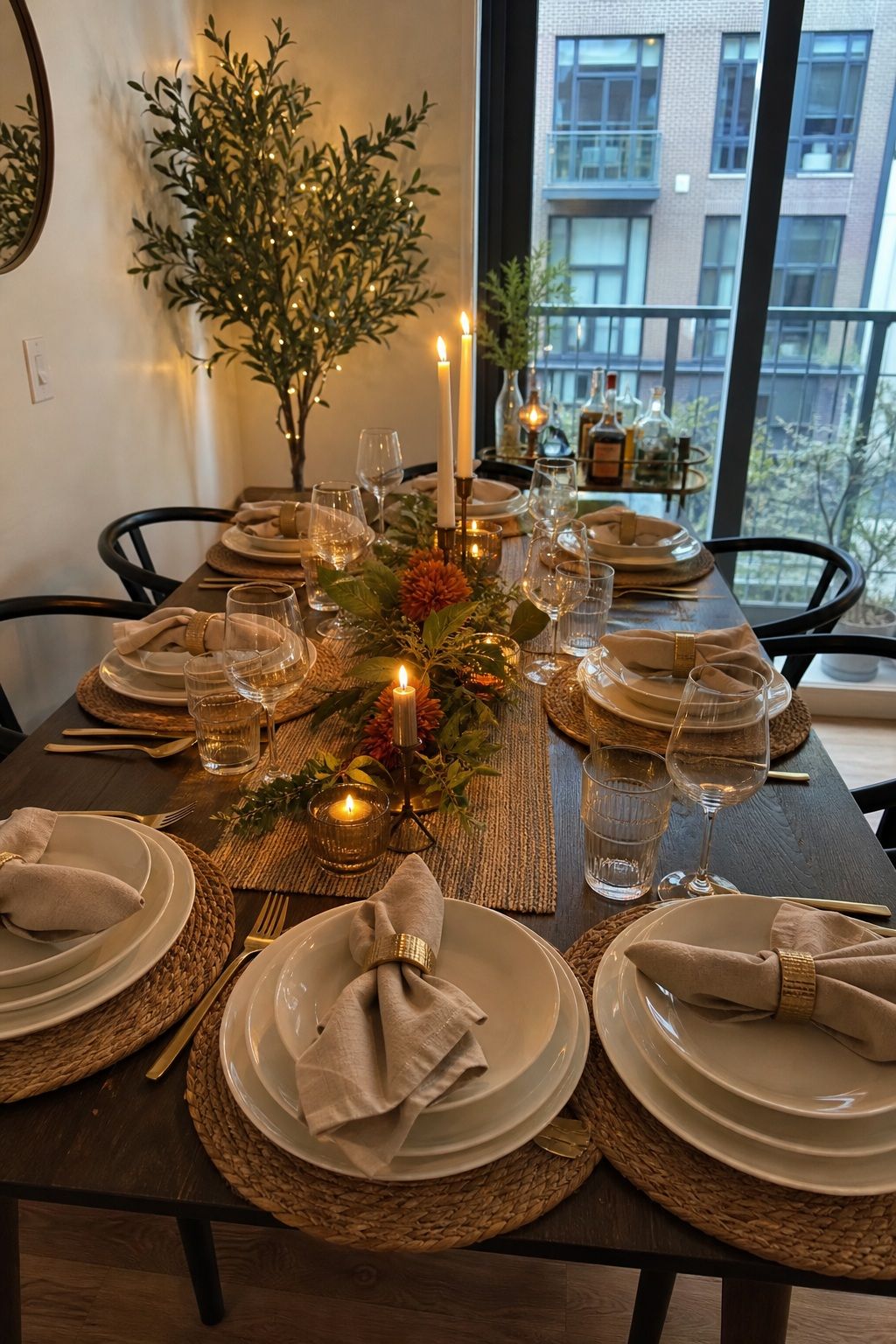


Setting the table completely the night before is the single change that makes the morning feel calm. Walking into the room and seeing every plate, glass, napkin and candle already in place tells your brain the party is half done, and in a way it is. It also shows you problems while there’s still time to fix them, like the extra chair that doesn’t fit or the runner that’s too long for your table.
Layer it the way autumn dinner party table settings are built: placemats or a runner, then plates, then the napkin knotted on top, tapers down the middle. If your table is on the small side, the small dining table ideas post has a few ways to squeeze in an extra seat without anyone eating off their lap.
6. The Day Before, Bake the Dessert and Prep What Can Wait
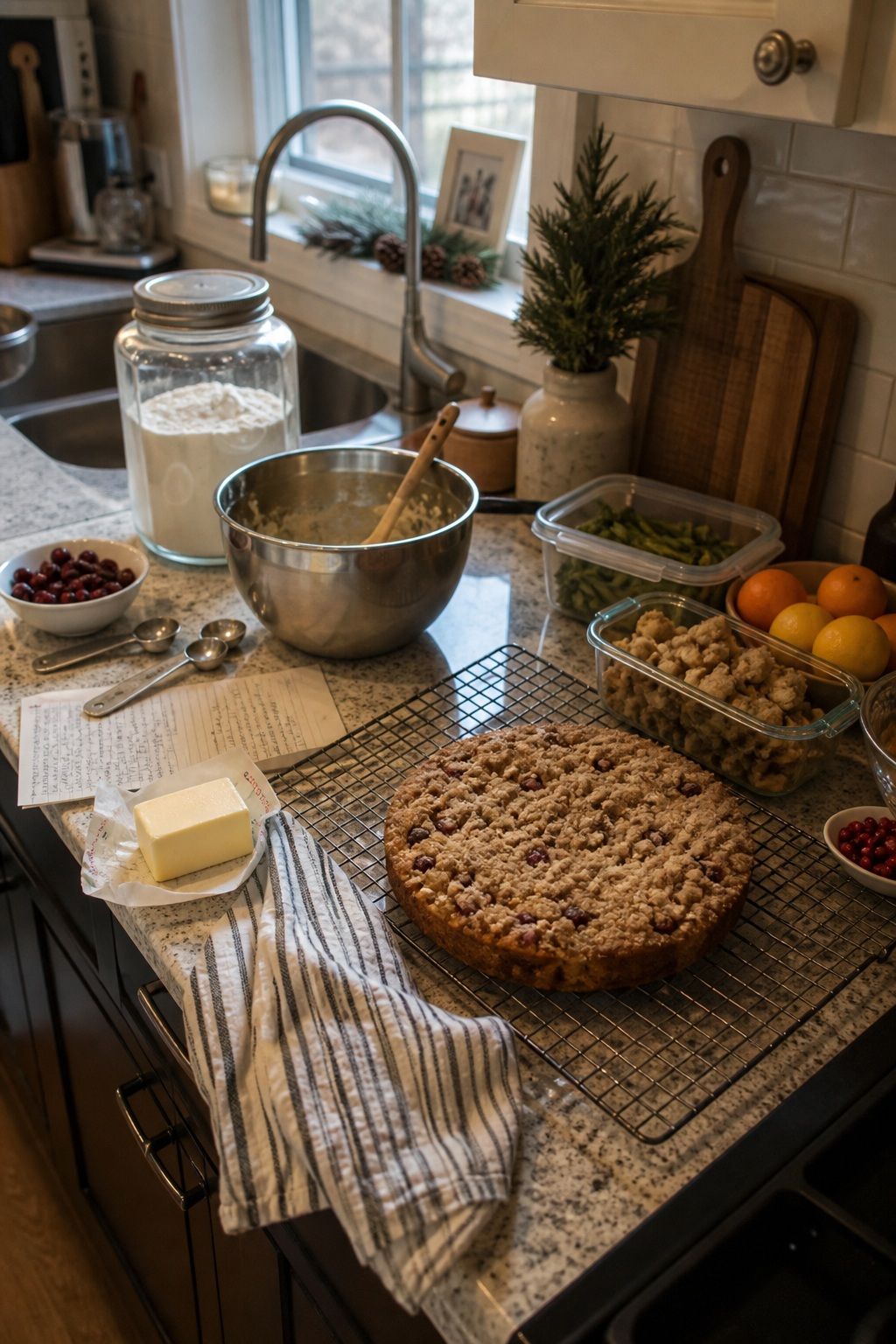


Anything that holds well overnight gets made the day before, and dessert is the obvious first pick because it’s usually the most stressful bake and the least likely to suffer from waiting. A crumble cooling on a rack on Wednesday night is a crumble you don’t have to think about on Thursday. While the oven is still warm, keep going with the small stuff that eats time later. Chop the vegetables into containers and mix the salad dressing, then measure the spices into little bowls. Kitchens call this prep and it’s the least glamorous part of cooking, but every ten-minute job you finish now is ten minutes you get back when guests are in the hallway taking off their coats.
Read more: Top 18 Friendsgiving Side Dishes to Elevate Your Holiday Spread
7. The Morning Of, Start with the Reset Not the Cook
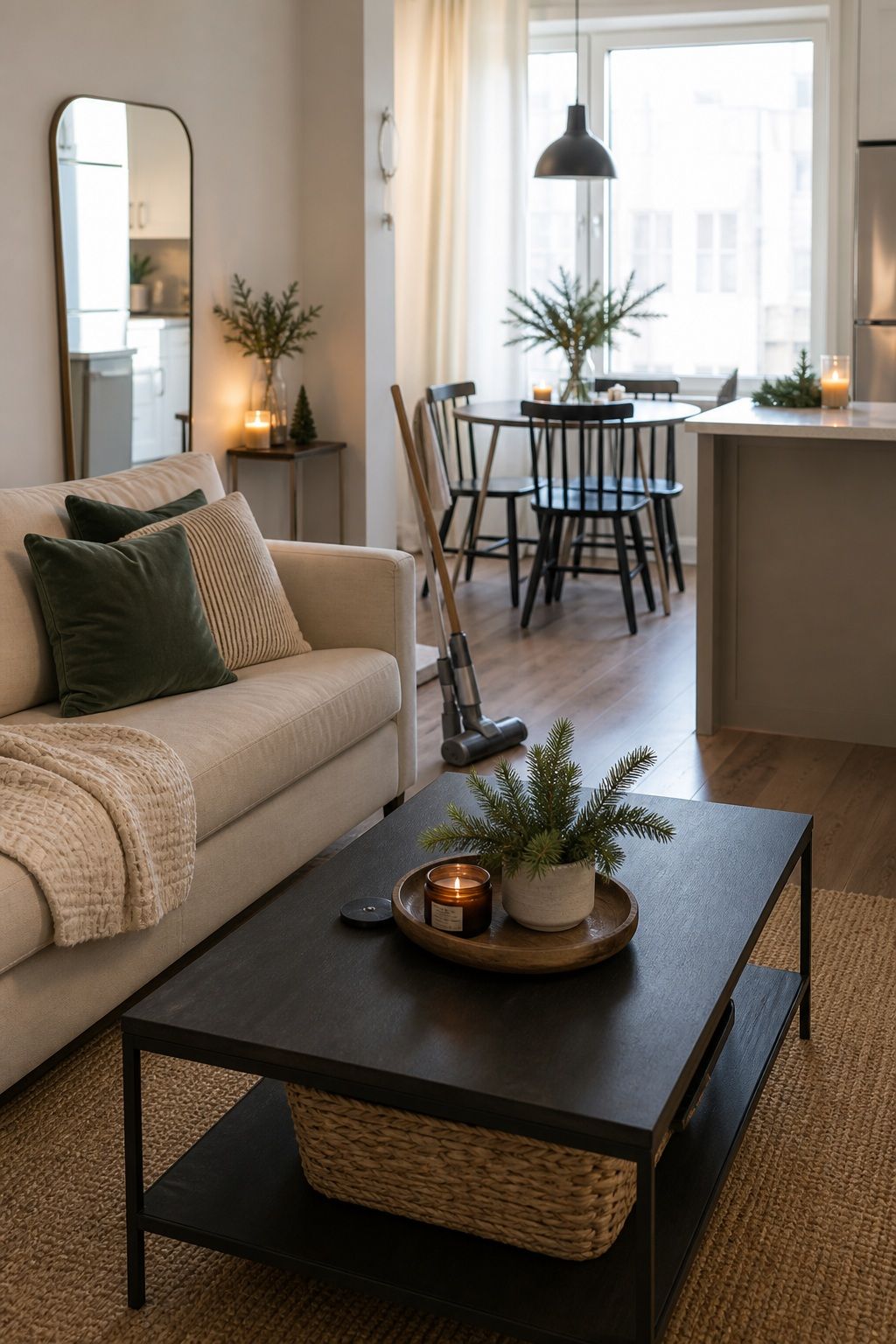


Why clean before you cook? Because once the cooking starts, the cleaning stops, and whatever mess is in the living room at ten in the morning will still be there at six. So the first hour of the day goes to resetting the rooms guests will see.
Breakfast dishes go away first, then wipe the counters, run the vacuum through the living room and put the coffee table back to its tidy version with one small plant and a candle. Fluff the sofa cushions, fold the throw, take out the trash and empty the dishwasher so it’s ready to swallow the prep bowls later.
After that, the cooking gets the kitchen and the rest of the home stays done. It’s a small mental trick, but it means the only mess anywhere when the doorbell rings is the useful kind on the stove.
Read more: Top 17 Breakfast Hosting Ideas for Easy Make-Ahead Mornings
8. Two Hours Before, Take a Real Break
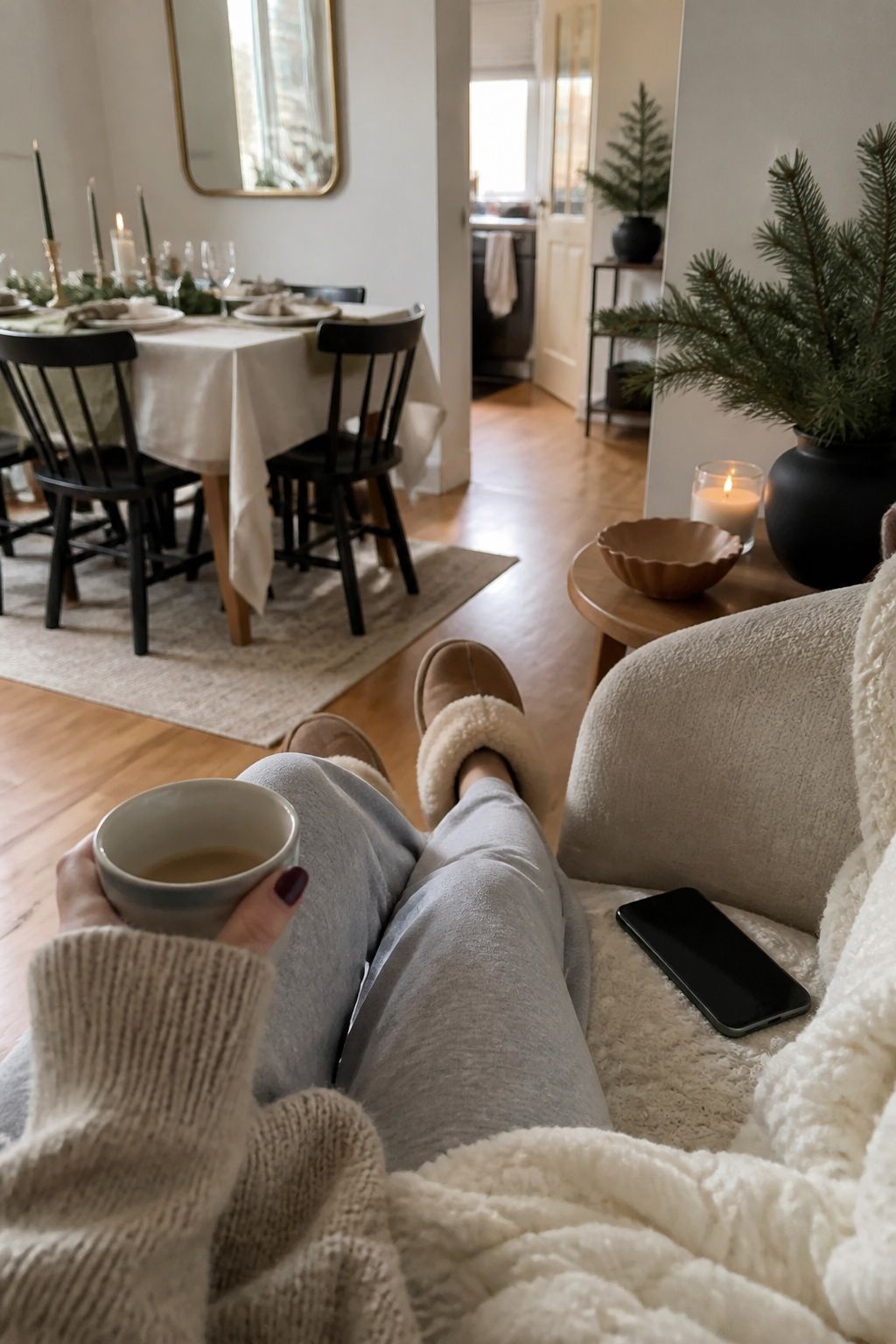


Two hours before guests arrive, sit down. Slippers on and a blanket over your legs, with a cup of something warm and the phone face down on the sofa. The food is mostly done, the table has been set since last night, and the house is clean, so there’s nothing urgent left that won’t keep for thirty minutes. Most hosts skip this and keep finding small jobs, and then greet the first guest already tired.
Then take a shower, get dressed and do whatever makes you feel like a guest at your own party. I know it sounds lazy. It’s the most useful item on this list, because the host’s mood sets the mood of the room, and nobody relaxes at a party where the host is visibly running on fumes.
9. The First Thirty Minutes, Greet, Pour, Sit
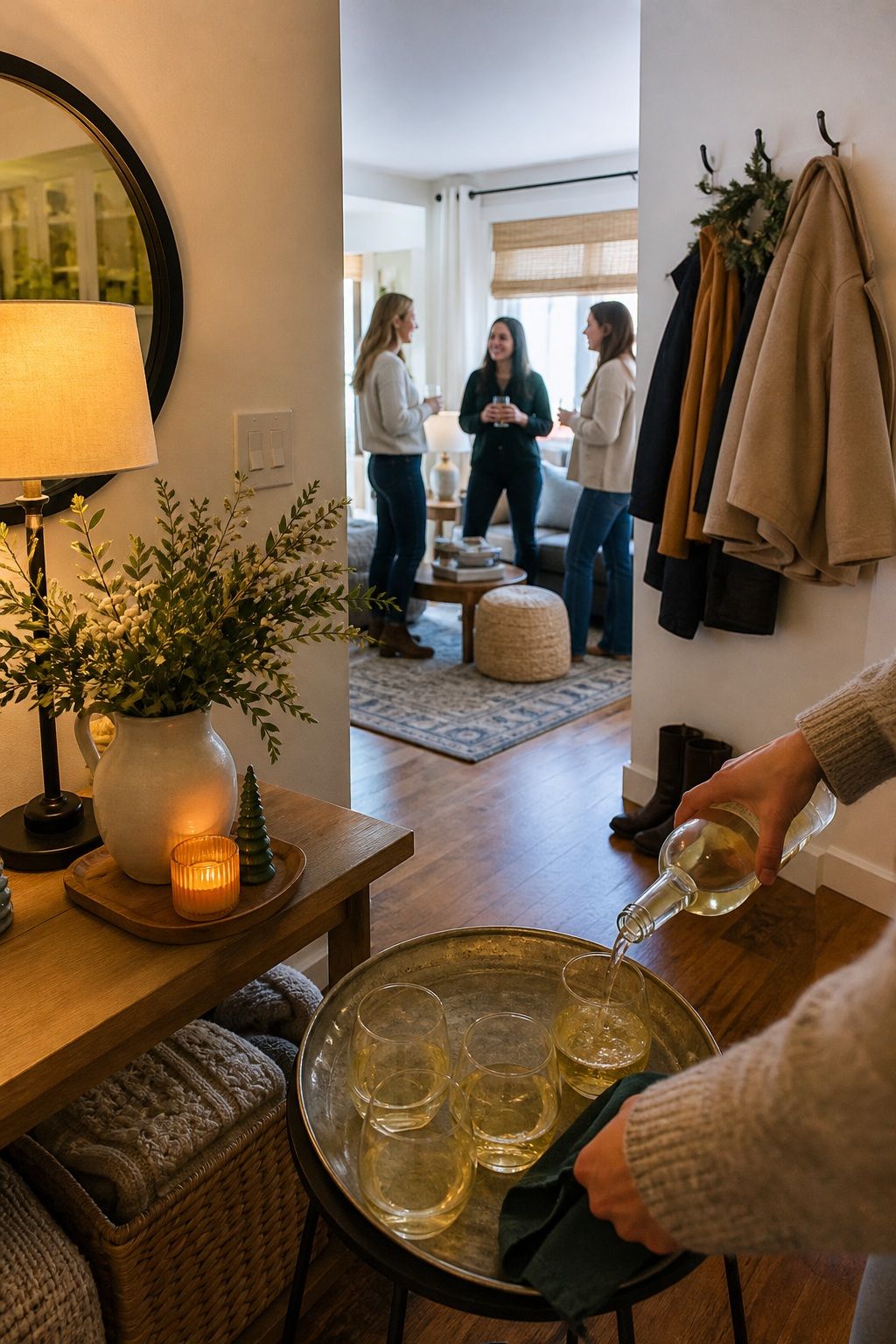


The first thirty minutes decide how the whole night feels, and the job is simple: greet, pour, sit. Meet each person at the door, take their coat to the hooks, and hand them a drink yourself from a tray that’s already loaded with glasses, so they never stand in the hallway wondering what to do with their hands. Introduce anyone who doesn’t know each other with one thing they have in common. Then sit down with the first few guests for a proper chat before you even think about the oven. The hosts who look relaxed at a Christmas party usually planned it this way, with nothing left to cook in that first half hour, and the room relaxes with them.
Read more: Your Complete Guide to Hosting Brunch at Home Without Stress
How Do You Plan the Budget, Food and Guest Count?
Start with the total budget and the size of your room, then let those two numbers decide the menu and the guest list. Most overspending and most cramped parties come from doing it the other way around.
10. Use the 40-25-15-20 Budget Rule
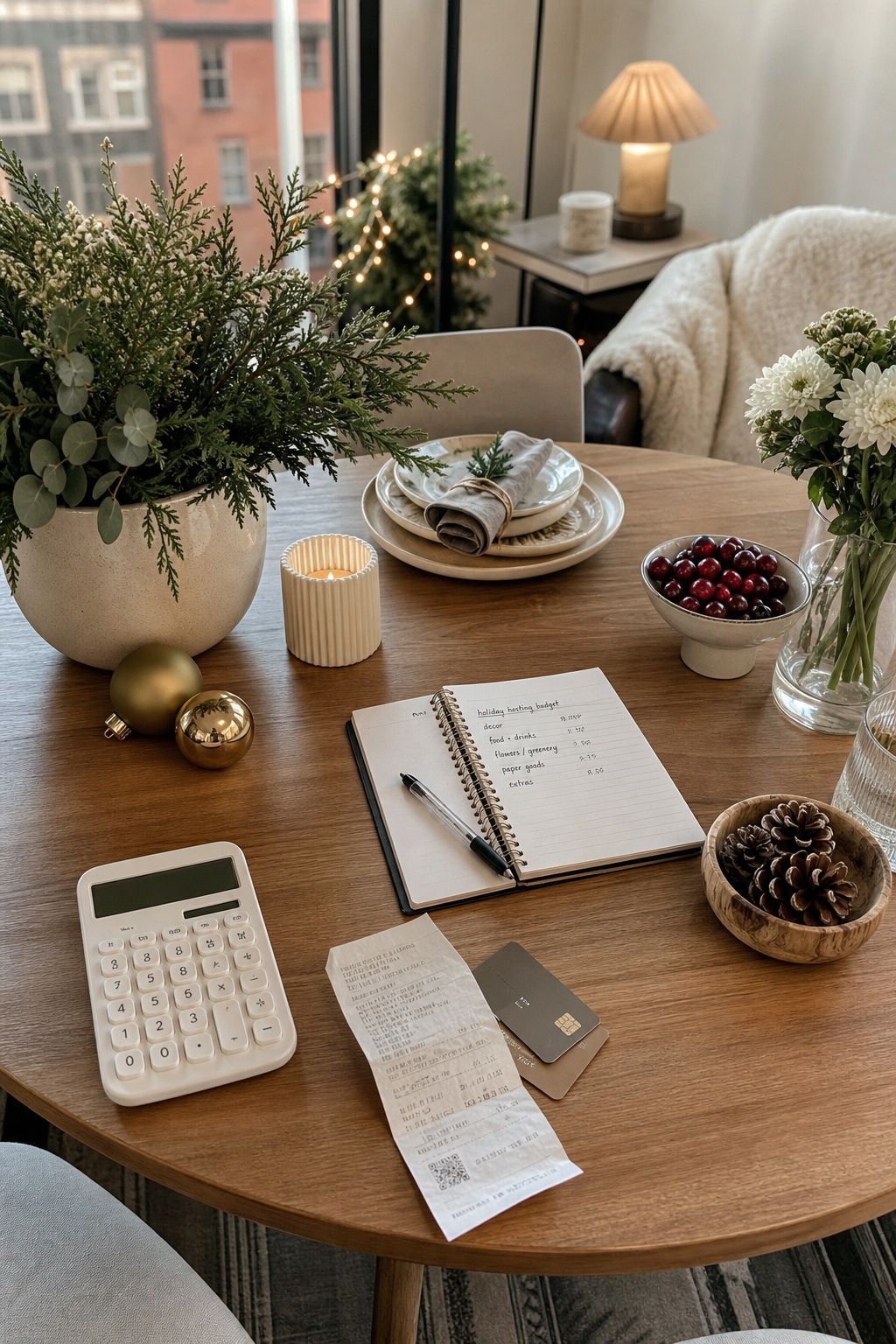


Money is the part of hosting nobody likes to talk about, and it’s where most of the stress hides. Decide the total first, write it at the top of the page, then split it before you buy a single thing:
- 40 percent for food and drinks, the part guests remember.
- 25 percent for the table and decor, candles, flowers and anything you’re missing.
- 15 percent for the extras, music, a game, little take-home treats.
- 20 percent kept back for the things you forgot, because you will forget something.
The usual overspend happens when the pretty things get bought first, in November, and the grocery bill shows up later and blows the budget. Splitting it on paper stops that, and the 20 percent buffer turns the forgotten ice or the extra bottle into a non-event.
Read more: 17 Hosting Lunch Ideas for an Easy Afternoon Gathering
11. The Menu-by-Headcount Math
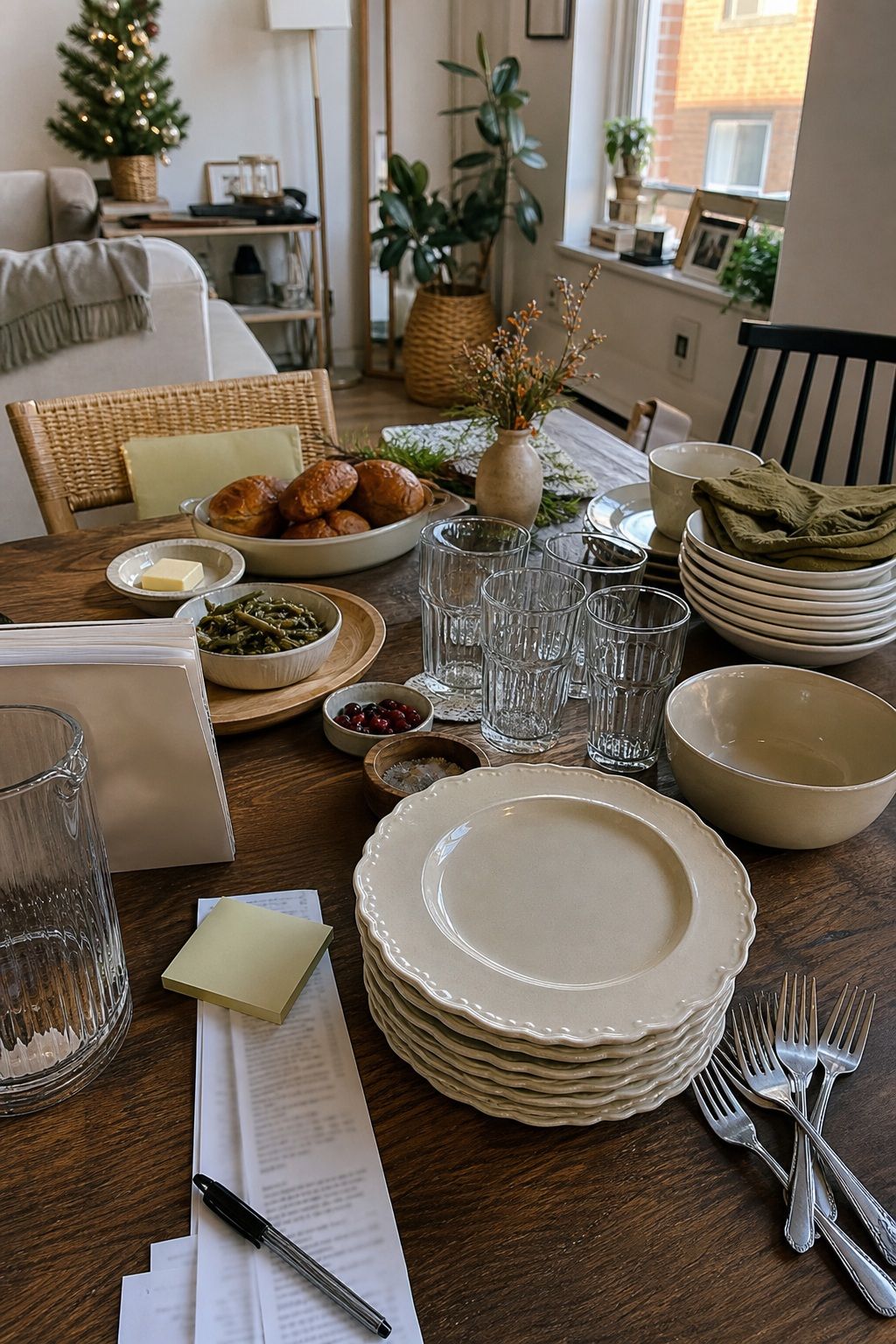
How much food do you actually need? Less than panic tells you, but more than optimism does. For the hour before dinner, plan on about five or six small bites per guest, and for the main meal, around a pound of food per adult once you add up the main dish and all the sides.
Drinks are easier than they look: a bottle of wine serves about five glasses, and most people have two in the first couple of hours and one an hour after that. Count water and something without alcohol too, because they run out first more often than you’d think.
Banquet kitchens taught me to write the headcount at the top of every prep list and do the math per person, not per dish. Stacks of plates and glasses counted against the guest list, sticky notes on each serving dish saying what goes in it, and suddenly the night has fewer surprises.
12. Be Honest About How Many Your Space Holds
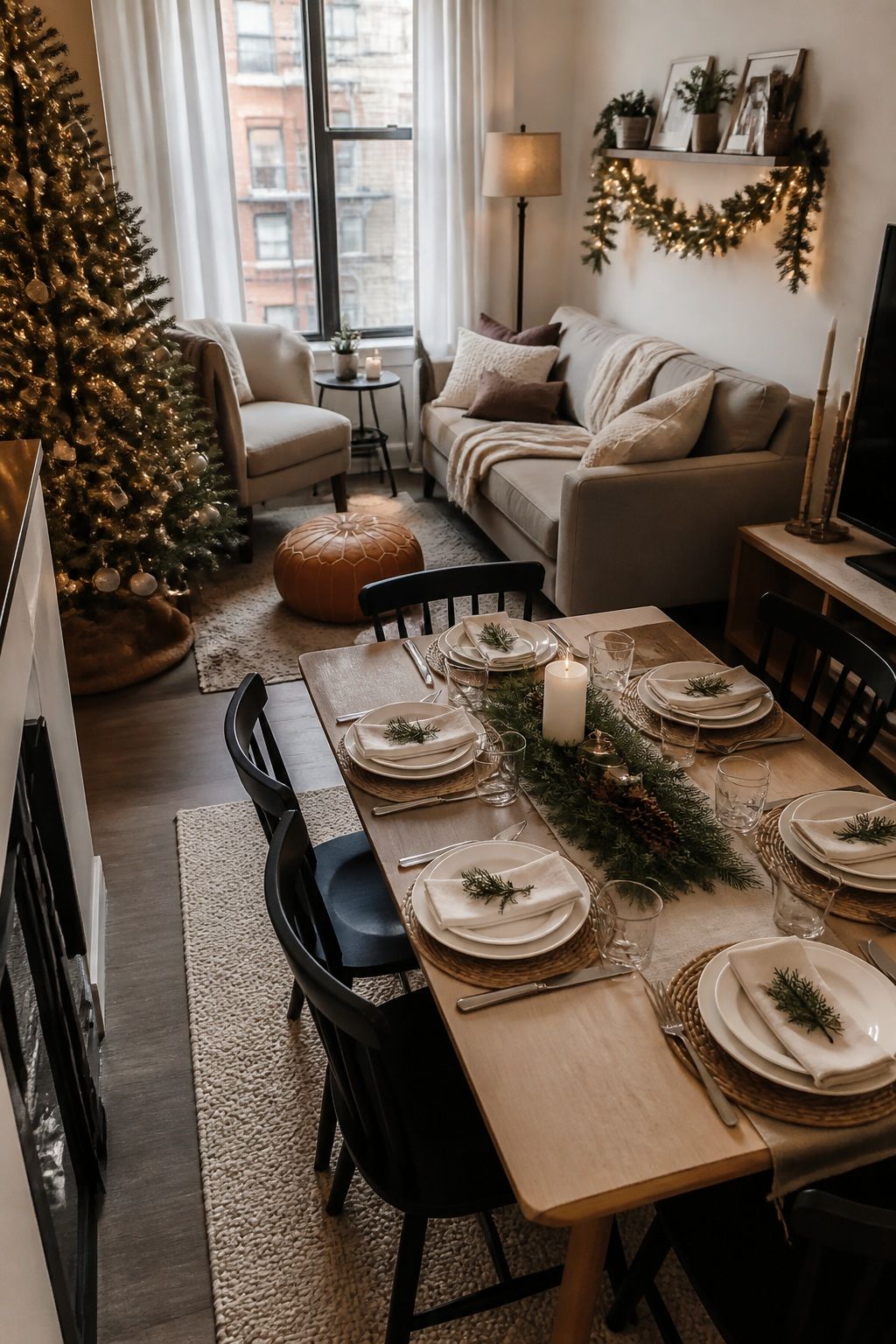


A table that seats eight does not seat ten just because you found two folding chairs, and a living room that feels cozy with six people feels like a crowded tram with twelve. Before the invite goes out, count your actual chairs and decide how many people can eat in your home without anyone perched on a windowsill.
If the number is smaller than your guest list, change the format, not the space. A long narrow table down the middle of the room works for a seated dinner, while a standing party with food on the counter and drinks on a side table can hold far more people than a sit-down meal. Small homes host beautifully once the plan fits the room.
Read more: Top 17 Dining Table Centerpiece Ideas for Everyday Style
13. Delegate Specifically, Never Vaguely
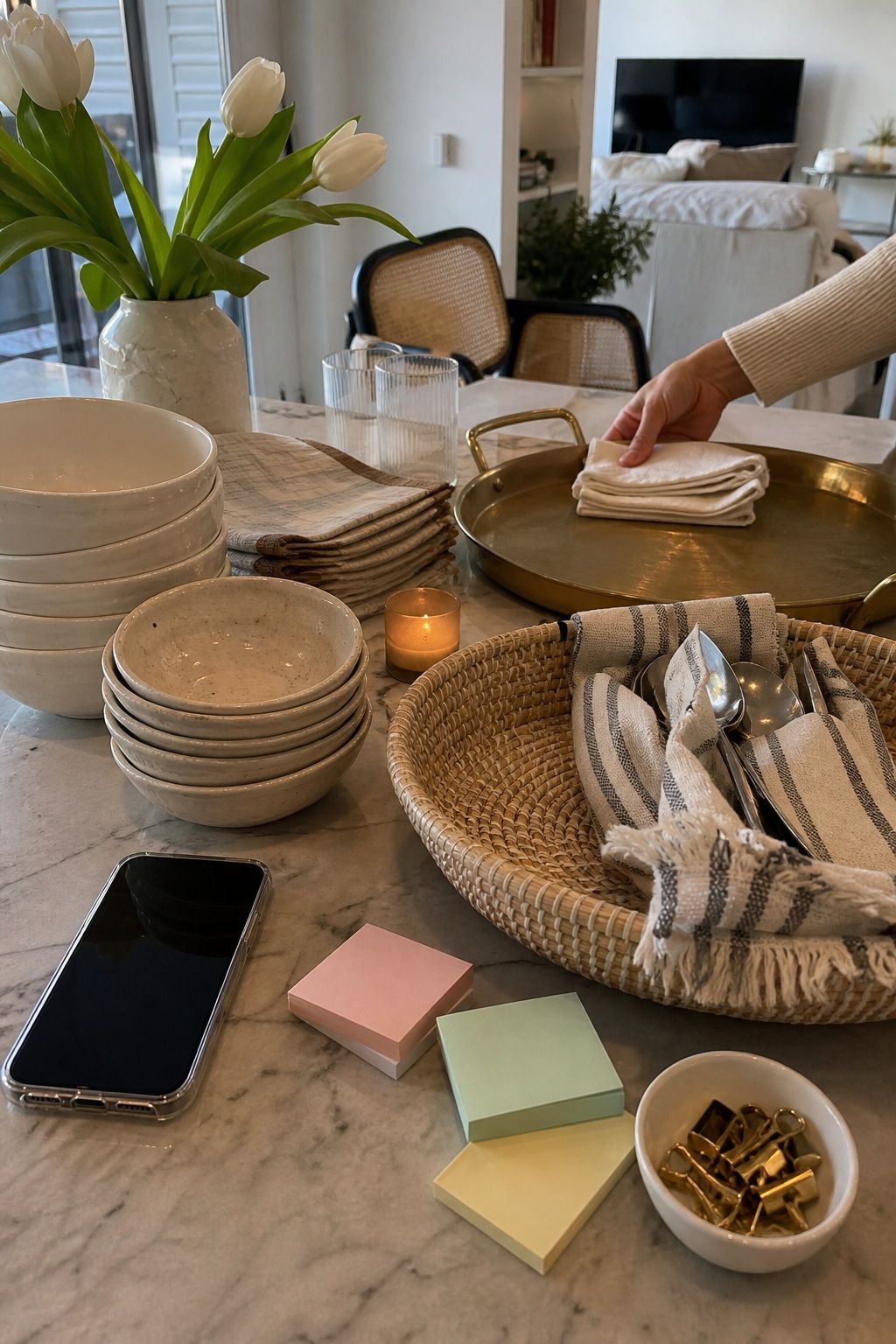
“Bring something” never works, but “bring a dozen dinner rolls” always does. When guests ask how they can help, they mean it, and a specific answer lets them contribute without overlap, so you don’t end up with four bottles of the same wine and zero bread. Keep a list of small jobs ready before anyone asks, from the rolls and the ice to someone who lights the candles at seven. Pastel sticky notes on the counter with each job written out make it easy to hand over in person too. The rule is that delegation feels good when the ask is small and exact, and it feels like homework when it’s vague, so keep it small.
Read more: Top 17 Thanksgiving Snack Ideas for Easy Holiday Bites
What Makes a Holiday Party Feel Cozy?
Light, sound and smell, all set up before the doorbell rings.
14. Plan the Lighting Like You Plan the Food
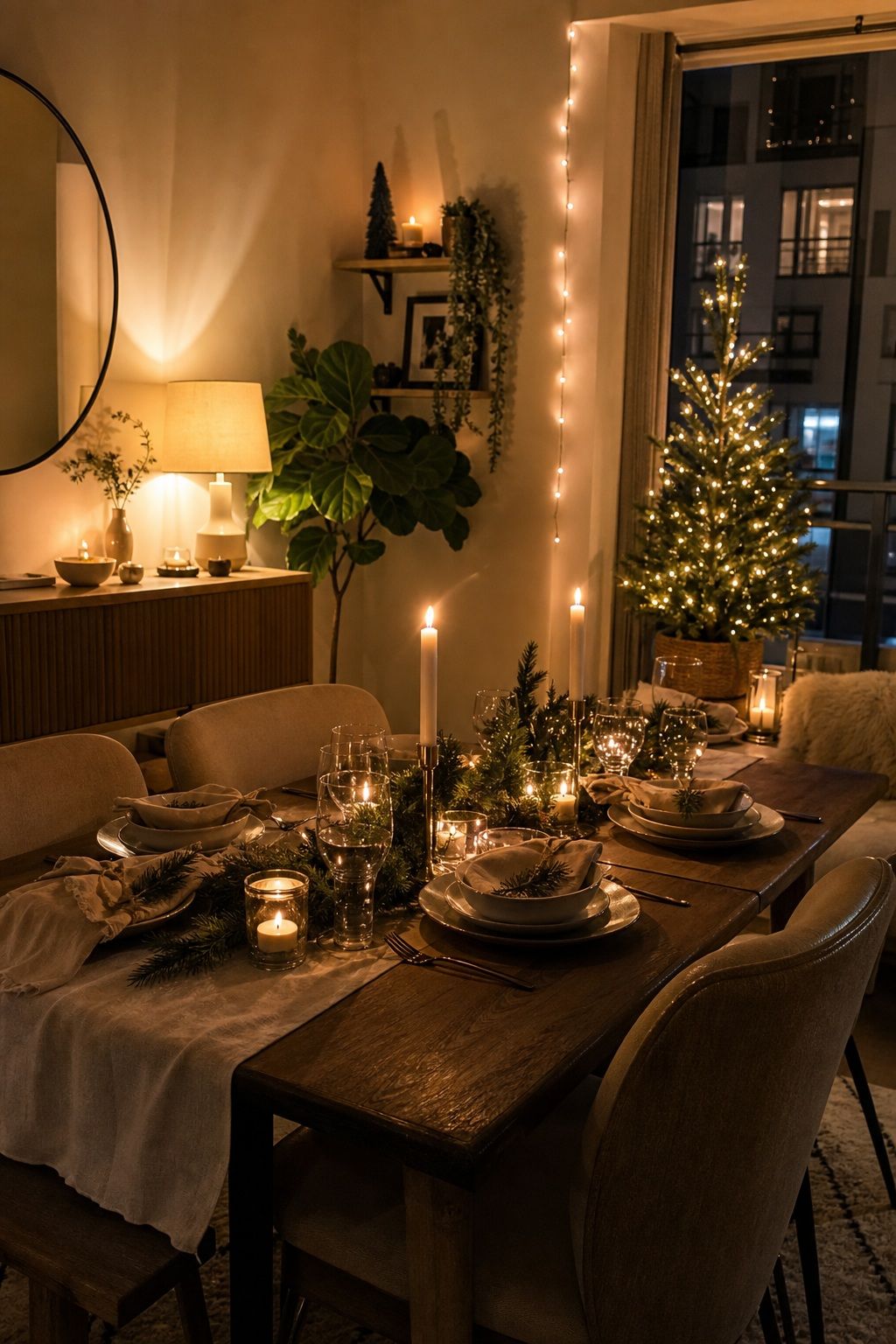


Light changes a room faster than any decoration you can buy. Turn off the big ceiling light before guests arrive, switch every lamp to its warmest bulb, and let candles and string lights do the rest, because a room lit from low and warm sources makes people sit longer and talk softer.
Clusters of tapers down the table, like the ones in festive Christmas table settings, give the meal a center, and a few votives on side tables and windowsills fill in the dark corners. Plan the light the same day you plan the food, so you have the candles and spare bulbs at home instead of discovering at five o’clock that the only lamp in the dining corner is cold white.
15. The Music Plan Comes Before the Doorbell
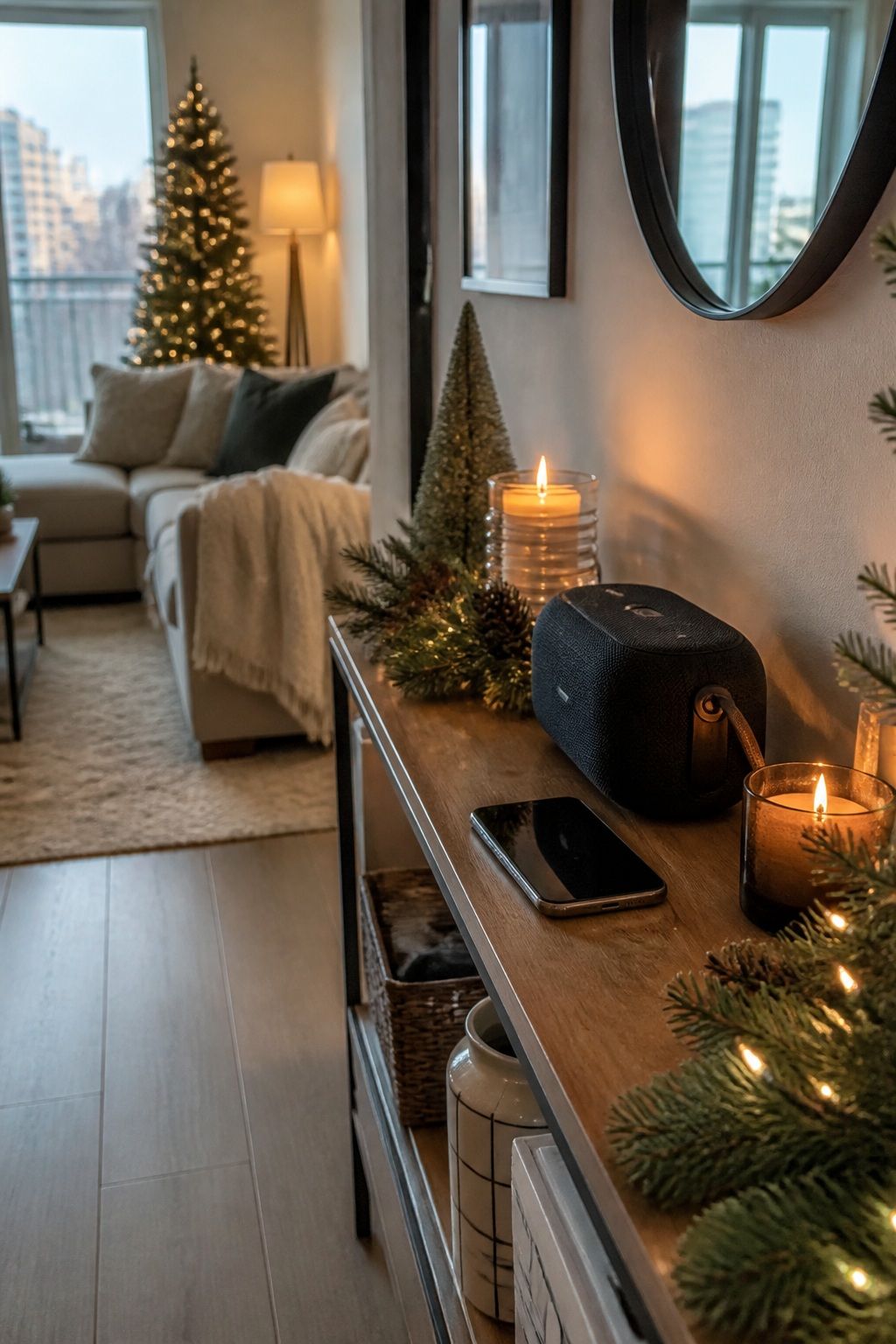


Silence is loud when the first two guests arrive. Have a playlist running before the doorbell, at a volume where people can talk over it without raising their voices, and you skip that awkward stretch where everyone is listening to the fridge hum.
Plan it in three parts: something easy and low for the arrival, something warmer for dinner, and one shift in mood for after dessert when people move to the sofa. A small speaker on a console, out of the way, is plenty for an apartment.
Genre matters less than keeping it going without gaps. Make the playlist longer than the party, turn off shuffle if the order matters, and put your phone somewhere you won’t have to pick it up every time a song ends, because the host fiddling with the music all night is its own kind of mood killer.
Read more: Top 16 Thanksgiving Charcuterie Board Ideas for a Cozy Holiday Spread
16. Scent Is a Real Part of the Welcome
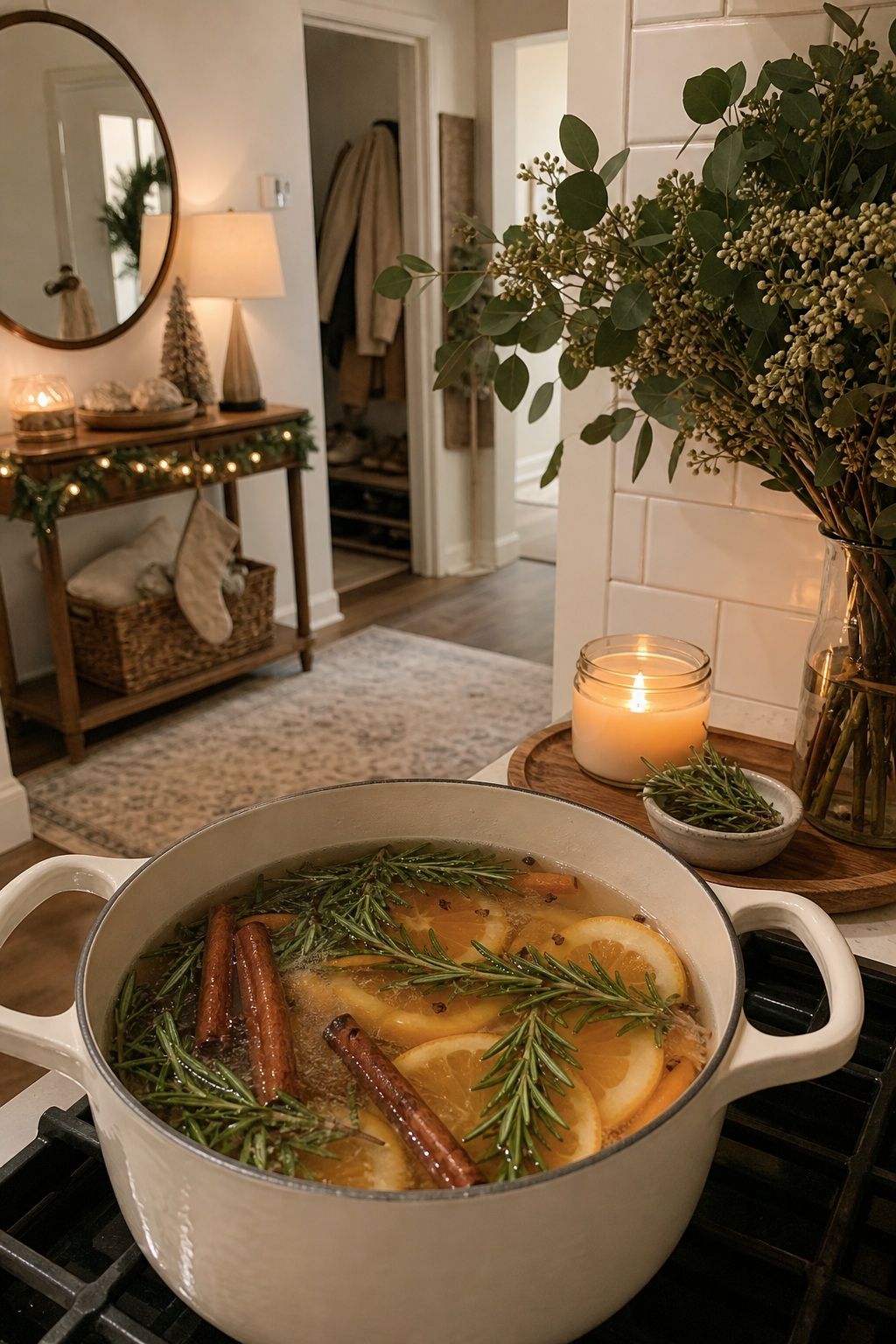


Scent is the first thing guests notice when the door opens, before they see a single decoration, so it’s worth planning as part of the welcome. A pot simmering on a back burner with orange slices, cinnamon sticks and a sprig of rosemary makes the home smell like the holidays without anything artificial, and you can top it up with water all evening. Start it about half an hour before people arrive. Skip heavily scented candles in the dining area once the food comes out, because they fight with dinner, and use unscented ones on the table instead. One gentle scent near the door plus the smell of dinner cooking is plenty, and it’s a lot nicer than walking into a candle shop.
Read more: Top 18 Thoughtful Thanksgiving Hosting Ideas to Make Your Celebration Shine
17. The Welcome Moment at the Door Matters More Than the Centerpiece
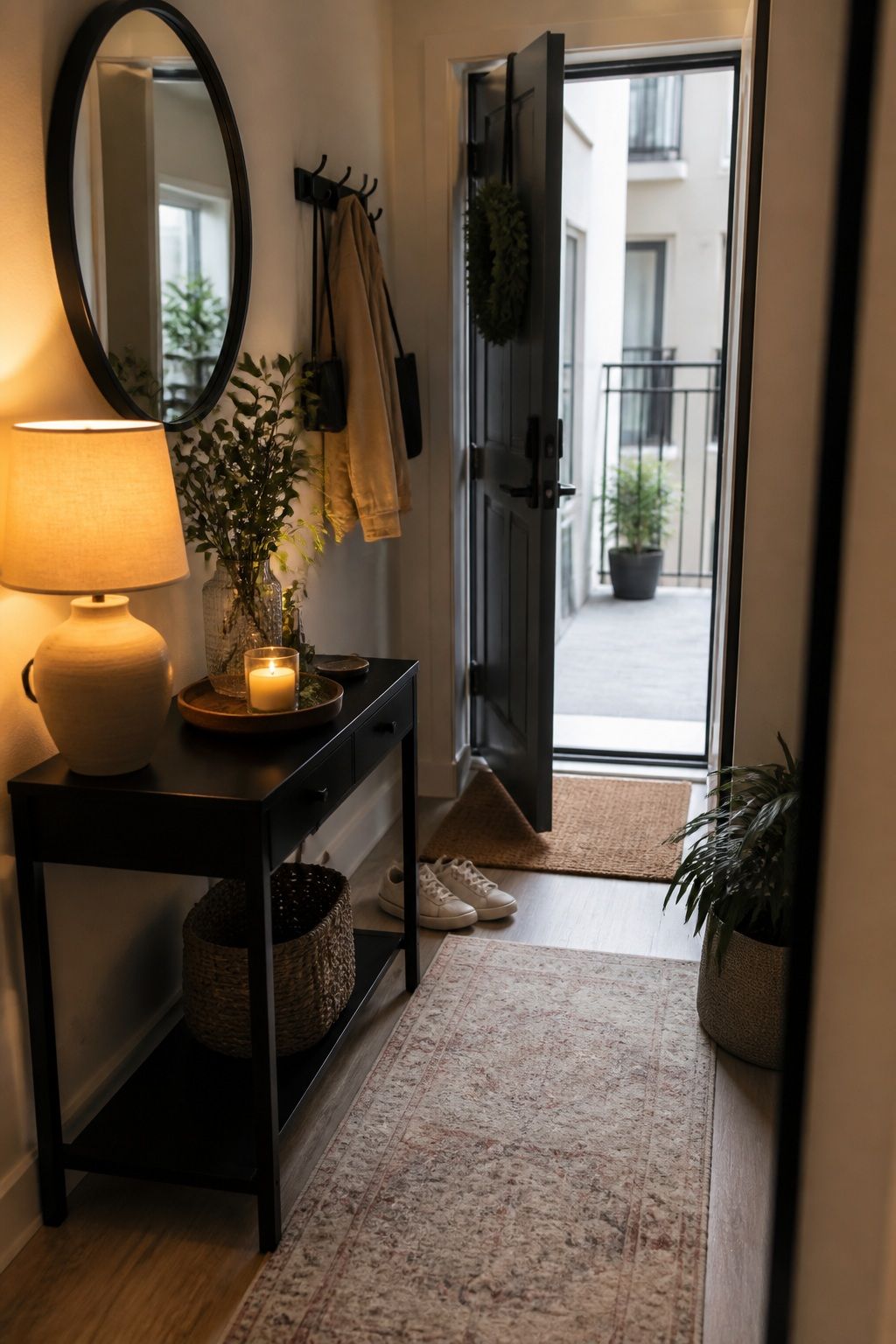


The first thirty seconds at your door matter more than the centerpiece, because that’s when guests decide how the night is going to feel. A lamp switched on in the entry, a small wreath, a clear runner to walk on and empty hooks waiting for coats all say “we were expecting you” before you’ve said a word.
On the morning of, take the keys and mail off the console, leave one candle or a small branch arrangement on it, and make sure there’s an obvious place for shoes and bags. The same thinking that goes into fall Thanksgiving decor for the entry works all winter, warm light first and only a few pieces after that.
18. End the Night Graciously, Not Abruptly
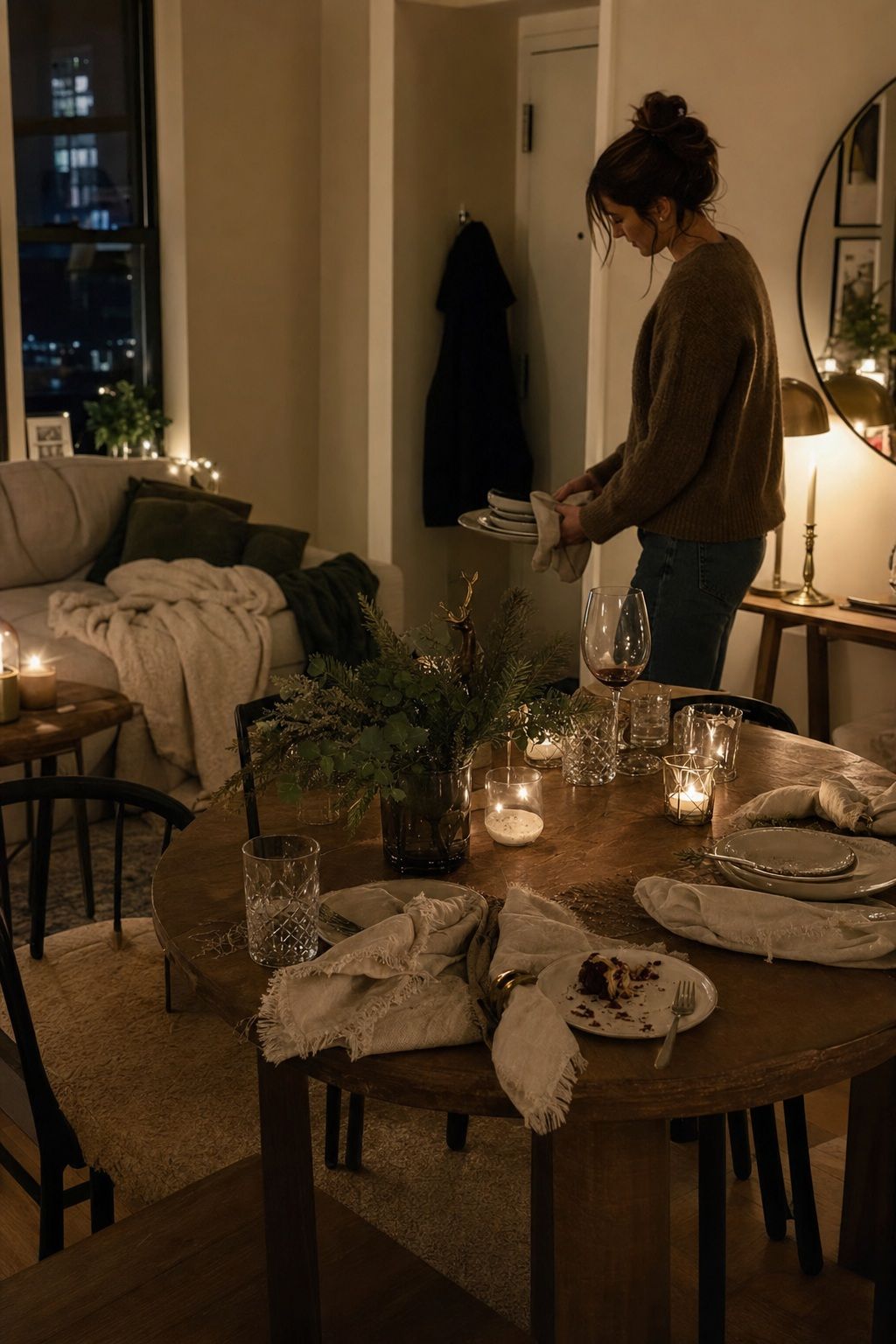


A good night winds down on purpose instead of crashing when someone notices the time. Put on coffee after dessert, offer one last round of drinks, turn the music down a notch and turn a lamp or two up, and people read the signal without anyone having to say it out loud.
Clear the table slowly while guests are still chatting, so the cleanup at the end is shorter, and pack leftovers into containers to send home with people. Food shouldn’t sit at room temperature for more than about two hours, so the FoodSafety.gov basics are worth a glance before you leave the turkey out until midnight.
And the host who did the work early, who set the table the night before and took that break, is the one still smiling at the door at the end. If your home is small, these hosting in a small apartment tips cover where the coats, the extra chairs and the dirty dishes can hide.
Read more: Top 18 Thanksgiving Dinner Food Ideas for a Full Holiday Menu
What Do You Do When Something Goes Wrong Mid-Party?
Fix it quietly, say nothing about it, and move on, because guests almost never notice what you think went wrong. A burnt tray of rolls becomes “no rolls tonight,” a spilled glass gets a towel and a refill, and a late main course becomes a longer cocktail hour with an extra bowl of nuts.
Keep a small rescue kit ready for exactly these moments: a bag of good crackers, a block of cheese, a box of chocolates and a spare bottle of something. The calmer you stay, the smaller the problem looks to everyone else, and an hour later it’s a funny story.
Frequently Asked Questions
How far in advance should you send holiday party invitations?
About four weeks ahead for a holiday dinner or party. December calendars fill up quickly, and a month gives guests time to say yes and gives you a firm headcount for planning food and seating.
How much food do you need per person for a holiday dinner?
Plan on about five or six small bites per guest before dinner and roughly a pound of food per adult for the main meal, counting the main dish and the sides together. Add a little extra bread and dessert, since those go fastest.
What is the biggest mistake holiday hosts make?
Leaving too much for the day itself. Setting the table and baking dessert the day before, and prepping vegetables and sauces ahead, frees the day for resetting the house, resting and greeting guests.
How do you make holiday hosting less stressful?
Work from a written schedule that counts backward from the time guests arrive, split the budget before shopping, and hand guests small, specific jobs. Then take a real break two hours before the party starts.
How long can holiday food sit out?
Perishable food shouldn’t sit at room temperature for more than about two hours. Put leftovers in the fridge or pack them up for guests once dinner is over instead of leaving the table full all evening.
Key Takeaways
- Send the invite four weeks out and give each week before the party one job.
- Split the budget on paper first: food and drinks, table, extras and a buffer for what you forget.
- Set the table and bake dessert the day before, then reset the house before you cook.
- Take a real break two hours before guests arrive and keep the first thirty minutes for greeting.
- Plan light, music and scent like part of the menu, all running before the doorbell.
Four Weeks Before Christmas Starts About Now
If you’re hosting anything in December, this is the week to send the invite, because four weeks before Christmas lands right around the end of November and the calendars are filling up as you read this. Write the date and the start time, pick the day you want answers by, and send it tonight. Then put a sheet of paper on the fridge with the four weeks written down the side, one job next to each, and let the countdown do the worrying for you so that on the night, you get to sit down at your own party.
Last update on 2026-11-25 / Affiliate links / Images from Amazon Product Advertising API
