

Quick Answer: The best Friendsgiving menu ideas start with a structure, not a pile of recipes. Build the spread course by course, a main or two, three or four sides, a bread, a couple of appetizers, a drink, and a dessert, then scale the quantities to your guest count. The 2026 direction is creative comfort with a twist, pumpkin mac and cheese, duck-fat gravy, apple-arugula salad, and non-turkey mains are fully welcome. A crowd-pleasing menu is a balanced one, planned as a whole rather than assembled dish by dish.
The hard part of Friendsgiving food was never the cooking. It is the planning. You can find thirty-five good recipes in five minutes, what you cannot find is how those recipes add up to a meal, whether the table is balanced, whether there is enough, whether it all fits in one oven.
So this is the menu post, the full planned spread. Not a recipe dump, a structure: how to build the courses so the table is balanced, how to plan the quantities for a group, how to work around a single apartment oven, and how to choose a main when you do not want a turkey. The 2026 direction makes the menu more fun than it used to be, creative comfort with a twist is the headline, pumpkin mac and cheese, duck-fat gravy, apple-arugula salad, and a relaxed grazing-style service over a formal seated dinner.
The deep dives live elsewhere, the sides have their own guide, the appetizers have theirs, and this post links out to them rather than re-covering them. What it does is give you the skeleton, the 18 ideas ahead move from building a balanced menu, to mains and sides, to appetizers and drinks, to desserts, so you end up with a complete, crowd-pleasing spread, the kind of considered meal that a good Friendsgiving dinner party ideas is built around.
Recommended Friendsgiving Menu and Serving Products


![Utopia Kitchen Cotton Blend White Cloth Napkins [12 Pack, 18x18 Inch]](https://soliaavenue.com/wp-content/plugins/aawp/public/image.php?url=YUhSMGNITTZMeTl0TG0xbFpHbGhMV0Z0WVhwdmJpNWpiMjB2YVcxaFoyVnpMMGt2TkRGTksza3RjM1pKYVV3dVgxTk1NVFl3WHk1cWNHYz18MTc5MTkyNDE4NQ=)
Recommended blogs to read:
- Best hosting Friendsgiving ideas
- Friendsgiving potluck ideas
- Friendsgiving side dishes
- Friendsgiving appetizer ideas
- Charcuterie board essentials
Build a Balanced Menu
1. Structure the Menu by Course First
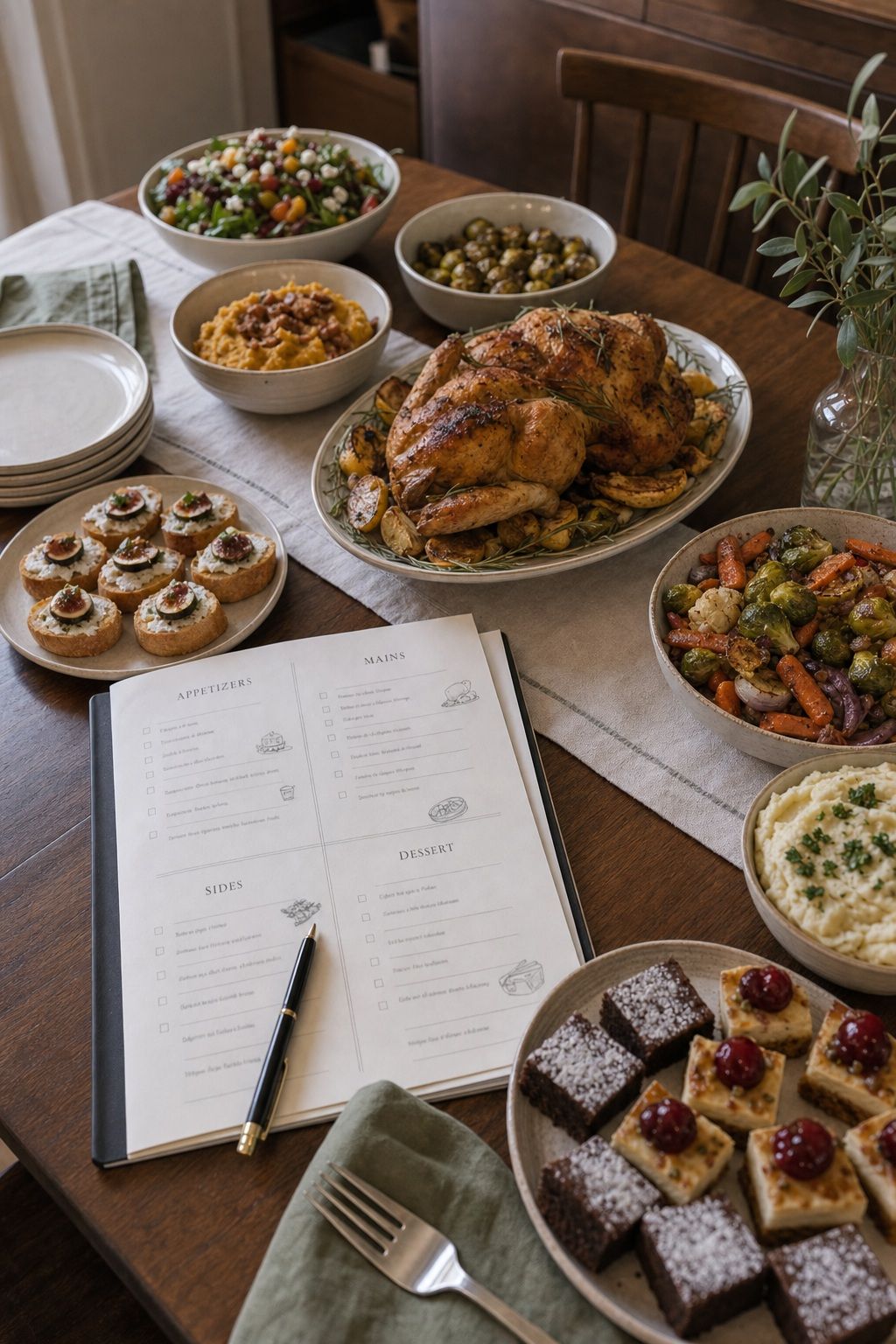


Before picking a single recipe, sketch the skeleton: appetizers, a main or two, sides, a bread, a drink, a dessert. Decide how many of each the night needs, and the menu has a shape before you have committed to anything.
A reliable Friendsgiving structure is one or two mains, three or four sides, one bread, two appetizers, and a dessert or two, scaled to the crowd. Once that skeleton exists, choosing dishes becomes filling defined slots instead of accumulating a random heap of food. This course-by-course sketch is the single most useful planning move on this list, it prevents the all-carbs table and the no-vegetable table, and it takes about five minutes before any shopping happens.
Read more: Top 18 Friendsgiving Food Ideas for an Easy, Crowd-Pleasing Spread
2. Plan the Quantities for Your Guest Count
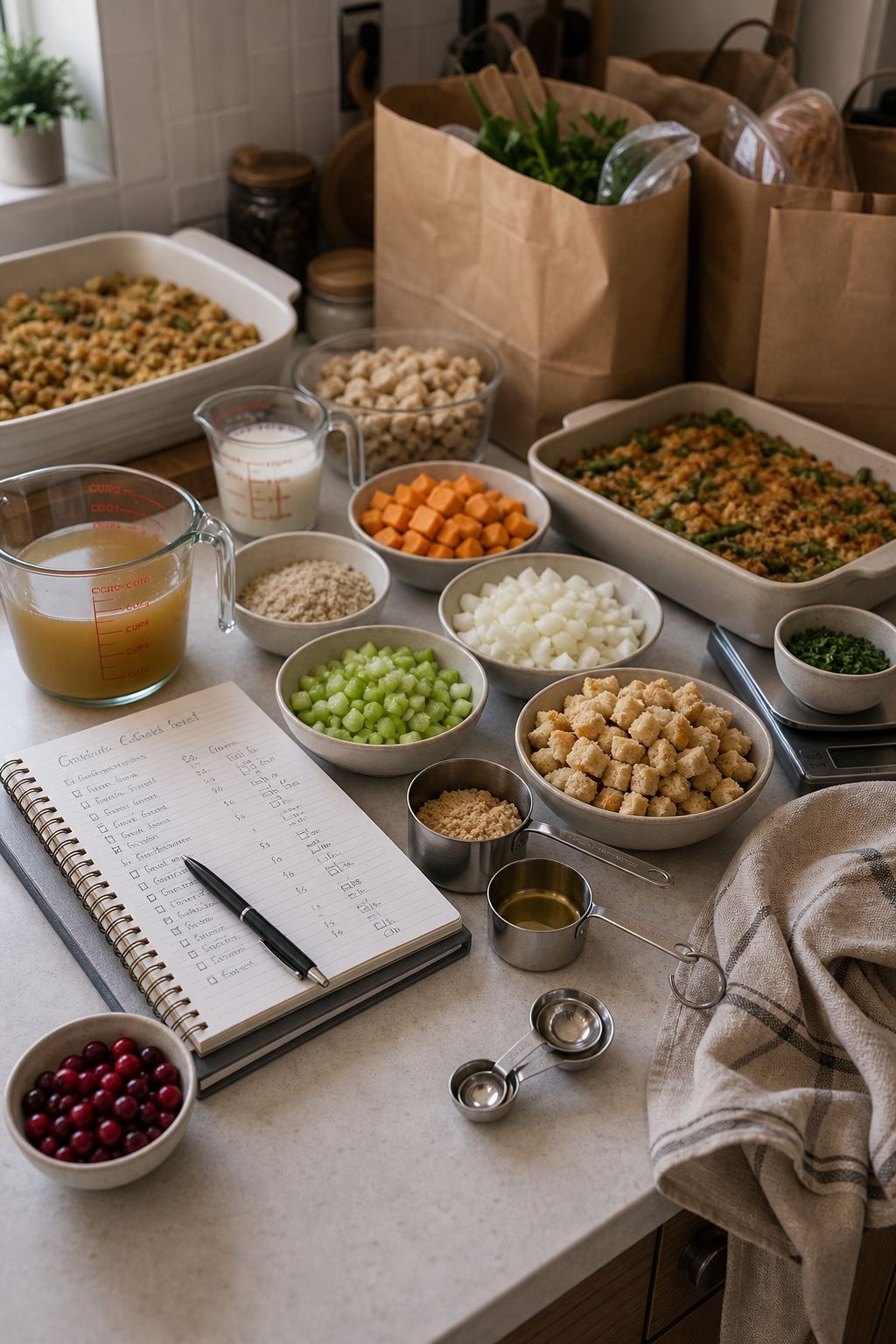


Running out of food and drowning in leftovers are both planning failures, and both come from guessing instead of scaling. A workable rule is to plan for roughly one and a half servings of each dish per guest across the whole spread.
Because the table holds many dishes, people take a little of each, so no single dish has to feed everyone fully. For ten guests, that means dishes sized for about fifteen servings, not ten complete dinners of every item. Scaling to the count keeps the spread generous without the waste and keeps the budget sane. It is simple math, and it removes one of the biggest sources of host anxiety, the fear of an empty platter.
3. Work Around a Single Apartment Oven
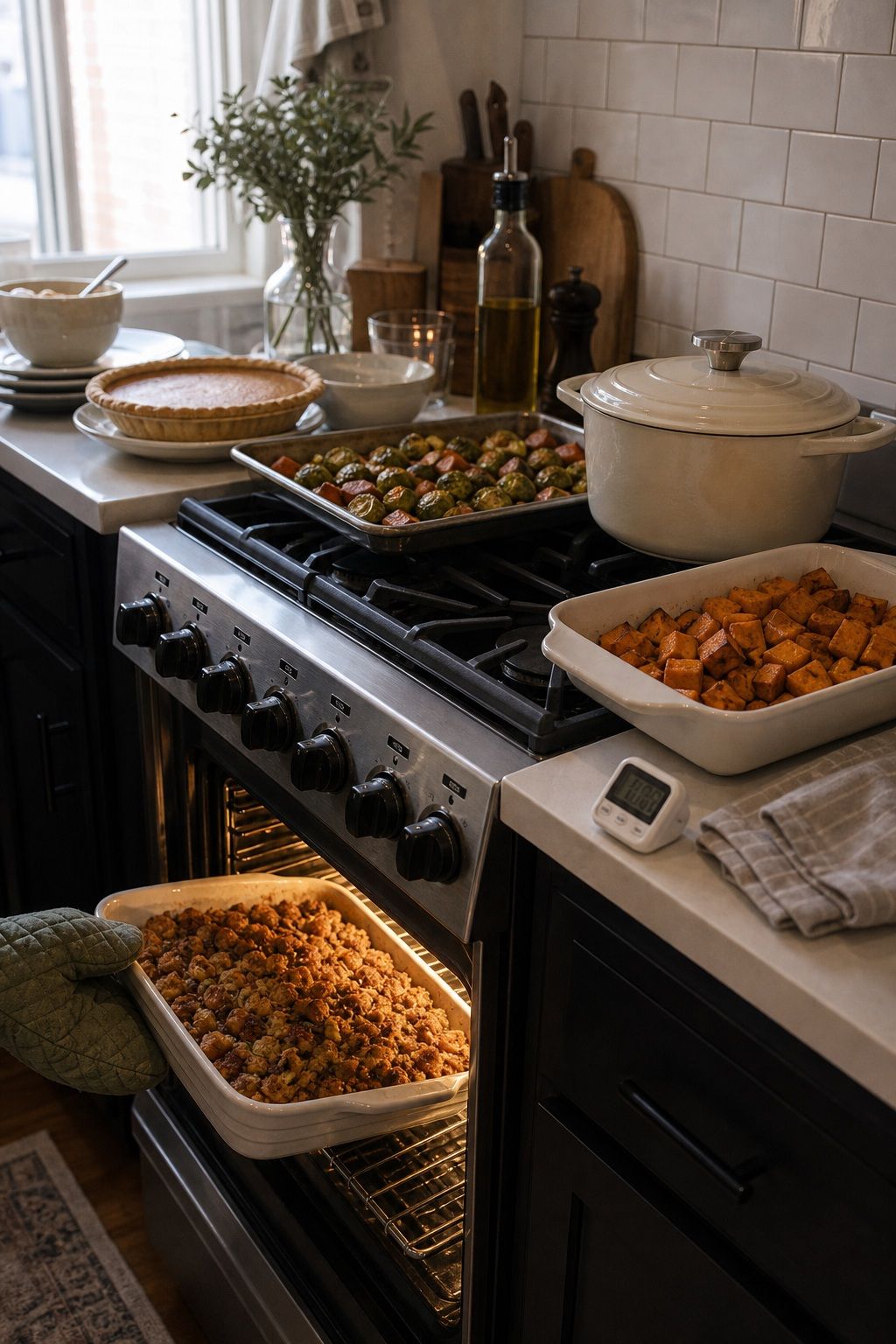


Most Friendsgiving hosts are working with one oven, and a menu that ignores that turns the afternoon into a logistics crisis. Plan the spread so the oven is not the bottleneck: favor dishes that hold, reheat, or finish on the stovetop, in a slow cooker, or cold.
Build the menu with oven timing in mind, one dish that needs the oven hot, a few that bake ahead and reheat, a couple that never need it at all. Assign the genuinely oven-hungry dishes to guests with their own kitchens if it is a potluck-style night. A menu planned around one oven is a menu that actually gets to the table on time, which matters more than any single recipe.
Read more: Top 17 Friendsgiving Tablescape Ideas That Feel Warm and Personal
4. Choose a Main Without Defaulting to Turkey
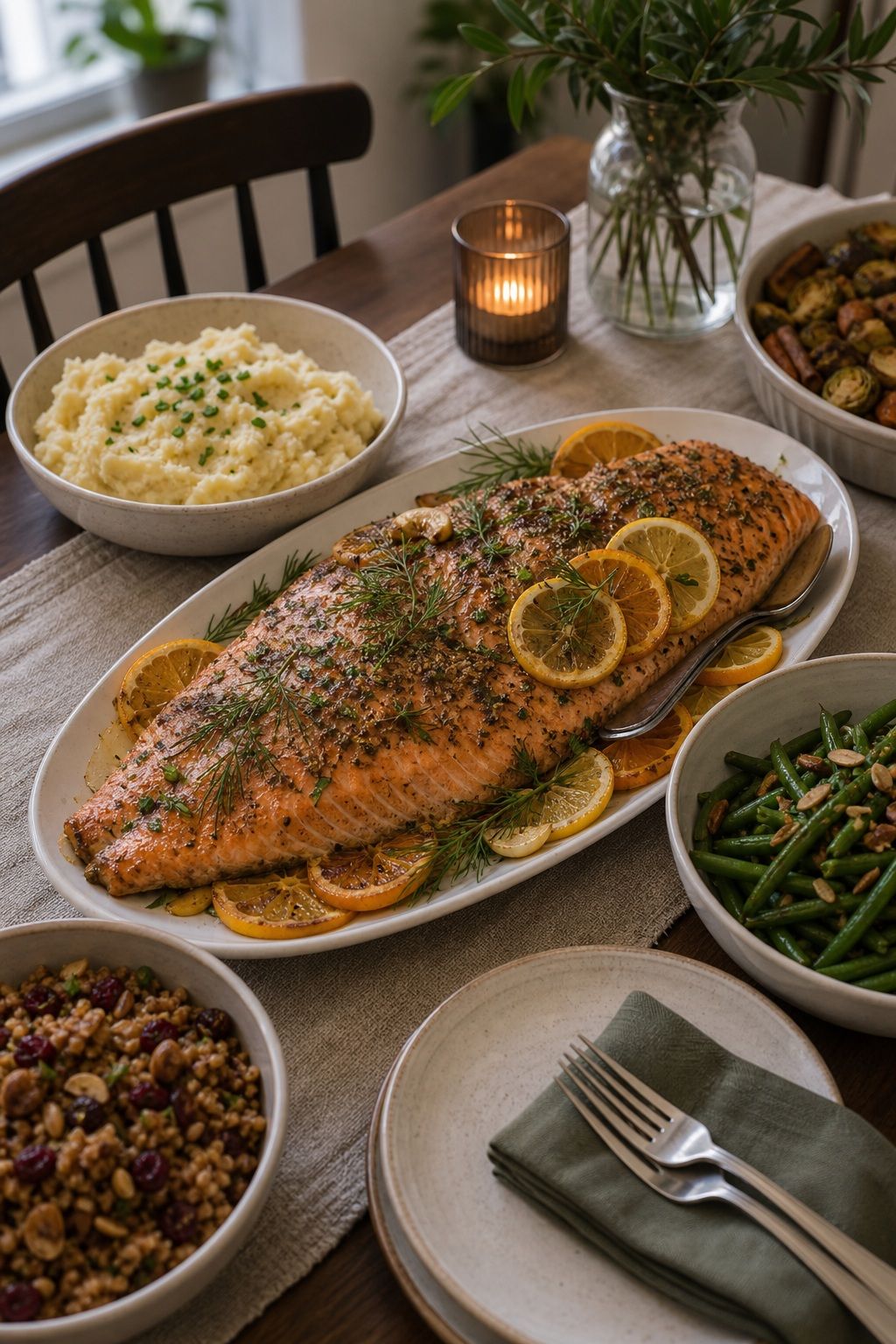


The 2026 Friendsgiving table fully welcomes a non-turkey main, and for a small apartment spread that is often the smarter call. A whole turkey is a lot of oven, a lot of time, and a lot of leftovers for a friend group.
A braised pork shoulder, a couple of roast chickens, a glazed ham, or a vegetarian centerpiece can all anchor the table beautifully and cook faster and more reliably. Decide the main early, because it sets the oven schedule and the side pairings. The point is that the main is a choice, not a default, and choosing it deliberately, rather than defaulting to a turkey because it is Thanksgiving-adjacent, is what makes the menu fit your actual night.
Read more: Top 17 Friendsgiving Drink Ideas Your Guests Will Love
Main Dishes and Sides
5. A Showstopper Centerpiece Main
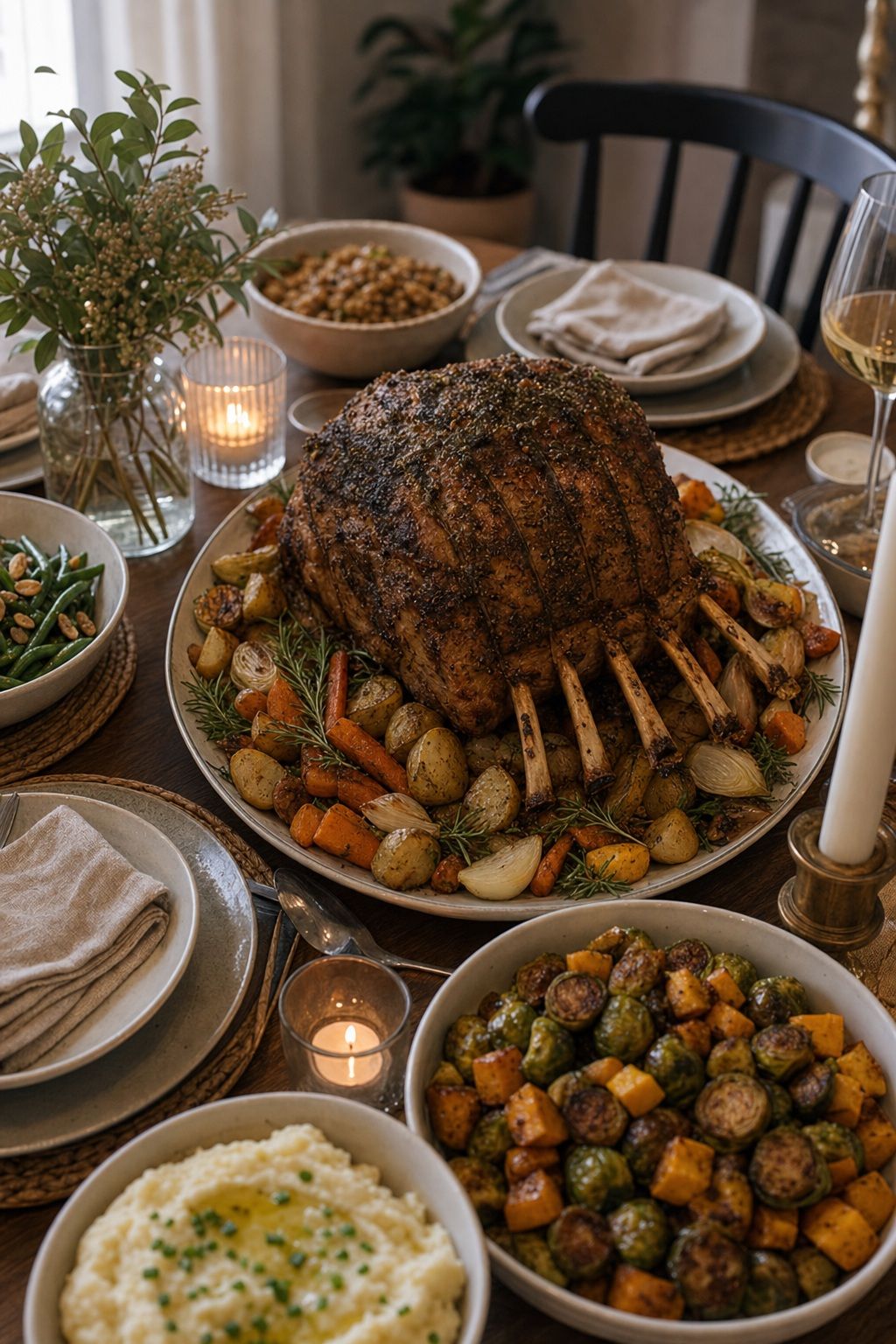


Whatever protein you choose, one main should be the centerpiece, the dish carried to the table that the room reacts to. A herb-roasted turkey done beautifully, a glazed ham, a braised pork shoulder, a mushroom Wellington for a vegetarian table.
Present it whole and carve or slice at the table for the small moment of ceremony, that reveal is half of what makes it a centerpiece. Choose one that suits your oven schedule and your crowd size. The centerpiece main anchors the whole menu, everything else on the table is in supporting roles around it, so pick it first and build the rest of the spread to complement it.
6. A Second, Easier Main for the Crowd
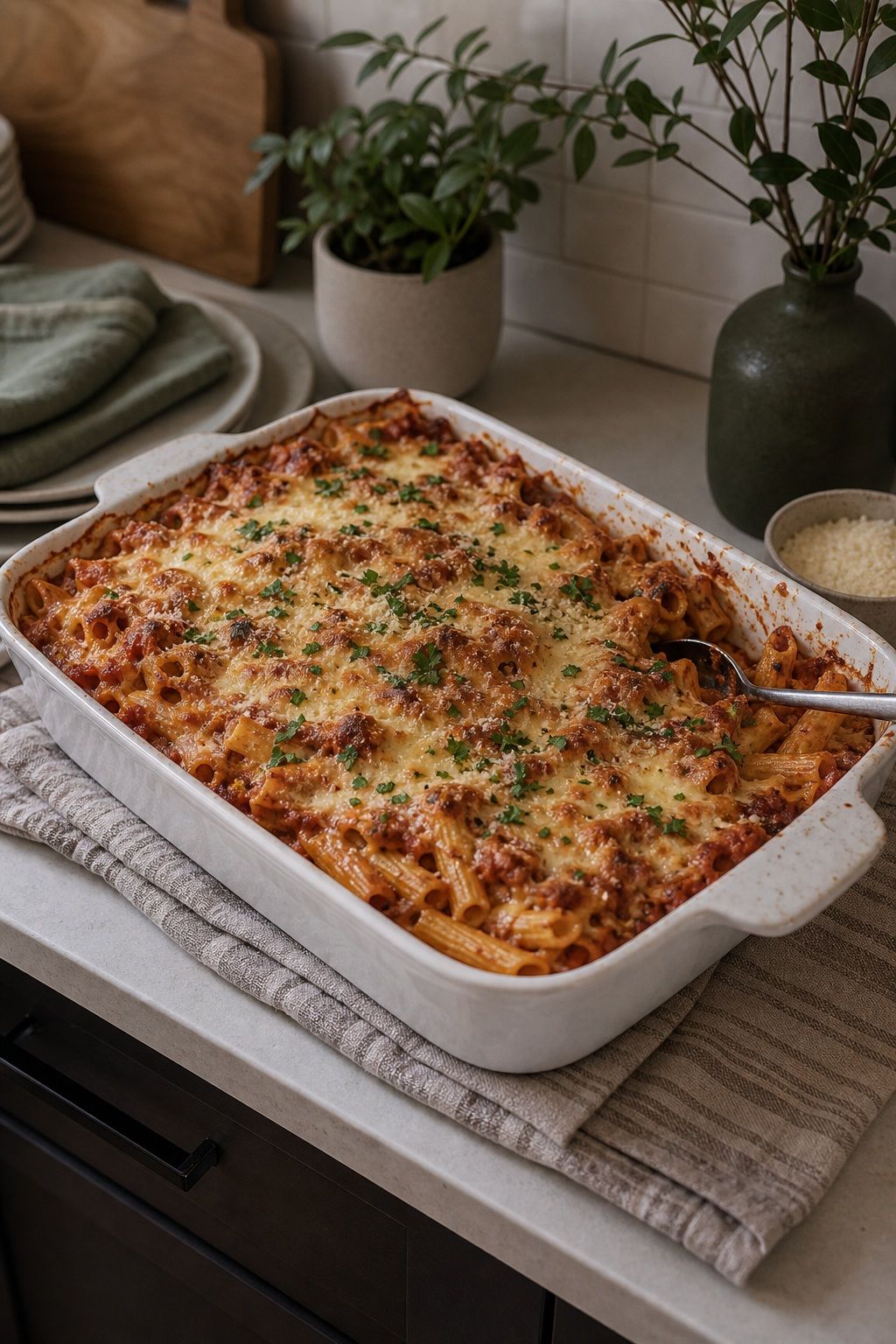


For a larger Friendsgiving, or a mixed crowd, a second easier main takes the pressure off the centerpiece and makes sure everyone is fed. Something low-effort and reliable, a slow-cooker dish, a baked pasta, a sheet-pan protein.
It does not need to be impressive, it needs to be generous and easy, the dish that fills plates while the centerpiece gets the attention. It is also a good vegetarian-coverage play, if the centerpiece is meat, the second main can be the substantial meat-free option. A second easy main is the menu insurance that keeps a Friendsgiving spread from depending entirely on one dish coming out right.
Read more: Top 17 Friendsgiving Dessert Ideas for a Sweet Celebration
7. Classic Sides With a 2026 Twist
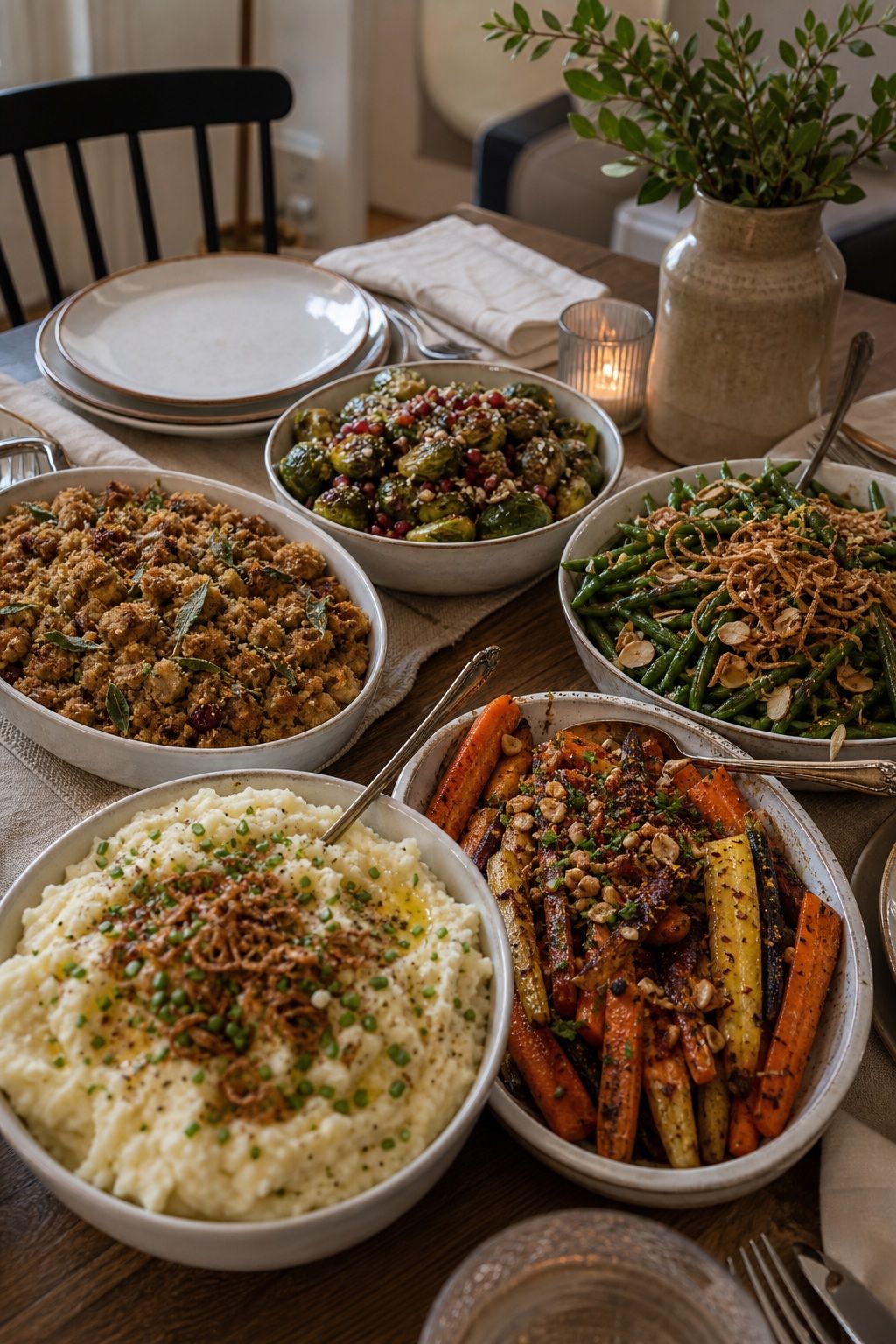


Sides are the heart of a Friendsgiving spread, and the 2026 move is the classics reimagined: pumpkin mac and cheese instead of plain, duck-fat or miso-brown-butter mashed potatoes, a stuffing with something unexpected folded in.
The familiarity is the comfort, the twist is what makes the menu feel current rather than copied from a decade ago. Aim for three or four sides with real variety, something starchy, something green, something with brightness, so a guest’s plate has range. The deep recipe roundup is its own guide, the menu job here is making sure the side lineup is varied and balanced, not four versions of the same starch crowding the same corner of the table.
Read more: Top 18 Friendsgiving Ideas for a Cozy, Memorable Celebration
8. A Fresh, Bright Salad to Balance the Table
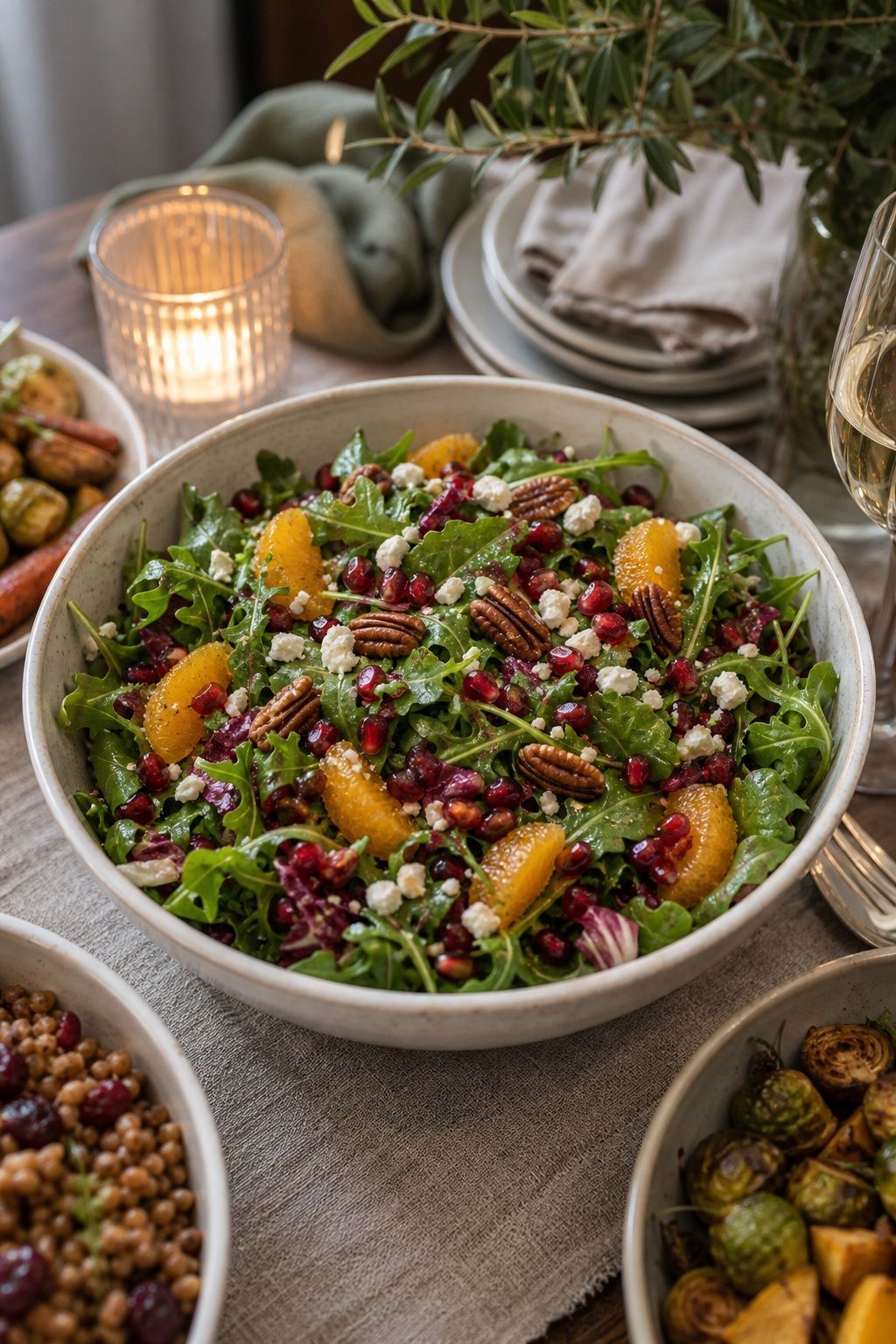


Friendsgiving food skews rich and heavy, so one fresh, bright salad is a deliberate structural choice. An apple-arugula salad, a citrusy slaw, a shaved-vegetable salad with a sharp vinaigrette, the 2026 trend leans exactly this direction.
It resets the palate, gives lighter eaters a real option, and usually happens to be naturally vegetarian and gluten-free, which helps the dietary mix. Place it in the early side slot. The instinct at Friendsgiving is all comfort, all heavy, but a single fresh element makes the whole spread feel balanced and keeps guests from feeling weighed down before dessert. It is a small menu decision that lifts the entire table.
9. A Warm Bread or Roll Course
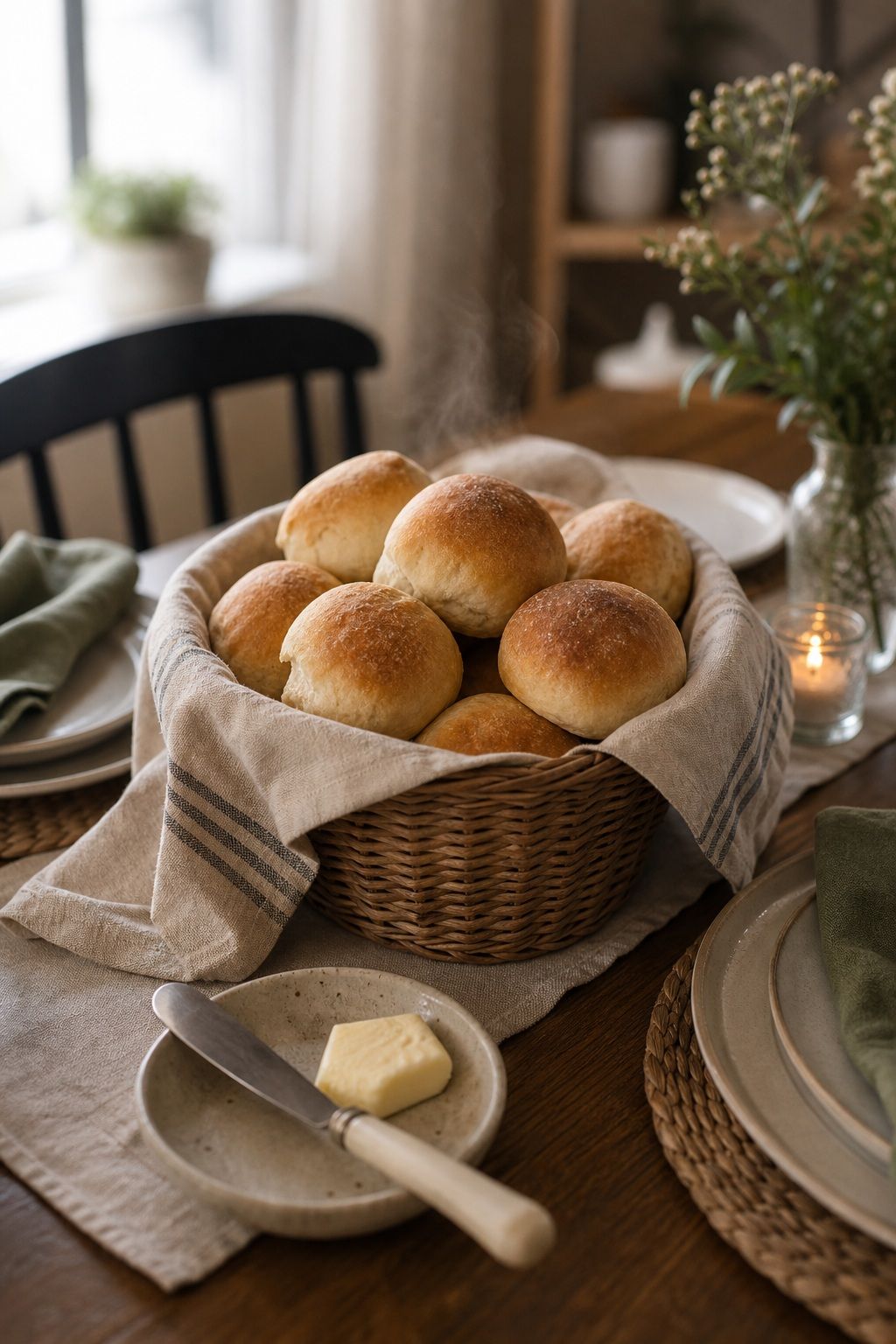


Bread is the easy, beloved menu slot that hosts sometimes forget to plan. Warm dinner rolls, a crusty loaf, cornbread, a flaky biscuit, the bread course rounds out the spread and gives the table something to reach for between dishes.
It is also the most forgiving slot, a good store-bought bread warmed in the oven is completely acceptable and frees your effort for the dishes that need it. Plan one bread, served warm, and consider it the easy win of the menu. The bread course is small, but a Friendsgiving spread without it feels slightly incomplete, and planning it in means it does not become the thing you remembered at the last second.
Read more: Top 16 Friendsgiving Outfit Ideas for a Cozy, Chic Look
10. A Make-Ahead Side That Holds
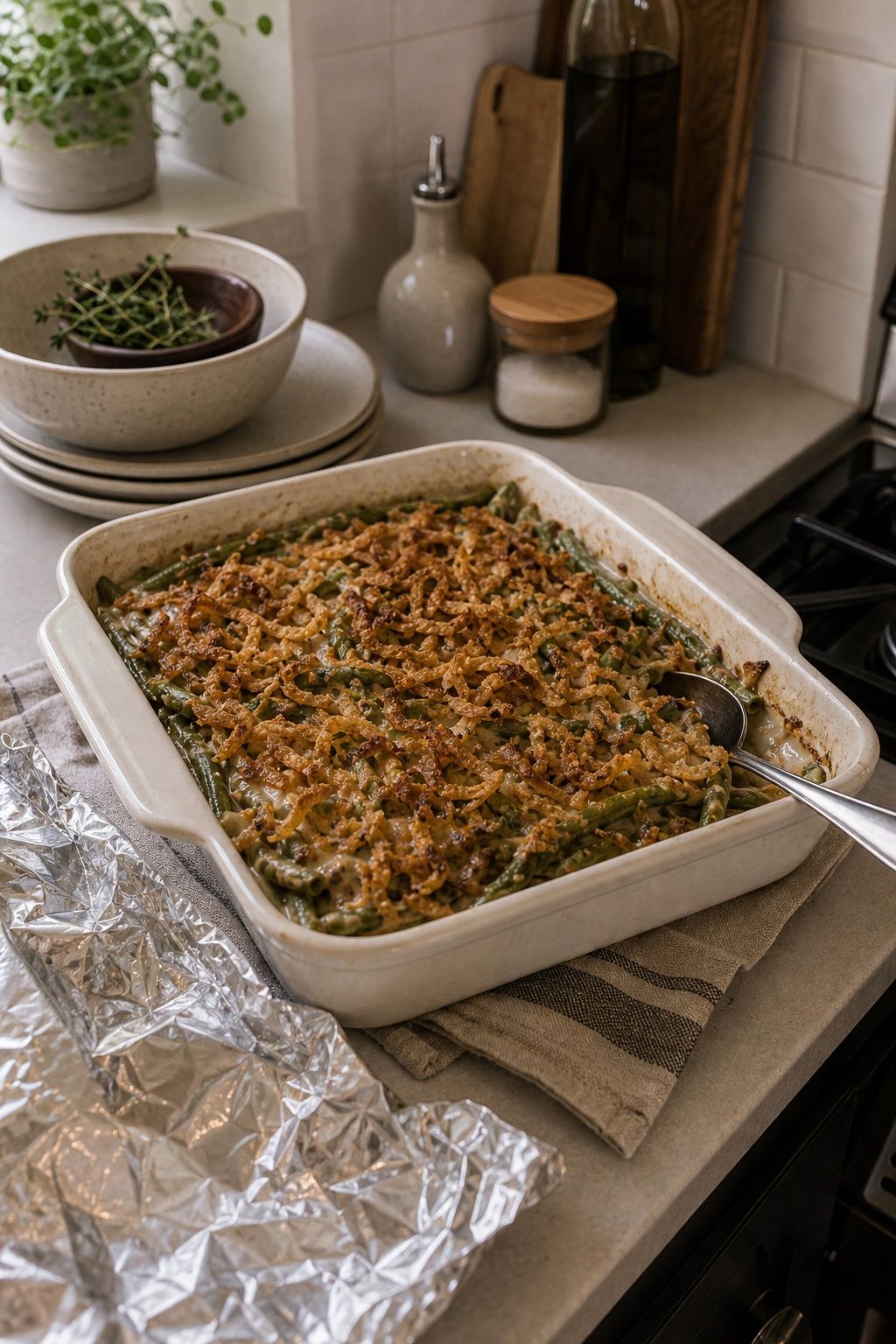


At least one side on the menu should be fully make-ahead, a dish you can finish the day before that holds or reheats without losing anything. A casserole, a grain salad, a braised vegetable dish, a cranberry sauce.
Building a make-ahead side into the menu on purpose shortens the day-of cooking list and gives you breathing room when the kitchen gets busy. It is a planning decision, you are choosing the dish partly for its timing, not just its flavor. A menu with a couple of make-ahead components is a menu the host can actually execute calmly, which is the whole point of planning the spread instead of improvising it.
Read more: Top 18 Friendsgiving Theme Ideas to Set the Perfect Mood
11. One Dietary-Friendly Dish Everyone Can Eat
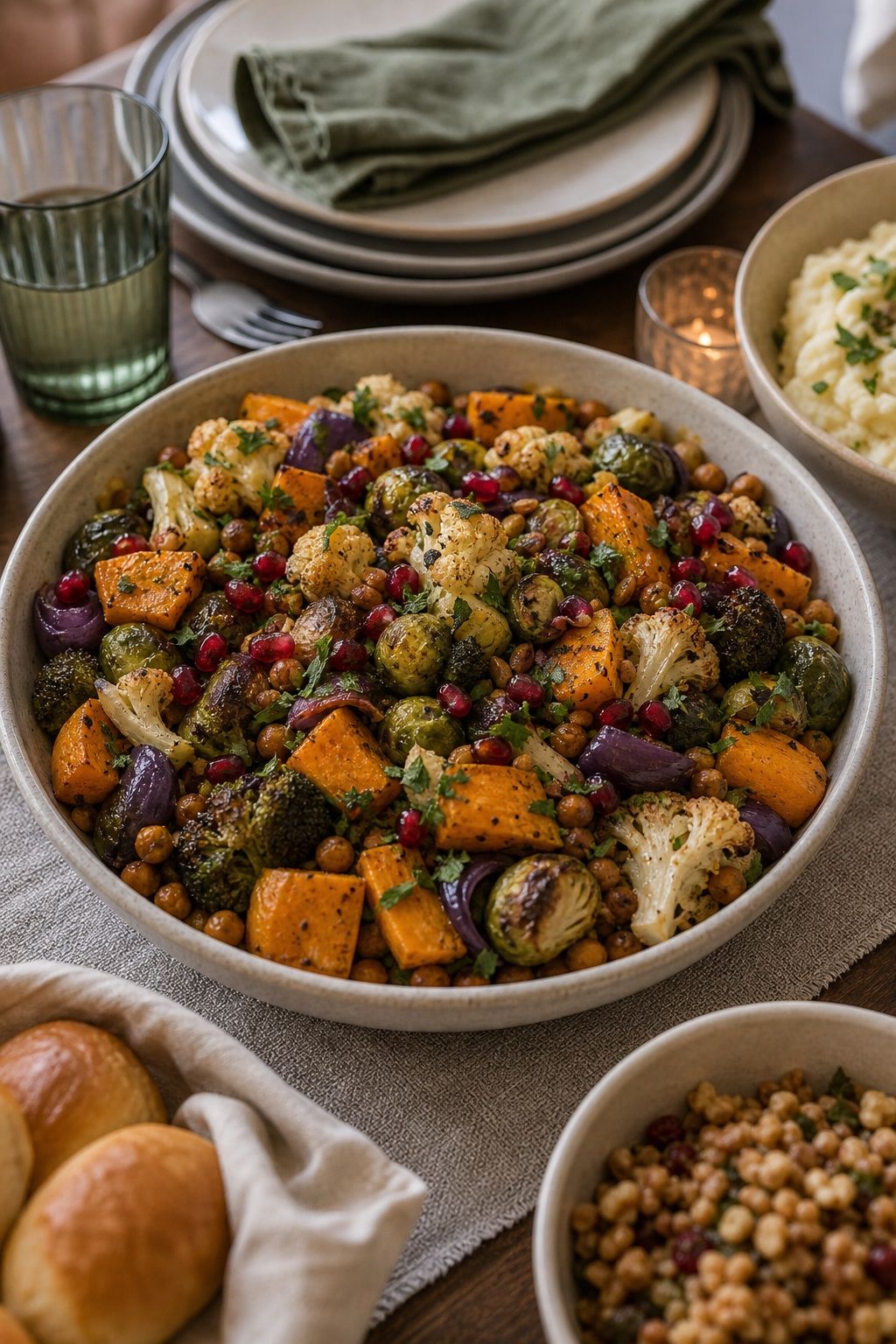


Most Friendsgiving tables have at least one vegan, vegetarian, or gluten-free guest, and the menu should plan for that rather than scrambling. Build in one or two dishes that happen to be naturally inclusive, a hearty vegetable side, the fresh salad, a grain dish.
The goal is that every guest can build a full, satisfying plate from the shared spread, not that you cook a separate parallel menu. Ask about needs in advance so there are no surprises. Planning the dietary mix into the menu structure means no guest is stuck eating only the bread, and it costs nothing but a little forethought, the same courtesy a good what to bring to Friendsgiving plan extends from the guest’s side.
Appetizers and Drinks
12. One or Two Easy Appetizers
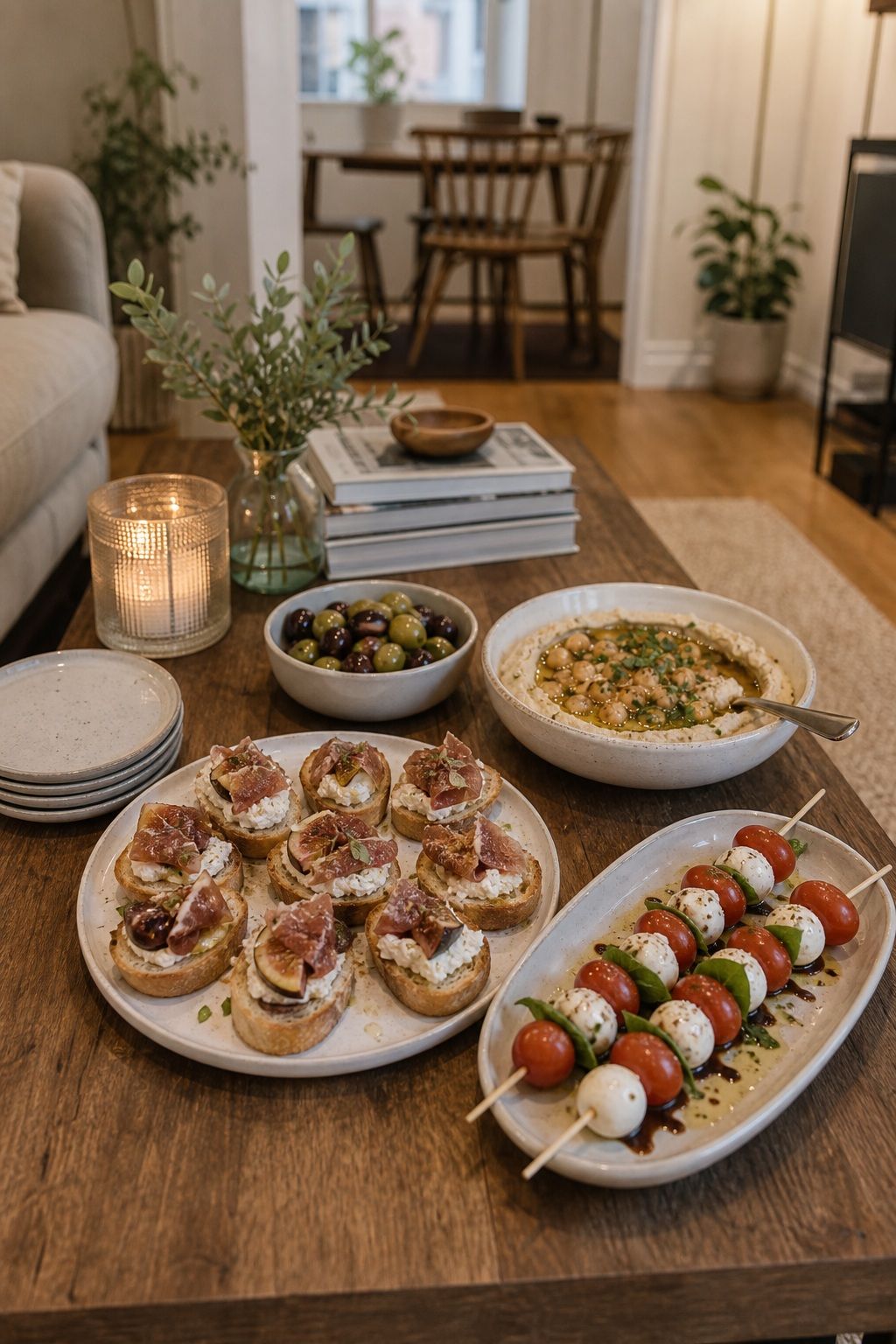


The appetizer slot has a job beyond food, it covers the gap between guests arriving and the meal being ready, exactly when the host is busiest. So the menu needs one or two appetizers that hold on their own without tending.
A baked dip in a slow cooker, a tray of stuffed mushrooms, a simple spread, low-attention bites that sit out happily. Keep it to one or two, the appetizer course should take the edge off, not become a meal before the meal. The full starter roundup is its own guide, the menu job here is just to plan a couple of low-effort openers into the structure so the arrival window is covered and you are free to finish the mains.
Read more: Top 18 Friendsgiving Dishes to Impress Your Guests
13. A Grazing Board as the Appetizer Anchor
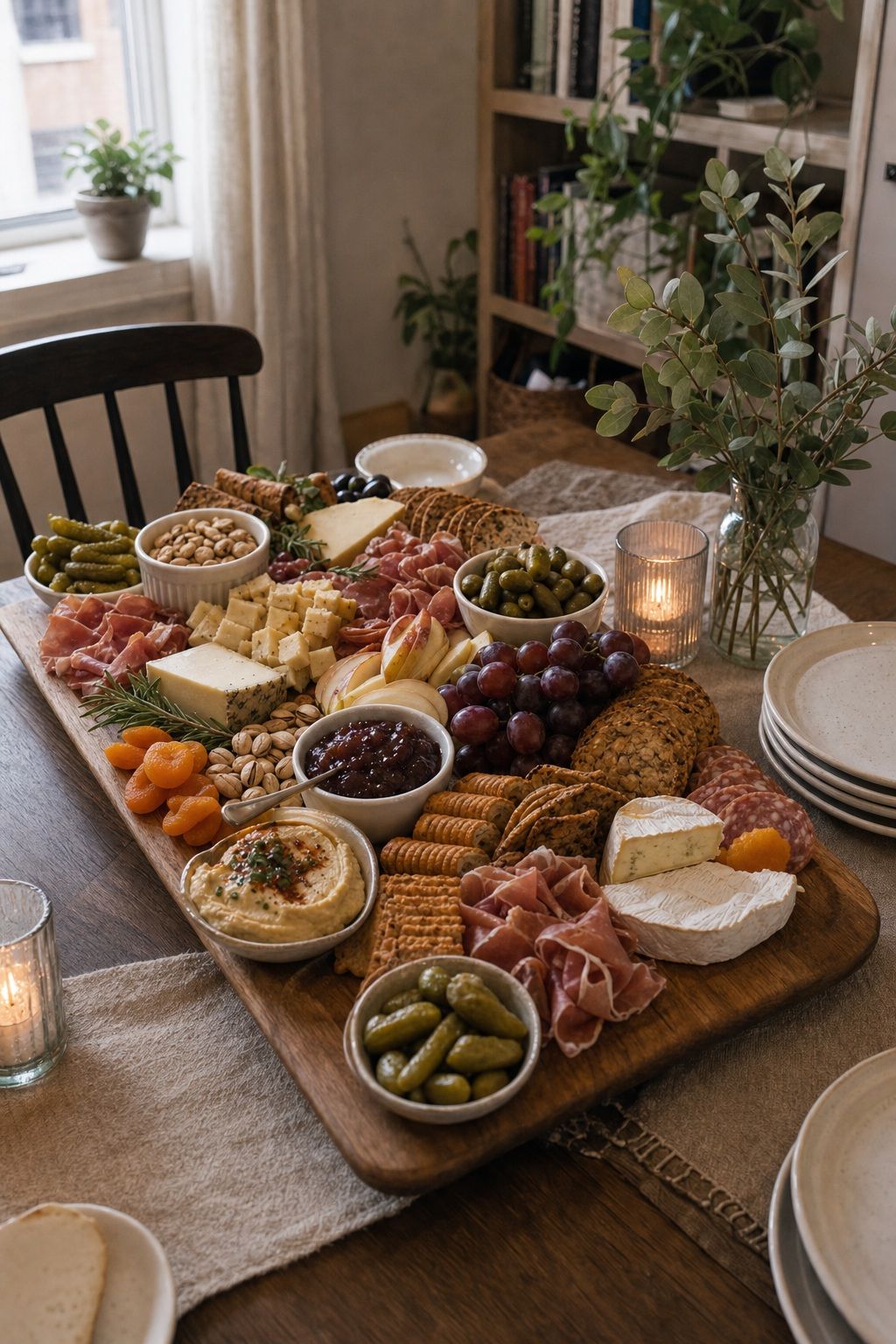


A grazing or charcuterie board is the ideal appetizer anchor for a 2026 Friendsgiving, it needs no cooking, it feeds everyone the moment they walk in, and the cocktail-buffet grazing style is exactly the direction hosting is going.
Build it with a mix of cheeses, something cured or a vegetarian alternative, crackers, fruit, and nuts, scaled to the guest count. The deep build is its own topic with its own guide, the menu job is just to slot one board in as the appetizer anchor. Set it out on a surface that fits the room’s styling, the look of the spread matters too, which is where a chic Friendsgiving decor ideas takes over. A board also buys you time, guests graze while you finish cooking, which makes it a planning asset, not just a dish.
Read more: Top 17 Friendsgiving Cocktails That Feel Effortless and a Little Fancy
14. A Signature Friendsgiving Drink
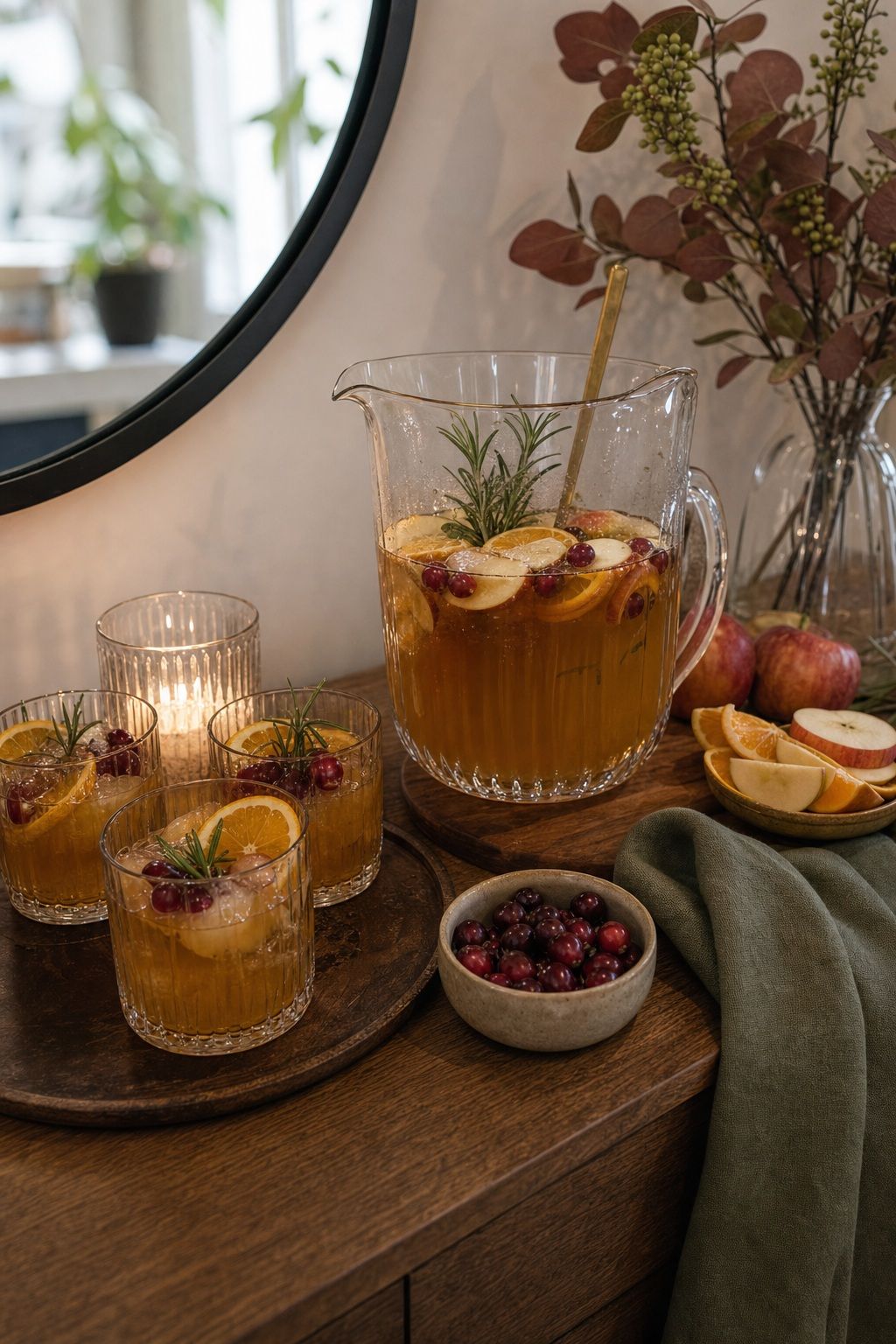


The drink slot is part of the menu, and one signature drink gives the night a centerpiece beverage. A batched fall cocktail, an apple cider punch, a spiced sangria, made ahead in a pitcher or dispenser so the host is not bartending all night.
Batched and self-serve is the move, it fits the relaxed grazing style and frees you to host. Apple cider, pumpkin, maple, cranberry, the flavors of the season. One well-chosen signature drink does more than a full bar of options, and planning it into the menu means the beverage is handled rather than an afterthought poured from whatever is in the fridge.
15. A Non-Alcoholic Option for Every Guest
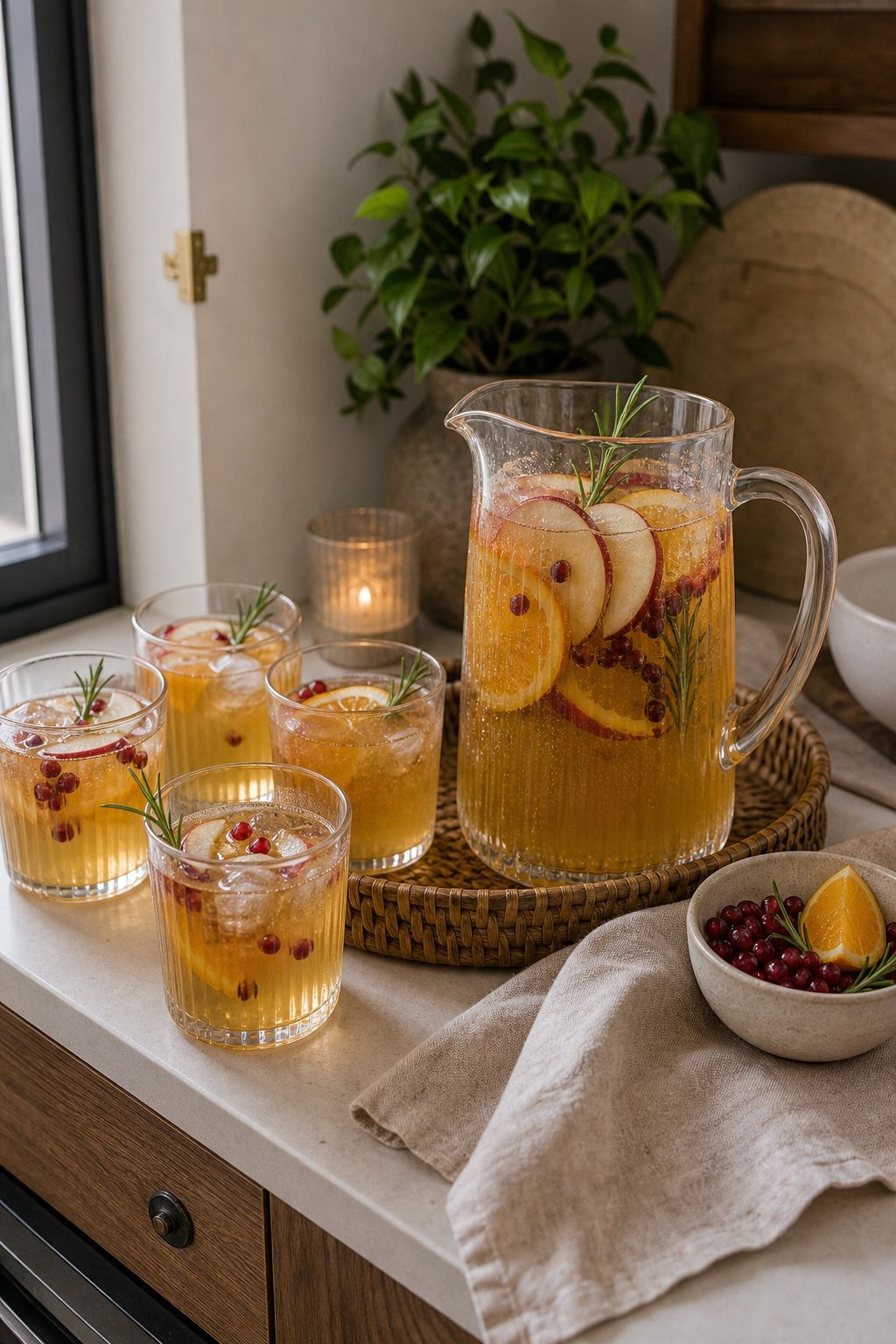


A complete Friendsgiving menu plans a real non-alcoholic option, not just soda for the non-drinkers. A sparkling cider mocktail, a cranberry fizz, a warm spiced cider, something that mirrors the signature drink so non-drinkers are part of the same toast.
Treating the non-alcoholic option as a genuine drink, not an afterthought, is simple hospitality and the 2026 standard. It is also easy, the same fall flavors, just without the alcohol. Planning it into the menu means every guest, the designated drivers, the pregnant guests, anyone taking the night off, has a drink in hand that feels considered. A menu that covers every guest is a menu that did its job.
Read more: Top 18 Housewarming Party Food Ideas for an Easy Crowd-Pleasing Spread
Desserts to End the Night
16. A Make-Ahead Showpiece Dessert
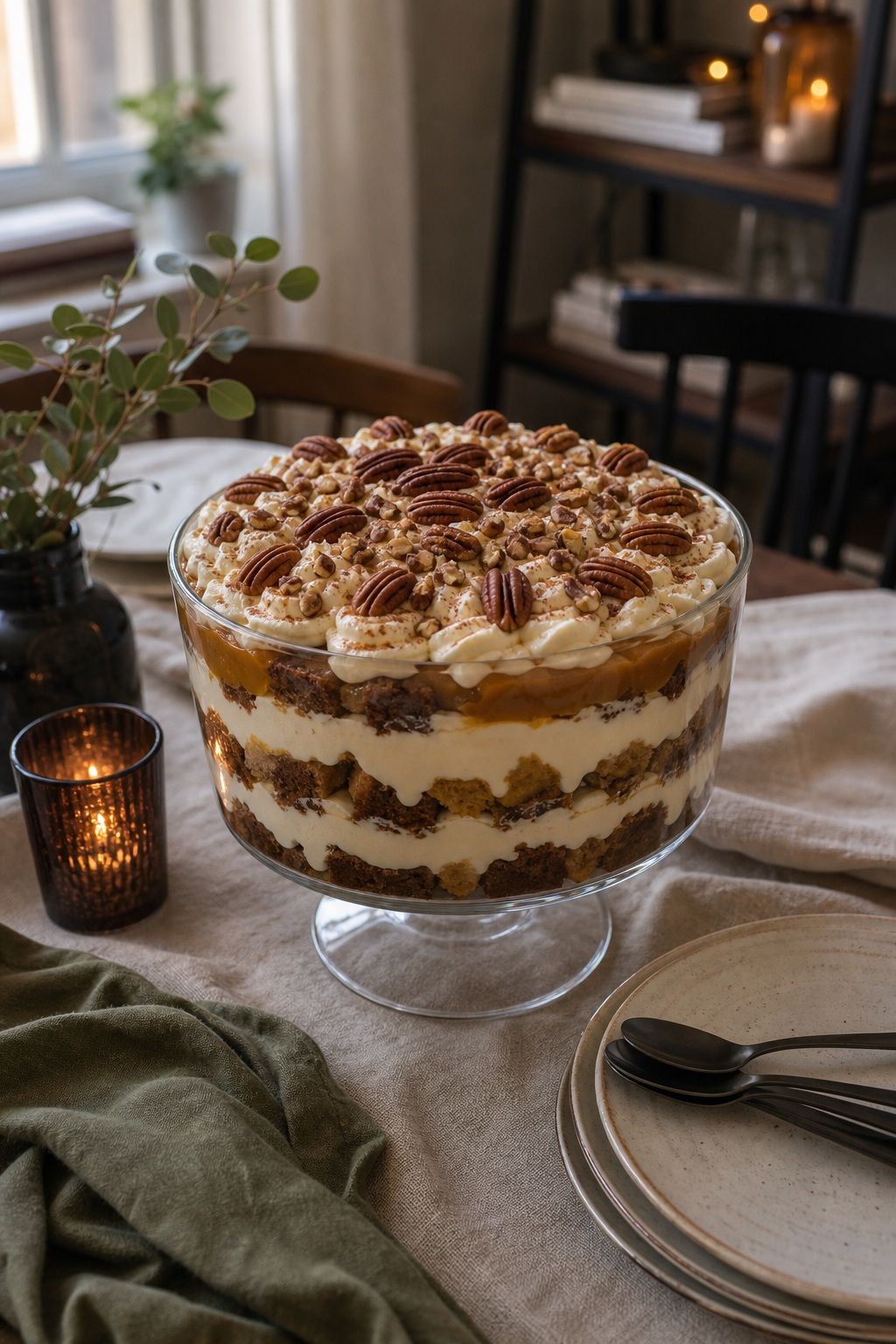


Dessert deserves a real slot in the menu, and the smartest pick is a make-ahead showpiece, a dessert that is fully done the day before and still feels like an event. A pie, a no-bake cheesecake, a layered trifle, a bundt cake.
Make-ahead is the key constraint, the oven and your attention are spent by dessert time, so the showpiece should need nothing on the day but to be set out. One generous showpiece dessert anchors the end of the night the way the centerpiece main anchors the middle. Plan it into the menu deliberately rather than leaving dessert to chance, and the spread has a proper, satisfying finish.
Read more: Top 20 Friendsgiving Dinner Party Food Ideas to Warm Your Heart and
17. A Bite-Size Sweet for Grazing
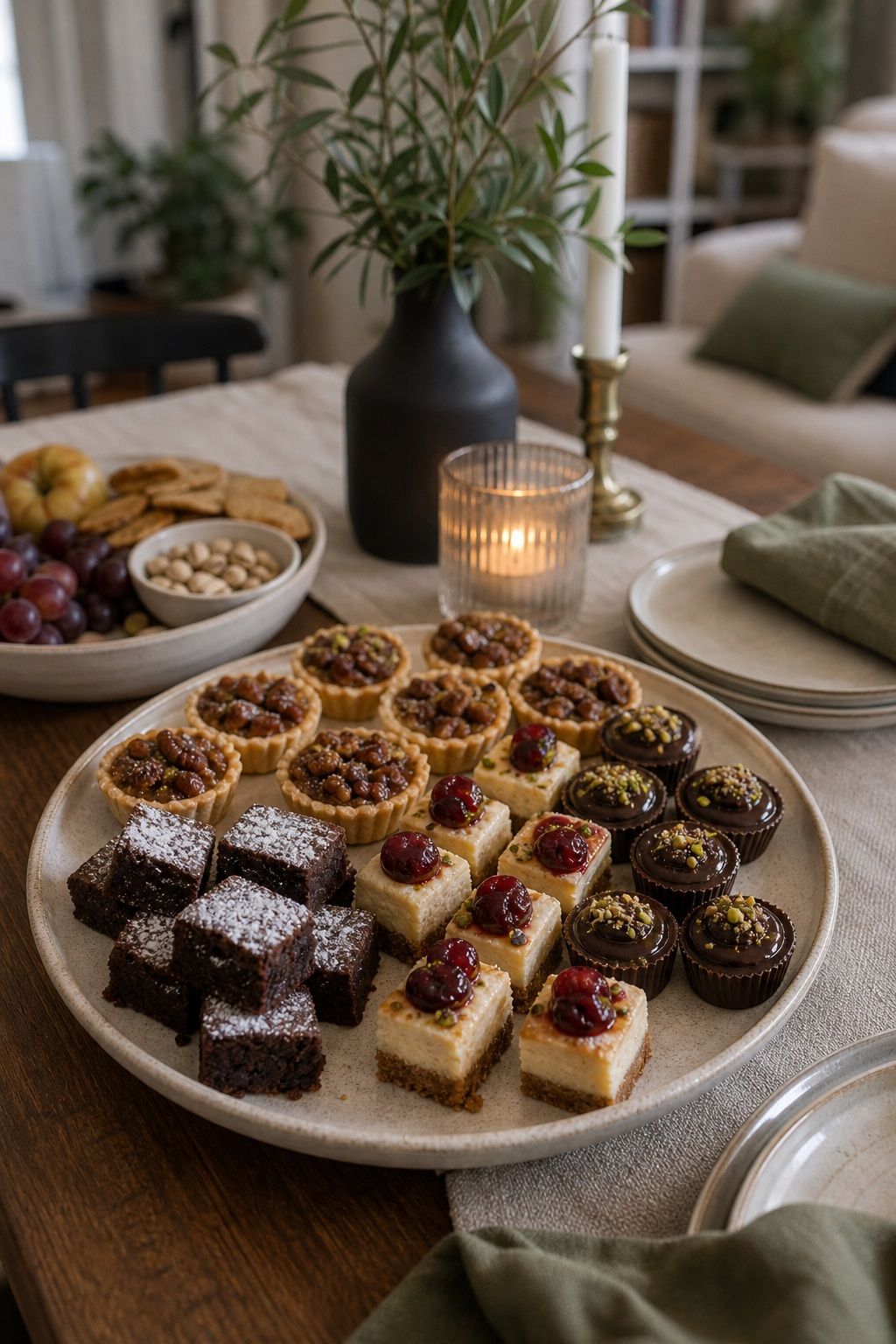


Alongside the showpiece, a bite-size sweet suits the relaxed, grazing part of the night, the stretch after the meal when people are playing games and drifting. Cookies, bars cut small, mini tarts, truffles, the little things guests pick at.
These are entirely make-ahead, they need no plating, and they keep the sweet options going into the late evening without any further work from the host. They also travel well, which makes them an easy potluck assignment. A bite-size sweet is the second dessert slot that keeps the table generous after the main dessert moment has passed, and it is the lowest-effort part of the whole menu.
18. A Simple Plated Finish or Coffee Course
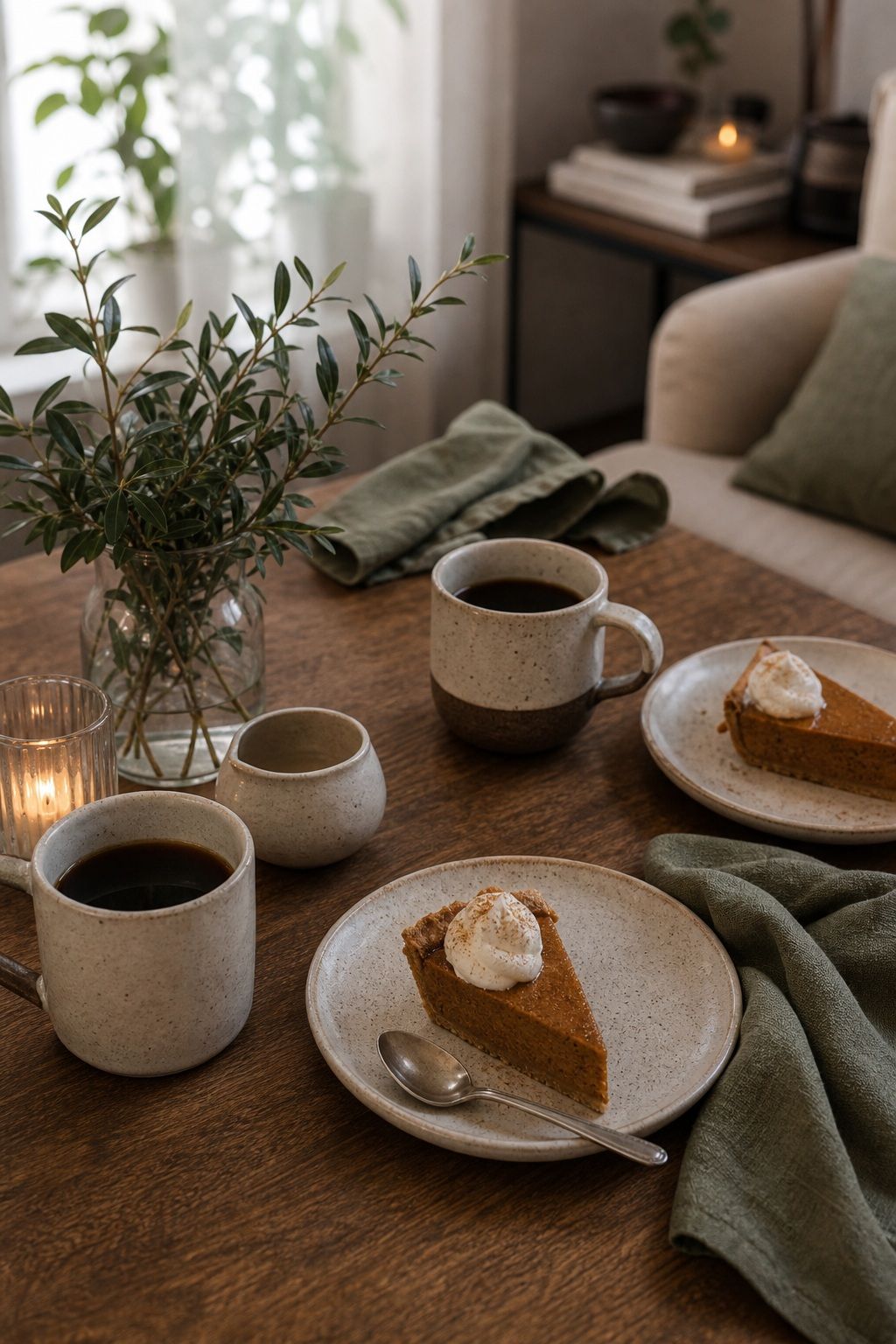


The final menu slot is the gentle landing, a simple plated finish or a coffee-and-tea course that closes the night without more cooking. A scoop of good ice cream with the pie, a cheese-and-fruit plate, or just a proper pot of coffee and tea with the bite-size sweets.
It signals the meal is winding down and gives the evening a soft ending. It needs almost no planning, which is exactly right for the end of a hosting day. Set up a small coffee spot so guests serve themselves. A simple final course is the last piece of a complete menu, and it is the detail that makes the spread feel fully thought through from the first appetizer to the last cup, the same finishing care a good autumn dinner party table settings ideas and a thought-through fabulous Friendsgiving table setting ideas bring to the table itself.
Read more: Top 17 Friendsgiving Dinner Party Decor Ideas to Make Your
Frequently Asked Questions
What food should I make for Friendsgiving?
Build a Friendsgiving menu course by course: one or two mains, three or four varied sides, a warm bread, one or two easy appetizers anchored by a grazing board, a signature drink with a non-alcoholic option, and a make-ahead showpiece dessert. Plan the structure first, then fill each slot, and lean on the 2026 creative-comfort-with-a-twist direction.
Do you have to serve turkey at Friendsgiving?
No. The 2026 Friendsgiving table fully welcomes a non-turkey main, and for a small apartment a braised pork shoulder, a couple of roast chickens, a glazed ham, or a vegetarian centerpiece often works better, faster to cook, easier on one oven, and fewer leftovers. The main is a deliberate choice, not a default.
How many dishes should a Friendsgiving menu have?
A balanced Friendsgiving menu usually has one or two mains, three or four sides, one bread, one or two appetizers, a signature drink with a non-alcoholic option, and one or two desserts, scaled to your guest count at roughly one and a half servings of each dish per person. Structure matters more than sheer quantity.
What is a good Friendsgiving menu for a small group?
For a small group, scale down the structure rather than dropping courses: one main, two or three sides, a bread, a grazing board as the appetizer, one batched drink, and one make-ahead dessert. Work around a single oven by favoring stovetop, slow-cooker, make-ahead, and no-cook dishes so the timing actually works.
How do you plan a Friendsgiving menu without it being all carbs?
Avoid the all-carbs table by sketching the courses first and deliberately building in variety: among the sides, include something green and something bright alongside the starches, add a fresh salad to balance the rich dishes, and plan one dietary-friendly dish everyone can eat. A planned structure prevents the lopsided spread.
Key Takeaways
- Structure the menu course by course first, mains, sides, bread, appetizers, drink, dessert, then fill the slots, instead of collecting a pile of recipes.
- Scale the quantities to your guest count at about one and a half servings of each dish per person, and plan the menu around a single apartment oven.
- Choose the main deliberately, the 2026 table fully welcomes a non-turkey centerpiece, and back it with an easier second main for the crowd.
- Build in classic sides with a 2026 twist, a fresh balancing salad, a warm bread, a make-ahead side, and one dietary-friendly dish everyone can eat.
- Plan the appetizers, a signature drink with a non-alcoholic option, and a make-ahead showpiece dessert into the structure, so the whole spread is complete and crowd-pleasing.
Final Thoughts
A crowd-pleasing Friendsgiving menu is a planning achievement before it is a cooking one. Sketch the courses, scale to your guest count, work around your one oven, and choose the main on purpose, and the food side of the night stops being a source of stress. The specific recipes for the sides, the appetizers, the board all have their own guides, what most hosts are missing is the framework that tells them what to put where. Start with the course-by-course skeleton, the five-minute sketch the whole spread hangs off, and build a table that is balanced, generous, and genuinely manageable.
Last update on 2026-10-11 / Affiliate links / Images from Amazon Product Advertising API
