

The best garden summer decor treats the space as a quiet recovery zone, not just a party spot. Add comfortable single-occupancy seating, layer planting in earthy terracotta and sage tones, light it with dimmable string lights and lanterns, and work in storage-integrated benches. Match the palette to the rooms just inside, and the garden becomes the spot you actually unwind in all summer.
Gardens get treated as event spaces, somewhere to host, somewhere for the barbecue, somewhere that has to look good when people come over. That framing is exactly why so many gardens sit unused on a normal Tuesday evening, when nobody is coming over and you just want to sit down outside.
The shift worth making is to style the garden as a recovery zone first. A spot built for one person to actually unwind, with a cocoon chair you sink into, planting that feels enveloping rather than on display, and lighting soft enough to stay out past dark. It can still host. It just stops only hosting.
Eighteen ideas are coming, grouped by the comfortable seating, the plants and planters, the lighting and ambiance, then the storage and texture that finish it. Full backyard or a balcony garden, the recovery-zone thinking scales down cleanly. For the smallest version of an outdoor escape, our small apartment patio ideas work at apartment scale.

Recommended Garden Summer Products


Recommended blogs to read:
- Balcony summer decor ideas
- Summer decor inspiration
- Zen garden home decor
- Sunroom garden ideas
- Fall porch decor ideas
Comfortable Garden Seating
1. Add a Single-Occupancy Cocoon Chair
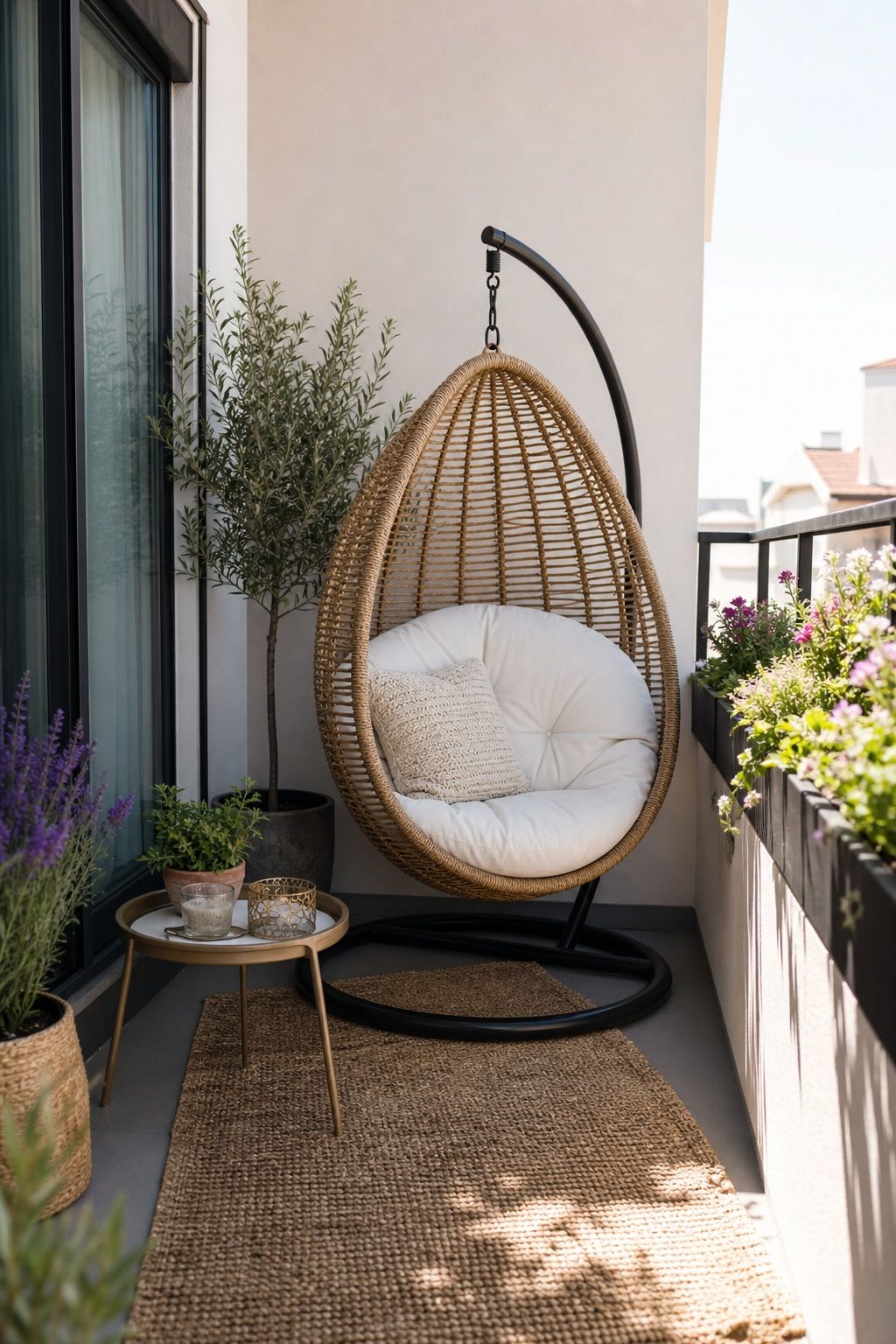


The piece that turns a garden into a recovery zone is one genuinely comfortable chair built for a single person. An egg chair, a deep cushioned lounge chair, a curved cocoon seat, something you sink into rather than perch on, signals that the garden is a place to actually rest, not just a spot to stand around.
This is where to spend if you spend anywhere, $150 to $400 for a real cocoon or egg chair, and a secondhand frame re-cushioned costs far less. Place it facing the best view or tucked into a planted corner, and make this the anchor the rest of the garden styling builds around.
Read more: Top 15 Front Porch Garden Ideas to Brighten Your Entryway
2. Build a Conversation Layout for Hosting Too
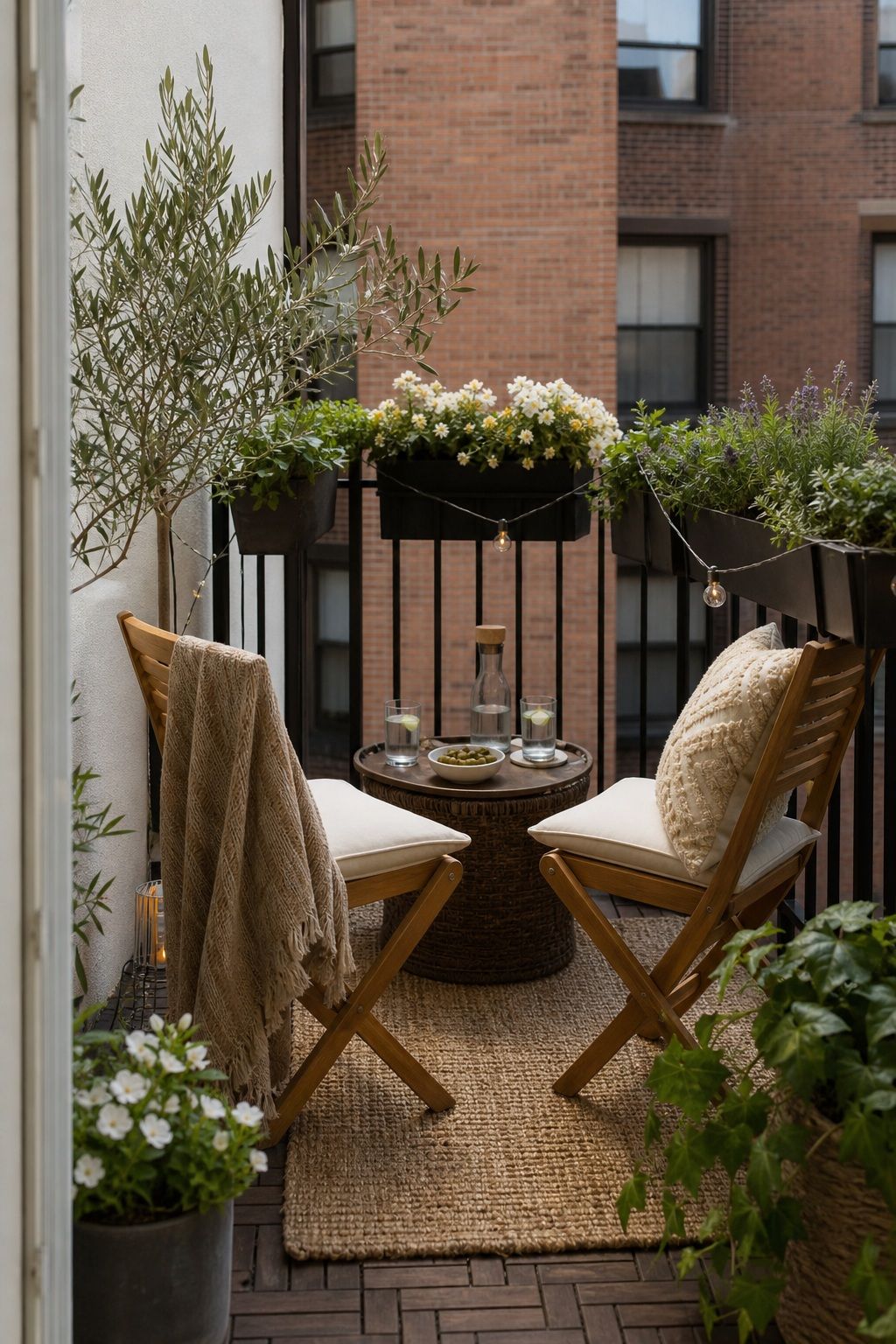


The garden can still host, it just should not only host. Alongside the single recovery chair, a small grouping of two or three seats angled toward each other handles guests without turning the whole garden into an event space waiting for an event.
Keep the hosting seating modest and movable, folding or lightweight chairs that pull together when needed and tuck away when they are not. The recovery zone stays the priority, the hosting layout is the flexible add-on. That balance is the 2026 shift, a garden that serves a normal evening first and a gathering second. Store the hosting chairs in a deck box or against a wall so they never crowd the recovery zone when guests are not over.
3. Layer in Outdoor Floor Cushions
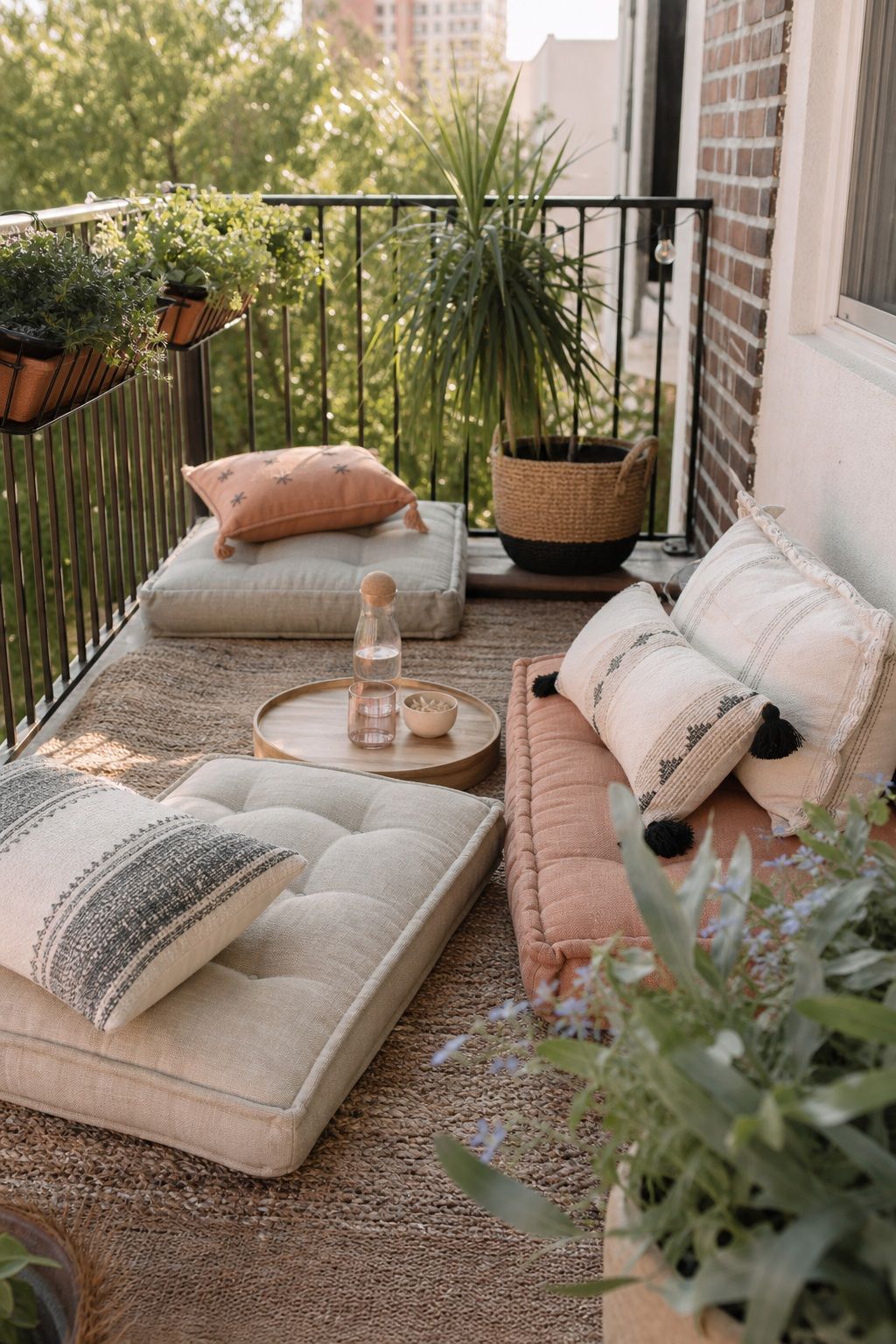


Floor cushions and poufs add casual, low seating that suits the relaxed mood of a recovery garden and stacks away easily when it is not in use. They are also the most flexible option, extra seating for guests, a footrest for the cocoon chair, a spot to sit closer to the planting.
Outdoor-rated floor cushions run $25 to $50 each, and weatherproof poufs similar. Pile a couple near the main seating with a throw, and the garden gains a second informal zone with almost no footprint. They suit a balcony garden especially well, where full chairs may not fit. Choose covers in the same earthy palette as the rest of the garden so the cushions read as part of the scheme rather than spare seating.
Read more: Raised Garden Bed Ideas That Turn Any Outdoor Space Into Something
4. Make the Seating Genuinely Weatherproof
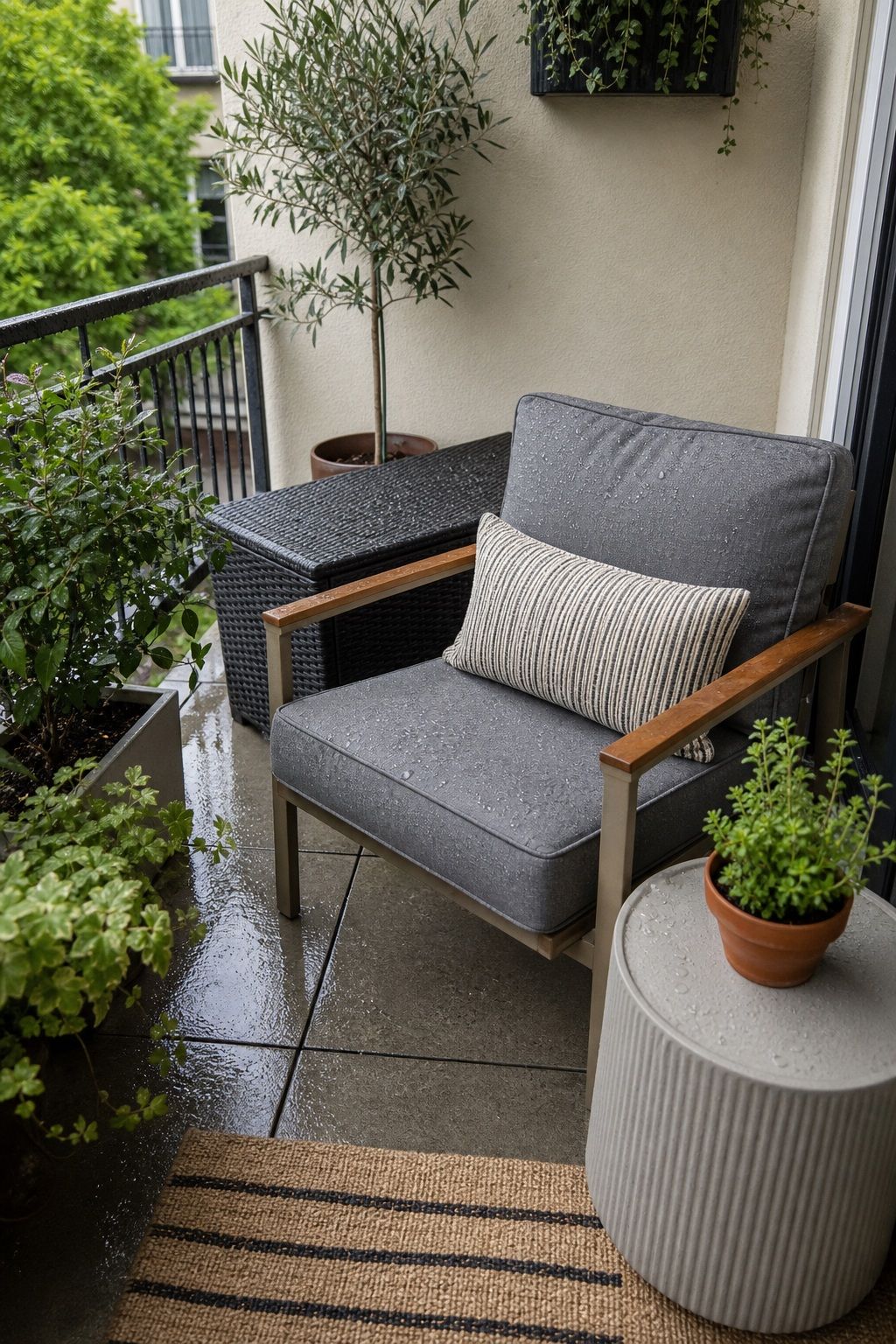


Garden seating only gets used if it is ready when you are, which means weatherproof enough to sit on without hauling cushions in and out. Solution-dyed outdoor fabric, quick-dry foam, and frames in powder-coated metal or treated wood handle dew, sun, and a light shower without complaint.
Quick-dry cushions are worth the small premium, $40 to $80 a cushion, because they remove the single biggest barrier to actually using a garden, the wet-seat problem. A storage bench or deck box for the cushions handles the heavier weather. The easier the seating is to just use, the more the garden gets used.
Read more: Top 18 Summer Wedding Theme Ideas From Boho Garden to Coastal Modern
5. Position Seating for Privacy and Calm
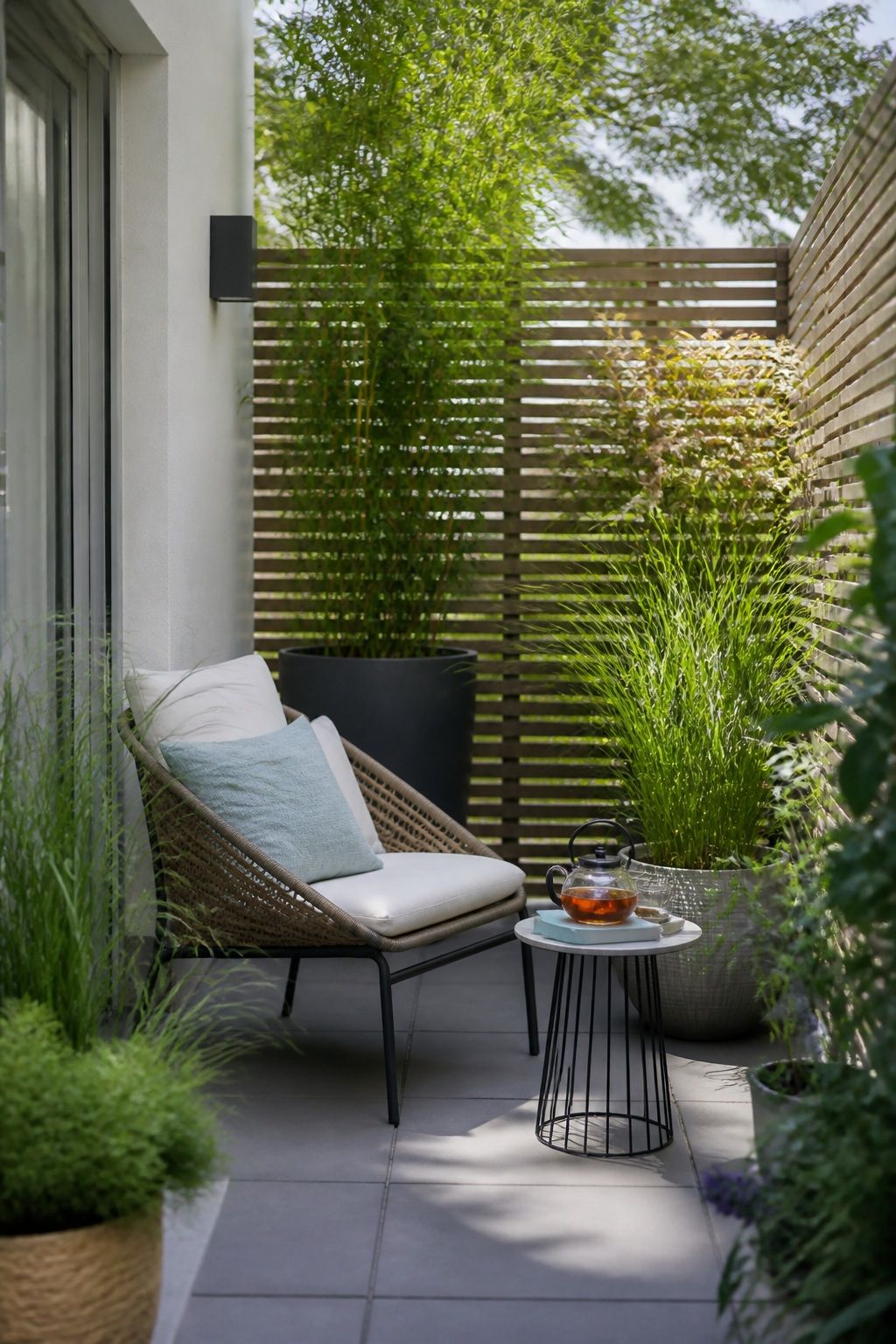


Where the seating sits matters as much as what it is. A recovery chair facing the neighbors, or set in the open middle of the garden, never feels restful. Tuck it into a planted corner, angle it away from sightlines, and back it with a hedge, a trellis, or tall pots.
The planting does double duty here, decoration and a privacy screen at once. A seat with greenery behind it and an open view in front of it is the recovery-zone formula. It costs nothing extra, it is just thoughtful placement, the same instinct our outdoor patio roof ideas bring to overhead cover.
Plants, Planters, and Greenery
6. Layer Planting at Different Heights
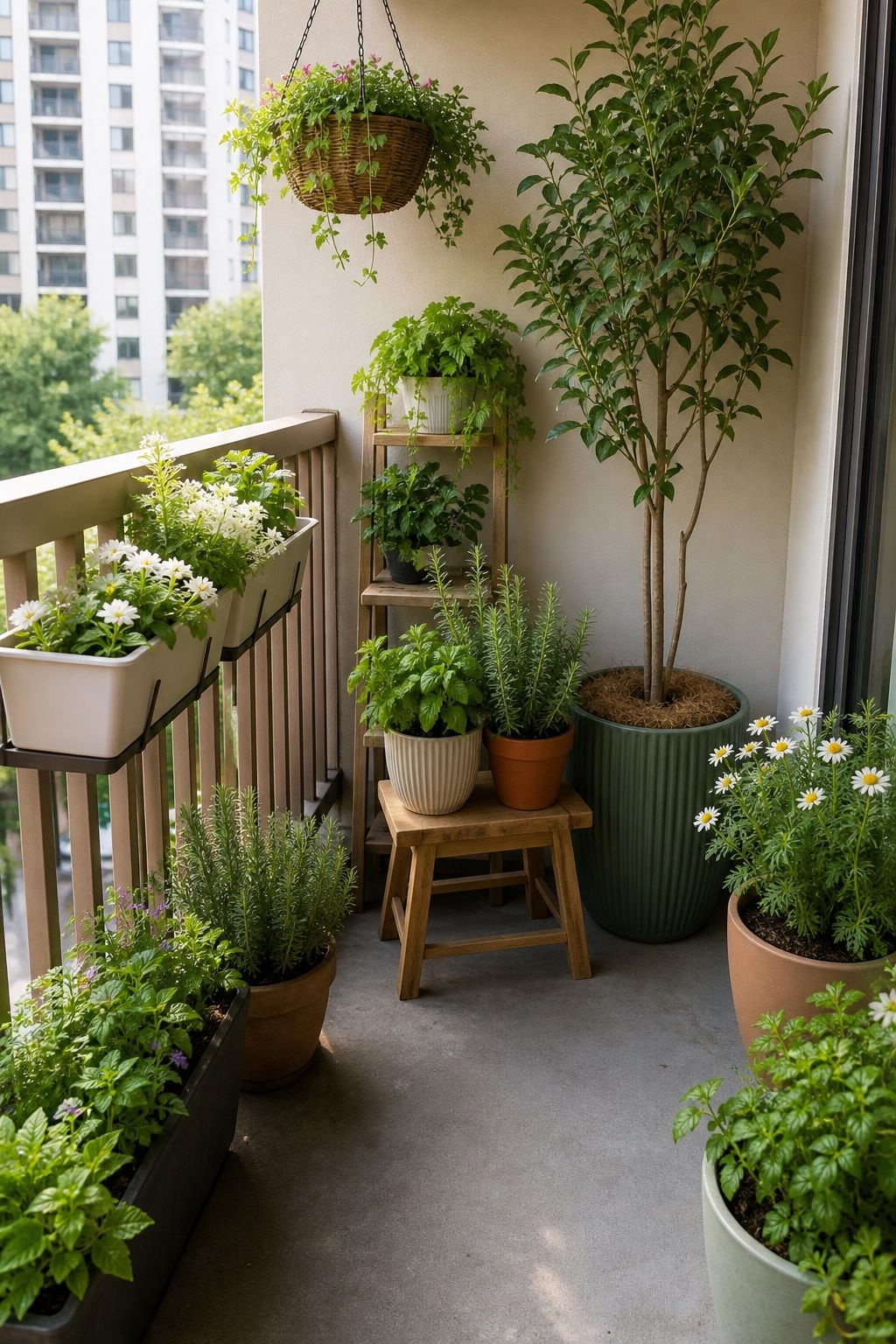


A garden that reads as lush rather than sparse is almost always one with planting at varied heights. Tall grasses or a small tree at the back, mid-height shrubs and perennials in the middle, low spreading plants and ground cover at the front, so the eye travels up and down rather than across a flat plane.
This works in beds and in container groupings equally, a tall pot, a couple of mid pots, trailing plants spilling over a low one. Layering height is what makes a garden feel full and enveloping, which is exactly what a recovery zone needs. It costs no more than the same plants arranged poorly.
Read more: Top 15 Summer Tiered Tray Decor Ideas for a Sun-Kissed Look
7. Choose an Earthy Terracotta and Sage Palette
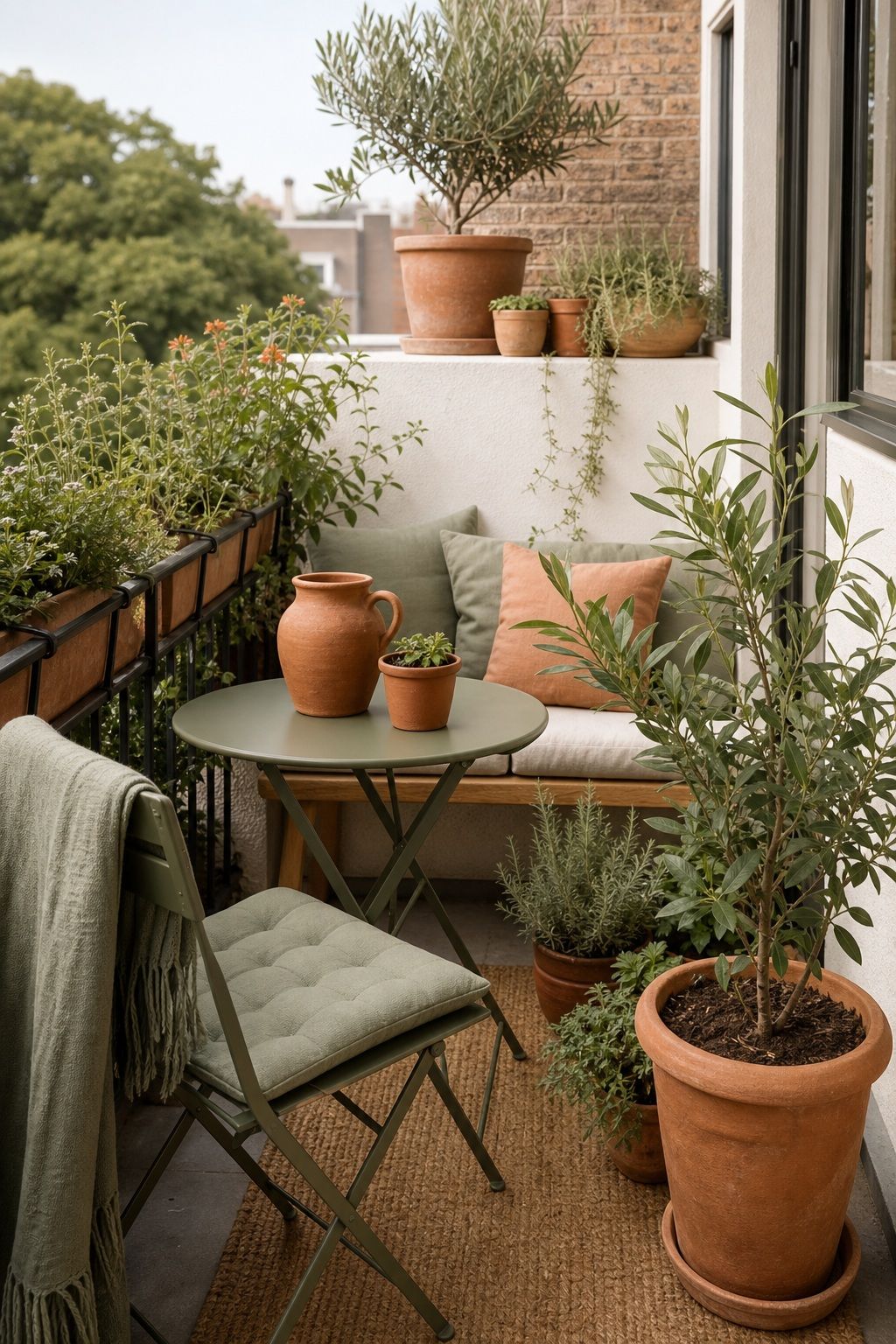


The 2026 garden palette is earthy and grounded, terracotta, sage green, weathered sand, warm stone, rather than bright primary pops. These tones feel calm and natural, they suit the recovery-zone mood, and they make the garden read as one cohesive space rather than a collection of loud pieces.
Bring the palette in through the planters, the cushions, and the hard materials, since the plants themselves bring their own greens. Terracotta pots are cheap, $5 to $20, and weather beautifully. A consistent earthy palette is a discipline rather than a cost, and it does as much for the garden as any single purchase.
Read more: Top 18 Apartment Summer Decor Ideas to Refresh Every Room
8. Group Containers in Odd Numbers
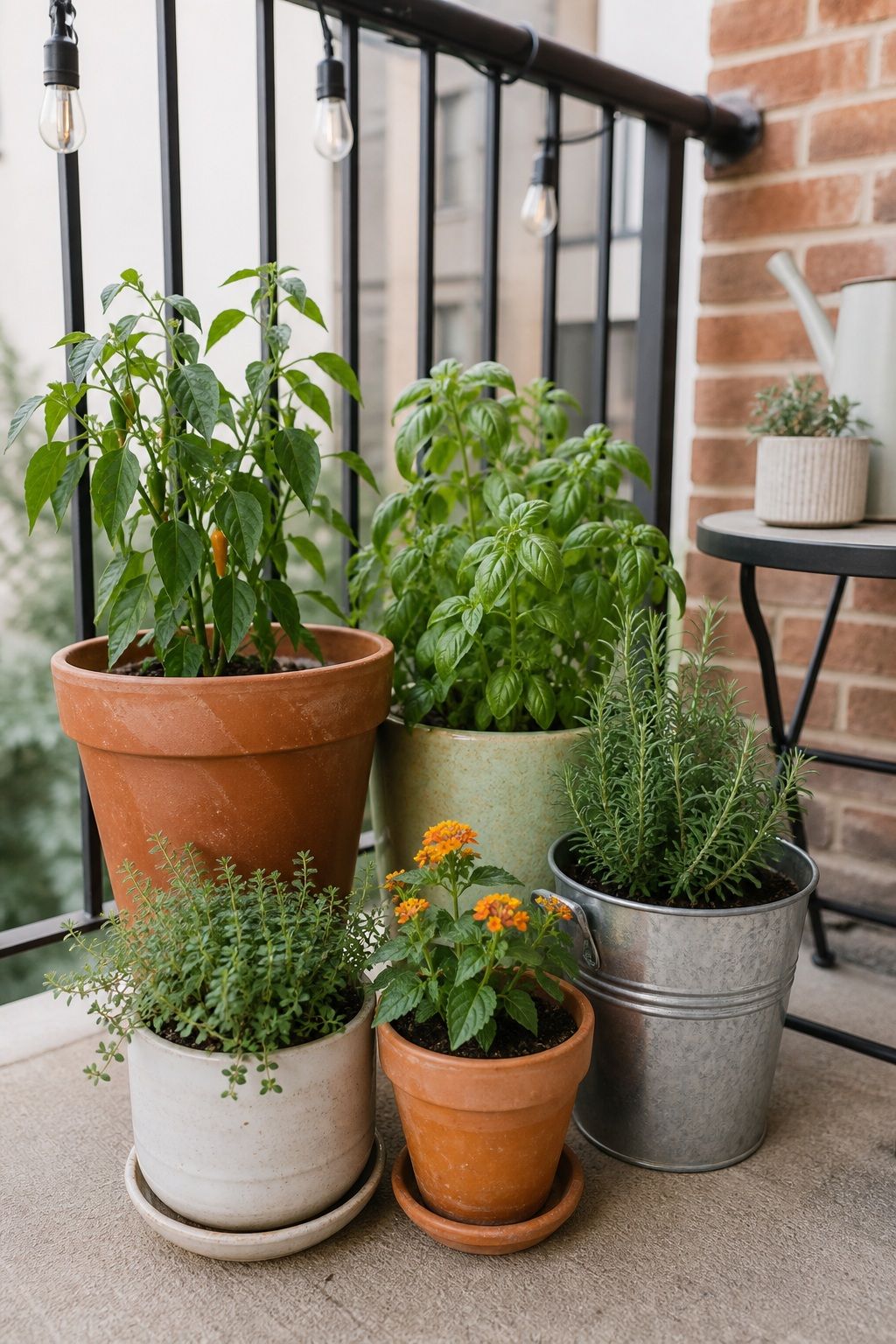


Container plantings look intentional when they are grouped, not scattered. Clusters of odd numbers, three or five pots of varied heights and sizes pulled together, read as a designed planting, while pots dotted singly around the garden read as an afterthought.
Vary the pot heights within each cluster and keep the material consistent, all terracotta, all glazed, all concrete, so the grouping holds together. Containers also let a renter or a balcony gardener build a real garden with no beds at all. Group, do not scatter, is the single rule that makes container gardening look styled. Leave a little space between clusters so each grouping reads as its own moment rather than one long crowded row.
9. Add Fragrant and Sensory Plants
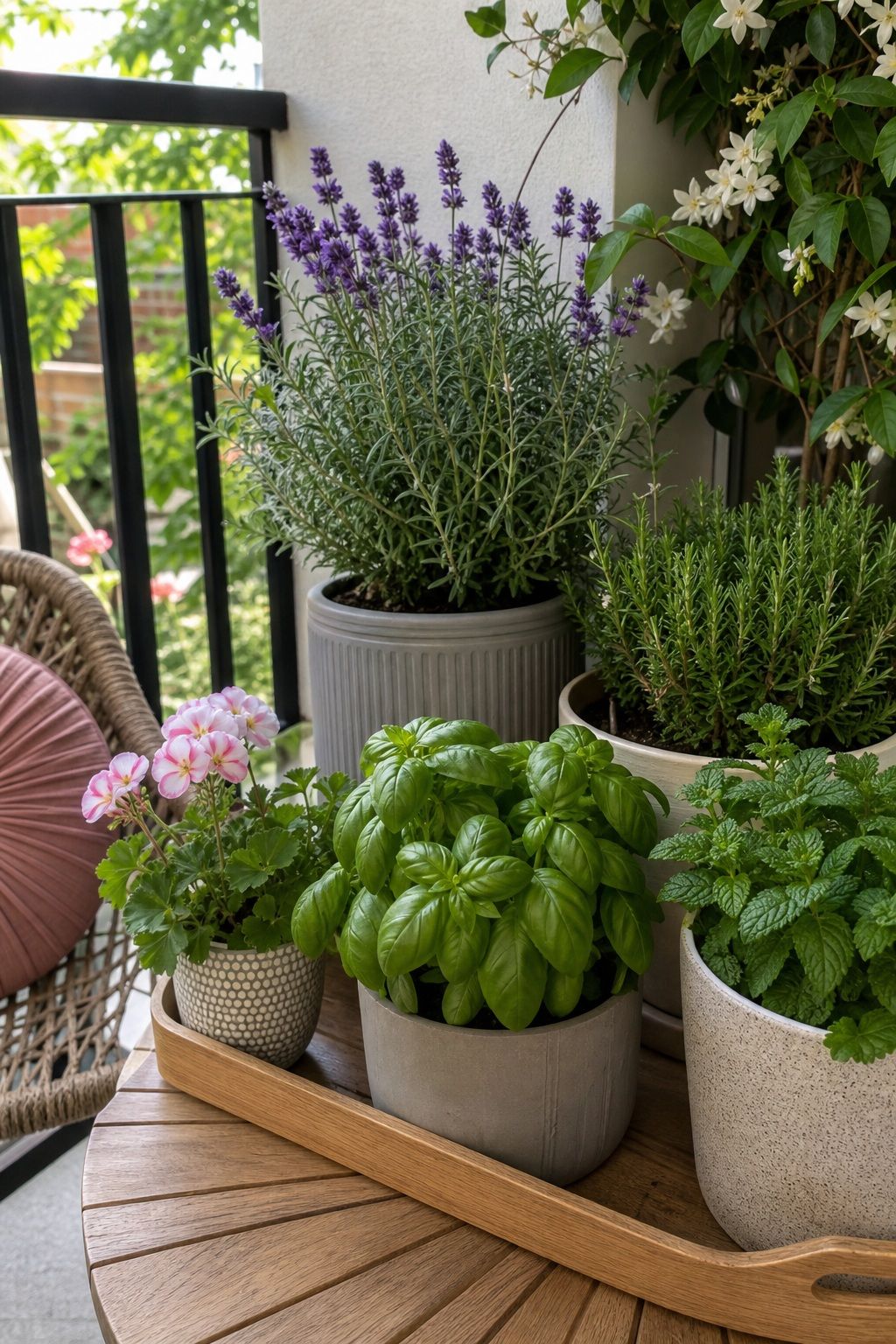


A recovery garden should reach more than the eyes. Fragrant plants, lavender, jasmine, rosemary, scented geranium, and plants with soft, touchable texture, ornamental grasses, lamb’s ear, add a sensory layer that genuinely deepens how restful the space feels.
Most of these are inexpensive and easy, $5 to $15 a plant, and many double as herbs. Place the fragrant ones near the seating where the scent actually reaches you, especially in the evening when it is strongest. The scent is what makes a garden feel immersive rather than just nice to look at. Brush past or pinch a leaf as you sit down, that release of scent is part of the daily ritual a recovery garden builds in.
Read more: Top 17 Light and Airy Blue Summer Decor Inspirations
10. Use Planting to Define the Zones
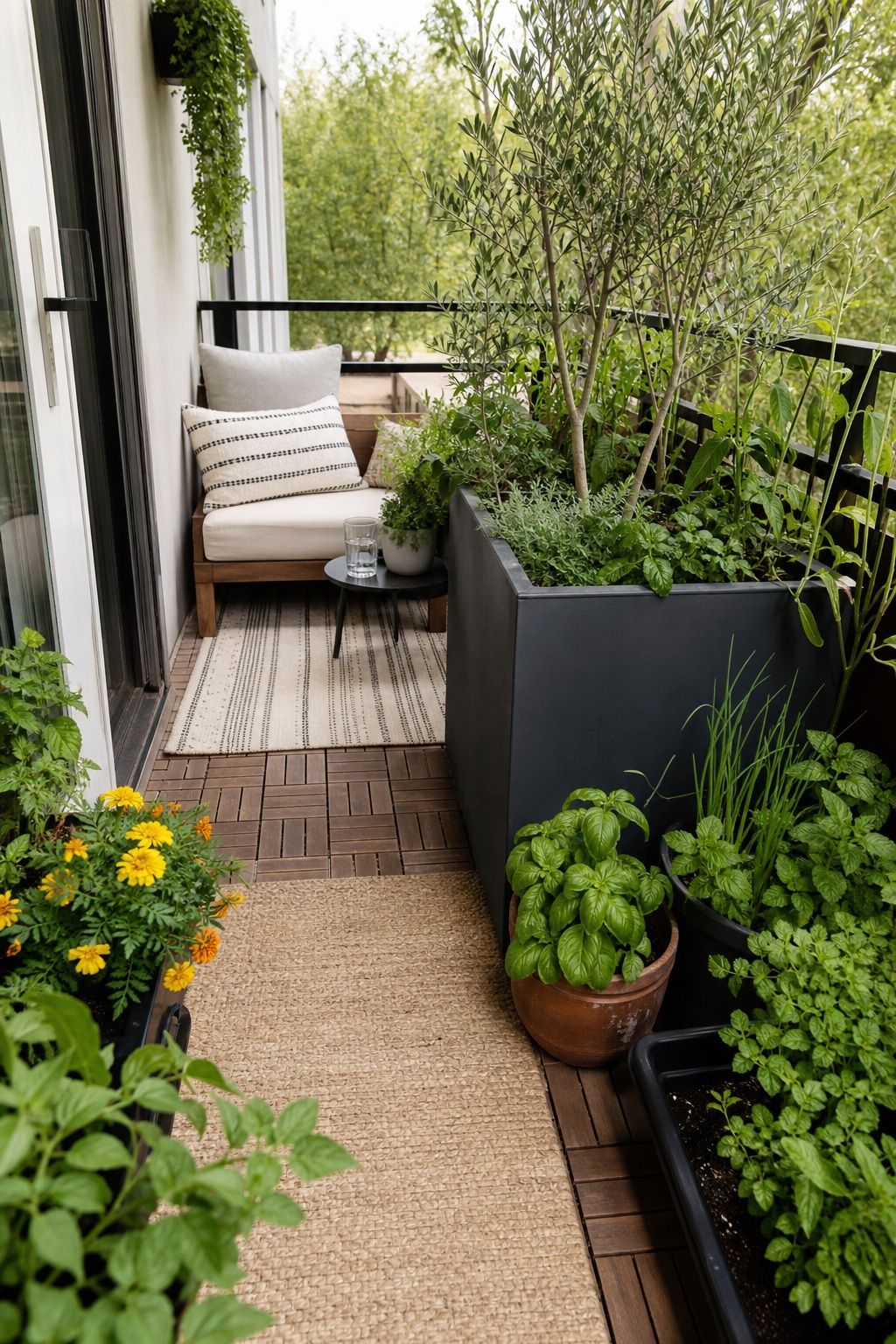


Planting is the most natural way to divide a garden into a recovery zone and a hosting zone without building anything. A row of tall pots, a low hedge, a planted trellis, or a cluster of grasses draws a soft line between the quiet seat and the open social space.
The division does not need to be solid or tall, just enough to give each zone a sense of its own edge. This is how a single garden does two jobs without feeling split or cluttered, the same loose-zoning logic our garland summer decor ideas use to mark a space for an occasion.
Read more: Top 17 Dining Table Summer Decor Ideas for Casual Entertaining
Lighting and Ambiance
11. Layer String Lights Overhead
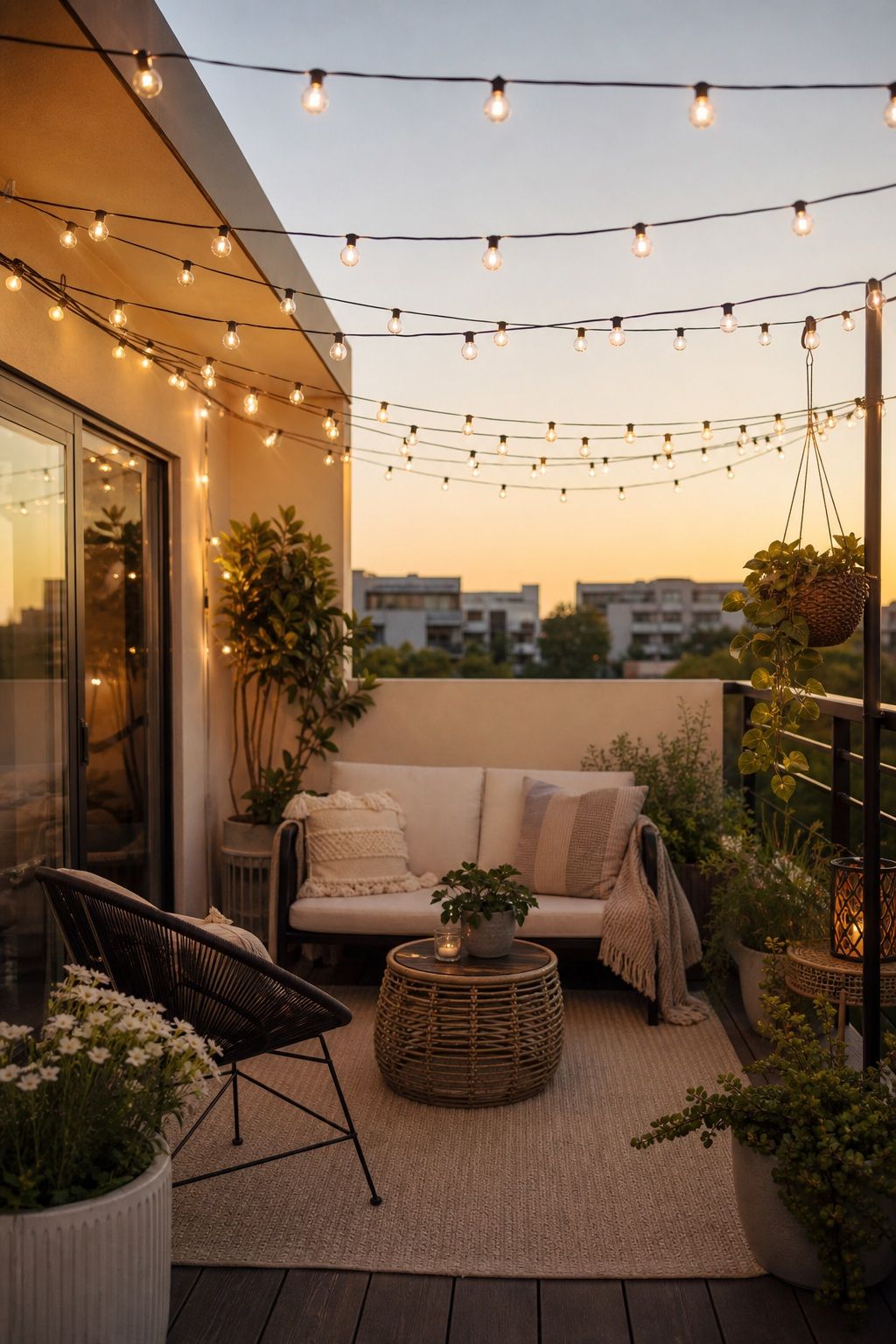


Overhead string lights are what extend a garden past sunset, and in summer that is a lot of usable evening to gain. Strung between posts, across a pergola, or zigzagged over the seating, warm-white string lights give a soft canopy of light that turns the garden into a place you stay rather than leave when it gets dark.
Solar strands are the easy choice, no wiring, no outlet needed, $20 to $40 for a quality weatherproof set. Keep the runs loose with a gentle drape rather than pulled taut. The overhead glow is the single biggest move for evening ambiance, and on solar it costs almost nothing to run.
12. Add Dimmable and Adjustable Lighting


The 2026 garden lighting shift is toward dimmable and adjustable, light you can turn down for a quiet evening and up for a gathering. Smart bulbs in outdoor fixtures, string lights on a dimmer, or simply layering several separate light sources you can switch independently all get you there.
The point is matching the light to the mood, low and warm for a recovery evening, brighter for hosting. Layered, controllable light is what lets one garden serve both modes. It need not be expensive, even a few separate solar pieces switched on selectively gives you a version of the same flexibility.
Read more: Top 17 Light and Airy Sage Green Summer Decor Designs
13. Cluster Solar Lanterns at Ground Level
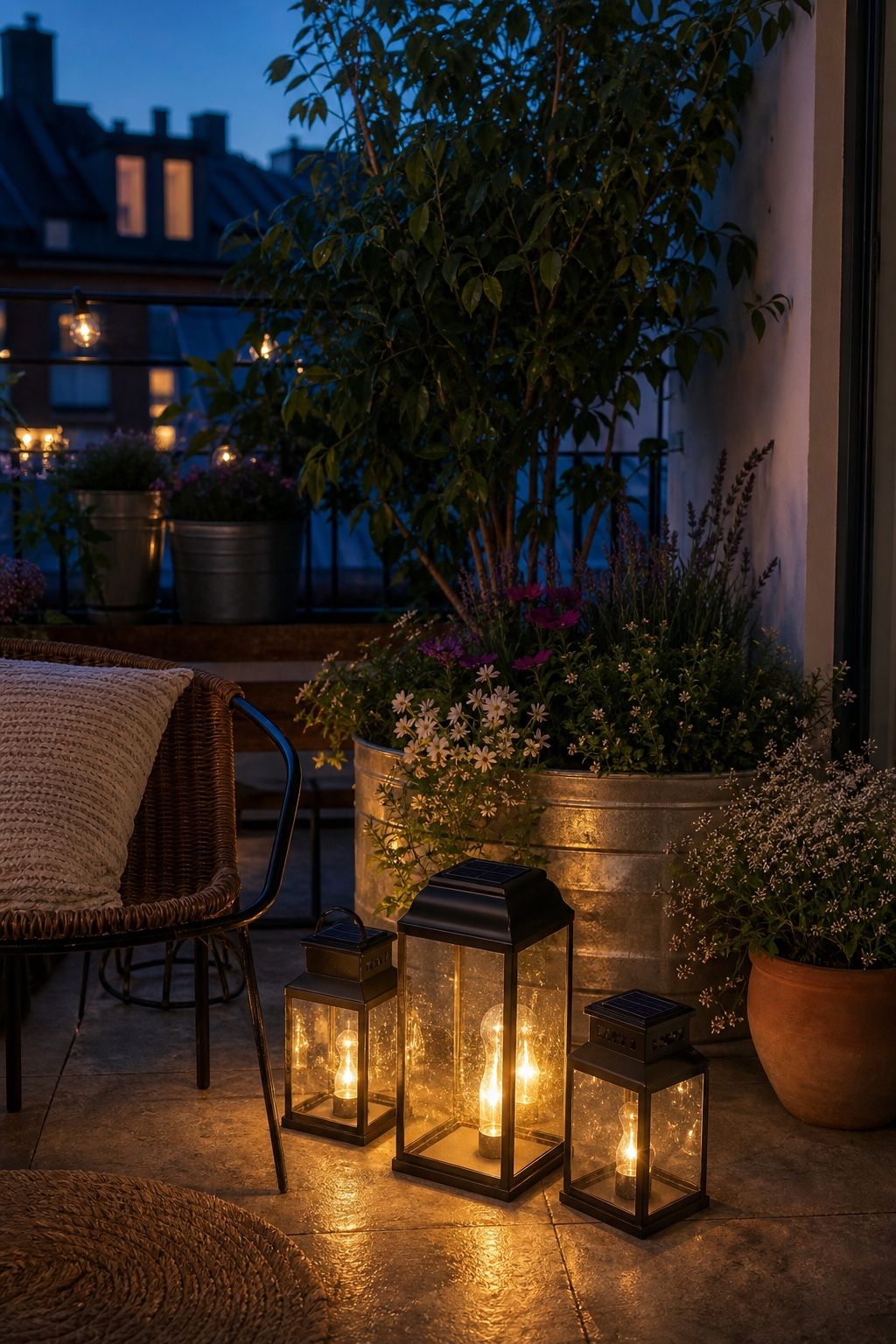


Beneath the overhead string lights, a lower layer of light gives the garden depth after dark. Solar lanterns clustered at ground level, along a path, beside the seating, tucked among the planting, add warm pools of light that the canopy above cannot reach.
Solar lanterns run $10 to $25 each, charge themselves, and light automatically at dusk, so the lower layer handles itself. Group odd numbers at varied heights rather than spacing them evenly. Layered light, string lights up high and lanterns down low, is what makes a garden feel immersive in the evening instead of just lit. Tuck a few lanterns right into the planting so the light filters through leaves and feels softer still.
Read more: Top 16 Coffee Table Summer Decor Ideas for Coastal Casual Vibes
14. Add a Fire Element for Warmth and Focus
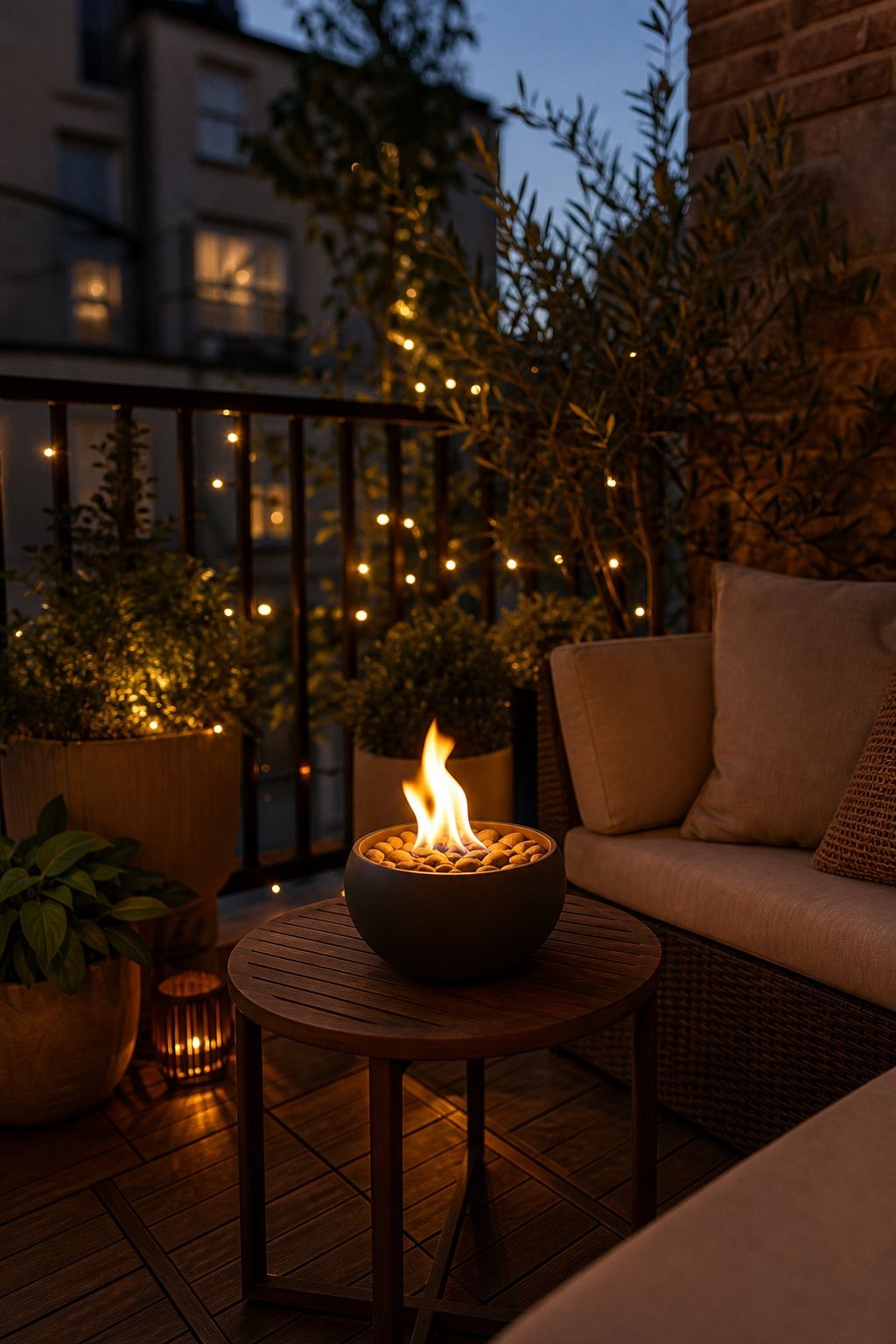


A fire element gives a garden a natural gathering point and stretches the usable season into the cooler edges of summer evenings. A compact fire bowl, a tabletop fire feature, or even a cluster of large flameless lanterns gives the recovery zone a warm focal point to face.
Tabletop fire bowls run $40 to $100, and flameless lantern clusters are the renter-safe, balcony-safe alternative. Place it where the main seating already faces, so the fire becomes the thing the eye rests on. A point of warmth and light to gather around is what makes a garden feel complete after dark.
Storage, Texture, and Final Touches
15. Choose Storage-Integrated Benches
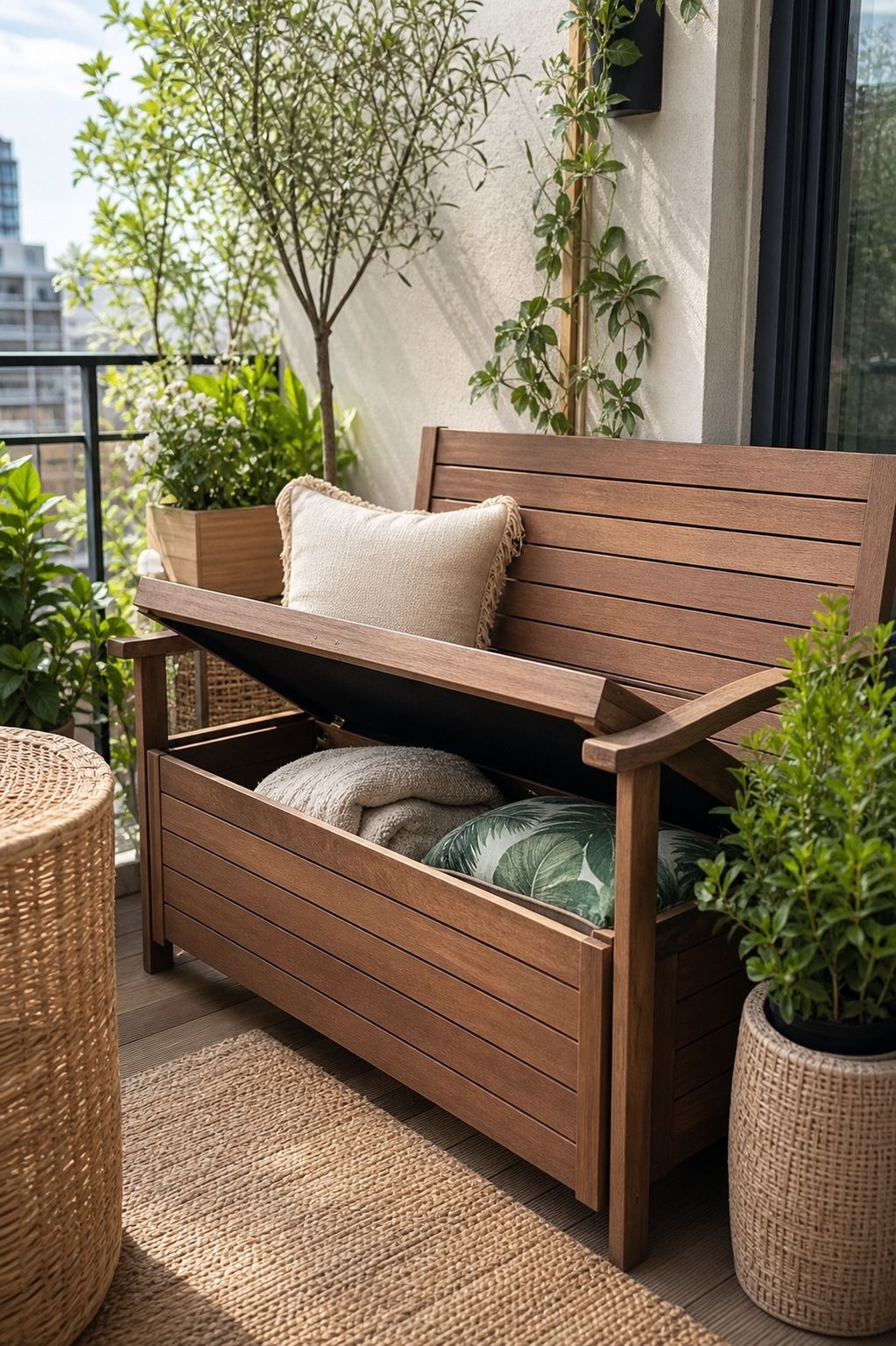


A garden has nowhere to put the cushions, the lanterns, the tools, which is exactly why storage-integrated furniture earns its place. A storage bench, a deck box that doubles as a side surface, or an ottoman that opens holds the soft goods and the clutter while still working as seating or a table.
An outdoor storage bench runs $80 to $150, and it solves the single most practical problem a garden has, where the cushions go when it rains. Tucked along an edge it keeps the garden floor open. The 2026 garden leans into this double-duty furniture because a tidy garden is a restful one.
Read more: Top 17 Summer Wedding Arch Decor Ideas That Frame Your Ceremony
16. Add an Outdoor Rug to Anchor the Seating
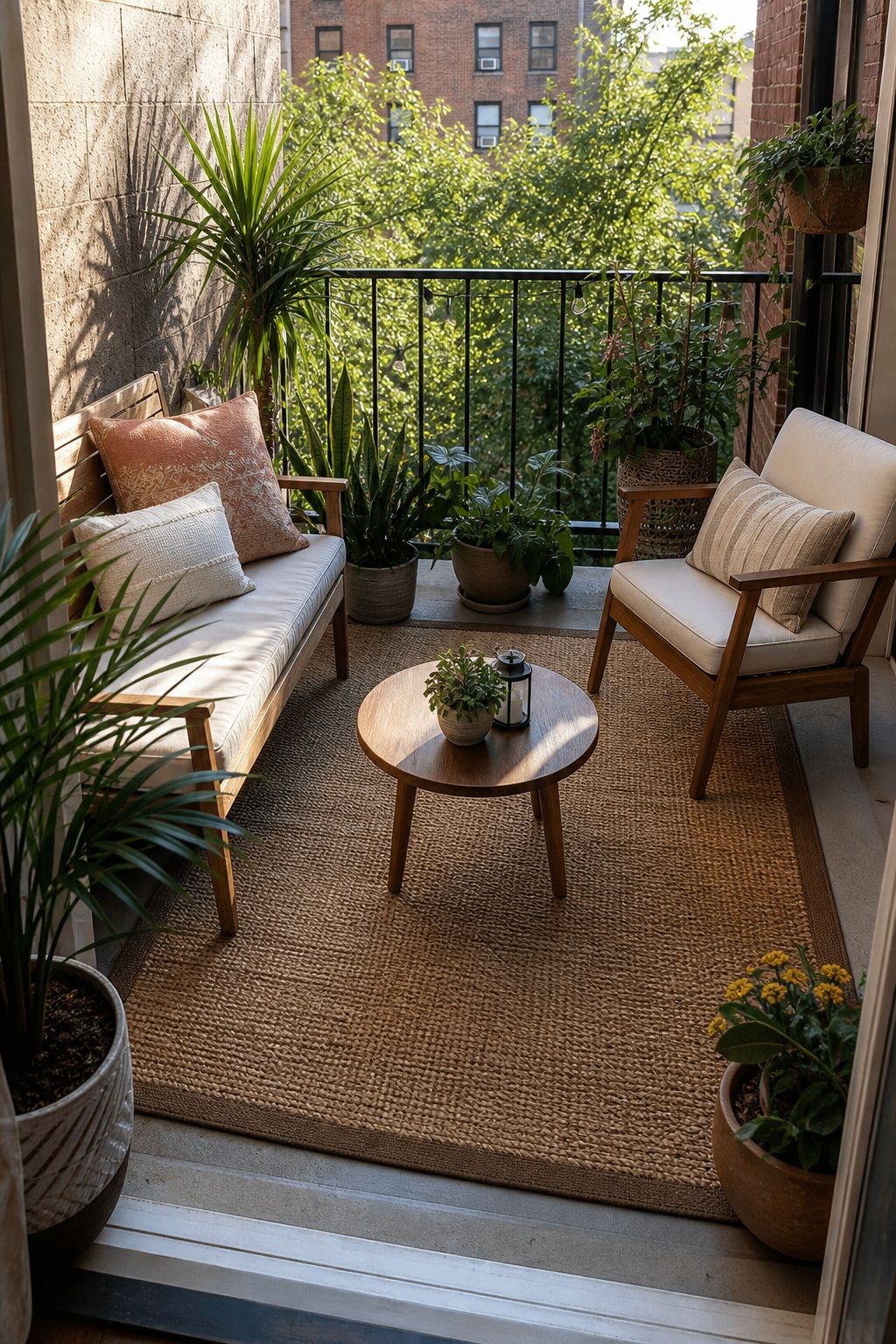


An outdoor rug under the main seating turns a patch of grass, gravel, or paving into a defined room within the garden. It warms the ground underfoot, draws a clear edge around the recovery zone, and adds texture and pattern that planting alone cannot.
Weatherproof flatweave outdoor rugs run $50 to $150 depending on size, handle damp, and dry fast. Size it so the seating sits on it. On a deck or patio garden it is essential, and even on a lawn it defines the zone, the same grounding move that anchors any outdoor space. Choose a low-pile weave that drains and dries quickly, since a rug that holds water defeats the purpose outdoors.
Read more: Top 17 Girls Summer Party Decor Ideas That Are Pretty and Practical
17. Layer in Natural Texture and Materials
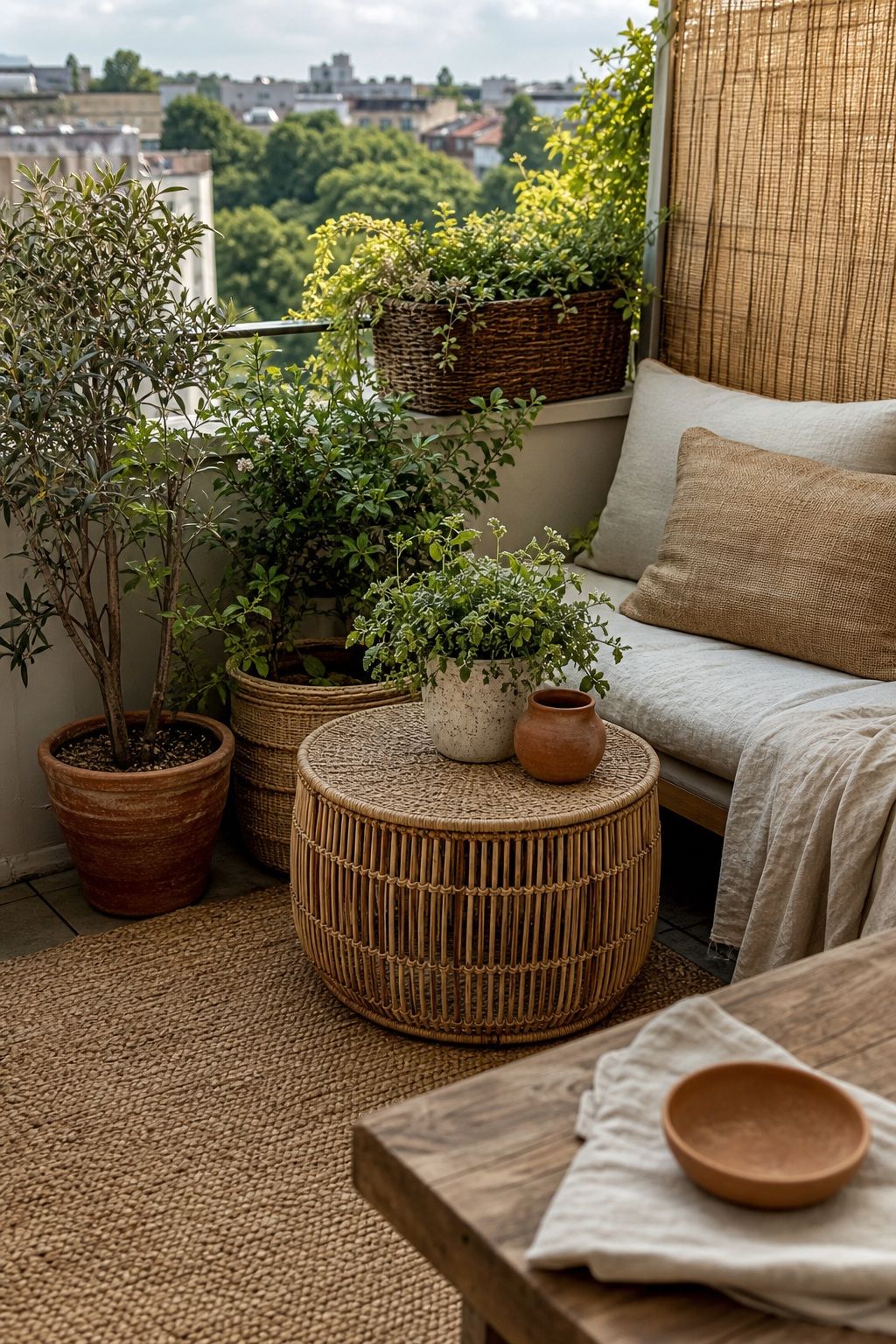


Texture is what keeps a garden from feeling flat, and the materials should lean natural to suit the earthy palette. Woven baskets, a rattan side table, a stone or wood surface, a jute outdoor rug, terracotta everywhere, all add the tactile, organic layer the recovery mood depends on.
Most of this can be thrifted or is inexpensive, and natural materials age well outdoors rather than looking worn. Keep the materials in conversation, warm wood, woven fiber, terracotta, stone, so they read as collected rather than random. The texture is what makes the garden feel grounded and lived-in, and it is the layer that keeps an all-green space from reading flat.
18. Match the Garden to the Rooms Just Inside
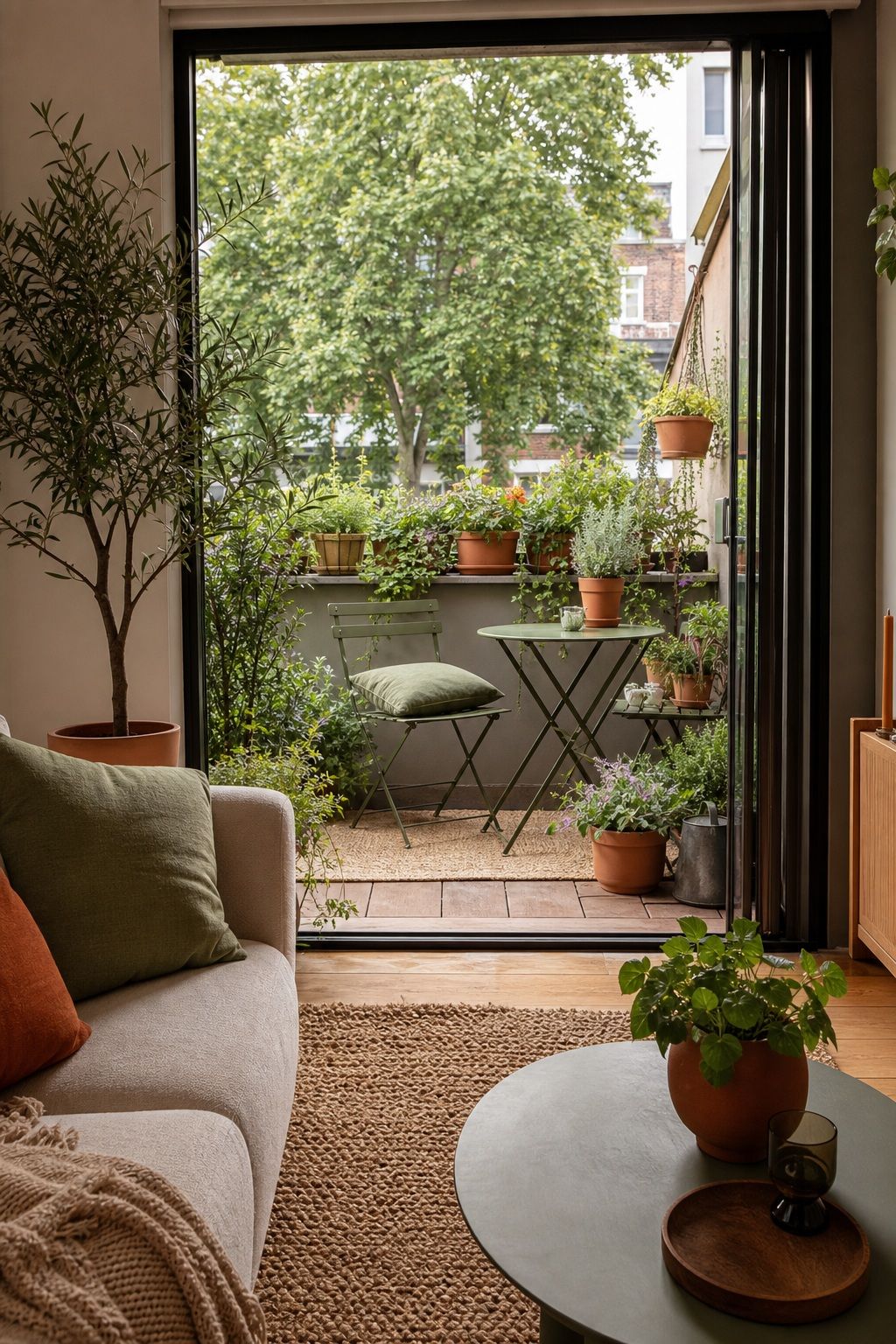


The 2026 garden erases the line between inside and out, and the easiest way is to match the garden’s palette and materials to the rooms it connects to. If the living room just inside leans warm neutrals and natural texture, the garden should echo it, so stepping outside feels like a continuation rather than a switch.
This costs nothing, it is a choice about what to buy, not an extra purchase. Pull the same earthy tones, the same natural materials, across the threshold. A garden that flows visually from the rooms inside reads as part of the home, which is exactly what makes it the easy, natural place to go and unwind.
Read more: Top 17 Stylish Entry Table Summer Decor Ideas to Refresh Your Entry
Garden Summer Decor FAQ
How do I decorate my garden for summer?
Style it as a recovery zone first. Add one genuinely comfortable single-occupancy chair as the anchor, layer planting at varied heights in an earthy terracotta and sage palette, light it with overhead string lights and ground-level lanterns, and add storage-integrated benches. Keep a modest hosting layout as a flexible add-on. Indoors, these summer home decor ideas help you carry that relaxed garden feeling into a small apartment.
How do you make a garden cozy?
Cozy comes from enclosure and soft light. Tuck the seating into a planted corner with greenery behind it, layer planting at different heights so the space feels enveloping, and light it with warm dimmable string lights and clustered solar lanterns. Add fragrant plants near the seat and natural texture throughout.
What is trending in outdoor decor for 2026?
The 2026 shift treats the garden as a quiet recovery zone rather than only an event space, with single-occupancy cocoon seating, earthy terracotta and sage palettes, dimmable and adjustable lighting, and storage-integrated furniture. It also erases the indoor-outdoor line by matching the garden’s palette to the rooms just inside.
How do you create a relaxing garden space?
Build it around one comfortable chair positioned for privacy, with planting behind it for enclosure and an open view in front. Layer planting at varied heights, add fragrant and sensory plants near the seat, and use warm, low, dimmable lighting for the evenings. Keep the palette earthy and the space tidy with hidden storage.
How do I decorate a small garden or balcony garden?
Scale the recovery-zone idea down. One comfortable chair, container plantings grouped in odd numbers at varied heights, solar string lights and lanterns that need no wiring, and a storage bench for the cushions. Containers let you build a full garden with no beds, and the earthy palette ties it all together.
Key Takeaways
- Style the garden as a recovery zone first, anchored by one genuinely comfortable single-occupancy chair, with hosting as a flexible add-on.
- Layer planting at varied heights in an earthy terracotta and sage palette, and group containers in odd numbers so it reads as designed.
- Light it with warm dimmable string lights overhead and clustered solar lanterns at ground level, plus a fire element for focus.
- Choose storage-integrated benches and add an outdoor rug to anchor the seating into a defined room within the garden.
- Match the garden’s palette and materials to the rooms just inside, so stepping outside feels like a continuation, not a switch.
Final Thoughts
A garden gets used when it is built for a normal evening, not just a gathering. Anchor it with one chair you genuinely want to sink into, plant for enclosure and scent, light it warm and low, and keep it tidy with hidden storage. Match it to the rooms just inside so the whole home flows together, and the garden stops being the space you only tidy for guests and becomes the one you step into every summer evening to actually unwind.
Last update on 2026-10-23 / Affiliate links / Images from Amazon Product Advertising API
