

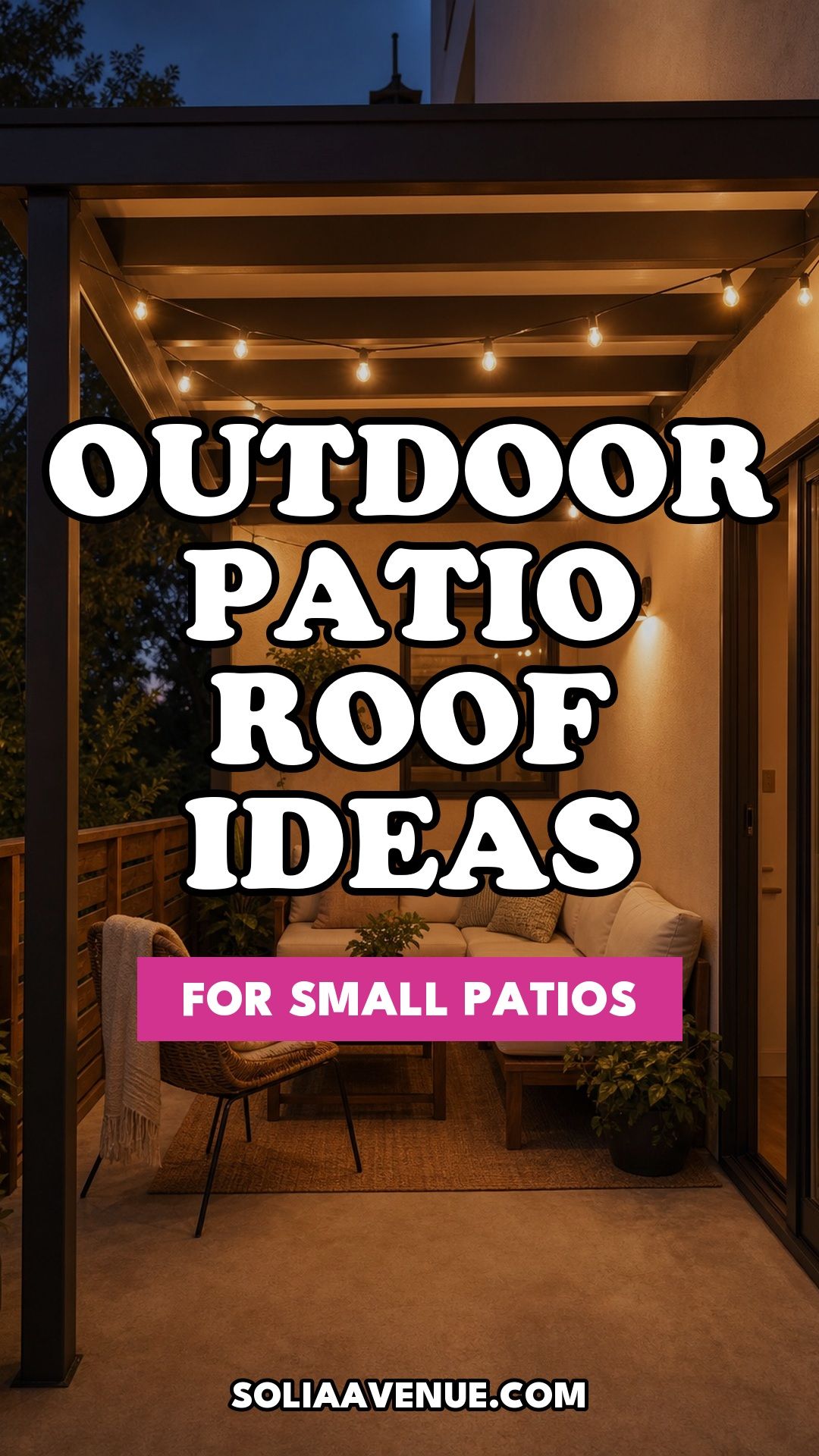
The best outdoor patio roof ideas match the structure to how you actually use the space and what you can spend. Permanent options like a solid roof or pavilion give full year-round cover, pergolas and lattice give partial shade, and shade sails or retractable covers give flexible, lower-cost protection. The 2026 priority is a patio that works across seasons, not just on perfect weekends.
Be honest about how often you actually use the patio. If the answer is a handful of perfect Saturdays a year, the problem is not the furniture or the plants. It is that the weather still gets a vote, and right now the weather is winning.
A patio roof takes that vote away. Cover the space and it is ready whether it is blazing, drizzling, or somewhere in between, which is the difference between a slab you glance at and a room you live in. The catch is there is no single right answer, the cover that fits depends entirely on your budget and how much protection you actually need.
This runs through 16 outdoor patio roof ideas, from permanent built structures down through pergolas, fabric covers, and small-space solutions. Own a full patio or rent a place with a tiny slab, something here fits. And if your outdoor space is more balcony than patio, our balcony summer decor ideas work at that scale instead.
Recommended Patio Roof Products


Recommended blogs to read:
- Landscaping with large rocks
- Sunroom porch ideas
- Small apartment patio ideas
- Fall porch decor ideas
- Garden summer decor ideas
Permanent Roof Structures
1. Build a Solid Attached Roof
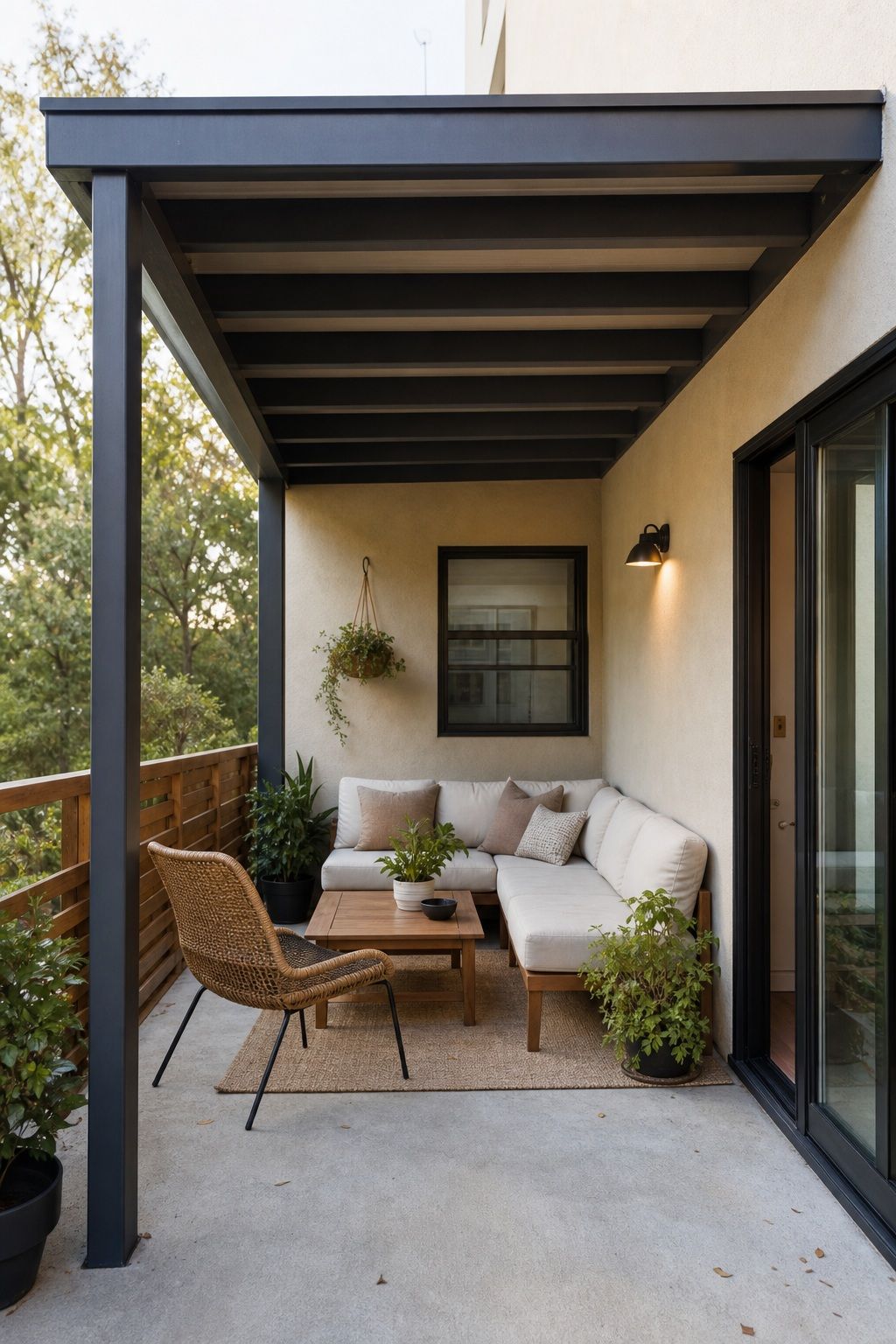


A solid roof attached to the house is the most complete patio cover there is, and it is the one that genuinely turns a patio into a room you can use in any weather. Rain, harsh sun, and falling leaves all stop at the roofline, which means the furniture underneath stays usable and protected year-round.
It is the highest-cost and least-flexible option, so it suits homeowners who are sure of their layout and want the patio to function like an extension of the house. Match the roofing material and pitch to your home so it reads as part of the architecture rather than an add-on, and plan for lighting and a fan in the build since you will use the space after dark and in the heat.
Read more: Top 15 Small Outdoor Patio Ideas to Maximize Style and Comfort
2. Add a Freestanding Pavilion
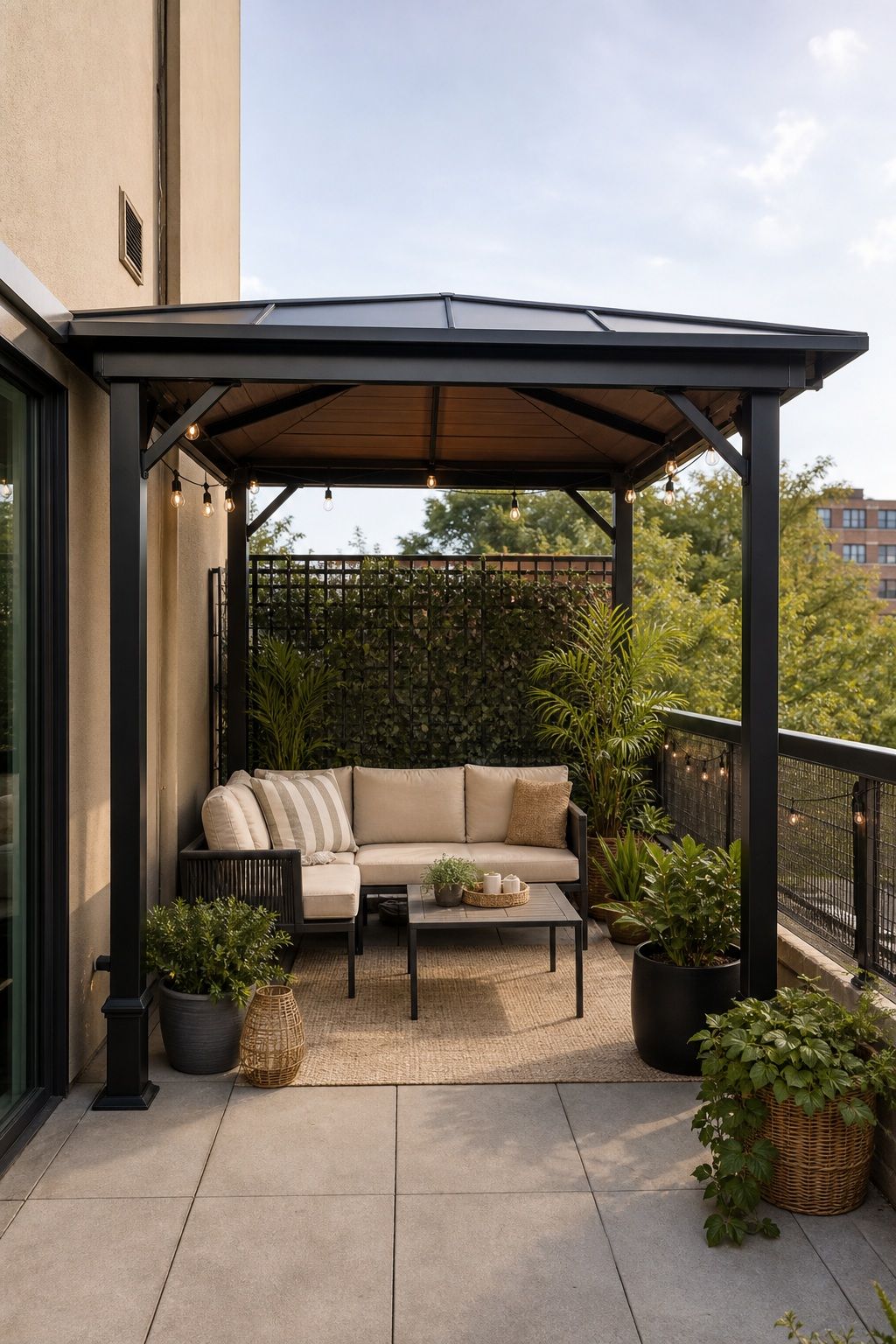


A pavilion is a stand-alone structure with a solid roof and open sides, similar to a gazebo but without the ornate trim. It gives full overhead cover anywhere in the yard, which makes it the right pick when the patio sits away from the house or when you want the cover to be its own destination.
Built with solid wood or steel posts and a durable roof, a pavilion handles real weather and lasts for decades. Because it is freestanding, you can place it to catch a view or a breeze rather than being tied to the back wall of the house. It is a significant build, but it reads as permanent and intentional in a way a fabric cover never will.
3. Choose a Hip or Gable Roof Shape
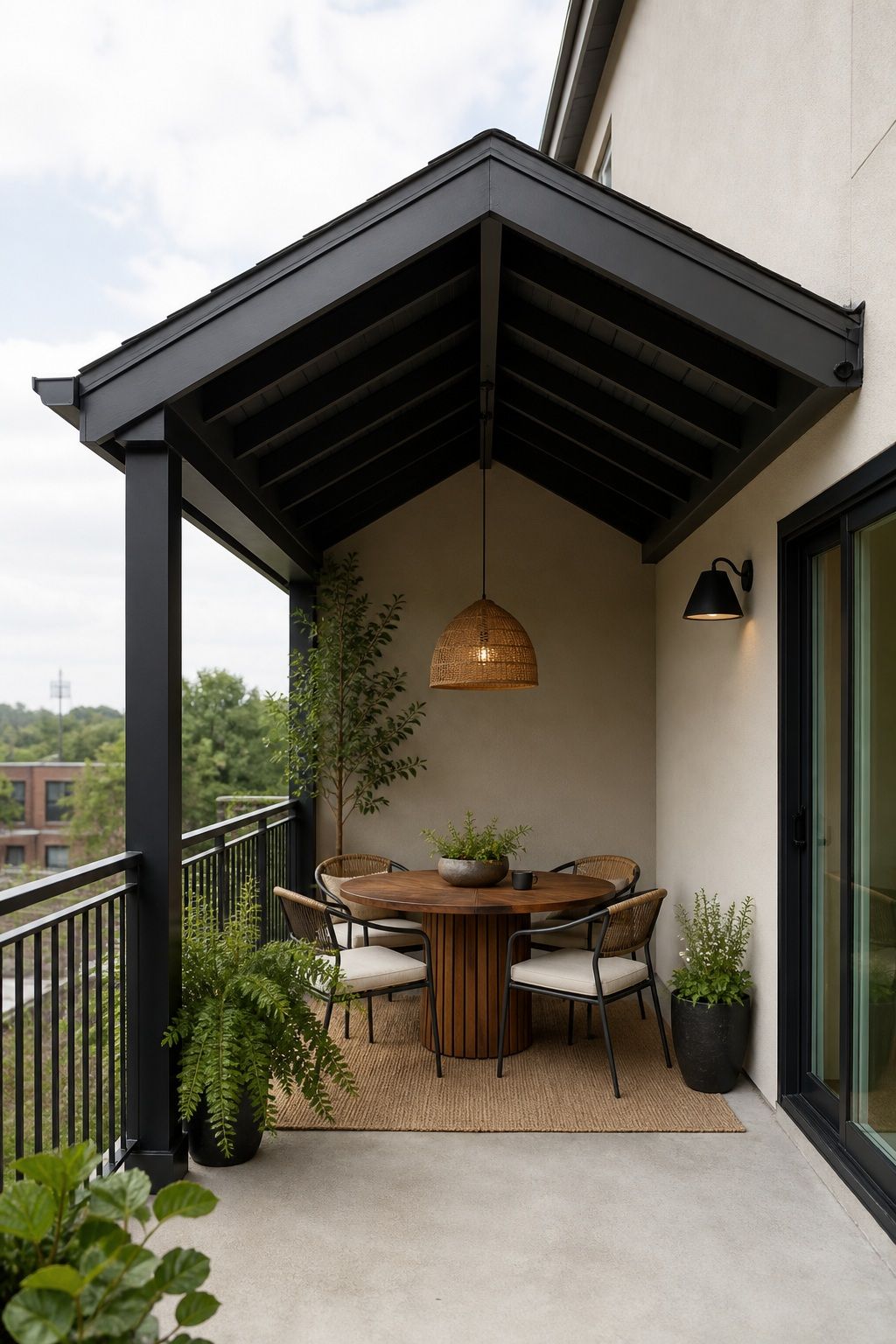
If you are building a permanent cover, the roof shape matters more than people expect. A gable roof, the classic peaked shape, sheds water and snow well and gives a sense of height and openness underneath. A hip roof, sloping on all sides, reads as softer and handles wind a little better.
Match the shape to your house so the patio cover looks original to the home rather than bolted on later. A peaked roof also leaves room for a ceiling fan and hanging light, which makes the covered patio far more usable in summer evenings. The shape is a permanent decision, so it is worth getting right at the planning stage.
Read more: Top 15 Covered Outdoor Patio Ideas to Maximize Your Backyard
4. Insulate for True Year-Round Use
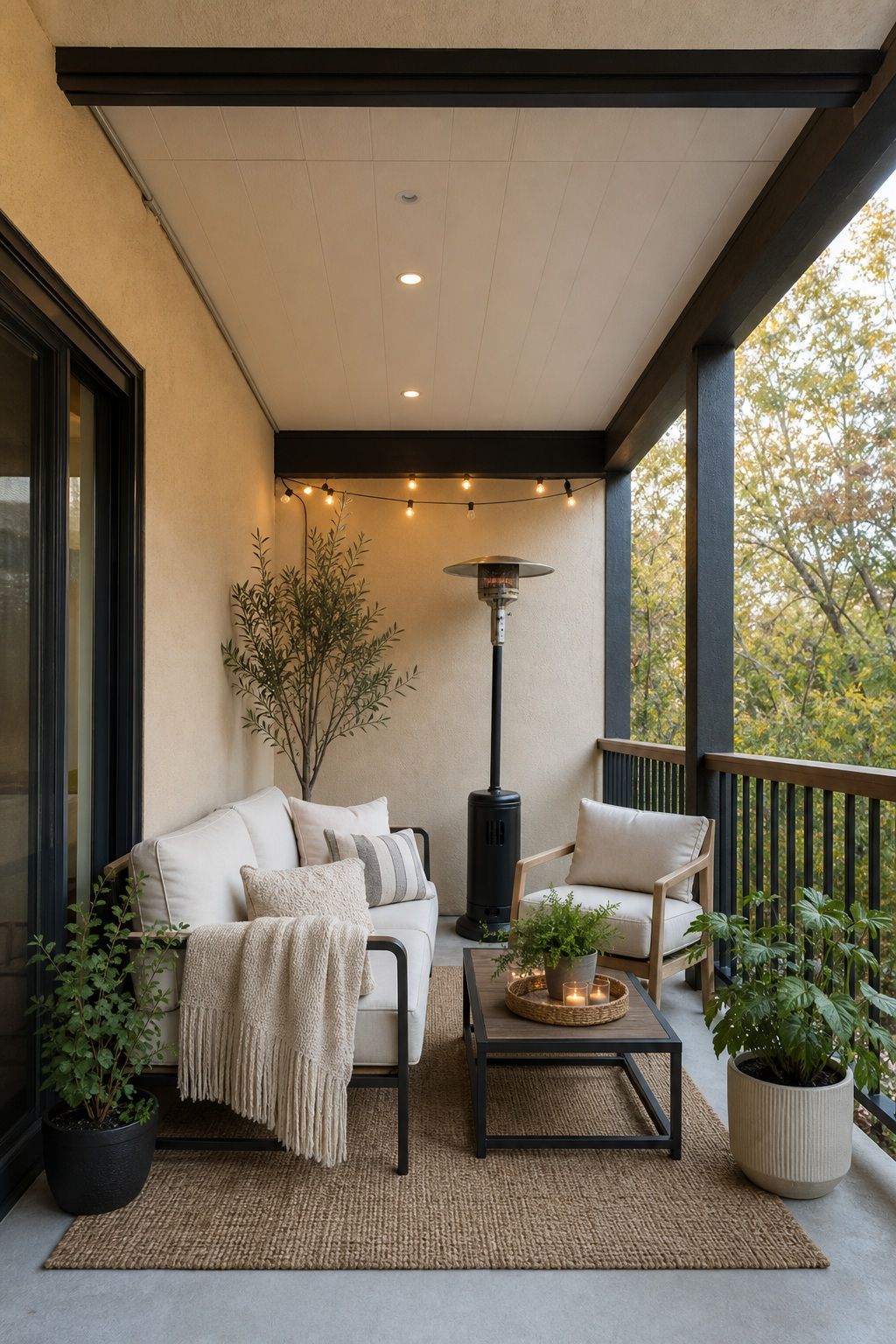


If you are building a permanent roof anyway, think past shade while you are at it. An insulated roof panel system, rather than a single layer, keeps the space cooler in summer and holds warmth better through the cold months, which is what actually makes year-round use real instead of aspirational.
Pair the insulated roof with a ceiling fan for summer and a patio heater or fireplace for the cold edges of the year, and the covered patio stops being seasonal. This is the version that comes closest to a true outdoor room, and it is a natural step toward the enclosed feel of our sunroom decorating ideas if you ever glass it in.
Read more: Top 15 Boho Outdoor Patio Ideas for a Cozy, Colorful Retreat
Pergolas and Open-Lattice Covers
5. Install a Classic Pergola
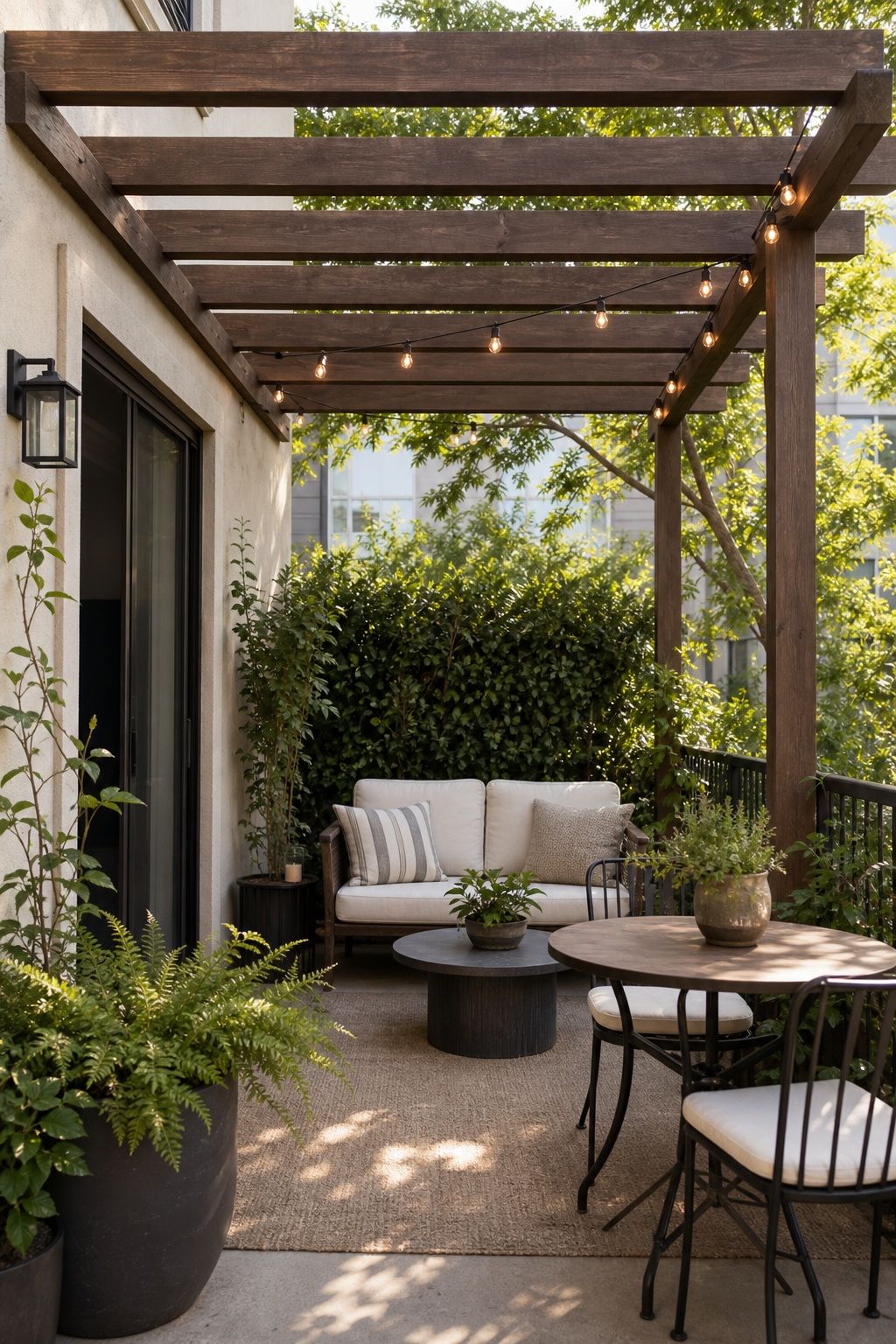


A pergola is the middle ground between full cover and open sky, an open-lattice roof on vertical posts that gives partial, dappled shade rather than complete protection. It is both a functional shade structure and a strong architectural feature, which is why it suits a patio meant for relaxed afternoons more than all-weather use.
Pergolas come as wood, aluminum, or vinyl kits and as custom builds, so they span a wide budget range. They will not keep you dry in real rain on their own, but as a frame for climbing plants, fabric, or a retractable canopy, a pergola becomes the backbone of a genuinely comfortable covered patio.
Read more: Top 15 Outdoor Fireplace Patio Decor Ideas to Elevate Your Backyard
6. Grow Climbing Plants Over the Lattice
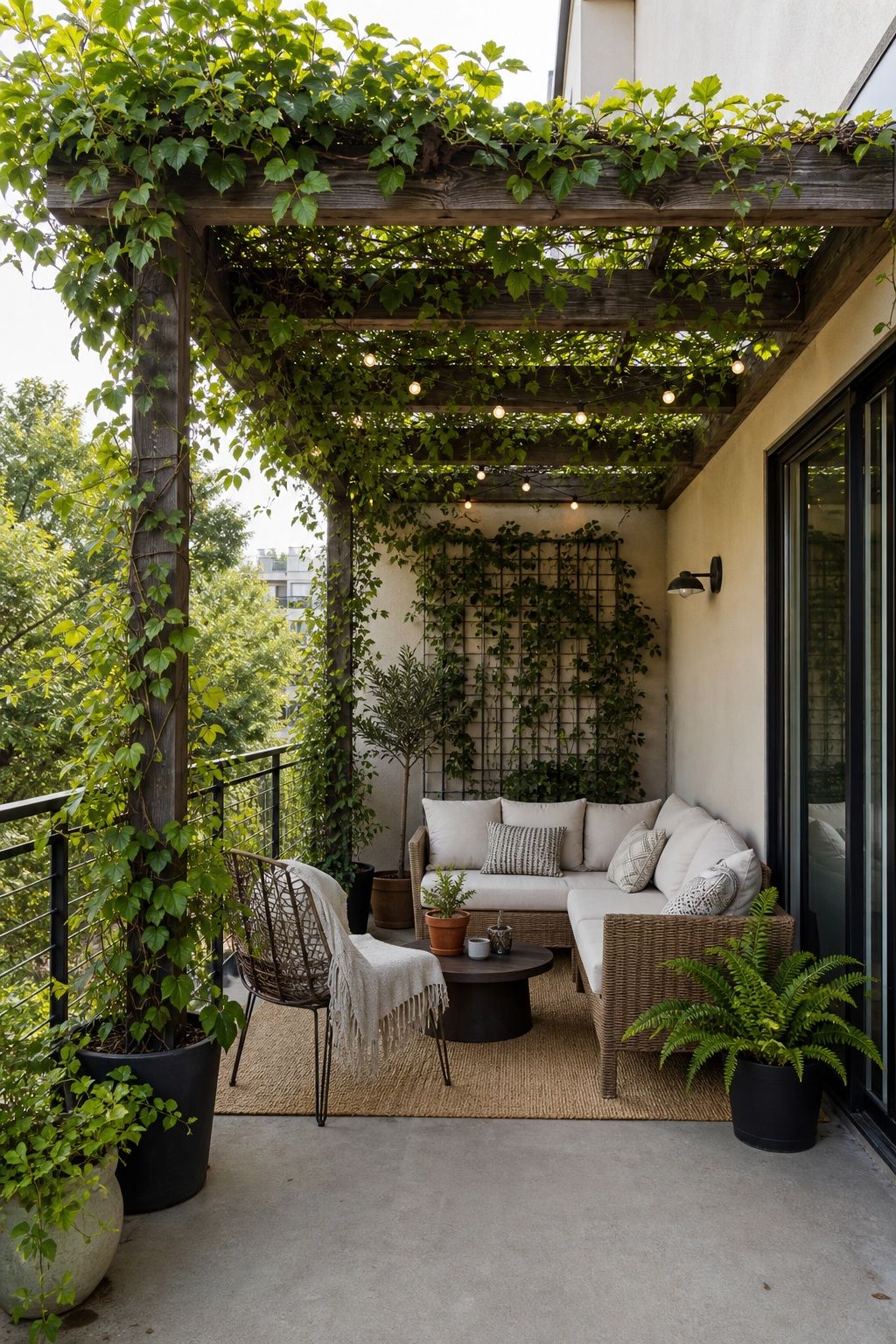


One of the best things about a pergola is that it is built to be planted. Training climbing vines, wisteria, jasmine, climbing roses, grape, over the lattice turns the open frame into a living roof that thickens and shades more as it grows in.
A green pergola roof cools the space underneath through real shade and a little evaporation, and it changes through the seasons in a way no built roof does. It takes a year or two to fill in, so plant early and be patient. The same plant-forward instinct runs through our sunroom garden ideas for a covered, plant-filled space.
7. Add a Louvered Roof for Control
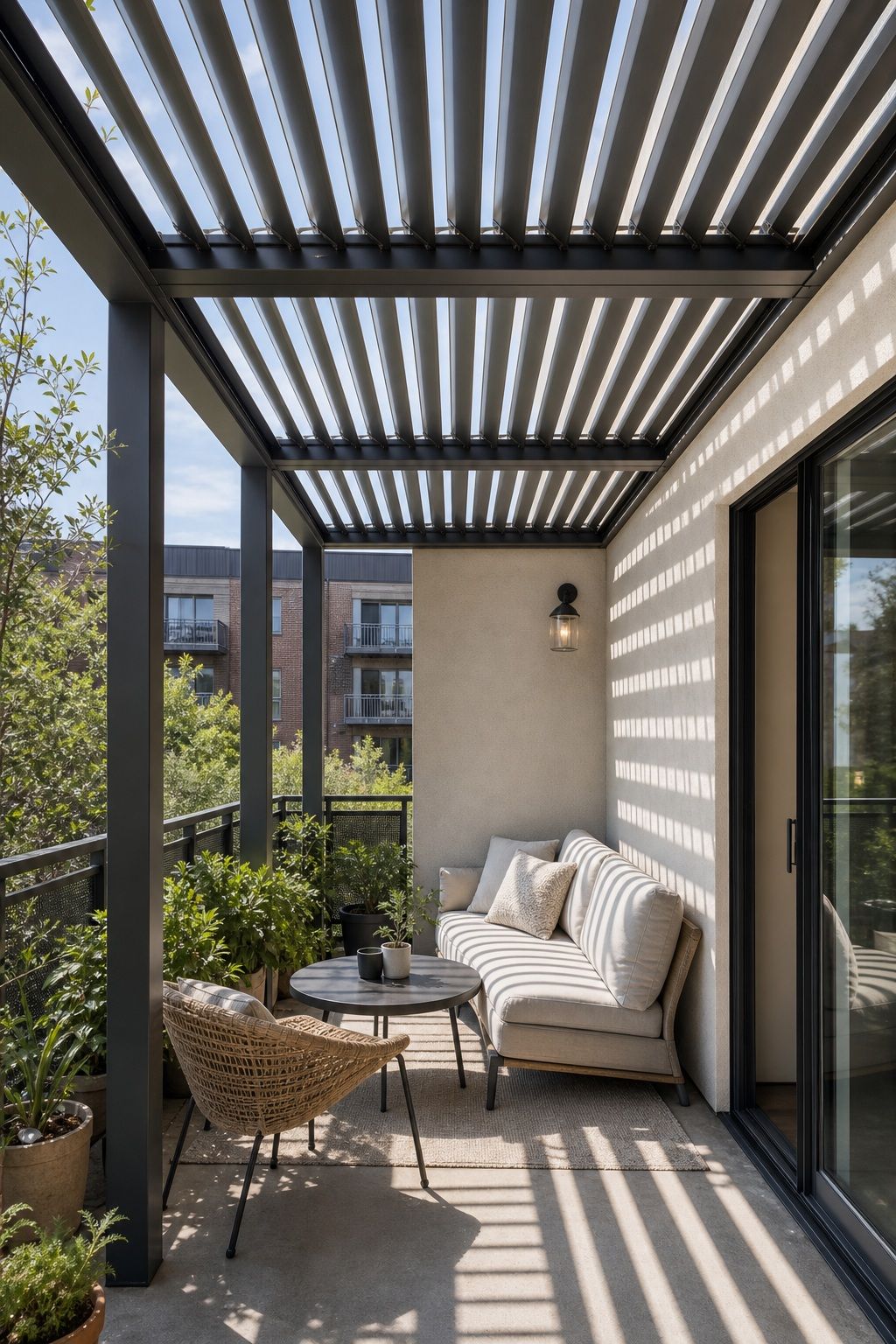


A louvered roof is the high-tech version of a pergola, with adjustable slats that pivot open and closed. Open, it is a pergola letting light and air through. Closed, it sheds rain like a solid roof. Many come with motorized remote control so you can switch between the two in seconds.
That flexibility is the whole appeal, one structure that adapts to the weather instead of committing to it. A louvered roof costs more than a plain pergola, but it removes the central compromise of an open-lattice cover, you no longer have to choose between shade and shelter.
Read more: Top 15 Outdoor Kitchen Patio Decor Ideas to Enhance Your Backyard
8. Top a Pergola With a Retractable Canopy
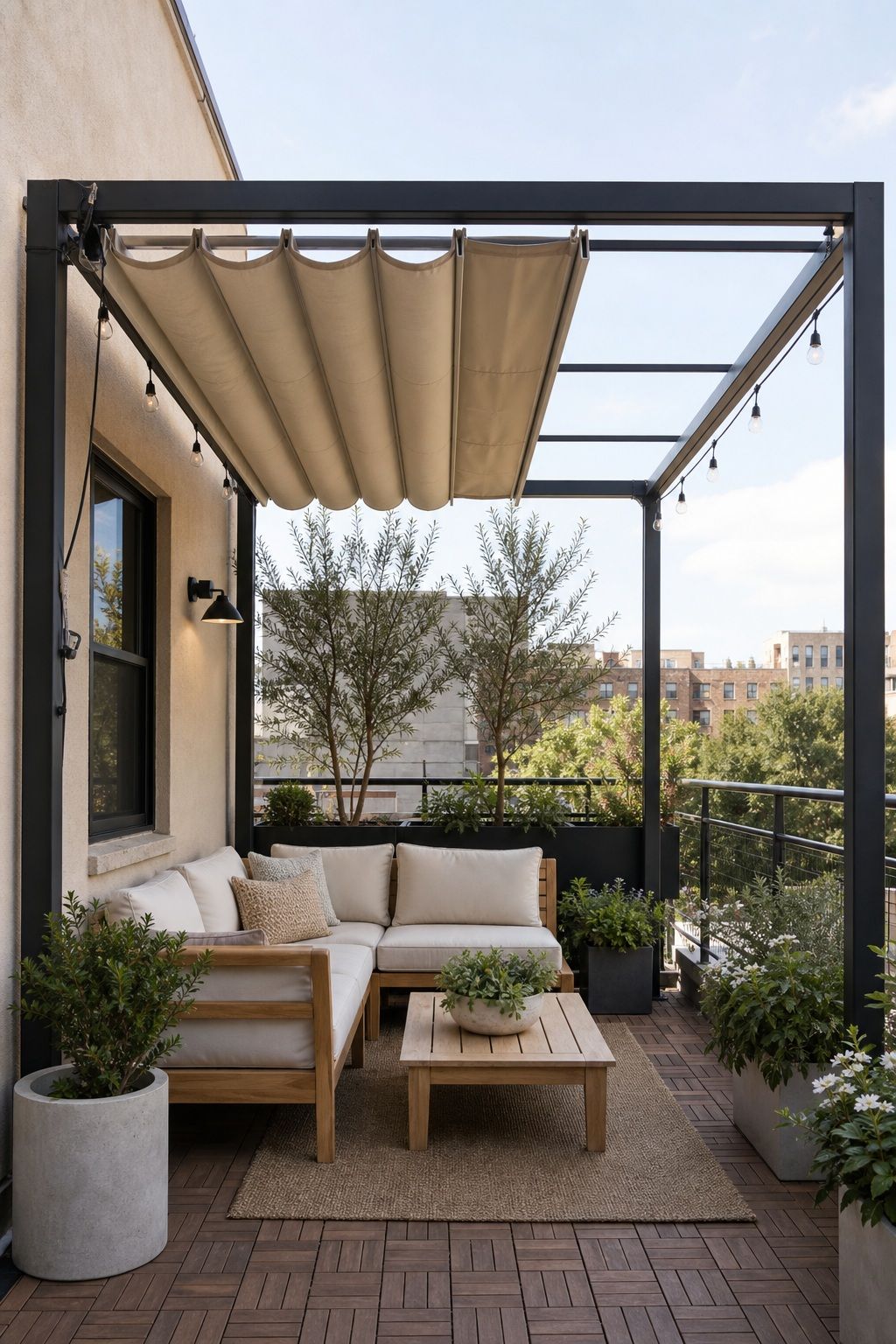
If a full louvered system is out of budget, a retractable fabric canopy mounted on a pergola frame gets you most of the same flexibility for far less. Slide it closed for shade or a light shower, slide it open for full sun and stars.
The canopy fabric is weather-resistant and replaceable, so it is a low-commitment way to make an existing pergola far more useful. It is also a strong option for renters with a pergola already in place, since nothing permanent changes. For more low-commitment outdoor upgrades, our small front porch ideas lean on the same flexible thinking.
Read more: Top 16 Fall Patio Decor Ideas for a Cozy Outdoor Living Space
Fabric and Retractable Options
9. Stretch a Shade Sail
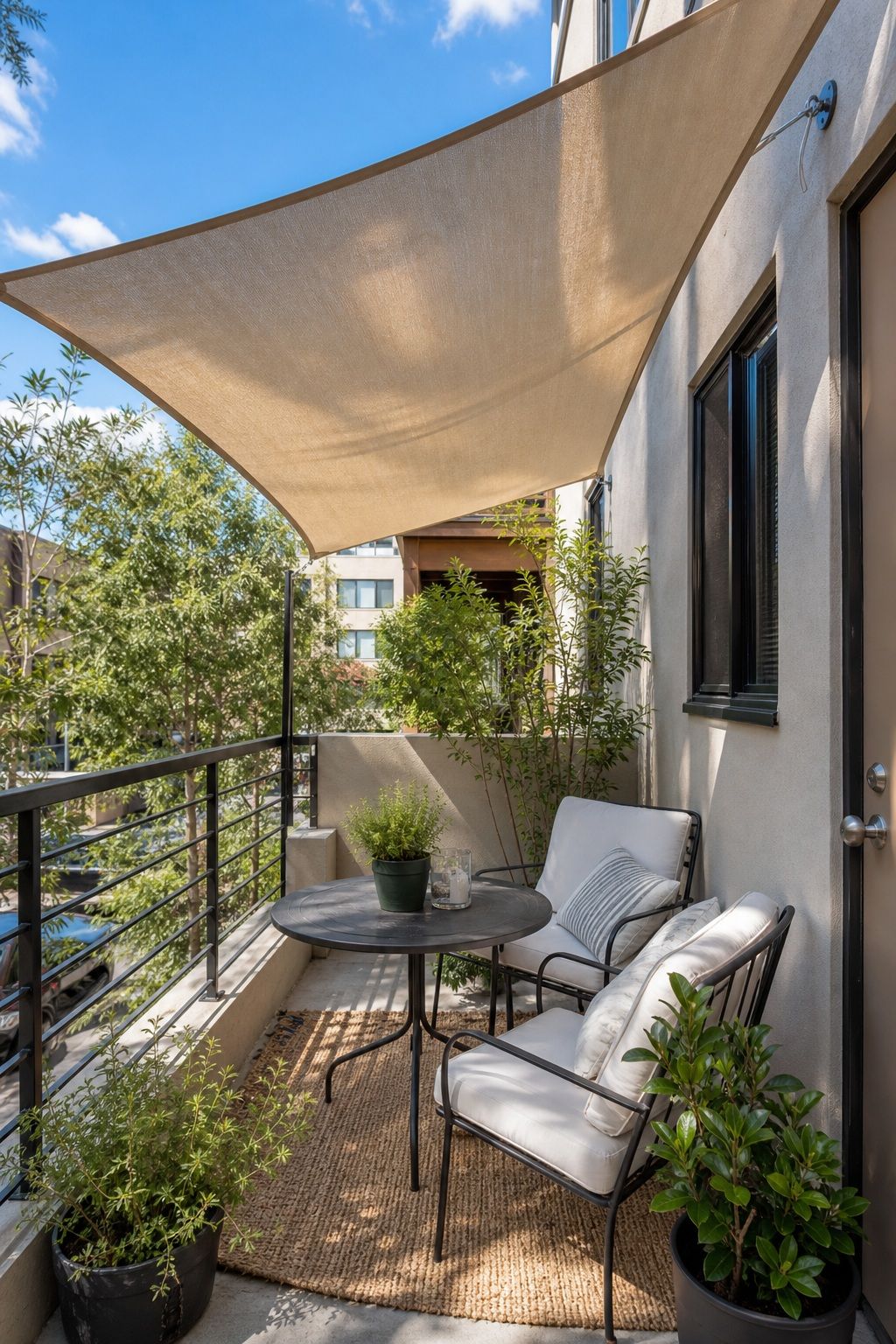


A shade sail is a panel of durable, weather-resistant fabric stretched taut between anchor points, a wall, a post, a tree, the eave of the house. It is one of the lowest-cost patio covers there is, and the angled, sculptural shape gives a modern, intentional look rather than a temporary one.
Sails are easy to take down seasonally and can be layered, overlapping two or three at different heights for more coverage and a designed look. They handle sun and light rain well, though they are not built for heavy weather. For a small patio on a tight budget, a shade sail is often the smartest first move.
Read more: Top 19 Outdoor Halloween Decor Ideas to Transform Your Yard
10. Install a Retractable Awning
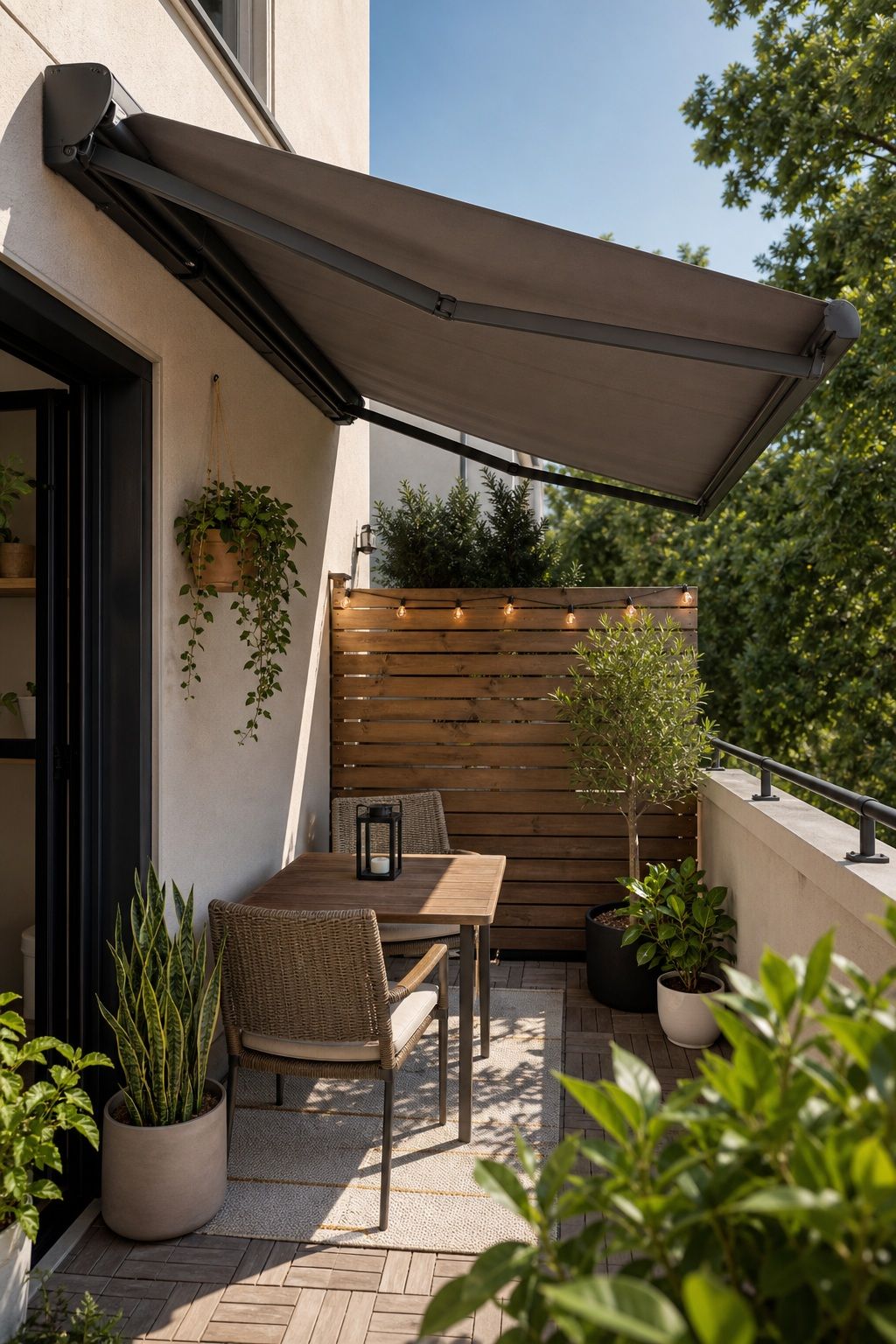


A retractable awning mounts to the house wall and extends out over the patio on command, manually or motorized. Extended, it gives solid shade and rain cover. Retracted, it disappears against the wall and gives the patio back its open sky.
That on-demand quality makes an awning ideal for patios that get used in very different ways, full shade for a midday lunch, full sun for an evening. It is a mid-range cost, less than a built roof and more than a sail, and it suits anyone who wants flexibility without a permanent structure overhead.
Read more: Top 17 Fall Outdoor Decor Ideas for the Yard, Walkway, and Garden
11. Set Up a Freestanding Gazebo or Canopy
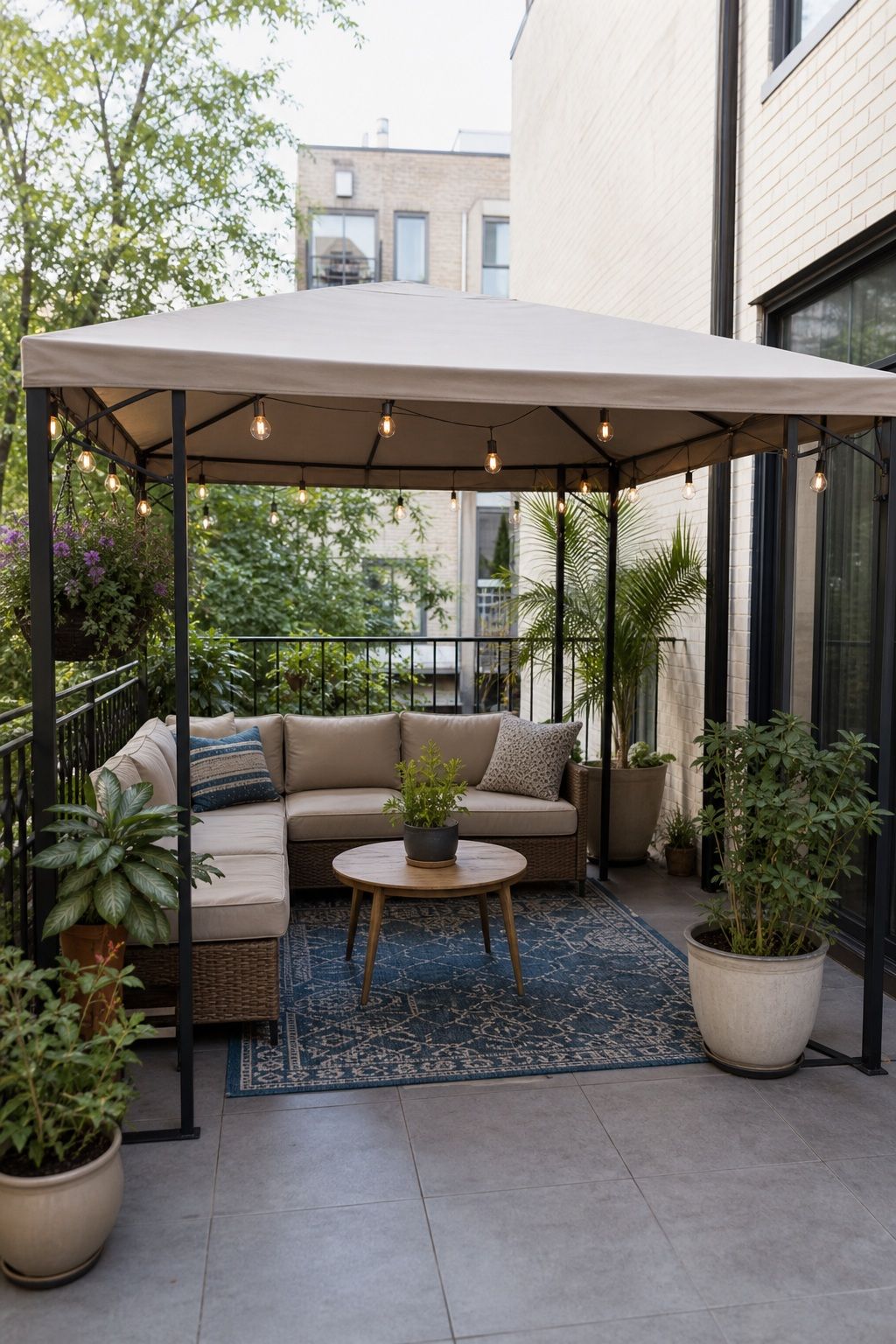


A freestanding gazebo or hardtop canopy is the no-construction route to a covered patio. It is a self-contained structure you assemble on the existing slab, with a fabric or hardtop roof and often optional side curtains for sun and bug control.
Hardtop versions handle weather far better than fabric ones and can stay up year-round in milder climates. Because nothing attaches to the house, a gazebo is genuinely renter-friendly and moves with you. It is the fastest way to get real overhead cover on a patio without permits, contractors, or a build, and it is up and usable the same weekend.
12. Layer a Cover With Outdoor Curtains
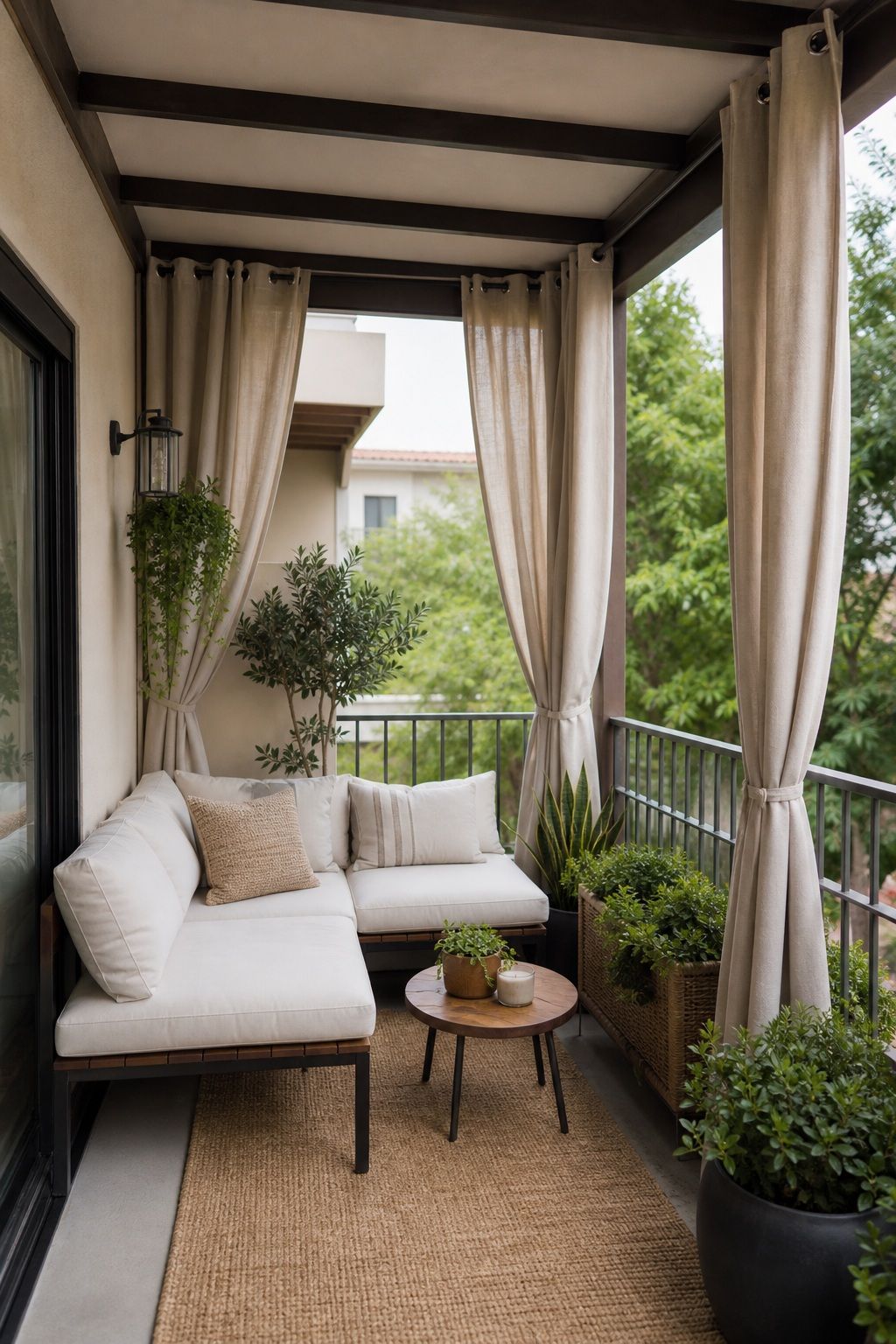


Whatever roof you choose, outdoor curtains hung from the edges turn a cover into something closer to a room. They block low-angle sun the roof misses, add privacy, cut wind, and give the space soft walls that make it feel enclosed and intentional.
Weather-resistant curtain panels on a simple rod or wire work under a pergola, a gazebo, or a solid roof equally well. Tie them back for an open feel or draw them for shade and shelter. It is a small, cheap addition that does a lot for how finished and usable a covered patio feels.
Read more: Top 16 Easter Outdoor Decoration Ideas for Every Part of Your Home
Small-Space and Budget Covers
13. Use a Wall-Mounted Drop Awning
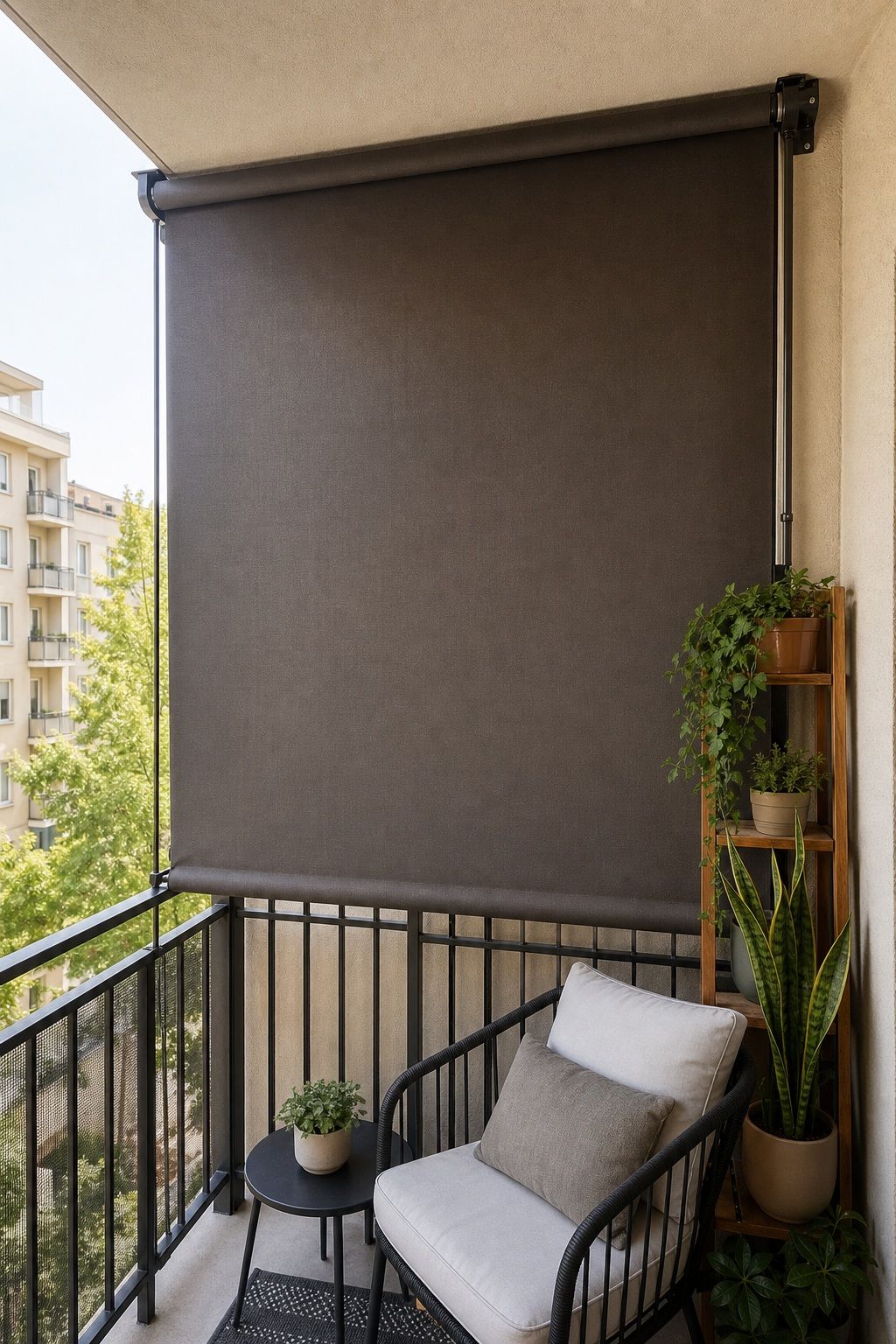


On a small patio or a narrow slab, a compact wall-mounted drop awning or a single fixed awning panel covers the space without a footprint of posts eating into the floor. It mounts high on the house wall and angles out just far enough to shade the usable area.
This is the cover for patios where every square foot counts, since it adds shelter without adding structure on the ground. It pairs well with the space-conscious thinking in our small apartment patio ideas on a budget, where the goal is shelter that does not steal the floor.
Read more: 18 Small Apartment Entryway Ideas When You Have No Foyer
14. Hang a Simple Triangle Sail Over a Corner
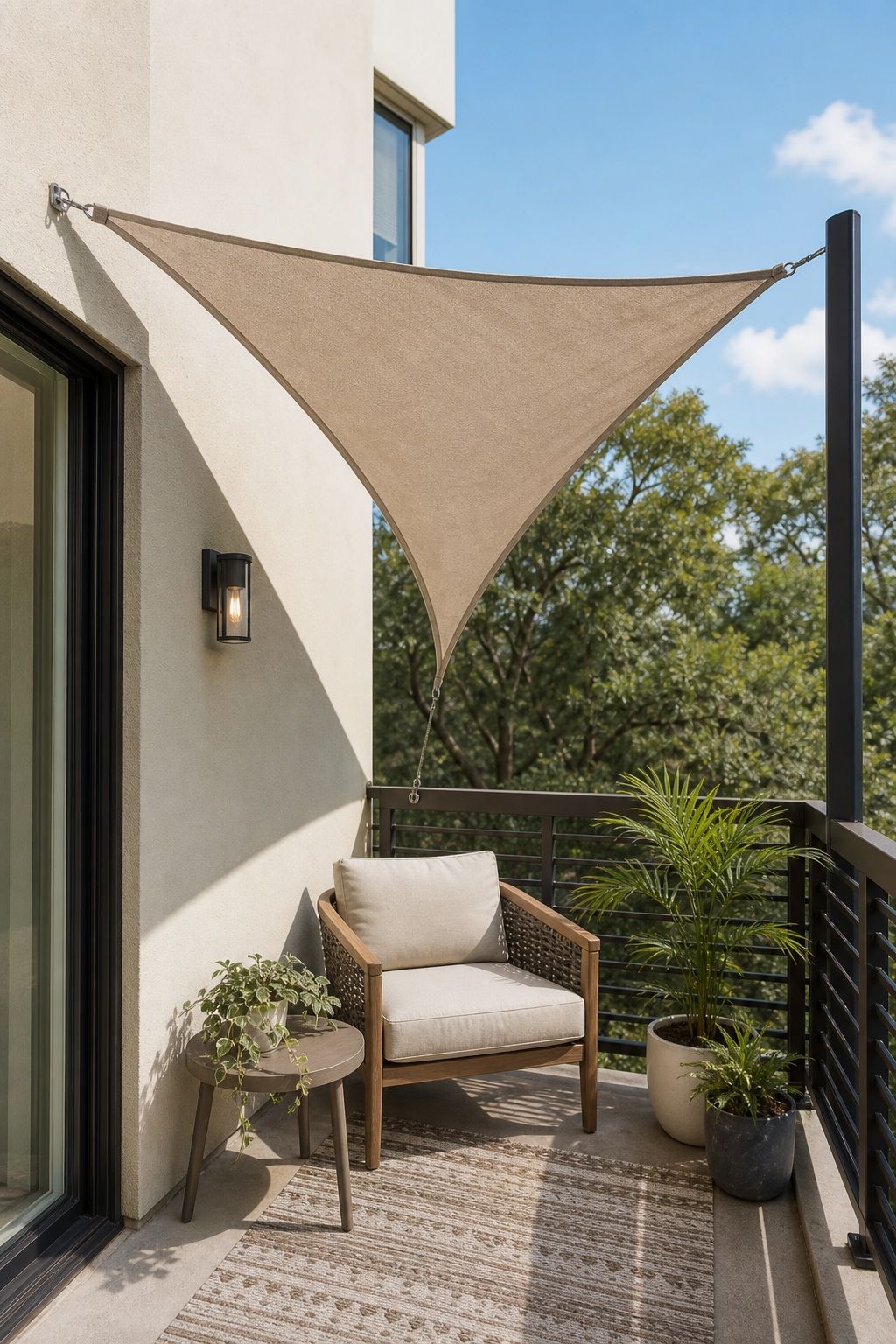


For the smallest budget and the smallest space, a single triangular shade sail stretched over a patio corner is often all you need. Anchored to the house on two points and a single post on the third, it shades a seating nook for the cost of the fabric and the hardware.
It goes up in an afternoon, comes down for winter, and reads as a deliberate design choice rather than a compromise. For a rented patio or a first cover on a tight budget, one well-placed triangle sail proves how little it takes to make an exposed slab usable.
Read more: Simple Front Yard Landscaping Ideas That Actually Look Good
15. Add a Large Cantilever Umbrella
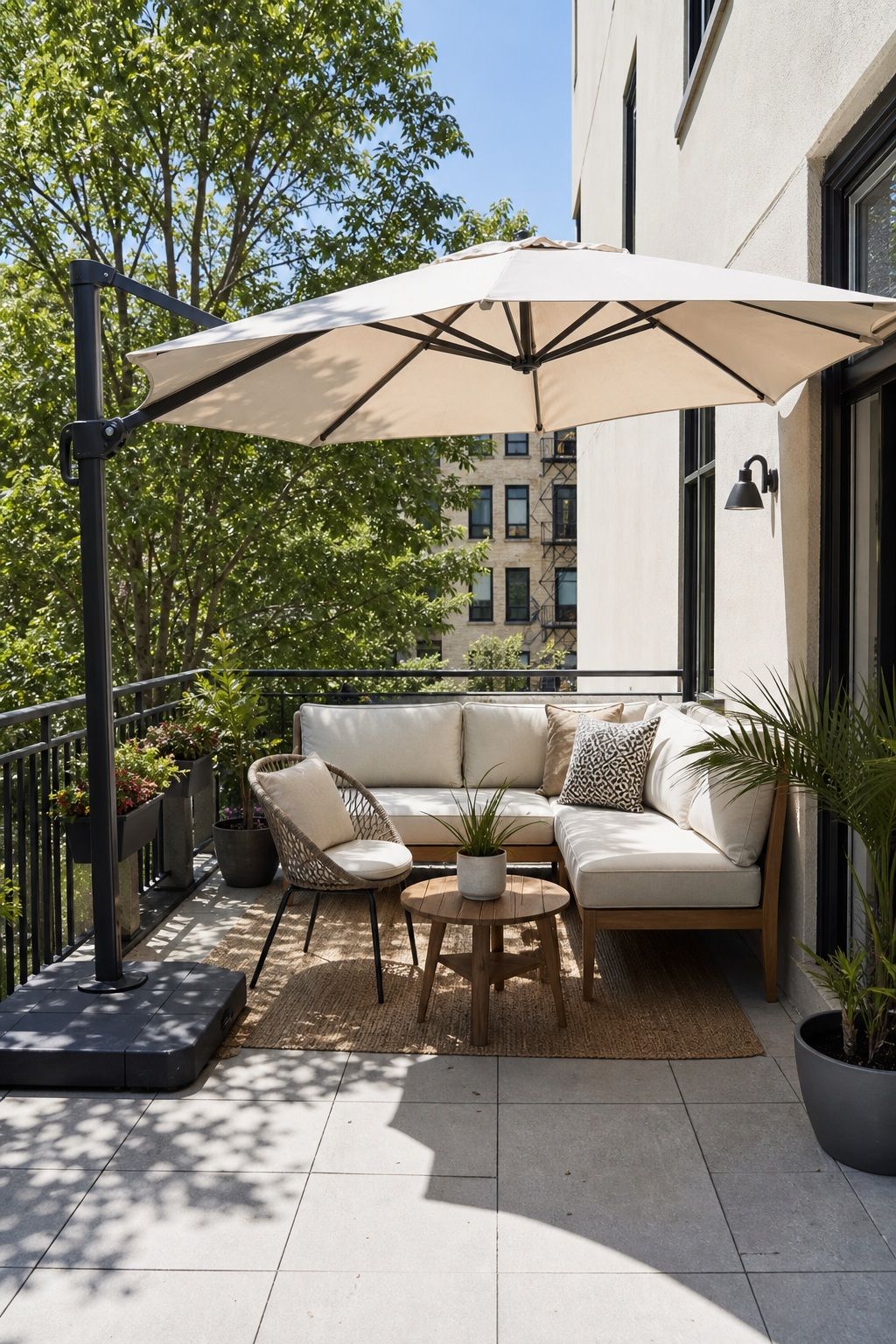


A cantilever umbrella, the kind with the pole off to the side rather than through the table, is the most flexible budget cover of all. It needs no installation, shades a generous circle, and the offset pole means the covered area stays completely clear of furniture.
Tilt it through the day to chase the sun, wheel the base to a new spot when the layout changes, and fold it away in a storm. It is not a true roof, but for renters and for anyone who wants cover without commitment, a good cantilever umbrella does a surprising amount of the job.
16. Light the Cover for Evening Use
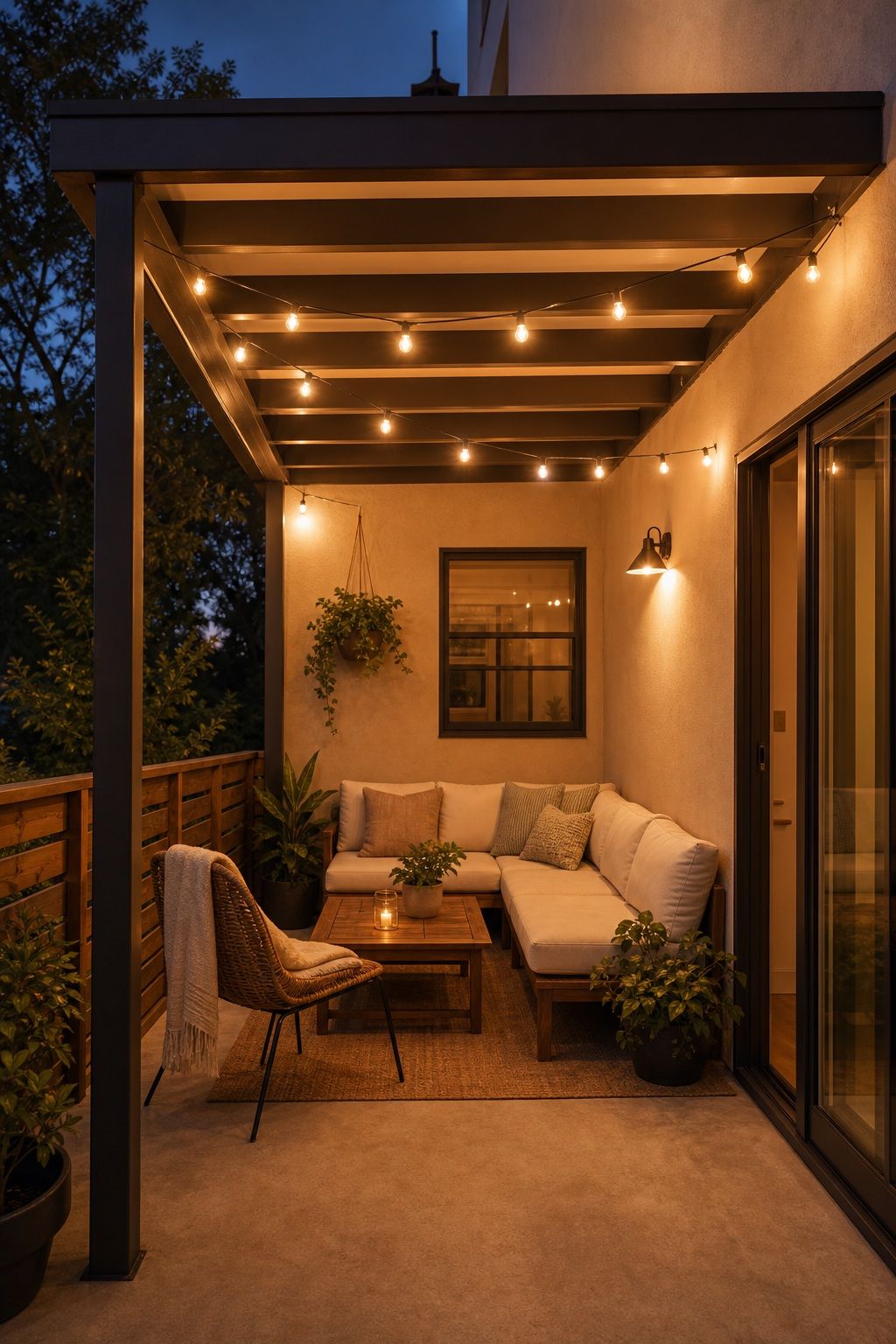


A patio cover is only half the upgrade, the other half is light, because a covered patio you cannot use after dark is still a daytime-only space. Solar string lights woven through a pergola, clipped along a sail edge, or run under a solid roof extend the usable hours at almost no cost.
Warm-toned bulbs make the space feel like an outdoor room rather than a parking lot, and solar versions skip the wiring entirely. Lighting the cover is the cheapest move on this list and often the one that finally gets the patio used in the evenings, which is when most people actually want it.
Read more: Outdoor Entryway Ideas That Make Every Guest Stop and Stare
Outdoor Patio Roof FAQ
What is the cheapest way to cover a patio?
A shade sail or a large cantilever umbrella is the lowest-cost patio cover. Both need no construction, handle sun and light rain, and can come down seasonally. A single triangular sail stretched over a seating corner often covers a small patio for just the cost of the fabric and anchor hardware. A covered patio still needs a cozy setup, and these small apartment patio ideas help you furnish and style the space underneath.
What is the best roof for a patio?
The best roof depends on use and budget. A solid attached roof or pavilion gives complete year-round cover, a louvered roof gives adjustable shade and rain protection, and a pergola gives partial dappled shade. Match the structure to how much cover you actually need and how the space gets used.
Pergola or covered patio, which is better?
A covered patio with a solid roof keeps you dry in any weather but is permanent and higher-cost. A pergola gives partial shade, strong architectural character, and a frame for plants or fabric, at a lower cost. Choose a covered roof for all-weather use and a pergola for relaxed, mostly-fair-weather use.
How do I cover my patio for year-round use?
For true year-round use, choose a permanent insulated roof or a louvered roof, then add a ceiling fan for summer and a patio heater or fireplace for the cold months. The 2026 approach is a cover built to adapt to shifting weather rather than one that only works in mild seasons.
Can renters add a patio roof?
Yes. Renters should stick to freestanding and non-attached options, a hardtop gazebo, a freestanding pergola with a retractable canopy, shade sails on existing anchor points, or a cantilever umbrella. All provide real overhead cover without permits, construction, or anything permanent attached to the building. Want the inside of your door to feel just as ready? These small apartment entryway ideas help you set up a welcoming drop zone.
Key Takeaways
- Match the patio roof to how you use the space and what you can spend, permanent roofs for all-weather use, pergolas for partial shade, fabric covers for flexible low-cost protection.
- The 2026 priority is a cover that works across seasons, an insulated or louvered roof plus a fan and a heater turns a patio into a true year-round outdoor room.
- Pergolas double as a frame for climbing plants, retractable canopies, or louvered slats, so an open-lattice cover can become as functional as a solid one.
- Shade sails, retractable awnings, and freestanding gazebos give real cover at mid to low cost, and most are renter-friendly because nothing attaches to the house.
- On a small patio, use wall-mounted awnings, a single triangle sail, or a cantilever umbrella, and always light the cover so the patio is usable after dark.
Final Thoughts
An outdoor patio roof is what turns a patio from a fair-weather slab into a space you actually live in. The right one is simply the one that matches your budget and how much cover you need, a permanent roof for full protection, a pergola for character and partial shade, a sail or umbrella for flexible, low-cost coverage. Add light, think about year-round comfort, and the weather stops deciding whether you get to use the space. That is the whole goal, a patio that is ready whenever you are.
Last update on 2026-10-23 / Affiliate links / Images from Amazon Product Advertising API
