

The packing and moving hacks that save the most stress are the simple ones: declutter before you pack, colour-code boxes by room, put heavy things in small boxes and pack an open-me-first box. Use towels and suitcases as free packing supplies, load heavy furniture first and set up one room completely before unpacking the rest.
Moving is rarely hard because the tasks are complicated. It’s hard because there are hundreds of small ones, all due in the same week, and you’re doing them surrounded by boxes.
So these hacks are sorted the way a move actually happens: prep, packing day, supplies, then loading and unpacking. Start at the top a few weeks out and work down.
This is the shortcuts version. If you want the full room-by-room process, I’ve linked the longer guides along the way.
Moving supplies worth buying


Before You Pack: Smart Prep Hacks
1. Declutter Hard Before You Pack Anything
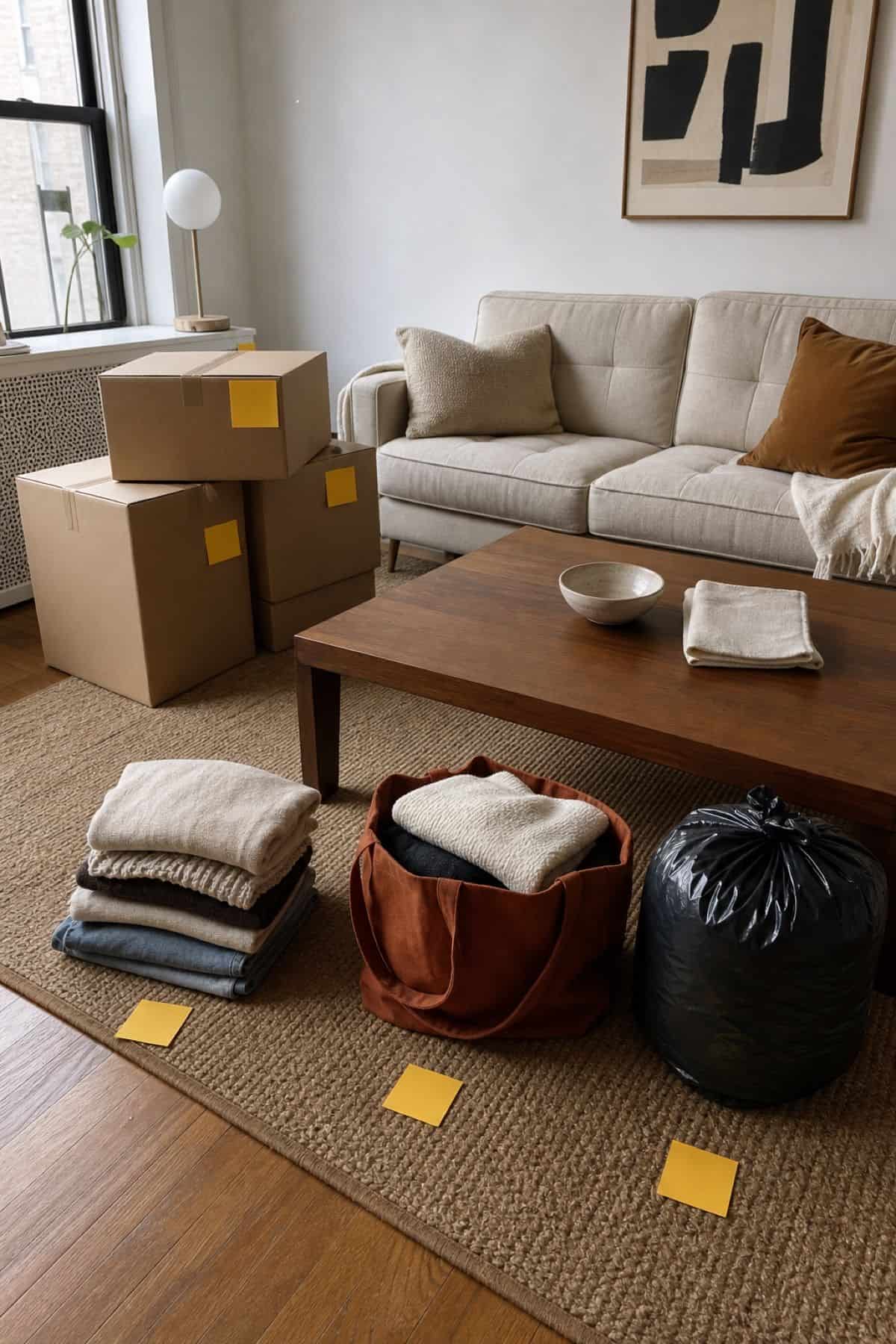


The best packing hack is to pack less. Before you tape a single box, go through each room and decide what’s coming with you. Every item you sell or donate is one you don’t wrap, carry or unpack.
A move is the one time you handle everything you own, so it’s the easiest time to let things go. Be stricter than you’d normally be. If you haven’t used it in a year, it probably doesn’t need a box.
2. Set Up a Color-Coded Labeling System
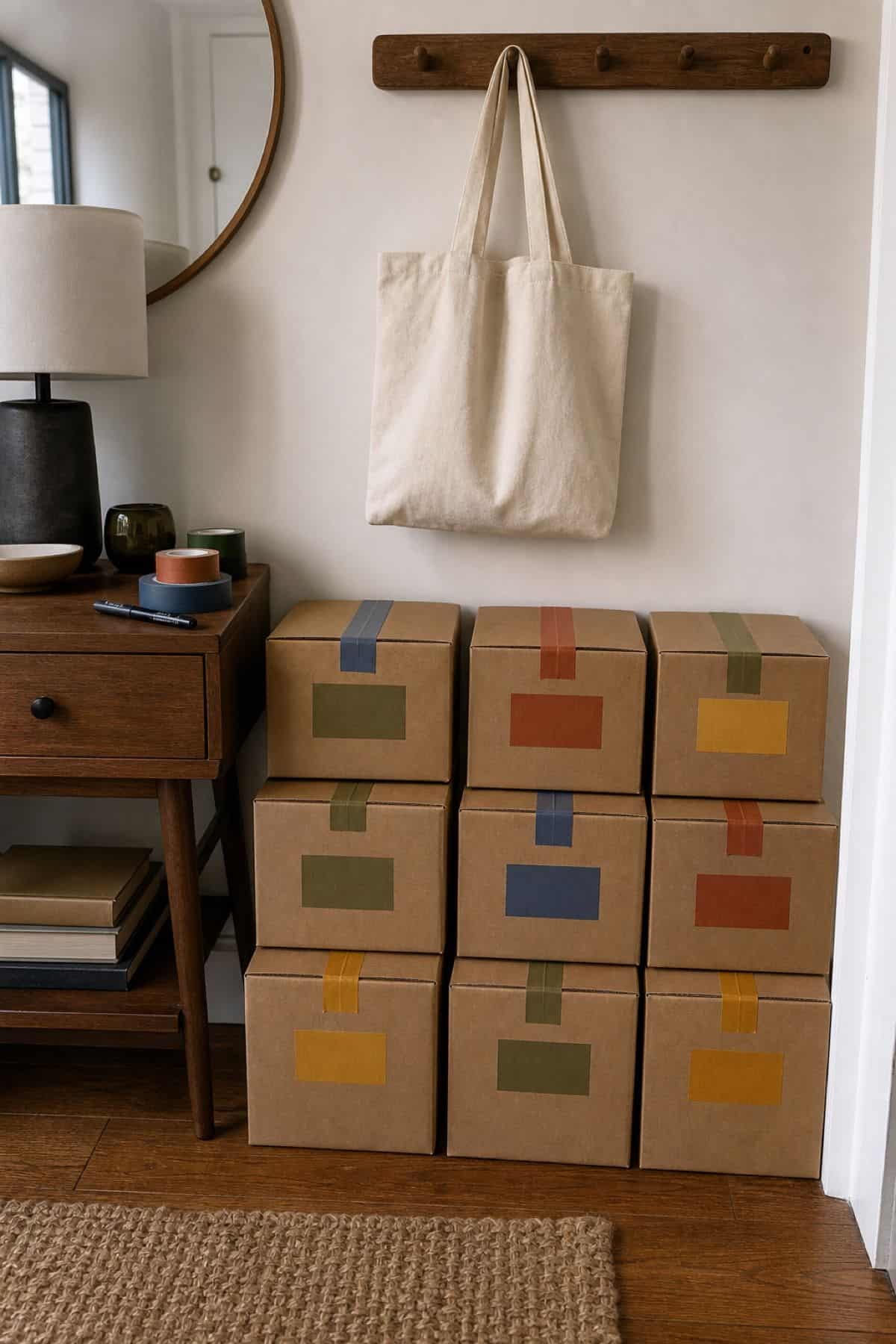


Give each room a colour and mark every box with a coloured sticker or tape: blue for the bedroom, yellow for the kitchen, green for the bathroom. Add a short list of what’s inside.
Put a matching coloured sign on each door in the new place. Movers, friends and you on a tired evening can drop every box in the right room without reading anything.
Moving out for the first time? These tips for moving out cover the planning side.
3. Make a Room-by-Room Phone Inventory
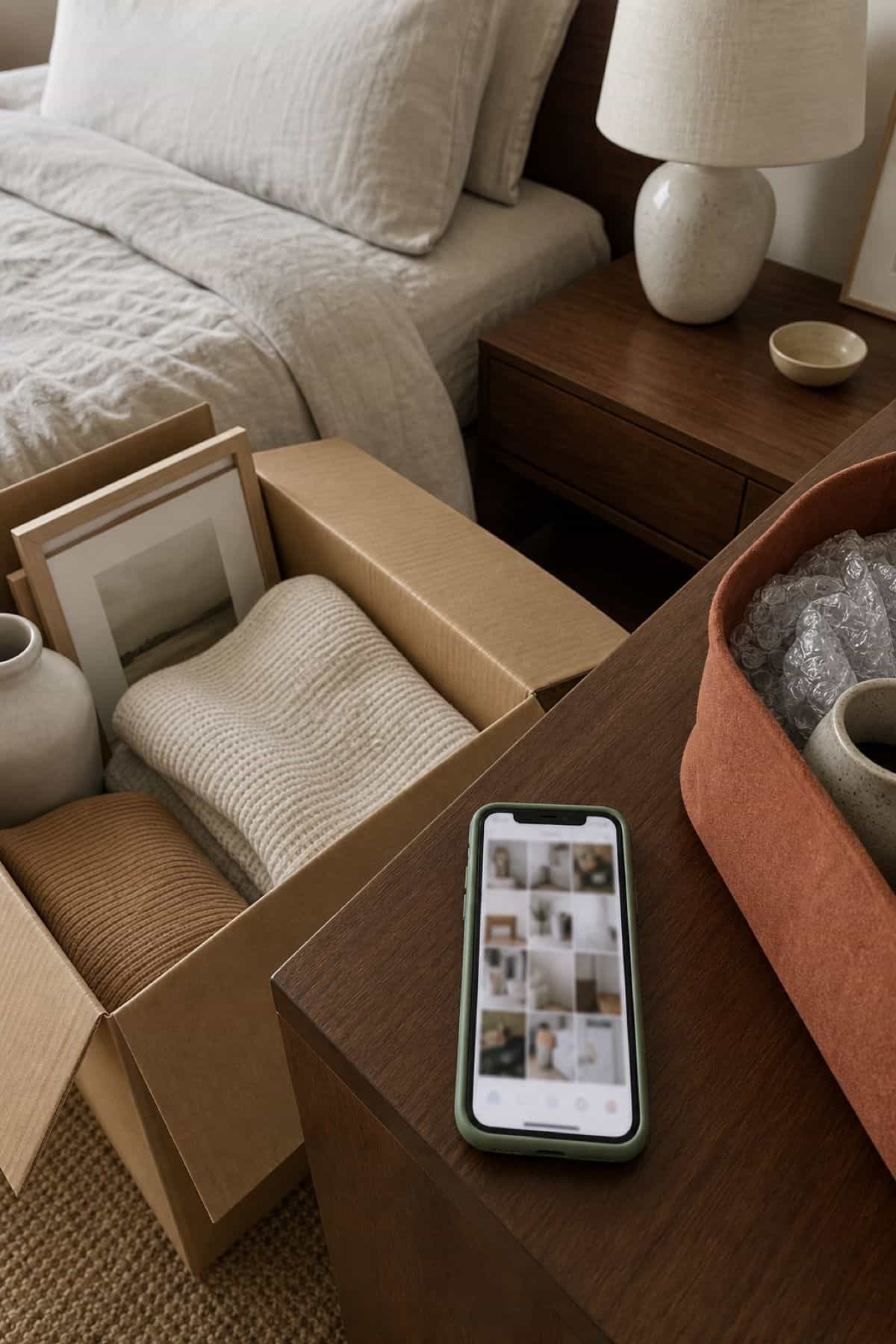


Before packing, walk through each room and take a quick video or a few photos. It’s a record of what you own and what condition it’s in, which helps if anything gets damaged.
Number each box and write the number in a note on your phone with what’s inside. Searching for ‘kettle’ beats opening twelve boxes marked ‘kitchen’.
4. Pack a Labeled Open-Me-First Box
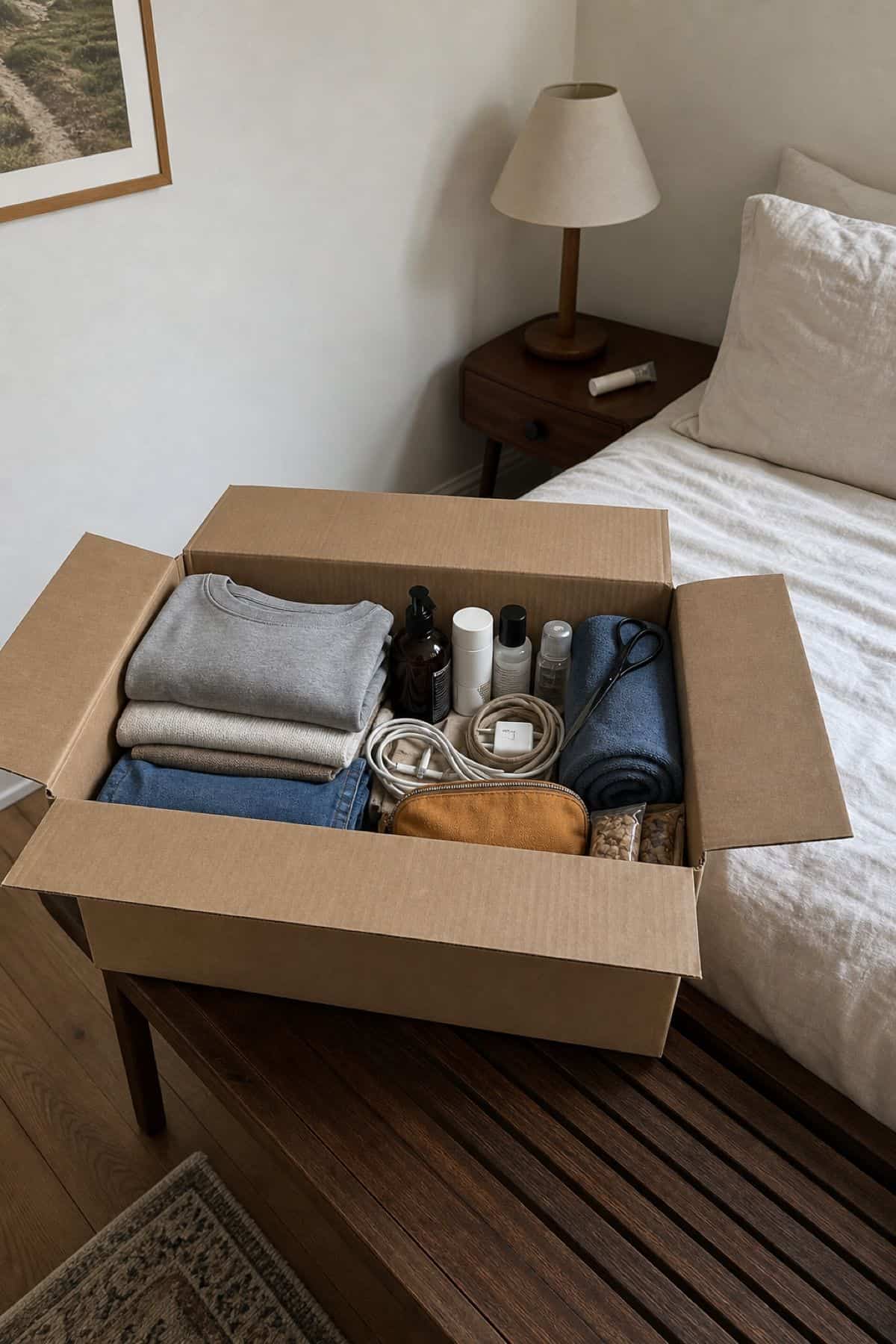


Pack one box or bag separately and label it clearly. It stays with you, not in the van. Inside: phone chargers, toilet paper, a towel, bedding, medications, snacks, a kettle and mugs. Once the essentials box is open, the first apartment checklist helps you figure out what else your new place actually needs.
On the first night, tired and surrounded by sealed boxes, you’ll find everything you need in one place. Ten minutes of packing saves a miserable evening.
Packing Day: Box and Wrap Tricks
5. Pack One Room Completely Before Starting the Next
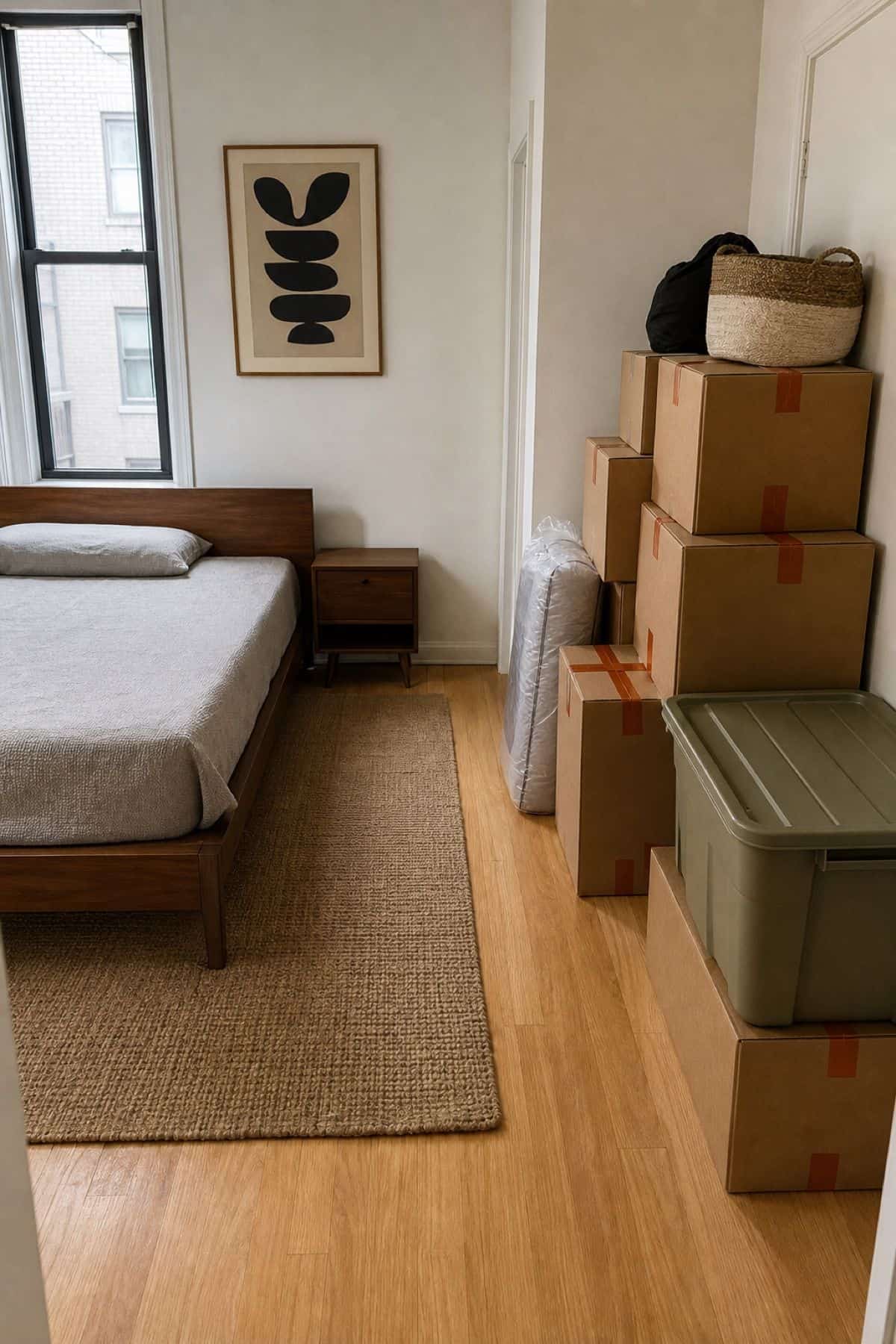


Work room by room and finish each one before starting the next. Mixing rooms in the same box is how you end up unpacking spatulas in the bathroom.
A finished room is a clear win, and it keeps the boxes for each room together so they’re easier to load and unload.
For a week-by-week version, see my packing timeline for moving.
6. Use Heavy Items in Small Boxes, Light in Big
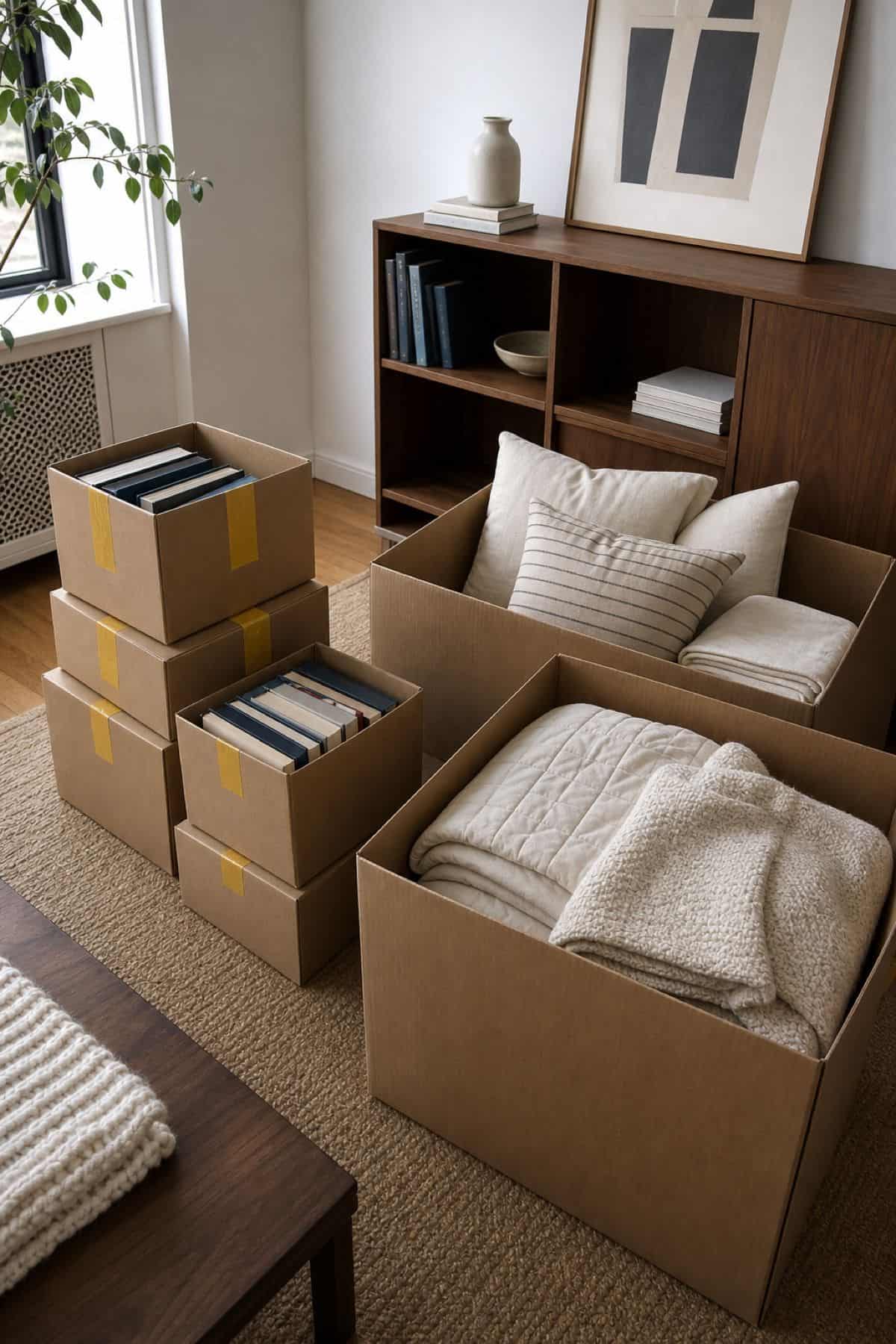


Heavy things go in small boxes and light things in big boxes. It’s the most broken packing rule and one of the most important.
Books, plates and anything dense go in small or medium boxes you can actually lift. Big boxes are for pillows, bedding and lampshades. A large box full of books can weigh 30 kg and will split.
7. Keep Drawers Packed and Wrap Them
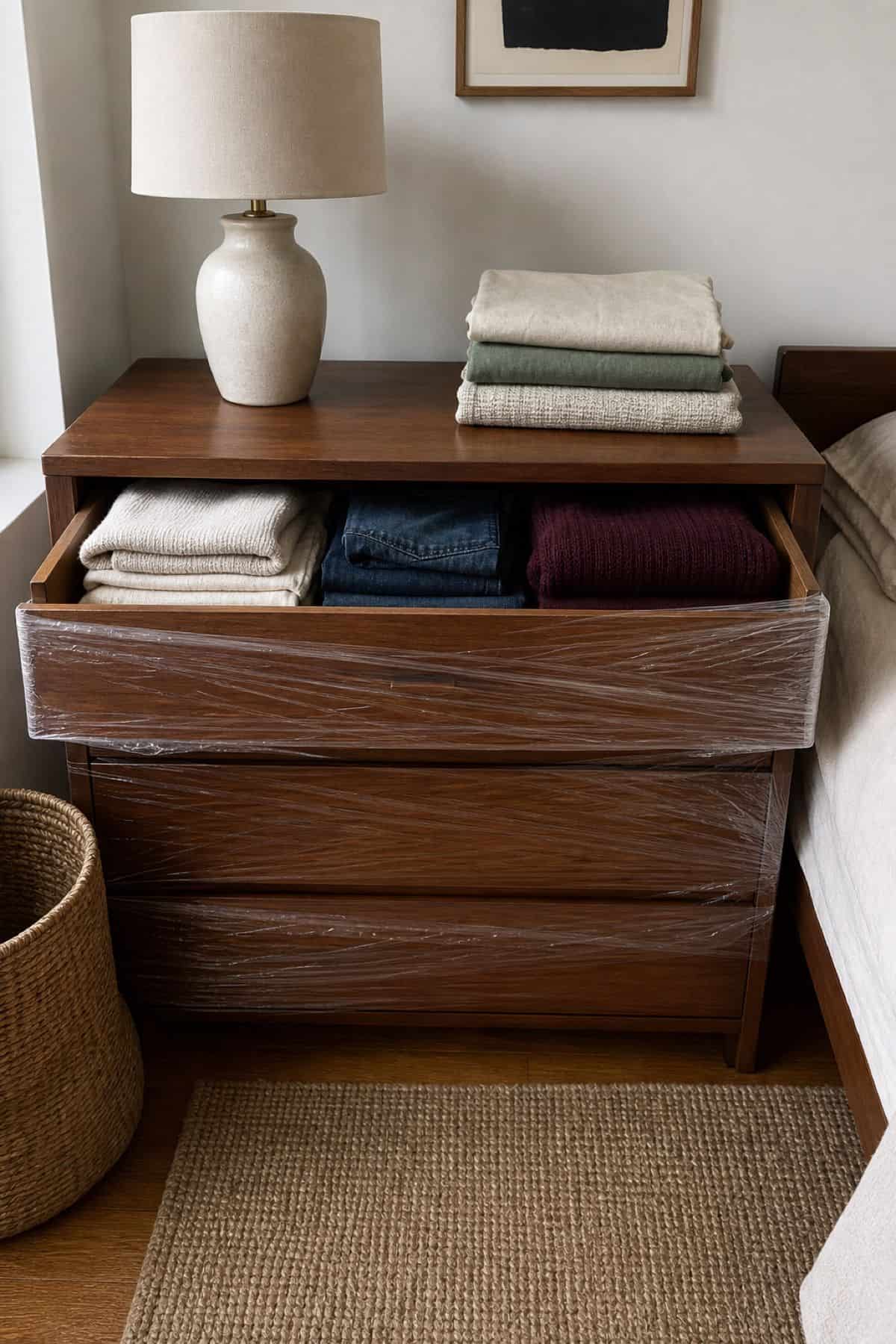


Emptying every drawer is wasted work. Leave clothes in the dresser drawers and wrap the whole piece in stretch film so the drawers can’t slide open.
The drawer becomes its own box. At the new place you unwrap it and you’re done. Take the drawers out to carry the frame if it’s heavy, then slide them back in.
8. Wrap Breakables in What You Already Own
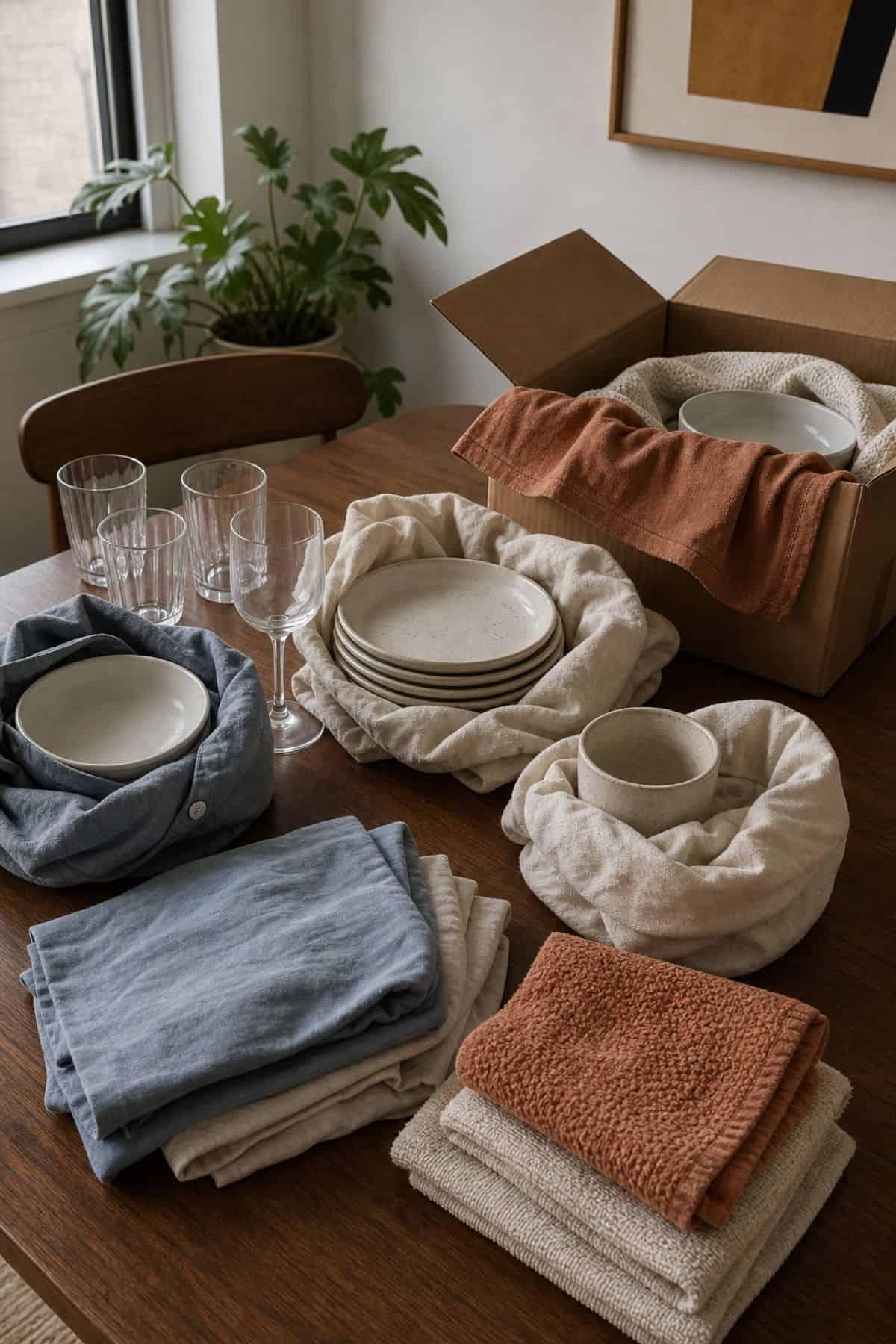


You don’t need bubble wrap for everything. You’re already moving a lot of soft things, so use them as padding.
Socks go over glasses, towels go between plates and jumpers wrap picture frames. It saves money and space, because the padding is stuff you’d pack anyway.
For the full room-by-room method, see my guide to packing up a house for moving.
9. Use Vacuum Bags for Soft, Bulky Items
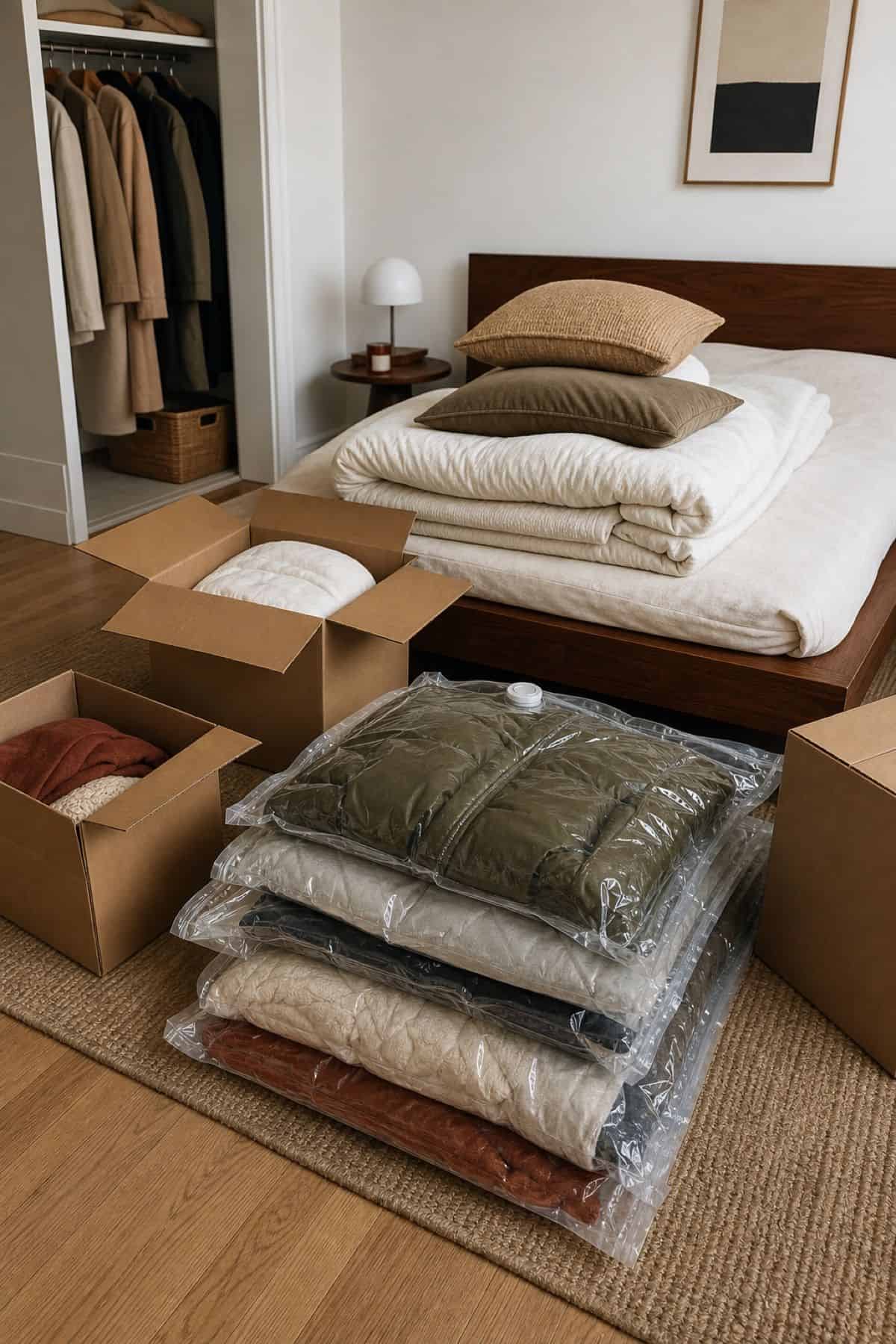


Soft, bulky things like duvets, winter coats, pillows and spare bedding take up huge amounts of box space. Vacuum bags shrink them down to a fraction of the size.
A whole duvet becomes a flat slab that slides into a gap in the van. Just don’t vacuum pack down pillows or wool for too long, as they need air to recover.
10. Photograph Electronics Setups Before Unplugging
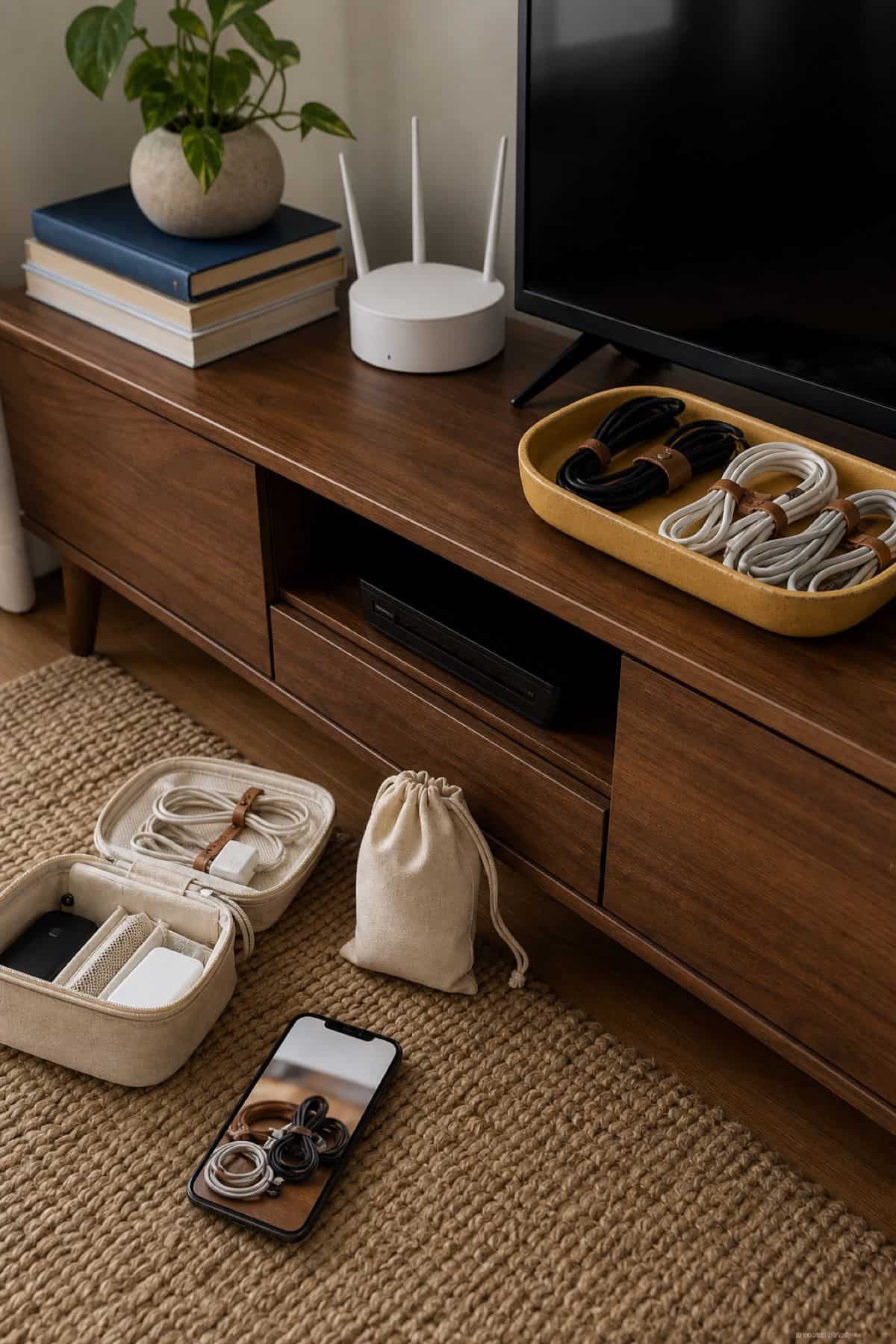


Before you unplug the TV, the desk setup, the router or anything with a lot of cables, take a photo of the back.
At the new place, the photo shows you which cable went where. Put each set of cables in a labelled bag and tape it to the device.
Budget Supply Swaps That Work
11. Pack With Laundry Baskets, Bins, and Suitcases
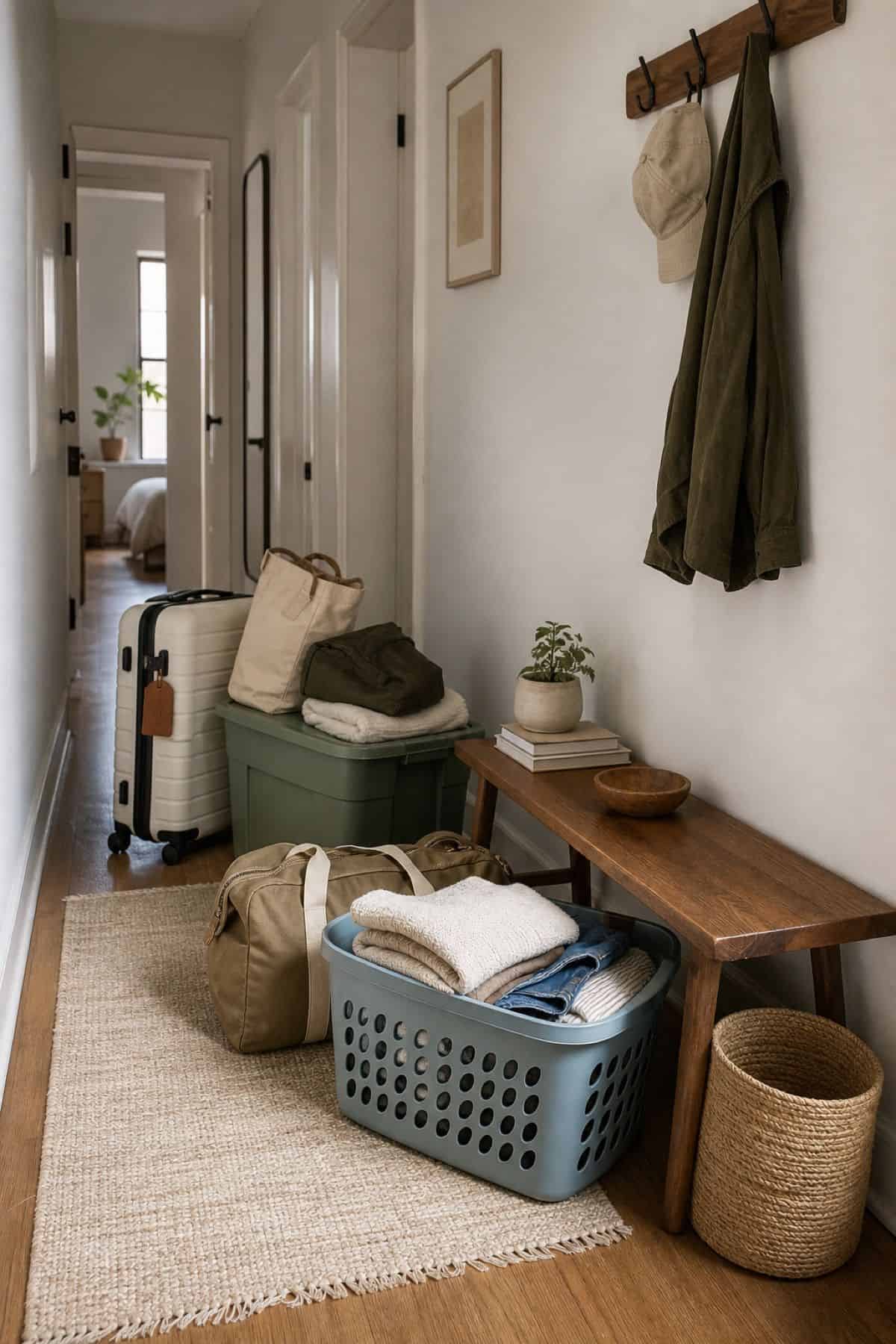


You already own plenty of moving containers. Suitcases, laundry baskets, storage bins and reusable shopping bags all work.
Suitcases have wheels, so use them for heavy things like books. Laundry baskets are great for kitchen items that need to be unpacked straight away.
For a longer list, I collected my best moving tips in one place.
12. Raid Free Box Sources Before Buying
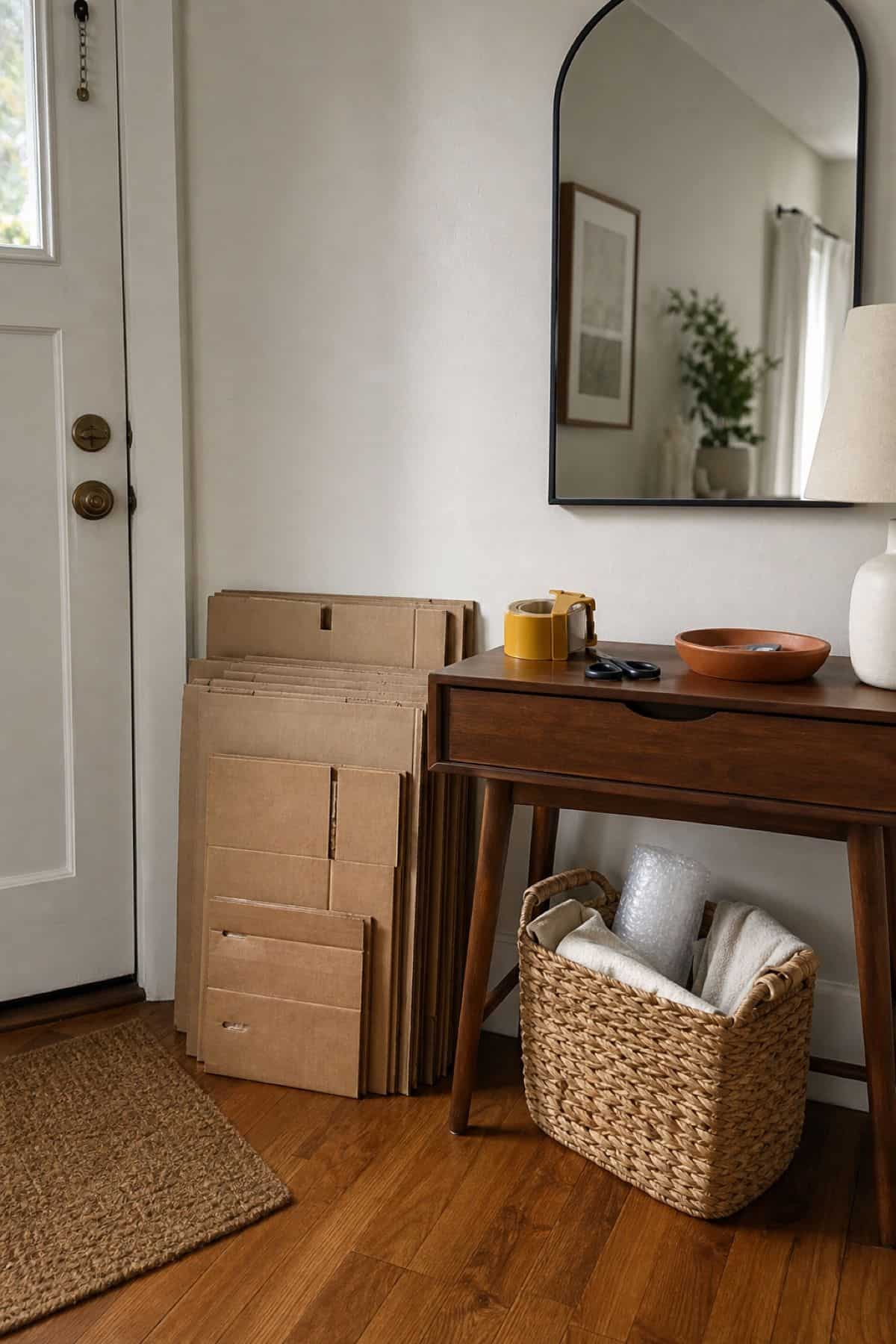


Boxes are a real moving cost, but they’re easy to get for free. Ask supermarkets, liquor stores and furniture shops. In Finland, Alko boxes are a moving classic because they’re sturdy and the right size for books.
Start collecting two or three weeks ahead so you’re not scrambling. Online marketplaces and local groups are full of people giving away boxes after their own move.
13. Use Dollar Store Supplies for the Rest
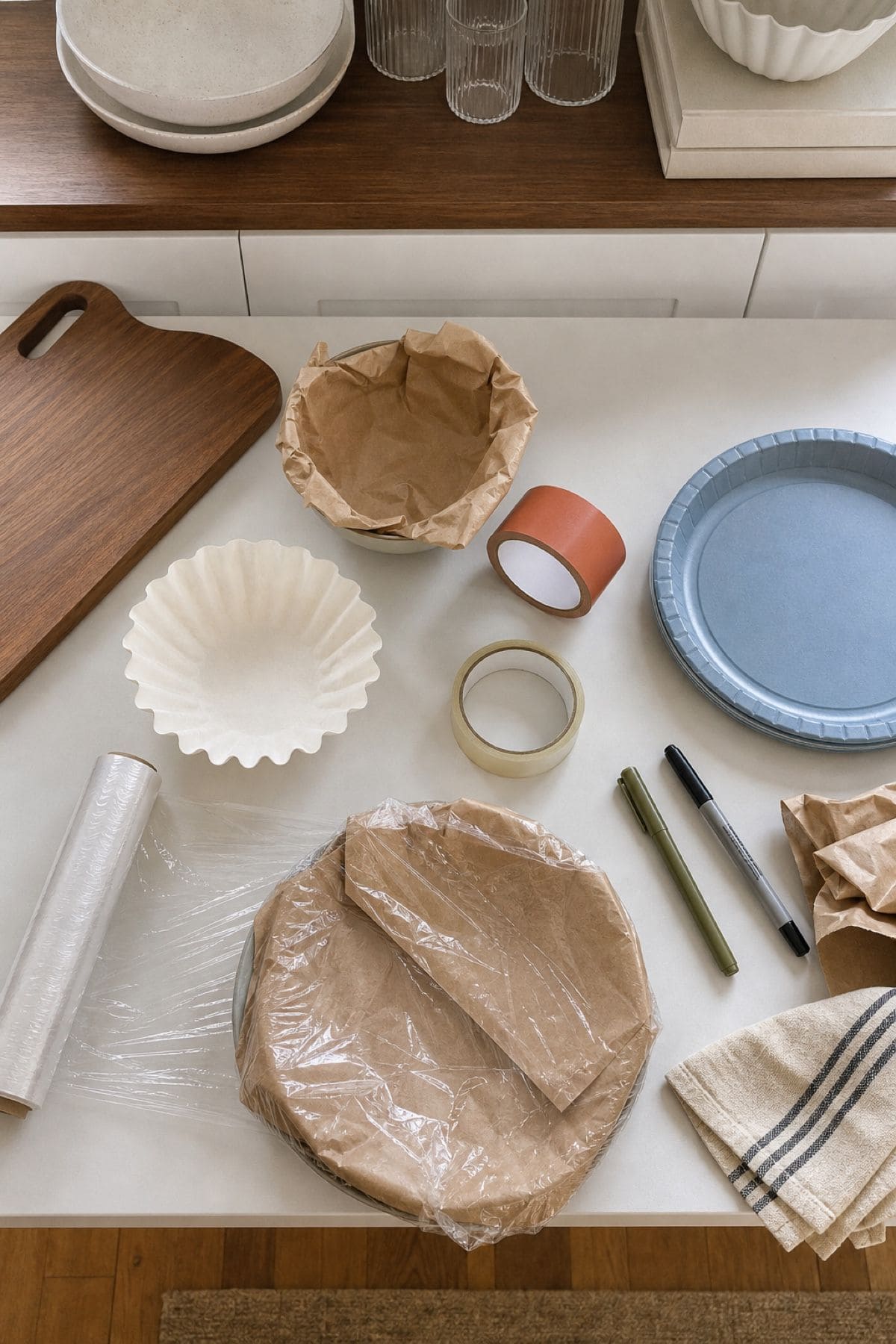


For the supplies you do need to buy, a discount or budget store is the place: tape, markers, sticky labels and stretch film.
They cost a fraction of what dedicated moving supplies cost and do the same job. Buy more tape than you think you’ll need.
14. Repurpose Bags, Wrap, and Containers Creatively
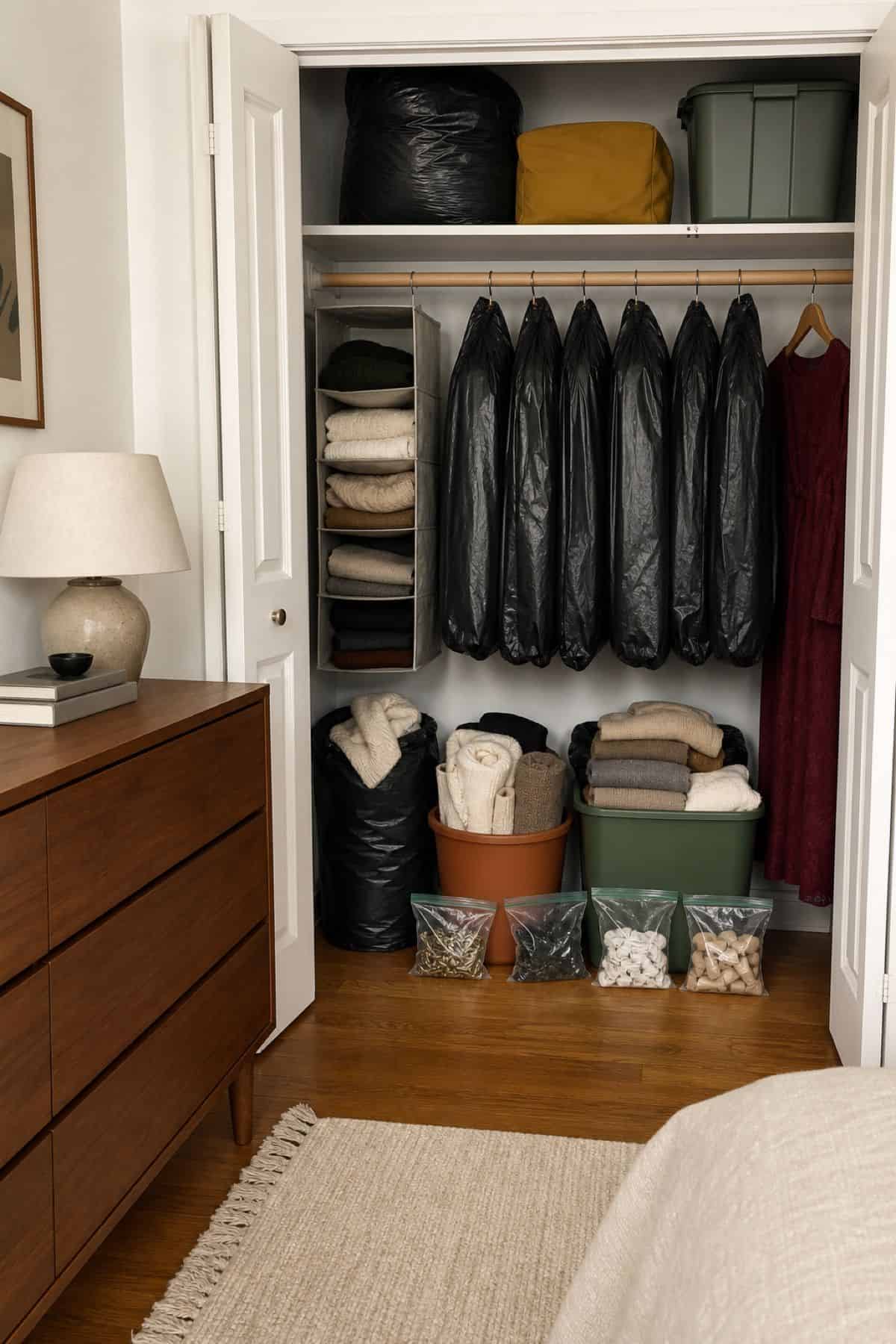


Look around and you’ll find packing material everywhere. Bread bags work for small items, egg cartons hold jewellery and pot lids protect each other with a tea towel between them.
Pots and bins get packed full rather than empty. Any container that’s moving anyway should carry something.
Keep these close on moving day: my list of moving out essentials.
Load, Transport, and Unpack Hacks
15. Load the Truck Heaviest and Largest First
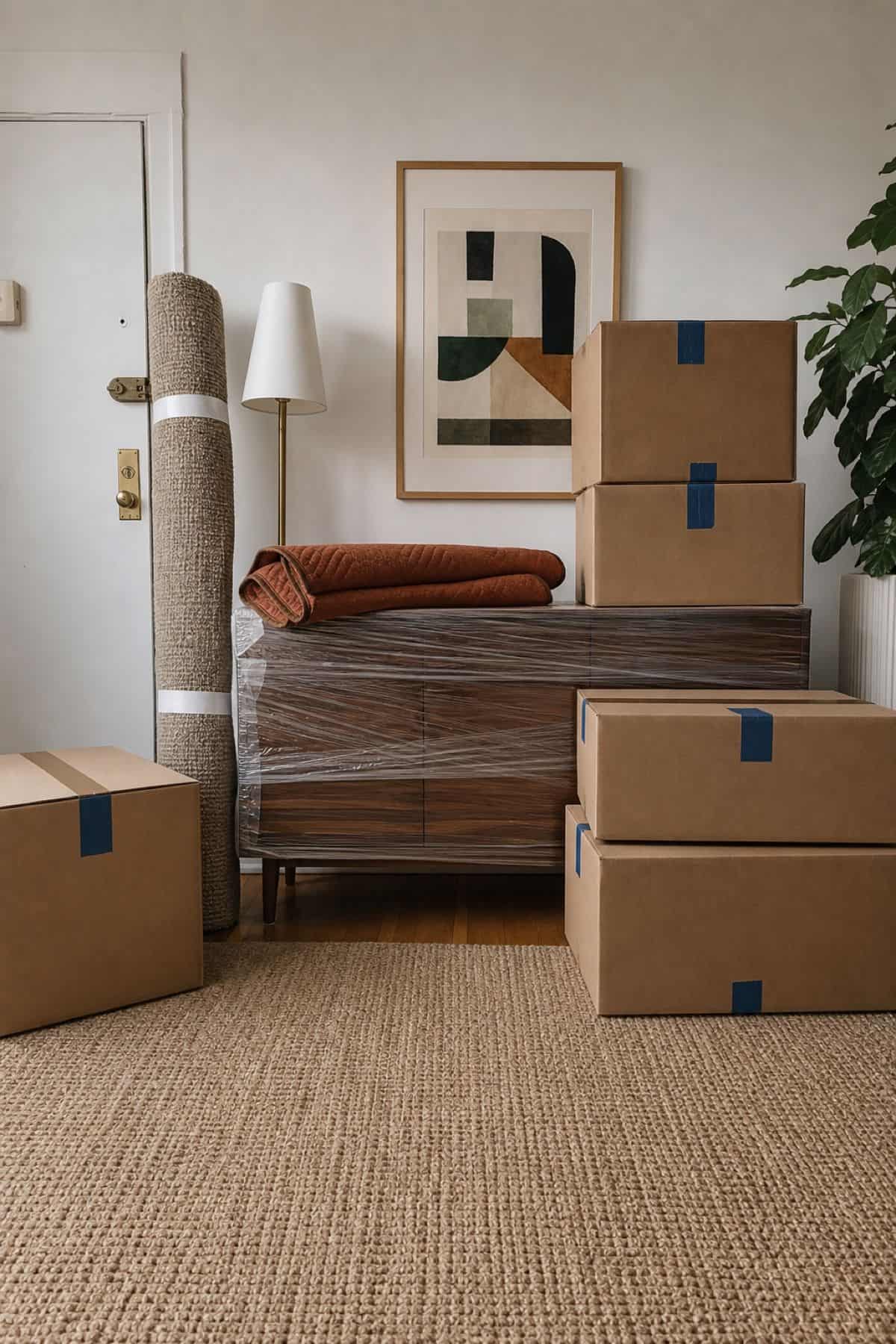


Loading has an order, and getting it right prevents damage. Big, heavy furniture goes in first, against the wall nearest the cab.
Boxes go on top and in the gaps, heaviest at the bottom and lightest on top. Fill every gap so nothing shifts on the road.
16. Keep an Essentials and Tools Bag With You
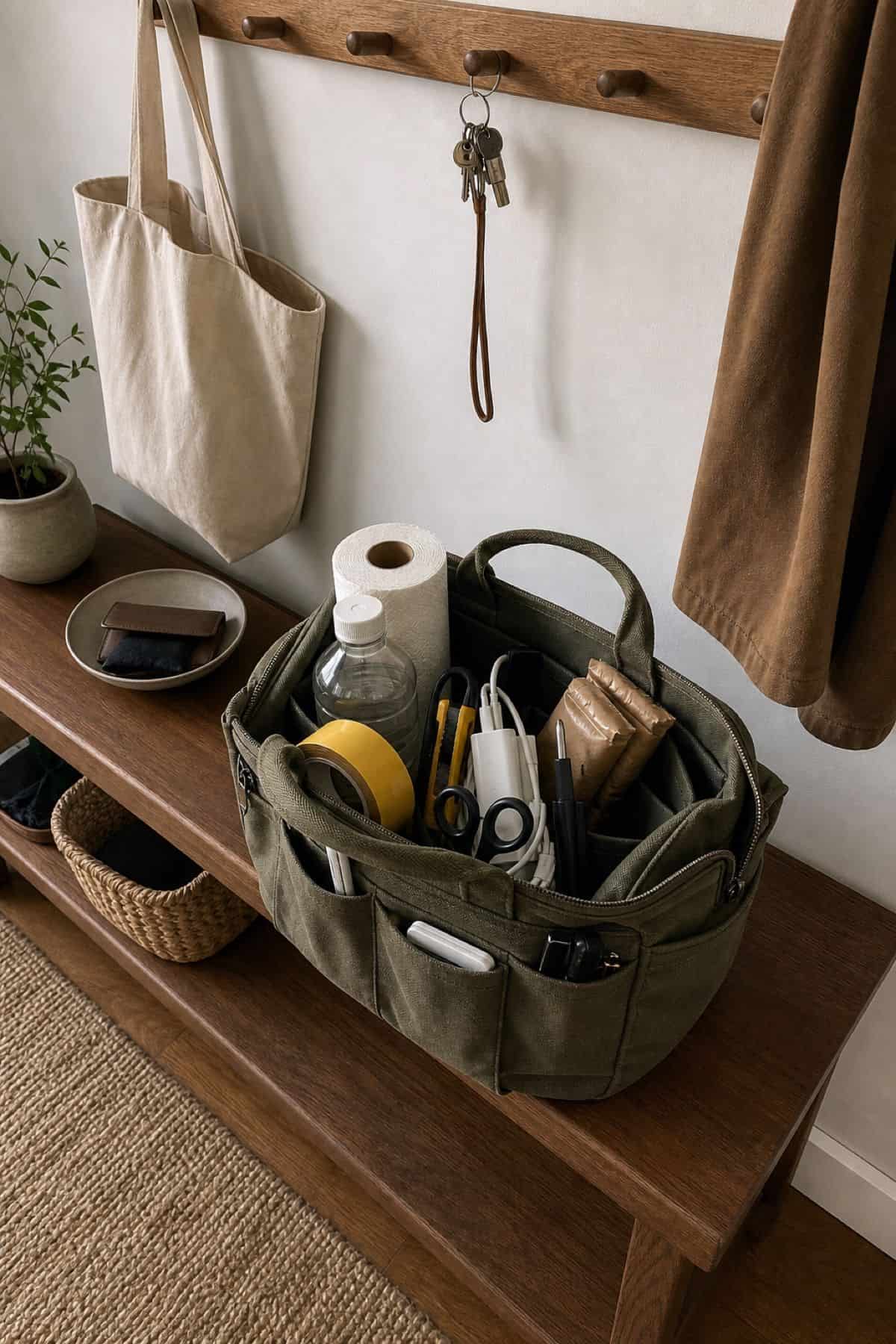


As well as the open-me-first box, keep a small bag of tools with you: a screwdriver, Allen keys, scissors, a box cutter, tape, bin bags and a phone charger.
These are the things you need during the move and the minute you arrive. Put screws from flat-packed furniture in labelled zip bags and tape them to the furniture.
17. Set Up One Functional Room First
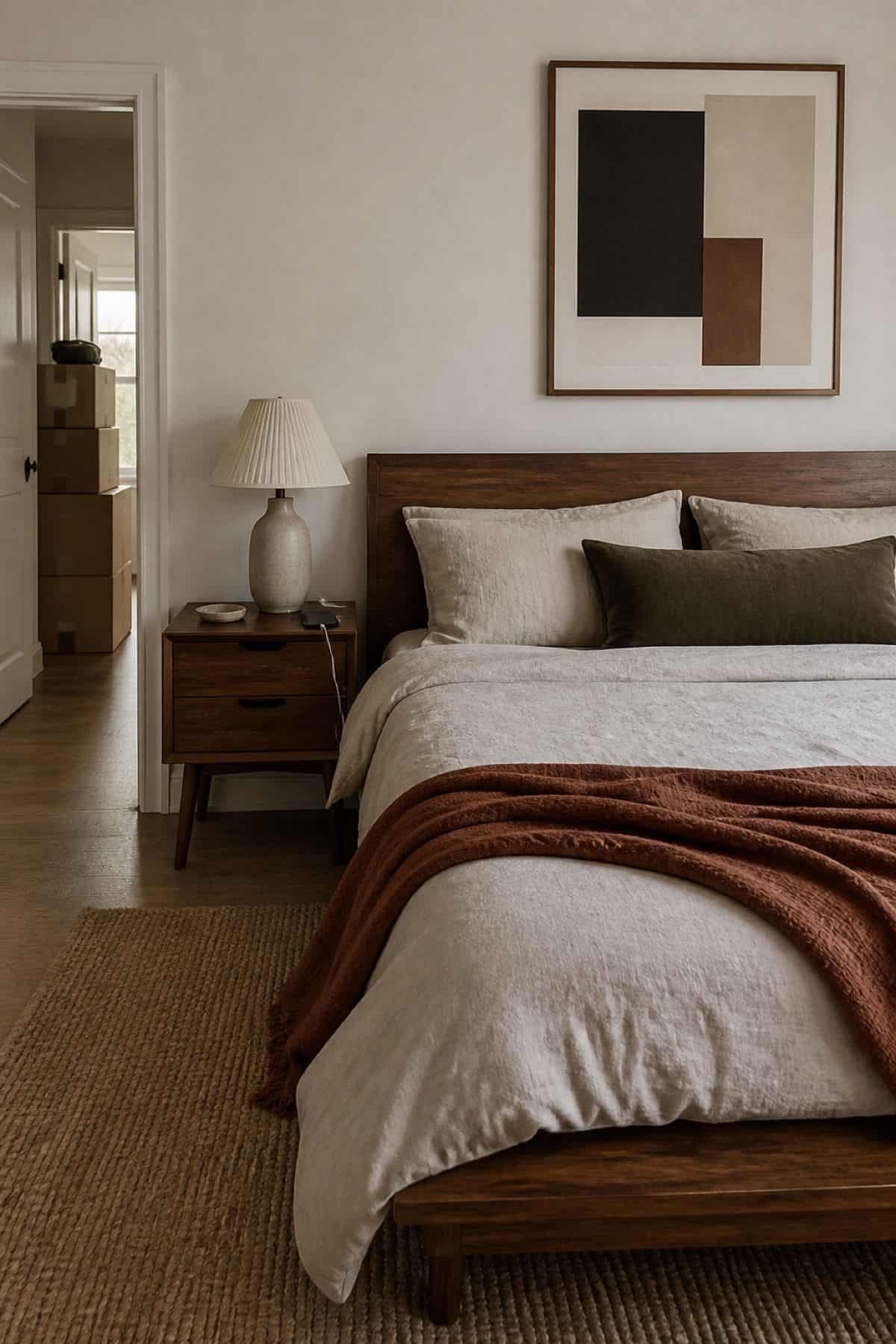


Don’t try to unpack everything on day one. You’ll burn out and end up with half-open boxes in every room.
Make the bed and set up the basics in one room first. That finished room becomes a calm place to rest while the rest is still in chaos.
Use my apartment move-in checklist so nothing gets missed in the first week.
18. Unpack by Priority, Not by Proximity
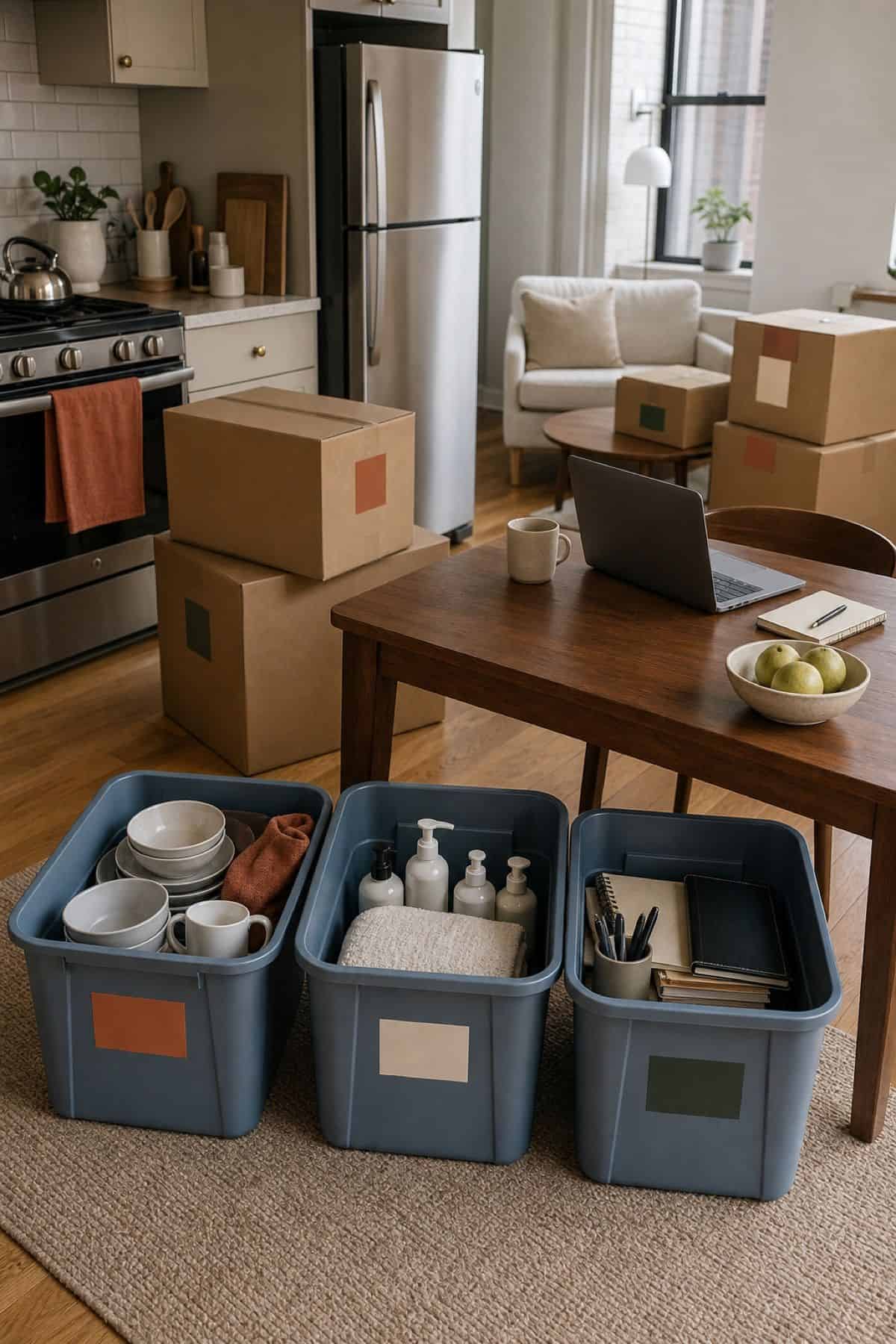


The last hack is about the order of unpacking. The instinct is to open whatever box is closest. Instead, unpack by what you need first.
Kitchen basics, bathroom essentials and your work setup come before decor and books. You’ll feel settled faster and the rest can wait a week.
Packing and moving hacks FAQ
What is the fastest way to pack for a move?
Declutter first so there’s less to pack, then work room by room with a colour-coded labelling system. Leave clothes in drawers and use towels and clothes as padding.
What should you pack first when moving?
Start with the things you use least: the spare room, storage, books and out-of-season clothes. Pack the kitchen and bathroom last.
How do you pack a small apartment quickly?
Declutter first, work room by room, use suitcases and baskets as containers and pack drawers in place. Most small apartments can be packed in a weekend this way.
What household items make good free packing material?
Towels, t-shirts, socks and linens are great padding for plates and glasses. Bread bags, egg cartons and laundry baskets help too.
How do you make moving less stressful?
Treat the move as phases instead of one big job. Pack an open-me-first box, keep a tool bag with you and set up one room fully before unpacking the rest. When the boxes are gone, pick one of these housewarming party themes and welcome friends into your new home.
Key takeaways
- Work through the move in phases: prep, packing day, supplies, then loading and unpacking.
- A colour-coded labelling system and a phone inventory make every box easy to find.
- Suitcases, laundry baskets and free boxes cut supply costs.
- An open-me-first box and a tool bag stay with you, not in the van.
- Unpack by priority, and finish one room before starting the rest.
Final thoughts
Moving isn’t hard because the tasks are complicated. It’s hard because they all land in the same week. Pick three or four of these packing and moving hacks, start them early and let the rest of the move follow the same order. The first night in the new place will feel a lot calmer.
Last update on 2026-11-04 / Affiliate links / Images from Amazon Product Advertising API
