
Quick Answer: Stress-free moving works on four pillars, mental preparation (name the stress, expect setbacks, ask for help, set boundaries on moving day), physical self-care (sleep schedule, hydration, snacks, comfortable clothes, breaks), moving day itself (arrive early, communicate with movers, take photos, celebrate small wins), and settling in smart (unpack bedroom first, kitchen day 2, walk the neighborhood, find one daily ritual).
You have been dreading moving day for two months, and now that the date is here, you cannot sleep because your brain keeps running through every possible thing that could go wrong. Moving is one of the top three most-stressful life events, and the difference between a calm move and an emotionally exhausting one is mostly about the mental-and-physical prep that nobody tells you about.
Real stress-free moving covers four pillars beyond just packing. Mental preparation that names the stress before it hits, physical self-care that keeps your body functional through 8-12 hour days, day-of communication that prevents the small frustrations from spiraling, and settling-in habits that make the new place feel like home within a week. Pack the boxes right and the boxes will be fine. Manage yourself and you will be fine too.
Want every move to feel as manageable as the stress-free playbook promises?
The Ultimate Budget Planner has a moving category for the financial side of the move. $4.99 now, soon $19.99.
Recommended Stress-Free Moving Essentials
The pieces that support the human side of the move, the day-of kit, a stress-relief candle, sleep pillow, water bottle, snack box.


Recommended blogs to read:
- Moving tips
- How to pack up a house for moving
- Packing timeline for moving
- Moving out essentials you need to keep close
- Moving out for the first
Mental Preparation
1. Name the Stress
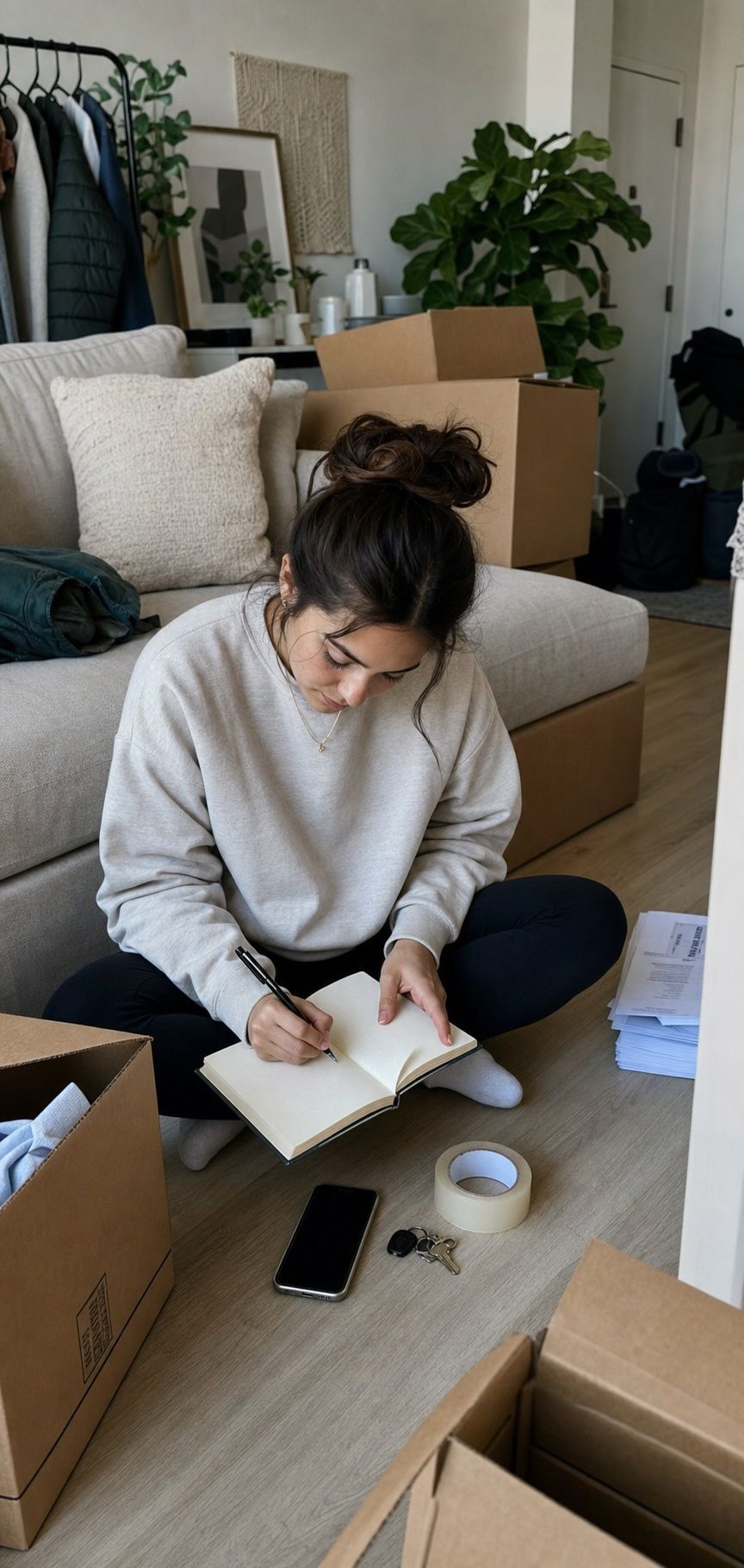


Acknowledge that moving is one of the top three most-stressful life events. The acknowledgment itself reduces the stress because you stop blaming yourself for feeling overwhelmed.
Say out loud, “This is going to be hard for the next two weeks.” Naming it makes it manageable.
Read more: Top 18 Genius Packing and Moving Hacks for a Stress-Free Move
2. Expect Setbacks
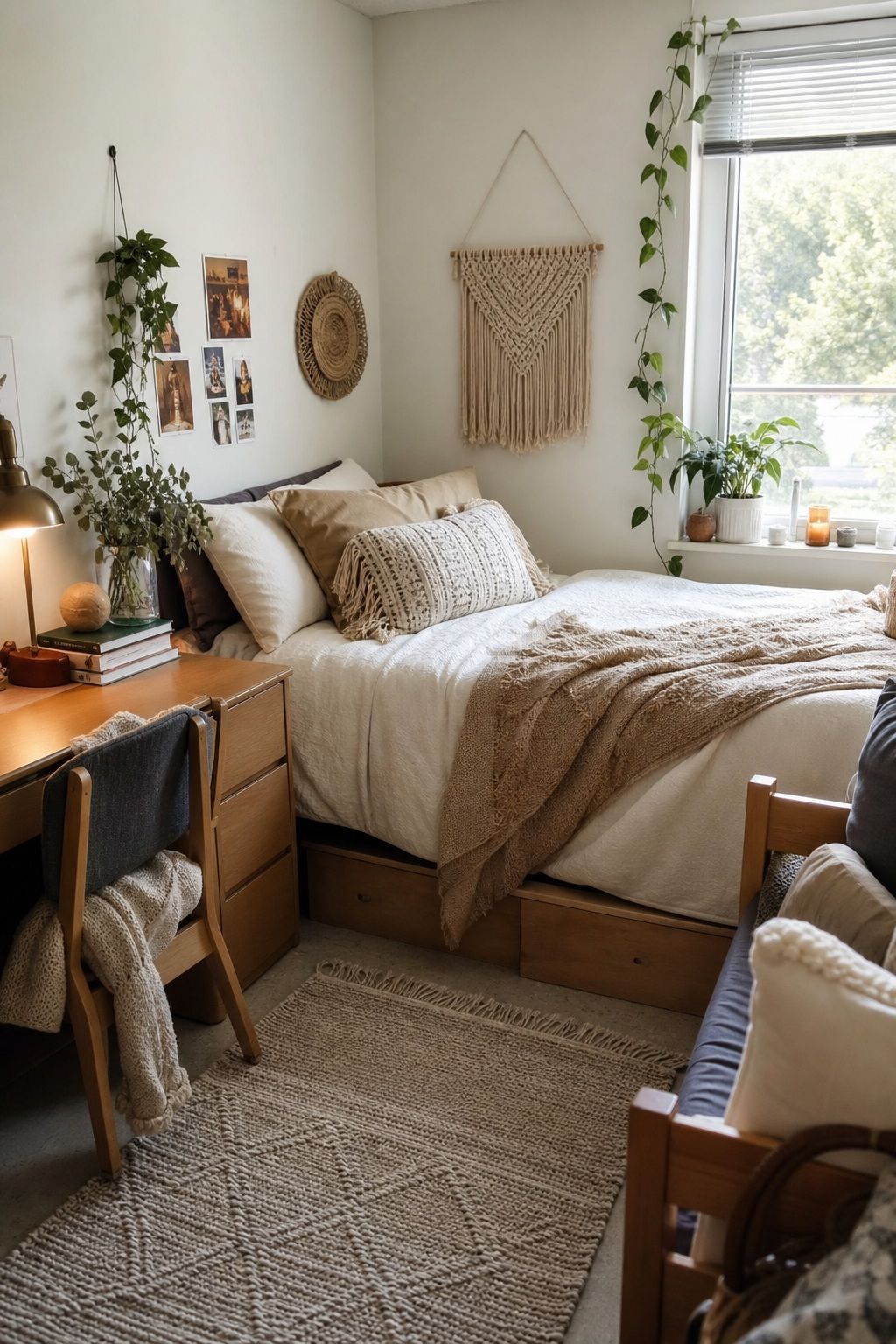
Plan for one or two things to go wrong, a delayed mover, a damaged item, a missing key, a utility issue. The pre-acceptance of imperfection makes the actual setback feel manageable.
Tell yourself, “I will handle whatever comes up.” The mantra reduces the catastrophizing.
3. Ask for Help
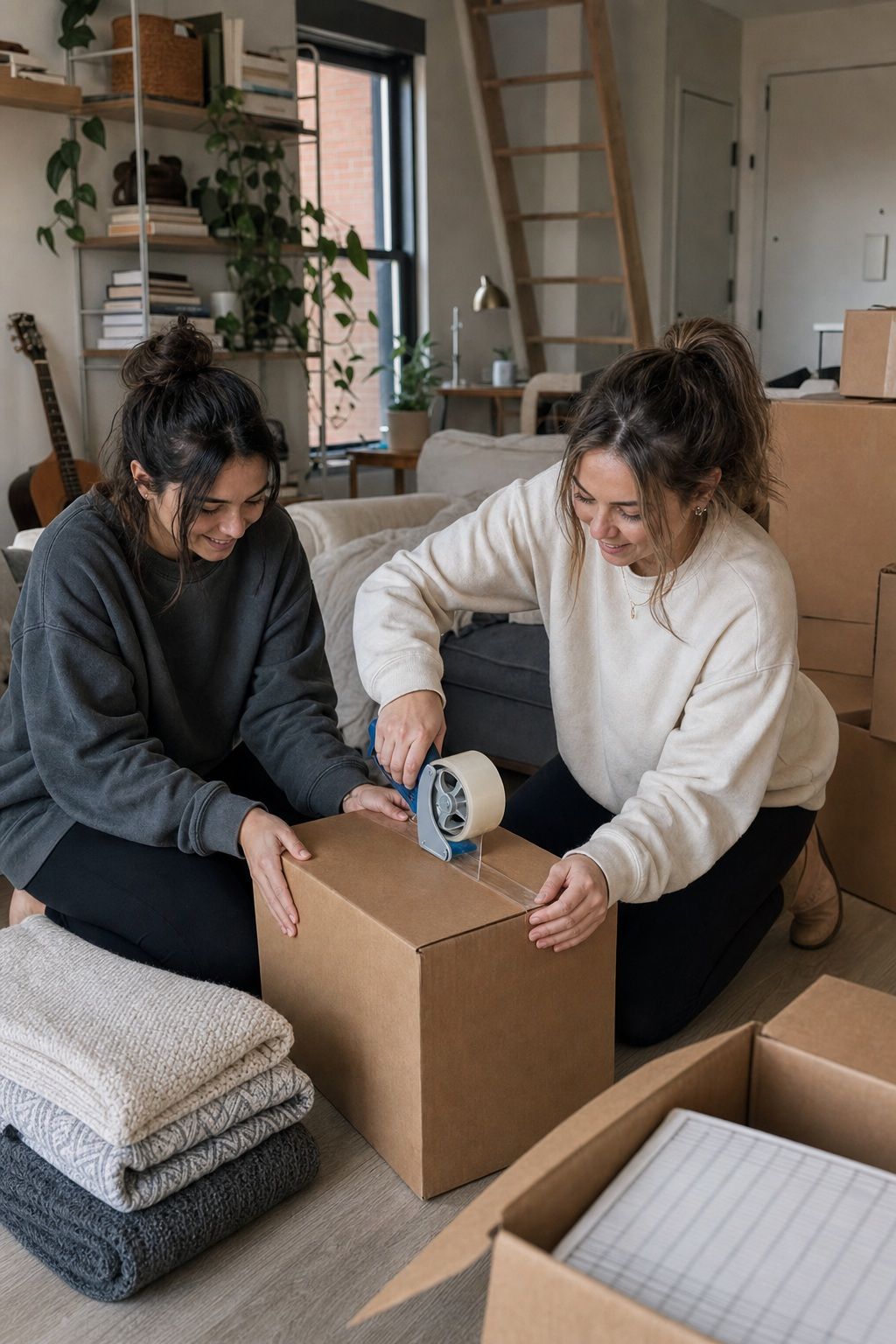


Ask friends or family to help with packing, watching pets or kids on moving day, providing meals during the final week, or just listening when you need to vent. Help is available if you ask.
The people who love you want to support major life transitions. Ask, even if it feels awkward.
Read more: 100 Essential College Dorm Packing List Items You Will Actually Use
4. Set Boundaries on Moving Day

Tell people you will not be available for non-moving conversations on moving day. Mute work notifications. Turn off social media. The focus stays on the move.
A simple text to friends and family the day before moving day explains the boundary. They will understand.
Read more: Top 17 Easter Outfit Ideas for Women to Wear This Spring
Physical Self-Care
5. Sleep Schedule
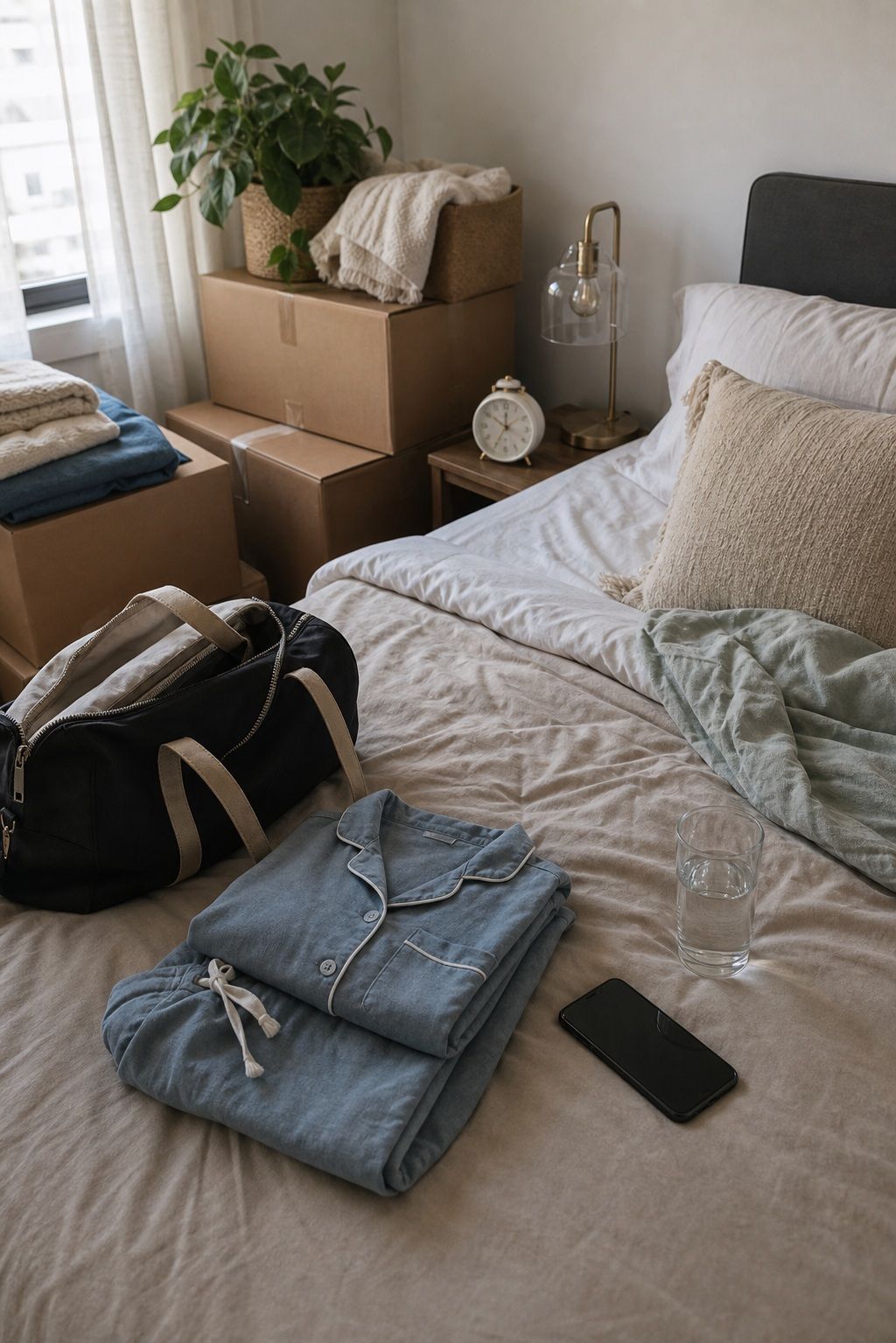


Go to bed early the week before moving. Sleep more than usual, not less. Sleep deprivation makes everything harder, including the actual physical labor of moving.
Aim for 8+ hours the three nights before move day. Avoid late-night packing sessions.
Read more: Top 20 Cozy Bedroom Ideas for Apartments That Actually Feel Like Home
6. Hydration



Drink water constantly throughout moving day. Moving is dehydrating because you sweat constantly. Aim for 80-100 ounces of water on move day.
A large insulated water bottle that holds 32+ ounces is the move-day essential. Refill it three or four times.
7. Snacks
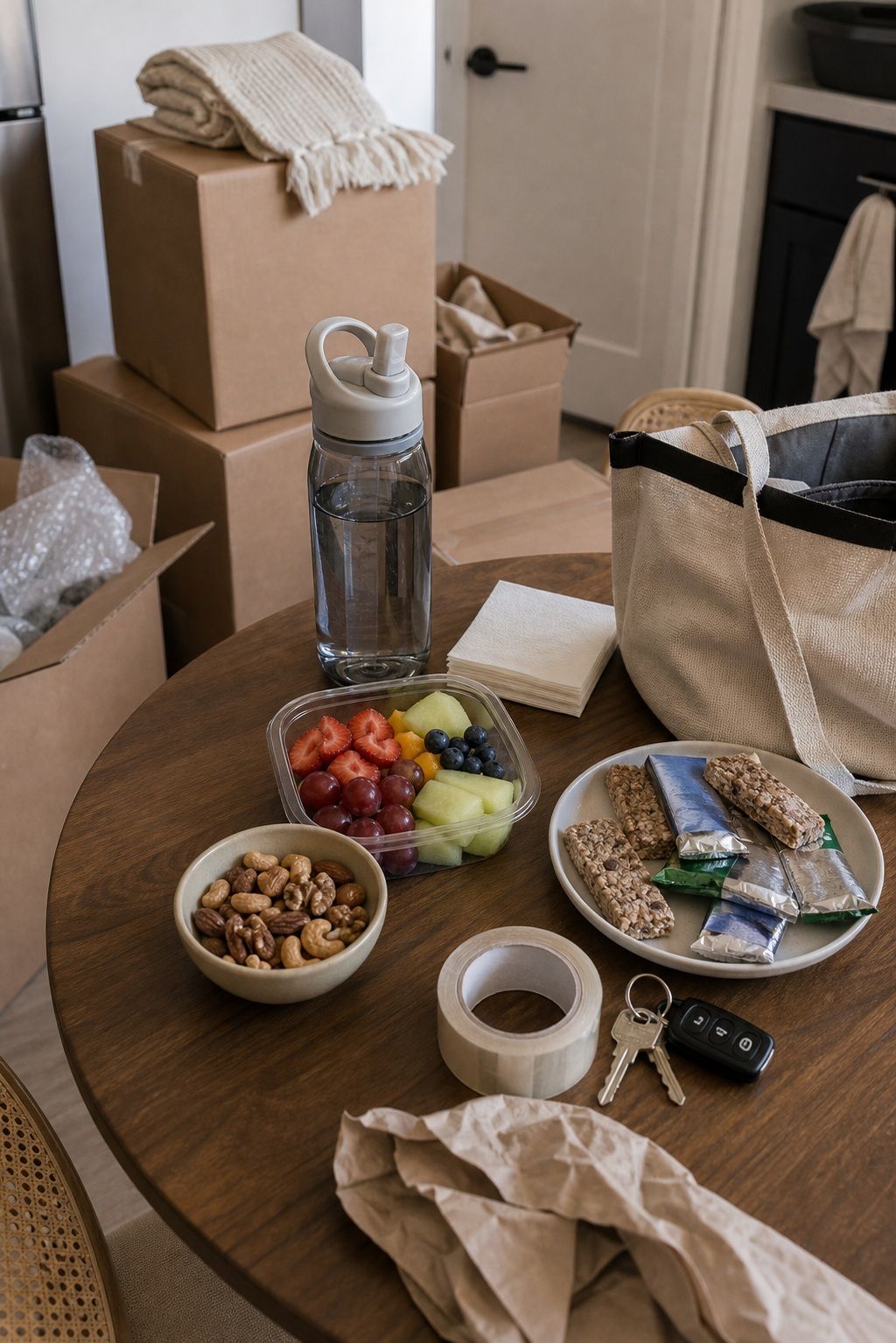


Pack a snack box with protein bars, nuts, fruit, granola, and energy chews. Eat every 2-3 hours to maintain energy through the physical labor.
What makes the snack box actually work is keeping it somewhere you cannot miss it, on the kitchen counter by the front door or on the passenger seat of the car, because a box buried under bedding three boxes deep helps no one. Lean toward food that needs no prep and survives a warm day, since the moment you have to stop and assemble something is the moment you skip eating entirely, and skipping meals is exactly how a long move turns into a headache and a short fuse by mid-afternoon.
Read more: Top 17 Autumn Decor Ideas for the Kitchen to Try This Fall
8. Comfortable Clothes



Wear sturdy comfortable clothes, athletic shoes, layers, and a hat if outdoors. Avoid new shoes, restrictive clothing, or anything you would care about getting dirty.
Pack tomorrow’s comfortable outfit in the first-night box so you have something clean to wear.
Read more: Apartment Moving-Out Checklist: Get Your Full Security Deposit Back
9. Take Breaks



Take a 10-minute break every 90 minutes during the move. Sit down, drink water, eat a snack, breathe. The breaks prevent burnout.
Set a timer if necessary. The breaks feel counterintuitive when you are “wasting time” but they preserve your energy for the long day.
Moving Day Itself
10. Arrive Early

Arrive at the new place at least 30 minutes before the movers. Walk through the empty apartment or house, take photos, identify any pre-existing damage for the security deposit.
The early arrival lets you direct movers to specific rooms without rushing.
Read more: Top 18 Summer Wedding Nail Ideas for the Bride Who Wants Fresh and
11. Communicate with Movers



Be clear with movers about which room each labeled box belongs in. Show them the color-code system. Confirm the payment method and tip plan upfront.
Good communication prevents the frustrating “where does this go” questions throughout the day.
Read more: Top 22 Summer Wedding Decoration Ideas That Make Every Detail Feel
12. Take Photos
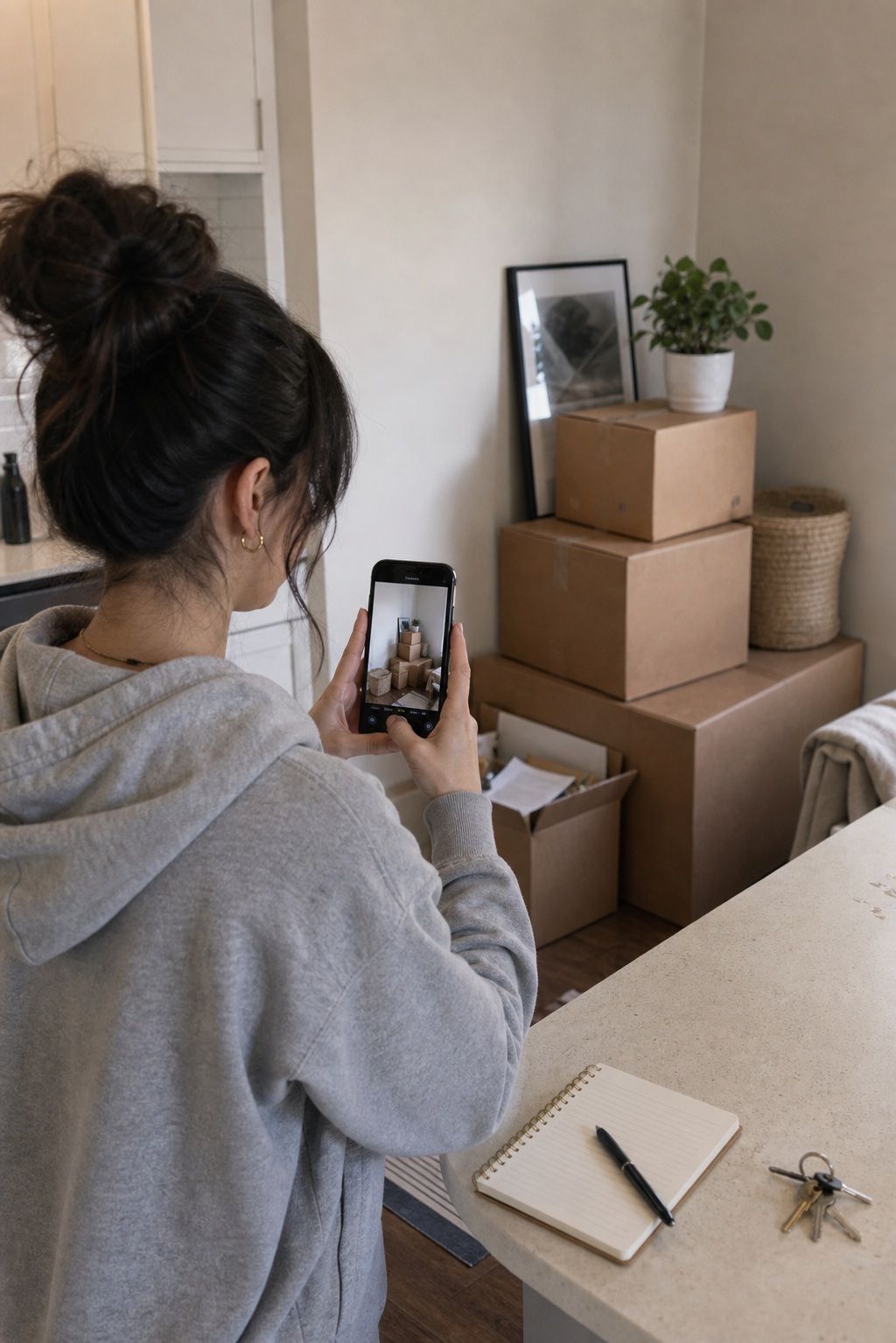


Photograph any damage that happens during the move (to walls, floors, or items). The photos document for insurance claims. Photograph the empty old place for security deposit return.
Photos are non-confrontational documentation. They also serve as memories of the home you just left.
13. Celebrate Small Wins



The last box loaded. The truck pulling away. The bed assembled at the new place. The first cup of coffee in the new kitchen. Each small win deserves acknowledgment.
A celebration ritual (a high-five, a deep breath, a quick photo) builds momentum through the day.
Read more: Top 17 Elegant Autumn Decor for Entryway Ideas to Welcome the Season
Settling In Smart
14. Unpack the Bedroom First
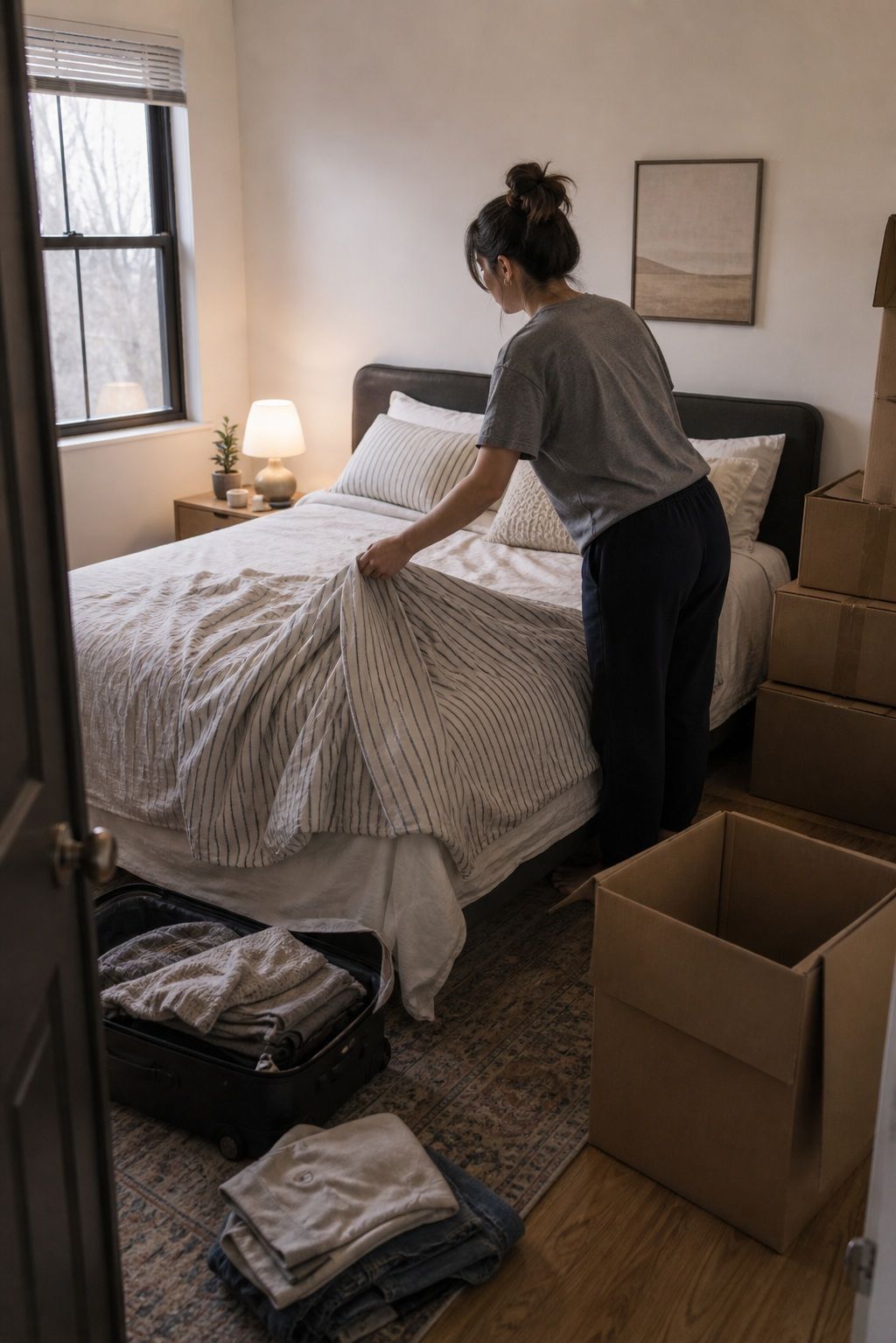


Set up the bed first, the closet second, the bathroom third. The bedroom-first approach gives you a real place to sleep at the end of the move day.
The settled bedroom is what makes the new place feel like home immediately.
Read more: Top 16 Easter Hairstyles for Women That Feel Fresh for Spring
15. Set Up the Kitchen Day 2
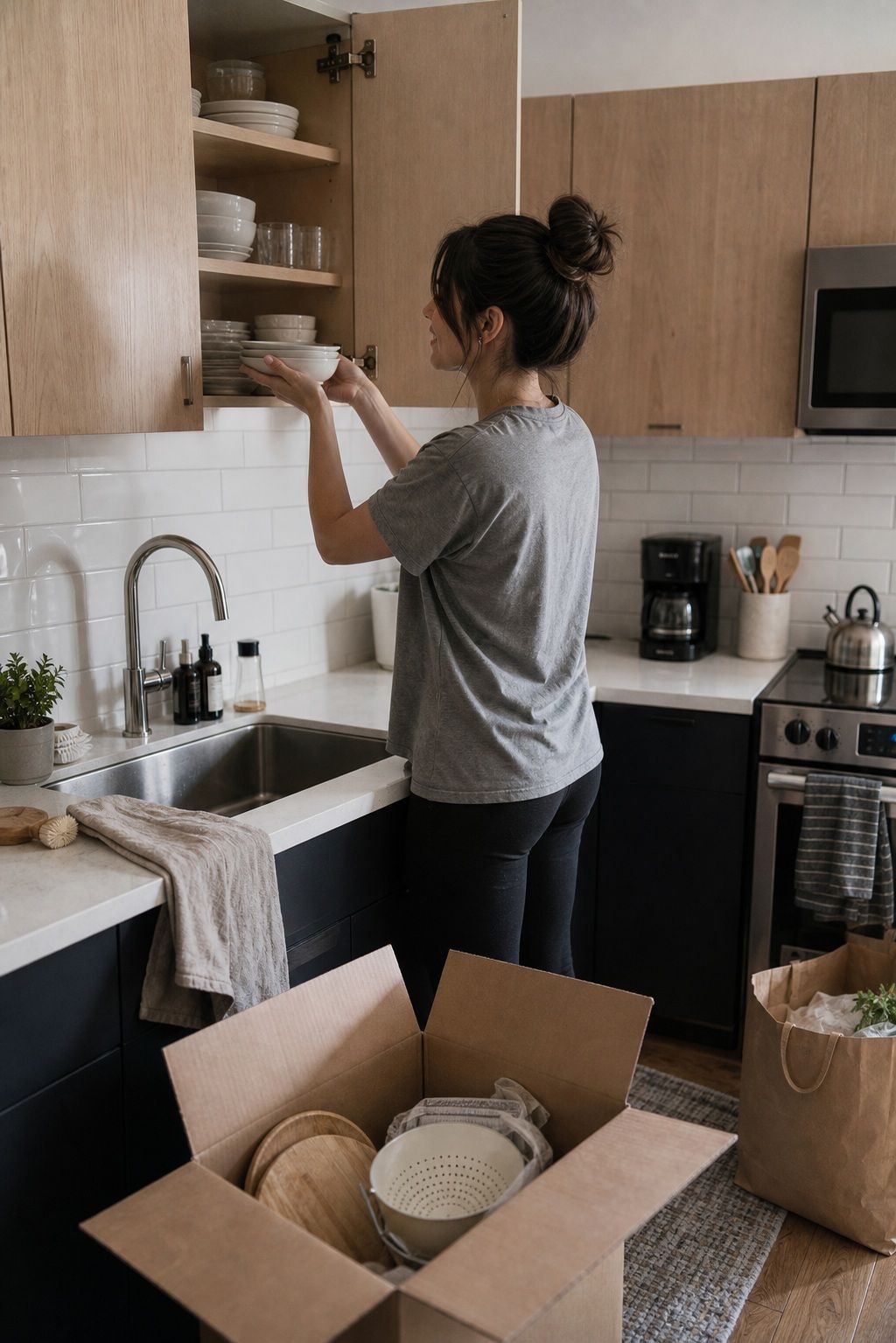


Day 2 is for the kitchen and the bathroom. Unpack the daily-use kit first, the dishes second, the pantry third. By the end of day 2, the home should feel functional.
Order delivery or pick up takeout on day 1 night. Do not try to cook a first meal in an unpacked kitchen.
Read more: Top 16 Best Living in a Small Apartment Tips
16. Walk the Neighborhood



Take a 30-minute walk around the new neighborhood on day 1 or 2. Find the nearest grocery store, coffee shop, restaurant, pharmacy, and laundromat. The neighborhood-orientation reduces the stranger-in-a-new-place feeling.
The walk also doubles as physical decompression after the move stress.
17. Find One Daily Ritual
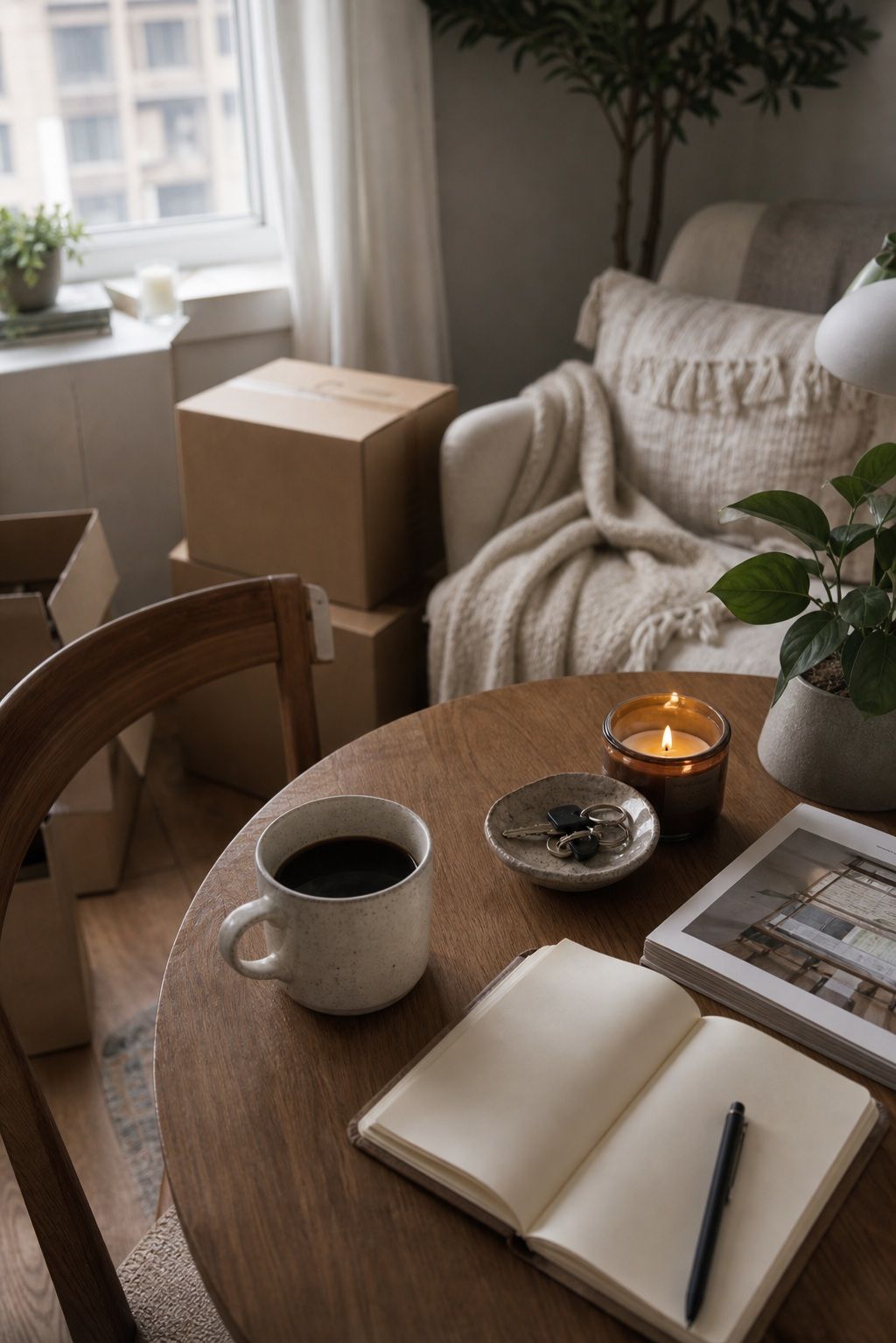


Identify one daily ritual in the new place within the first week. Morning coffee on the balcony. Evening walk around the block. A specific corner for reading. The ritual anchors the new place as home.
The ritual takes about 10 minutes a day and becomes the small consistency in the new routine.
Read more: Top 19 Christmas Decor Ideas for the Living Room to Try This Year
Want every life transition to feel as supported as the move could be?
The Ultimate Budget Planner has a moving category for the financial side. $4.99 now, soon $19.99.
Frequently Asked Questions
How do I make moving less stressful?
Four pillars, mental preparation (name the stress, expect setbacks, ask for help, set boundaries), physical self-care (sleep schedule, hydration, snacks, comfortable clothes, breaks), moving day itself (arrive early, communicate with movers, take photos, celebrate small wins), and settling in smart (unpack bedroom first, kitchen day 2, walk the neighborhood, find one daily ritual).
Why is moving so stressful?
Moving is one of the top three most-stressful life events because it disrupts your routines, relationships, and sense of familiarity all at once. The physical labor, the financial cost, the time pressure, and the emotional adjustment all compound. Acknowledging that moving is hard reduces the self-blame for feeling overwhelmed.
How do I take care of myself on moving day?
Sleep 8+ hours the night before, eat a real breakfast, hydrate constantly (80-100 oz of water through the day), eat protein-rich snacks every 2-3 hours, wear comfortable clothes and supportive shoes, take 10-minute breaks every 90 minutes, and accept that you will be exhausted by the end.
What should I unpack first in a new home?
The bedroom first (bed, closet, basic linens), the bathroom second (toiletries, towels, basic supplies), the kitchen third (daily-use kit, dishes, pantry). Day 1 is for the bedroom and a real shower. Day 2 is for the kitchen and bathroom. Day 3+ is for the living room, decor, and final touches.
How do I settle into a new place quickly?
Set up the bedroom first for a real place to sleep. Walk the neighborhood within the first two days to find essential stores and identify your new routes. Establish one daily ritual (morning coffee in a specific spot, evening walk around the block) within the first week. The ritual anchors the new place as home.
How long does it take to feel at home after moving?
About 4-8 weeks for most people. The first week is logistics-heavy and exhausting. The second week is unpacking and settling. Weeks 3-4 are establishing routines. By week 6-8, the new place starts to feel like home. Be patient with yourself through the adjustment.
Key Takeaways
- Four pillars, mental prep, physical self-care, moving day itself, settling in smart.
- Name the stress, expect setbacks, ask for help, set boundaries.
- Sleep, hydrate, snack, take breaks on moving day.
- Unpack the bedroom first, kitchen day 2, walk the neighborhood within 48 hours.
- Find one daily ritual within the first week.
- Feeling at home takes 4-8 weeks, be patient with the adjustment.
Final Thoughts
Stress-free moving comes down to managing yourself as much as the boxes. Mental preparation, physical self-care, day-of communication, and settling-in habits. Name the stress, sleep well, hydrate, communicate clearly, and find one daily ritual at the new place. The boxes will be fine. You will be too.
Last update on 2026-09-17 / Affiliate links / Images from Amazon Product Advertising API
