
Quick Answer: The packing and moving hacks that actually cut the stress are the ones organized by moving phase, before you pack, packing day, load and transport, and unpacking, so nothing gets lost in a generic tip dump. The biggest time-savers: a color-coded labeling system, a phone inventory, and budget supply swaps like vacuum bags, towels as padding, and laundry baskets as boxes. A labeled open-me-first box and packing room by room are what make a move, especially a small apartment move, genuinely manageable.
Moving is rarely hard because the tasks are complicated. It is hard because there are a hundred small ones, they all seem to happen at once, and the standard advice is a giant undifferentiated list of tips that does not tell you what to do first. The chaos is a sequencing problem.
So these hacks are sorted the way a move actually happens, by phase. The smart prep hacks for before you pack a single box. The box-and-wrap tricks for packing day itself. The budget supply swaps that save real money, the TikTok-famous Dollar Tree moves, towels as padding, vacuum bags. And the load, transport, and unpack hacks for the other end. The 2026 standard runs through all of it, a color-coded room labeling system, a room-by-room phone inventory, and budget supply swaps as a real strategy, not an afterthought.
This is the clever-shortcuts version of a move, the genius tricks and time-savers, not the full step-by-step process and timeline, that complete walkthrough is its own guide. The 18 hacks ahead are built especially for a small apartment move, the no-elevator, narrow-stairs, tight-timeline reality, and they pair naturally with smart small apartment storage hacks for setting up the new place, so the whole move feels manageable instead of like a wall of chaos.
Worried about what a move is actually going to cost you?
The Ultimate Financial Planner gives you a clear system for budgeting the move, the deposit, the supplies, the truck, the surprises, so the money side stops being the scary part. It is currently just $4.99 before the price goes up to $19.99.
Recommended Packing and Moving Products


Recommended blogs to read:
- Moving out for the first time
- Apartment move-in checklist
- Apartment moving-out checklist
- The ultimate first apartment checklist
- First apartment checklist on a budget
Before You Pack: Smart Prep Hacks
1. Declutter Hard Before You Pack Anything
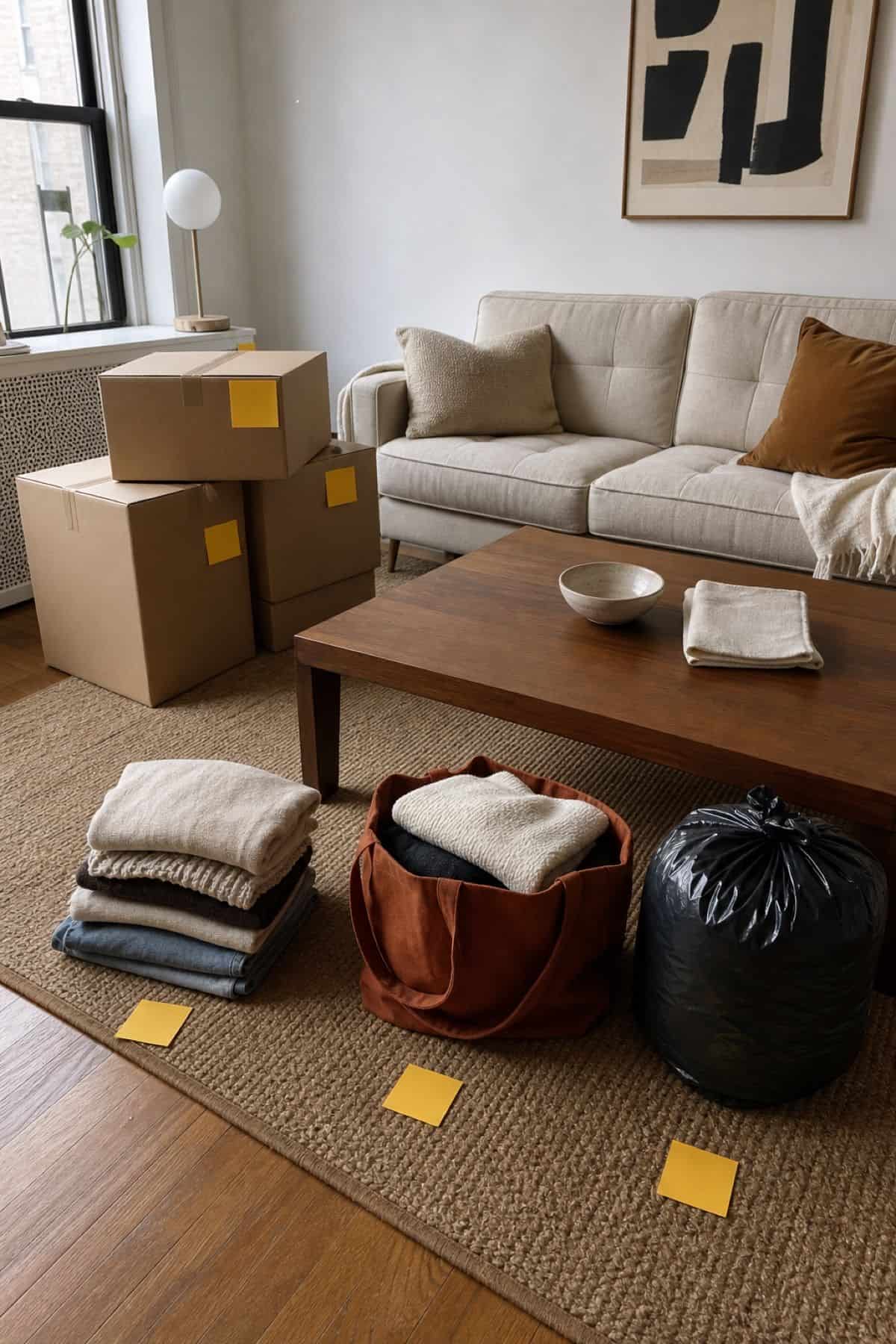


The single best packing hack is to pack less. Before a single box gets taped, go through everything and be honest, keep, donate, sell, trash, because every item you cut now is one you do not have to wrap, carry, transport, unpack, and find space for in a new place.
A move is the rare moment you handle every object you own, so it is the perfect forced edit. Be ruthless with the things you have not used in a year. Decluttering hard before packing makes the whole move lighter, cheaper, and faster on the other end, and it means you are setting up the new place with only what you actually want, which is the best possible start in a new home.
2. Set Up a Color-Coded Labeling System
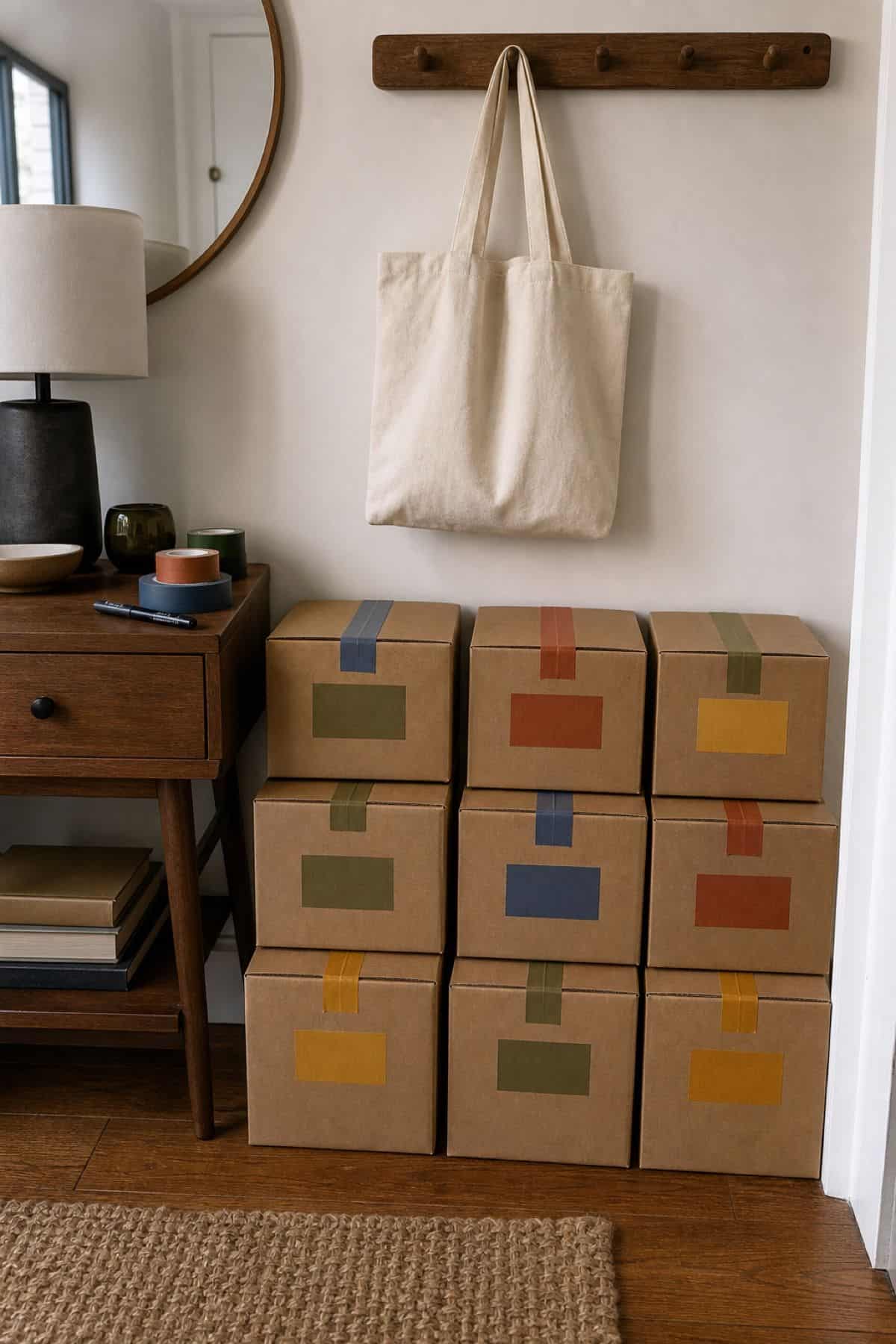


The 2026 standard for a smooth move is a color-coded labeling system, and it is the hack that pays off most at the other end. Assign each room a color, kitchen is red, bedroom is blue, and mark every box with that color, with colored tape, stickers, or markers.
Put a matching colored sign on each room’s door in the new place. Now movers or friends can put every box in the right room without asking you a single question, and unpacking becomes orderly instead of a scavenger hunt. Set the system up before you pack the first box so it is consistent. A color-coded labeling system is cheap, fast, and it is the single biggest stress-reducer of move-in day.
Read more: Top 17 Best Tips for Moving Out for a Stress-Free Transition
3. Make a Room-by-Room Phone Inventory
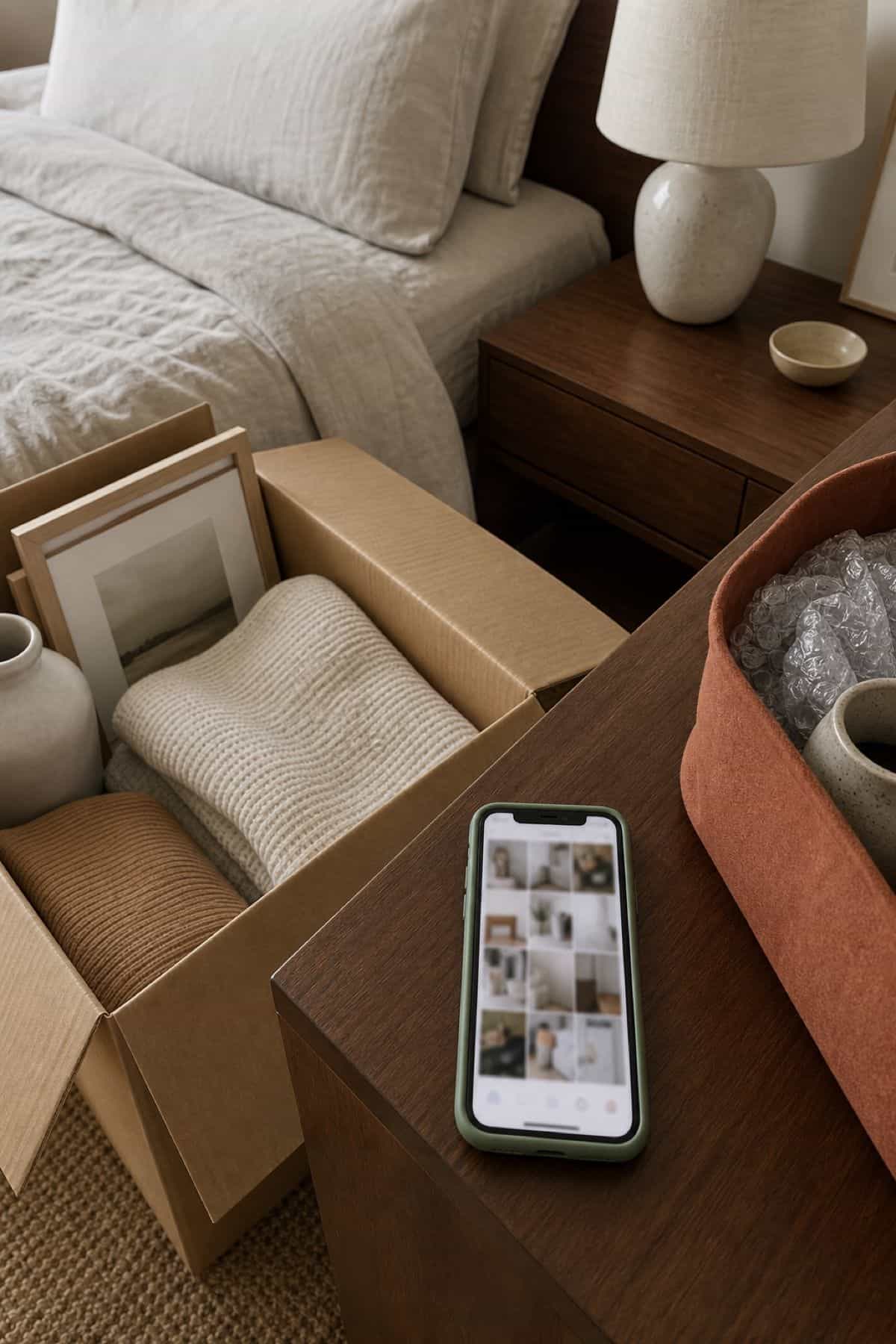


A quick phone inventory is the 2026 hack that protects you and speeds everything up. As you pack each box, take a photo of what is going in it, or a quick video of the room, before it is sealed.
Number the box and note the number with the photo. Now you have a searchable record of what is where, which matters if something goes missing, if you need one specific thing before you have unpacked, or if you are filing a claim with movers. It takes seconds per box. A phone inventory is the low-effort hack that turns a sealed wall of identical boxes into something you can actually search and keep track of, and it is free.
4. Pack a Labeled Open-Me-First Box
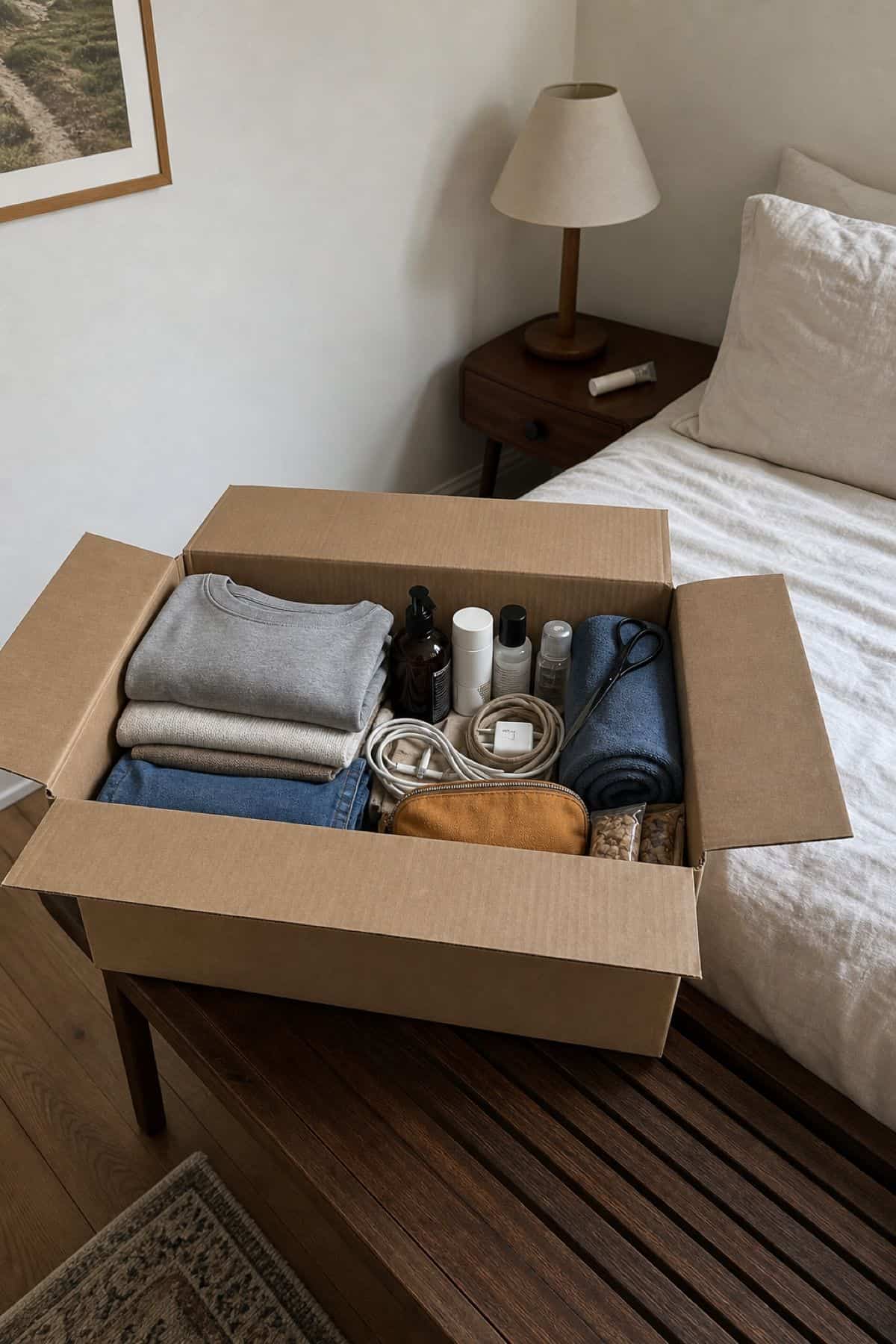


Pack one box, or a bag, separately and label it loudly, and do not let it get buried with everything else. This is your first day and night: chargers, basic toiletries, a change of clothes, medications, toilet paper, a towel, snacks, scissors to open everything else, phone chargers.
On move-in night, exhausted and surrounded by sealed boxes, you can find what you need to function without opening anything else. Keep this box with you, in your car, not the truck where it could end up at the bottom. The open-me-first box is the most-appreciated moving hack there is, and almost everyone learns it the hard way on their first move, so learn it the easy way instead.
Packing Day: Box and Wrap Tricks
5. Pack One Room Completely Before Starting the Next
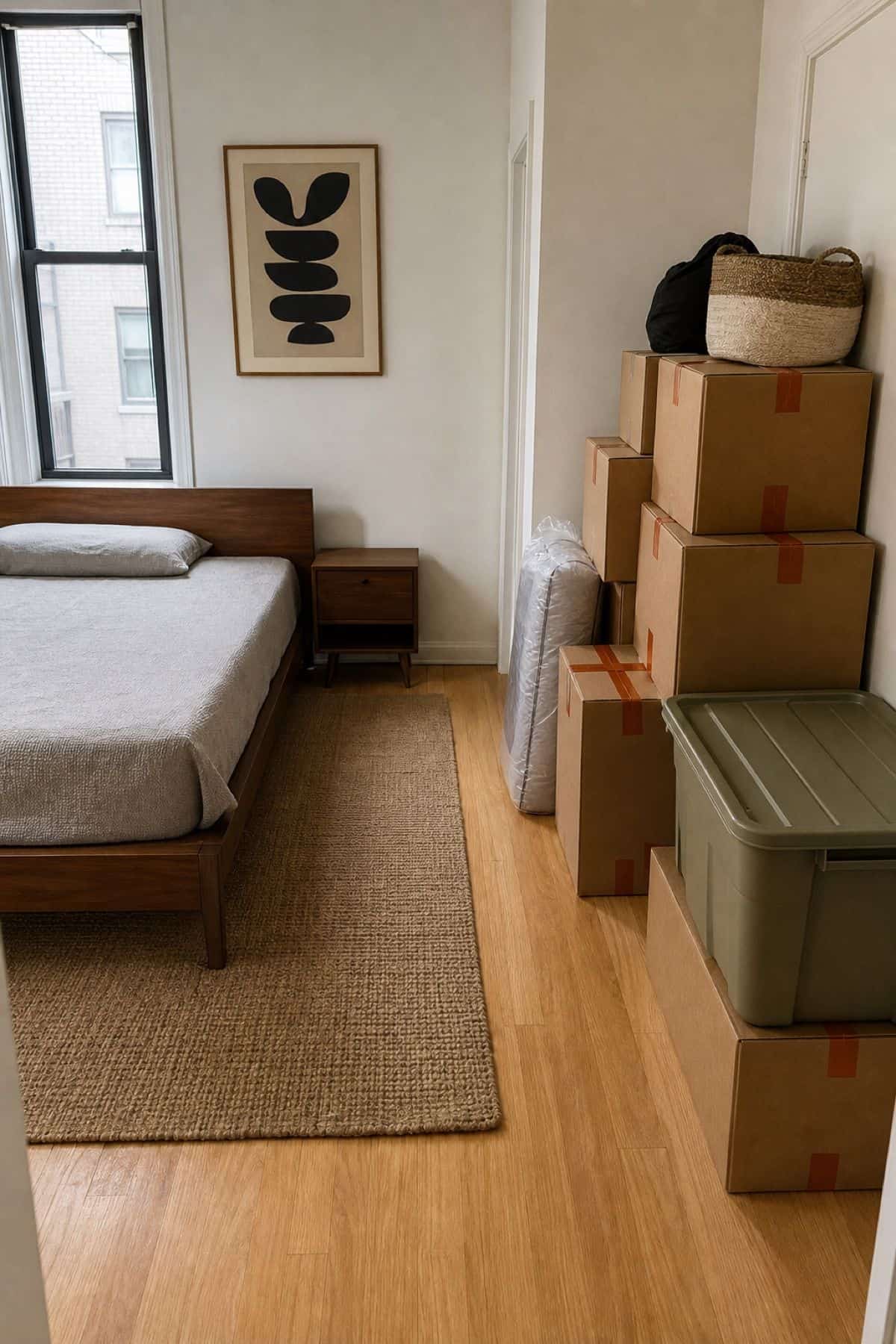


The packing-day hack that keeps you sane is to work room by room and finish one before touching the next. It feels slower but it is faster, because half-packed rooms everywhere is how a move spirals into chaos.
A finished room is a clear, measurable win, and it keeps the boxes for each room grouped, which makes the color-coded loading easier later. It also stops you from living in five-rooms-half-done limbo for a week. Start with the rooms you use least, the spare room, the storage closet, and end with the kitchen and the bedroom. Packing room by room is the structure that turns an overwhelming whole-apartment job into a series of finishable ones, the same logic as a good apartment organization hacks.
Read more: Your Week-by-Week Packing Timeline for a Calm Move
6. Use Heavy Items in Small Boxes, Light in Big
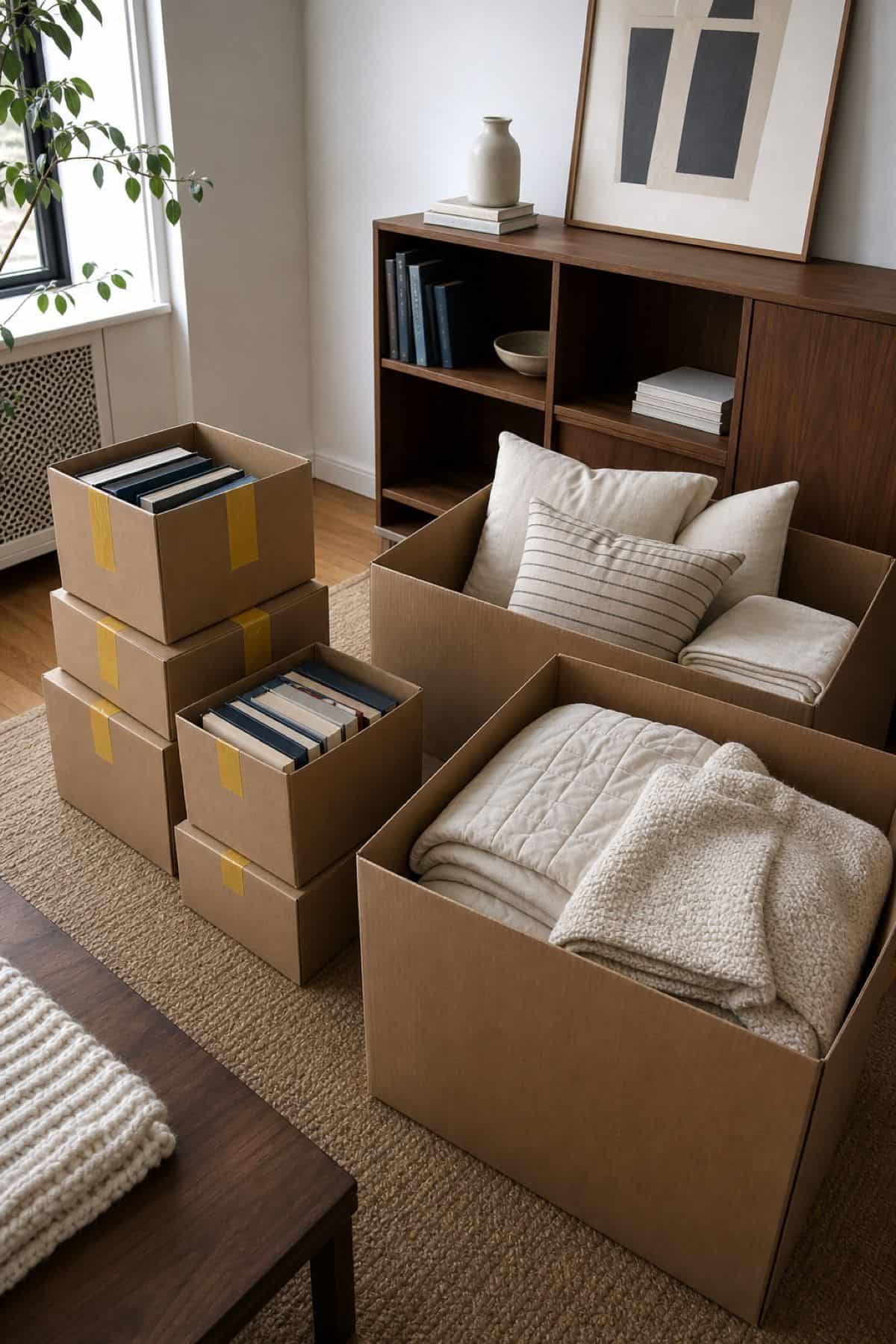


The most-broken packing rule, and one of the most important: heavy things go in small boxes, light things go in big ones. A big box of books is impossible to lift and likely to blow out the bottom, a big box of pillows is easy.
Books, dishes, anything dense goes in small or medium boxes you can actually carry. Bedding, pillows, lampshades, clothes fill the big boxes. This single rule saves your back, prevents the most common box failures, and makes the load-in genuinely faster because nothing is too heavy to move. It costs nothing but the discipline to match the box size to the weight, and it is the difference between a manageable load and a painful one.
7. Keep Drawers Packed and Wrap Them
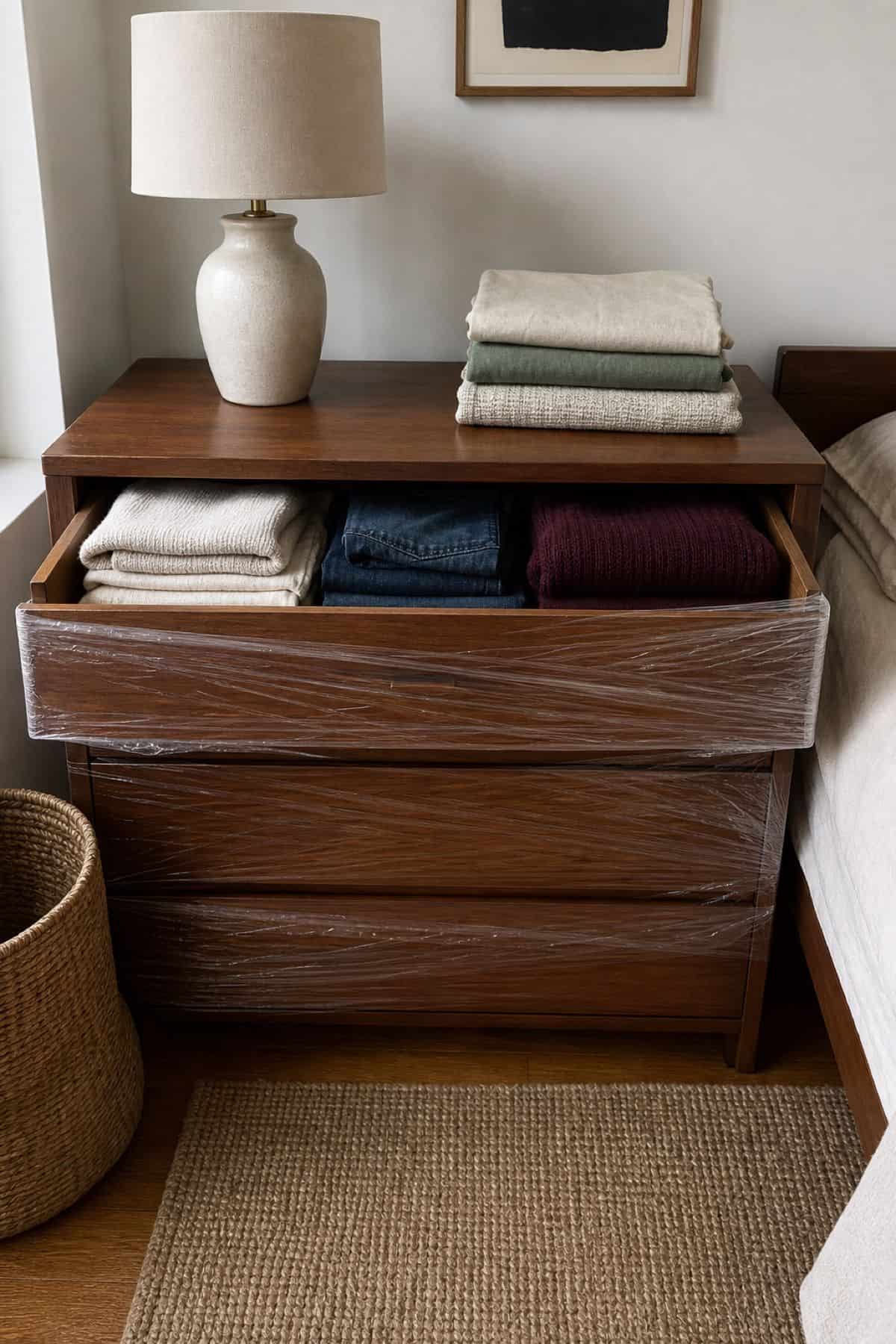


Emptying every drawer is wasted work. A genius hack: leave dressers and desks with their drawers full of soft, light things, clothes, linens, and just wrap the whole drawer or the whole piece in stretch wrap so nothing slides out.
The drawer becomes its own box, no packing and no unpacking, you slide it back in at the new place. This works for clothing and linen drawers, not heavy ones. It saves an enormous amount of packing time and a stack of boxes. Wrapping packed drawers is one of those moving hacks that feels almost like cheating, the furniture transports its own contents, and it is exactly the kind of shortcut that makes a move feel less endless.
8. Wrap Breakables in What You Already Own
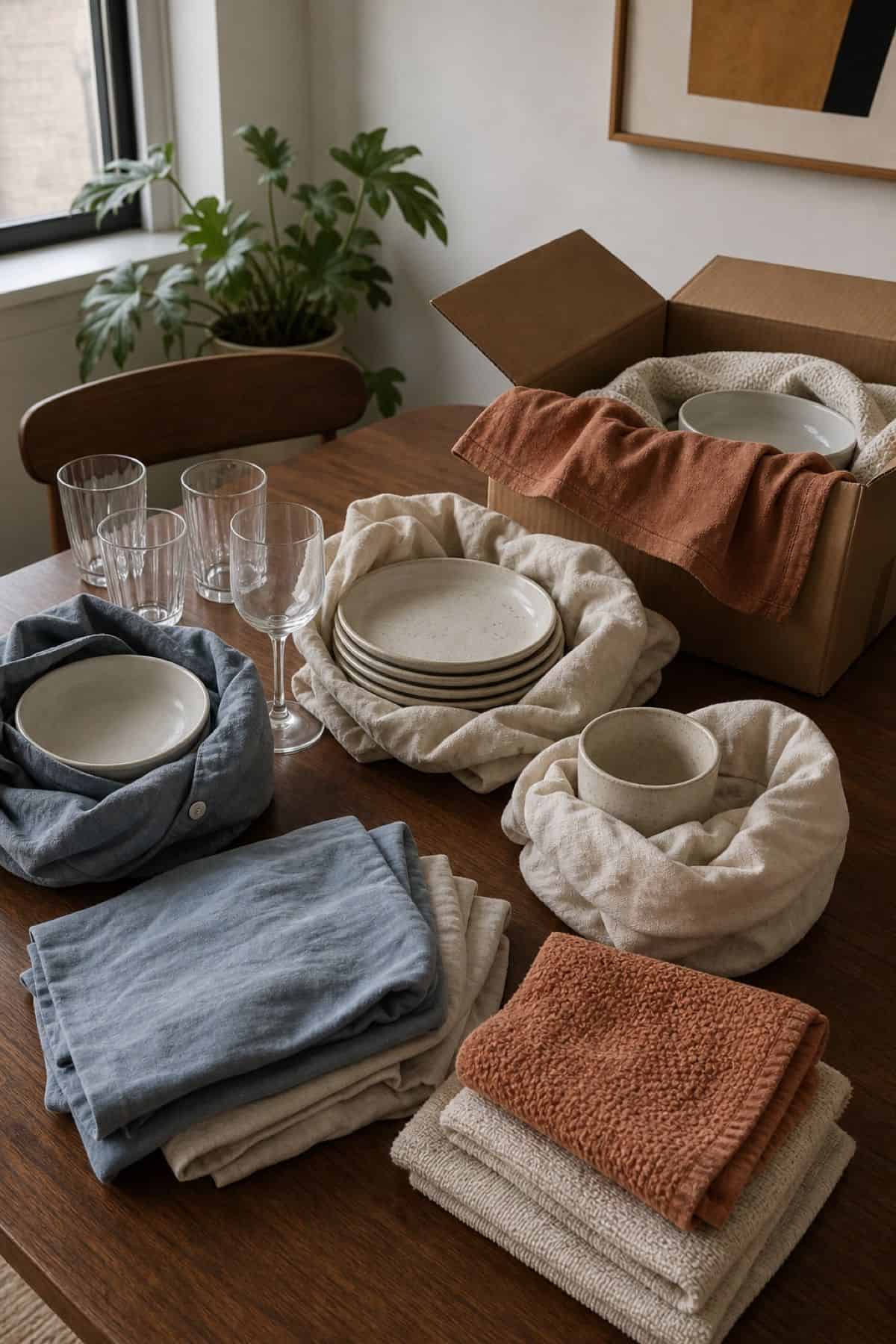


You do not need to buy bubble wrap for everything, you are already moving a houseful of padding. Wrap dishes, glasses, and breakables in towels, t-shirts, socks, and linens, the soft things you have to move anyway.
Socks slide over glasses, towels cushion plates, sweaters wrap picture frames. It saves money on packing supplies and it saves space, because the soft items get packed and used as padding at the same time, two jobs in one. This is the budget supply swap applied to fragiles, and it is one of the most effective, your breakables travel safe and your linens travel for free.
Read more: Your Complete Guide to Packing Up a House for Moving Room by Room
9. Use Vacuum Bags for Soft, Bulky Items
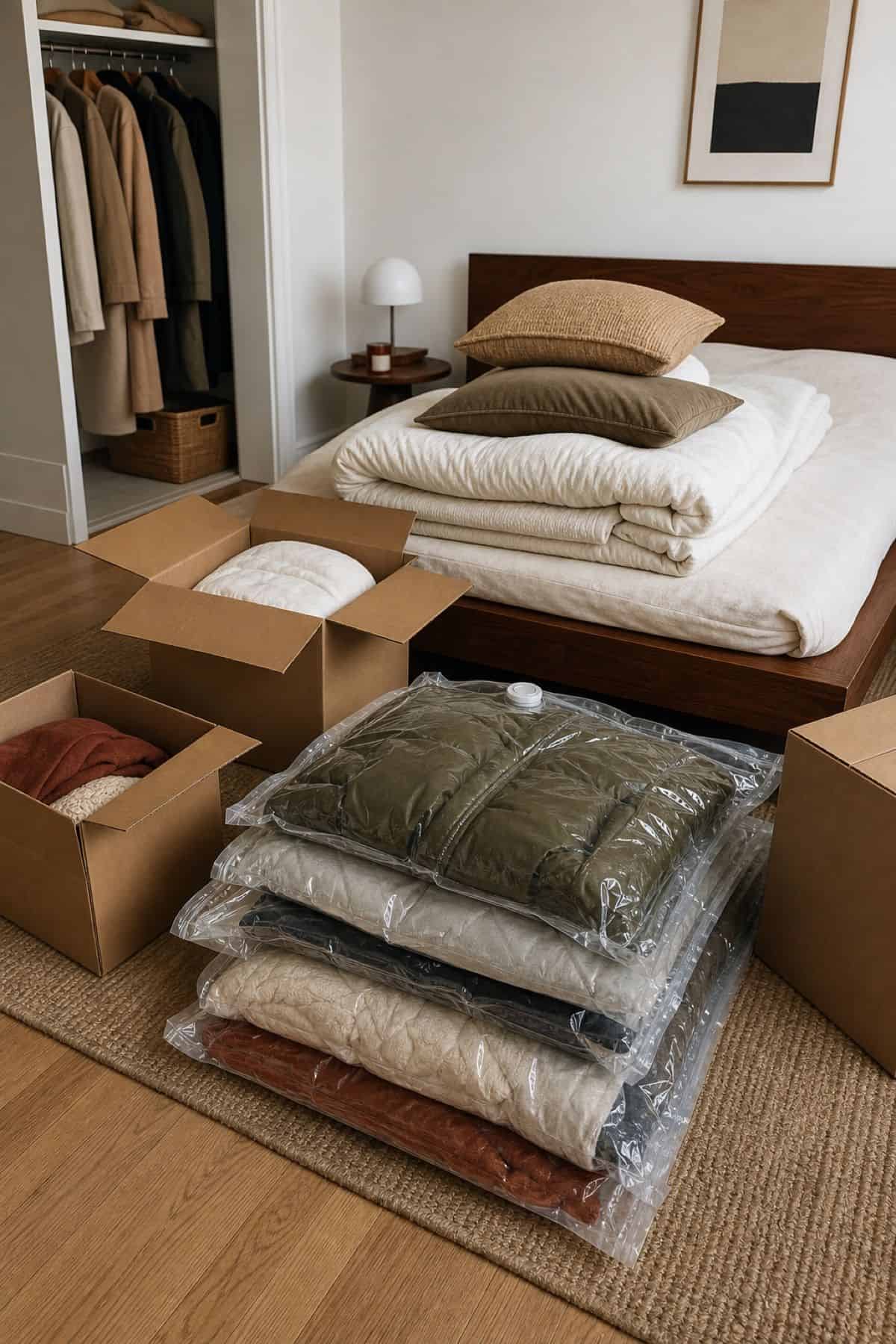


Soft, bulky things, comforters, winter coats, pillows, extra bedding, eat an enormous amount of box space for almost no weight. Vacuum storage bags solve this, compressing them down to a fraction of their size.
A whole comforter set shrinks to a flat slab that slides into a gap. It dramatically cuts the number of boxes the soft, bulky stuff needs, which means fewer boxes overall and a tighter, more efficient load. Vacuum bags are reusable, so they keep earning their cost after the move as off-season storage. For a small apartment move especially, where every box and every trip counts, vacuum bags are one of the highest-value supply hacks there is.
10. Photograph Electronics Setups Before Unplugging
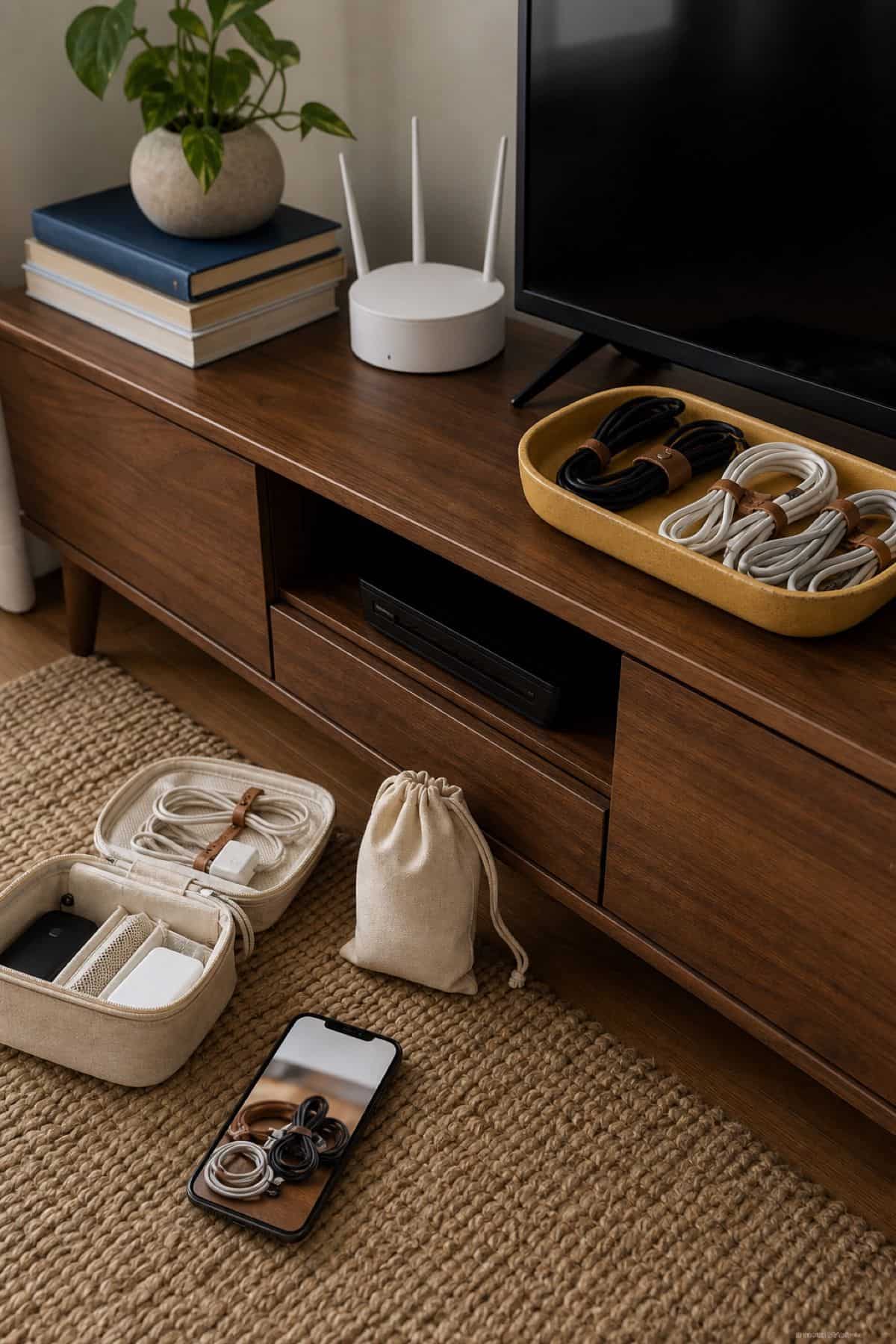


Before you unplug the TV, the desk setup, the router, anything with a tangle of cords, take a photo of the back of it. It takes five seconds and it saves a frustrating puzzle on the other end.
At the new place, the photo tells you exactly which cord went where, no guessing, no manuals, no leaving the TV unplugged for a week because the setup looks intimidating. Bag and label the cords for each device as you go. This little hack removes one of the most annoying small frictions of settling in, and it is part of the same phone-inventory habit that makes the whole move more navigable, document before you disassemble.
Budget Supply Swaps That Work
11. Pack With Laundry Baskets, Bins, and Suitcases
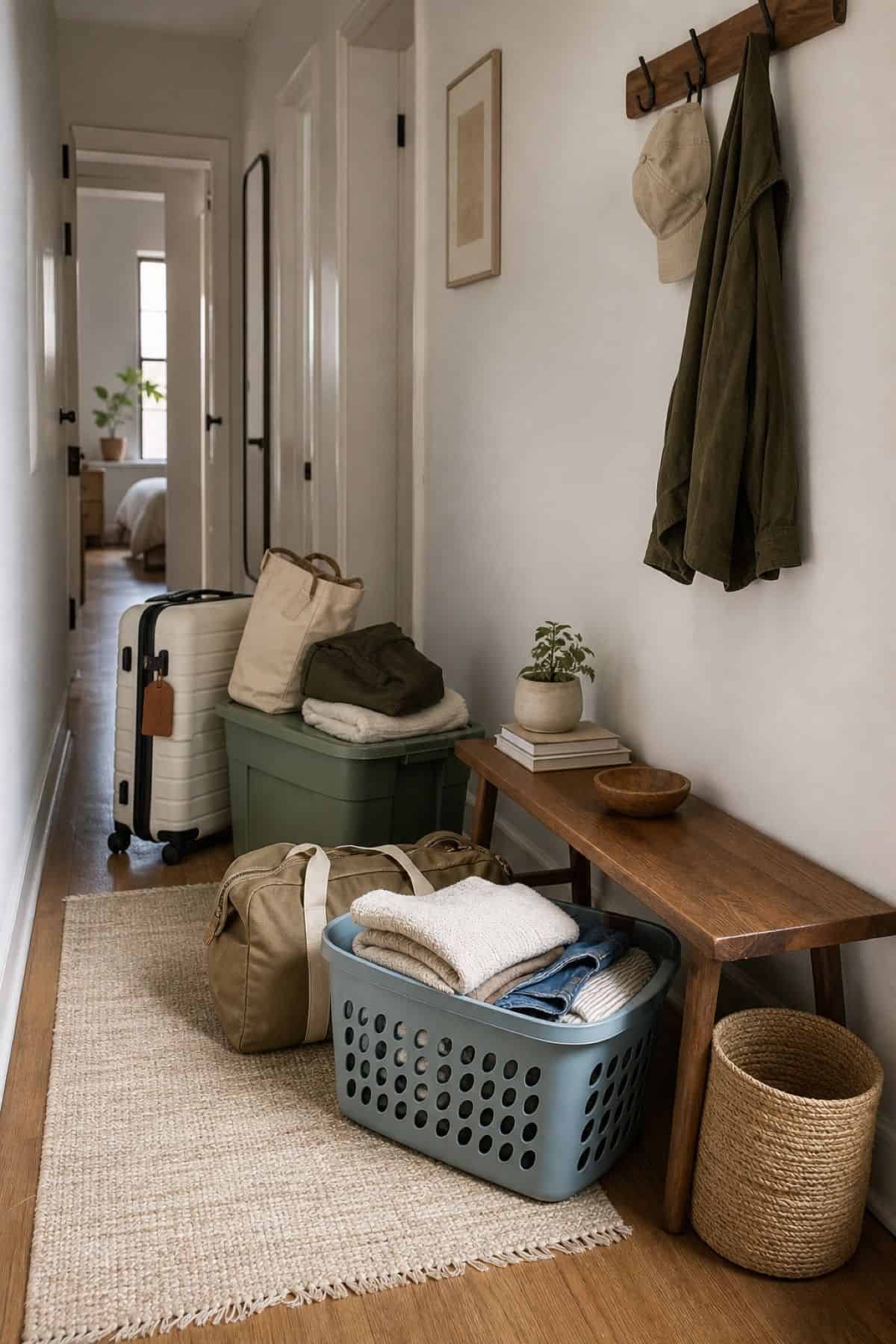


You already own a lot of moving containers, they just are not labeled boxes. Laundry baskets, storage bins, hampers, suitcases, duffel bags, all hold and transport your things and have to make the trip anyway.
Suitcases are ideal for heavy things since they have wheels. Laundry baskets are perfect for the last-minute odds and ends. Using what you own means buying fewer boxes and packing fewer empty containers. It is the simplest budget supply swap there is, and it directly cuts the cash you spend on the move. Every basket, bin, and bag you pack is a box you did not have to buy, and they are often easier to carry too.
Read more: Top 18 Moving Tips That Make the Whole Process Almost Easy
12. Raid Free Box Sources Before Buying
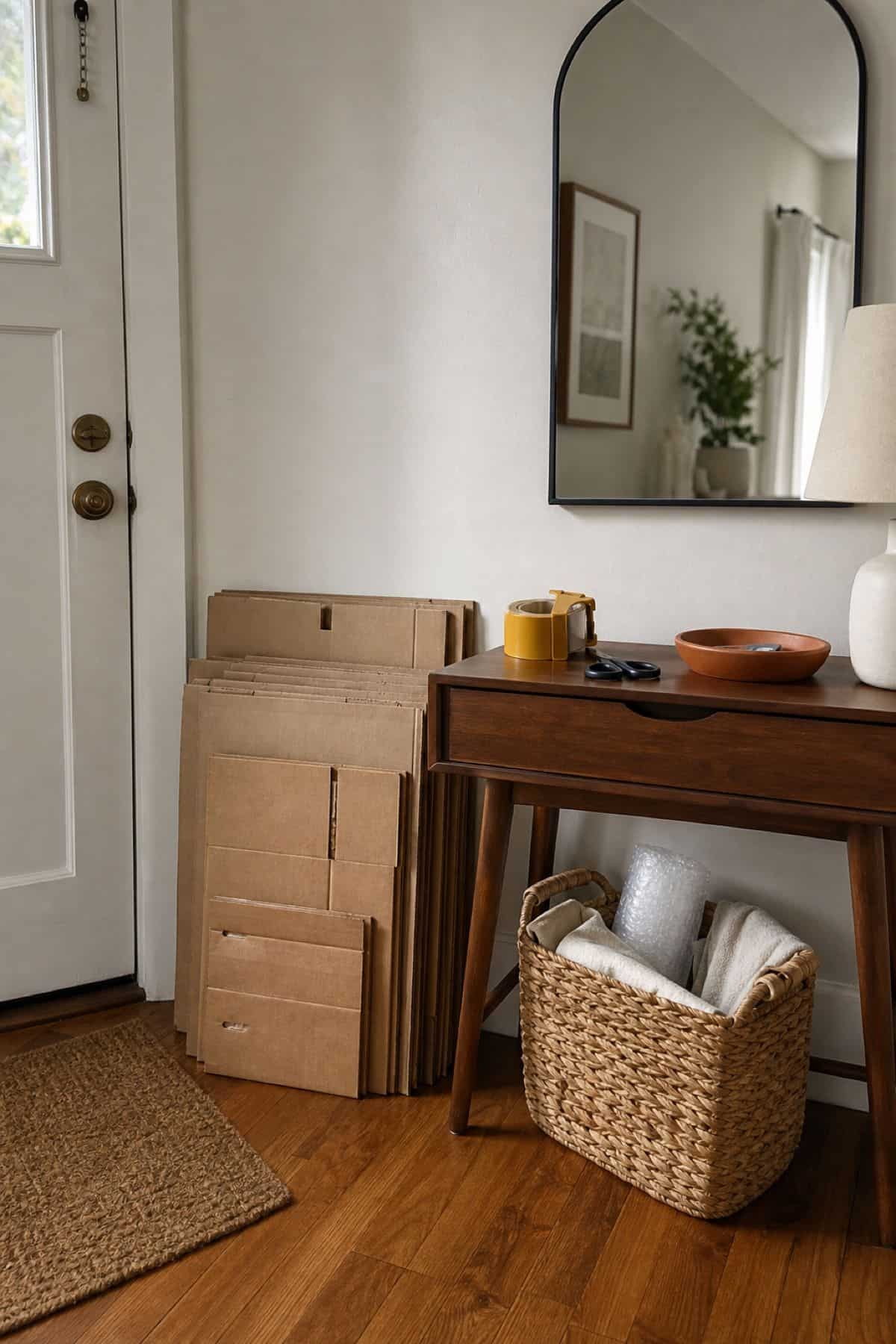


Boxes are a real moving cost, and they are also genuinely easy to get for free if you start early. Liquor stores have sturdy, compartmented boxes. Grocery and retail stores break down boxes daily. Buy-nothing groups and marketplace listings are full of people giving away their post-move boxes.
Start collecting two or three weeks out so you are not scrambling. Free boxes plus the containers you already own can cover most of a small apartment move, leaving you to buy only a few specialty boxes if needed. With packing supplies running about ten percent cheaper than last year and free sources everywhere, there is little reason to buy a full box kit at retail price.
13. Use Dollar Store Supplies for the Rest
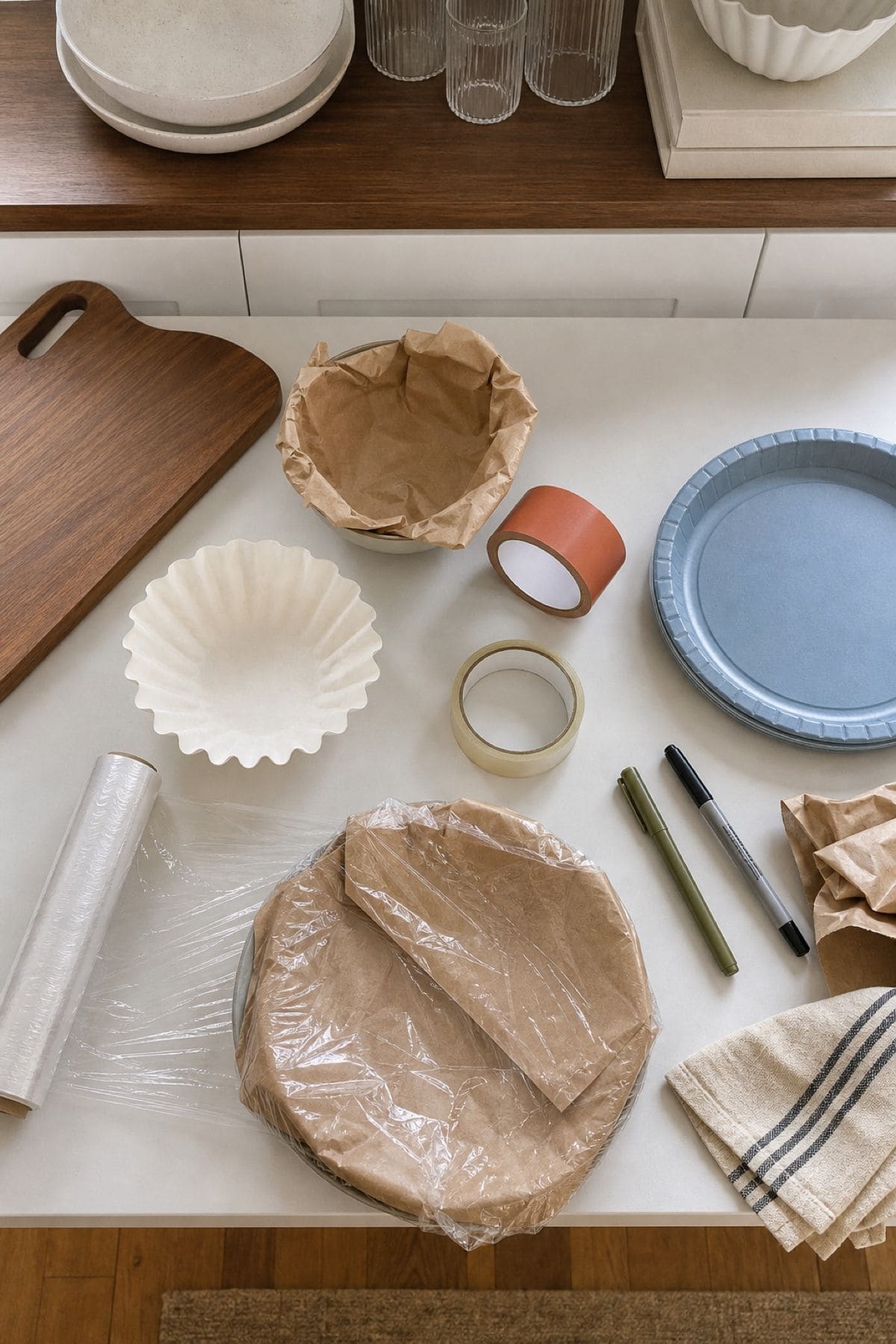


For the supplies you do need to buy, the dollar store is the move, and the TikTok-famous hacks are popular because they work. Colored tape for the labeling system, paper plates slipped between real plates as cushioning, coffee filters between bowls and glasses, cling wrap, trash bags for clothes.
These cost a fraction of dedicated moving supplies and do the same job. A few dollars of colored tape runs the whole color-coded system. Paper plates and coffee filters protect dishes for pennies. The budget supply swap is not about cutting corners, it is about spending on the move where it matters and refusing to overpay for the rest, which leaves more of the budget for the things that actually need it.
14. Repurpose Bags, Wrap, and Containers Creatively
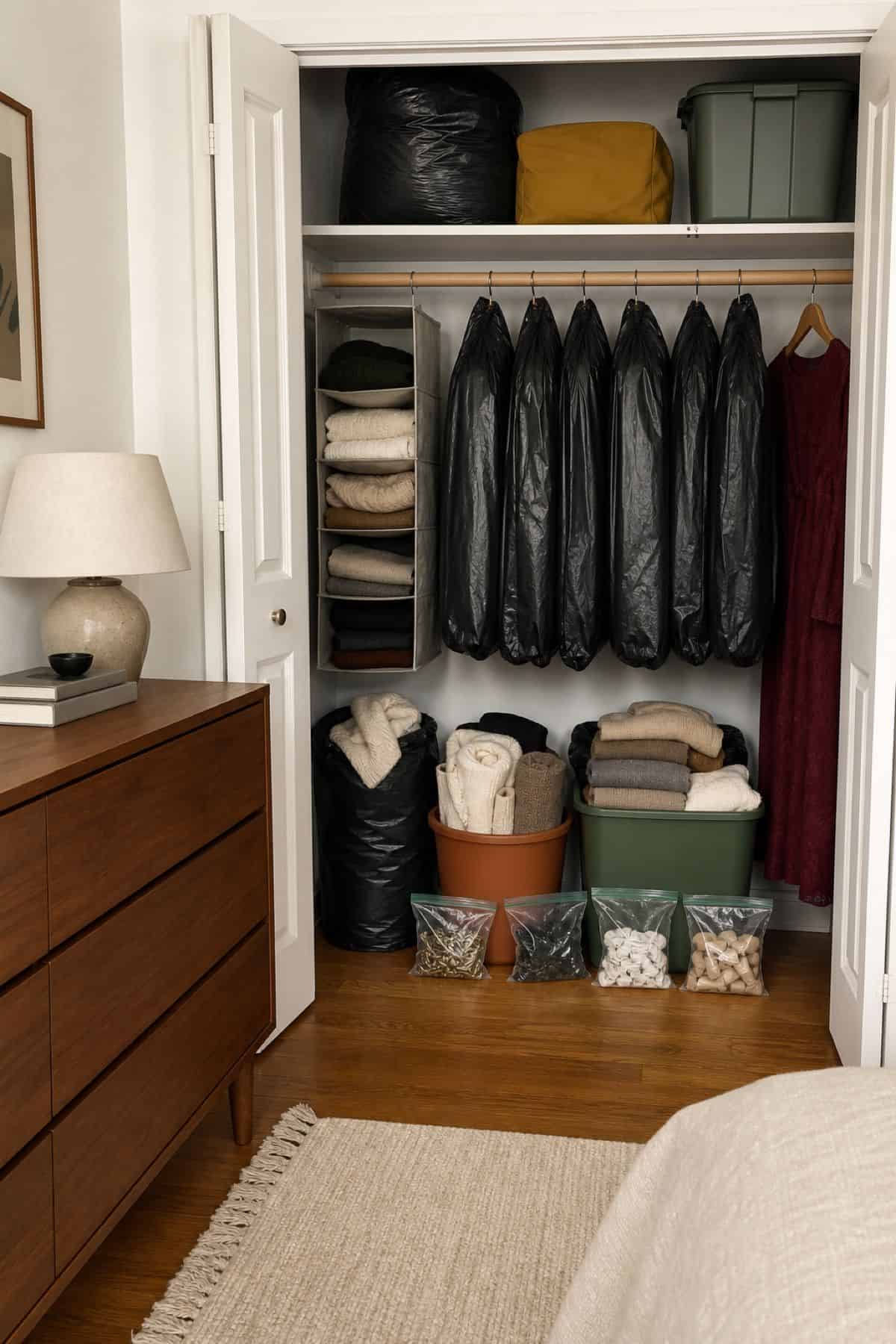


Beyond the obvious swaps, a creative eye finds packing material everywhere. Trash bags become garment bags, slide them up over hanging clothes still on the hangers. Egg cartons protect small fragile items. Sandwich bags hold the screws and hardware from disassembled furniture, taped to the piece they belong to.
Pots and bins get packed full rather than empty. The mindset is that almost nothing in your home is single-purpose during a move, the containers and soft goods you own can all do double duty. This creative repurposing is the budget supply swap taken all the way, and it is the same resourceful, small-space thinking that makes a small apartment closet organization tips work, use what you have, fully.
Read more: Top 17 Moving Out Essentials You Need to Keep Close on Day One
Load, Transport, and Unpack Hacks
15. Load the Truck Heaviest and Largest First
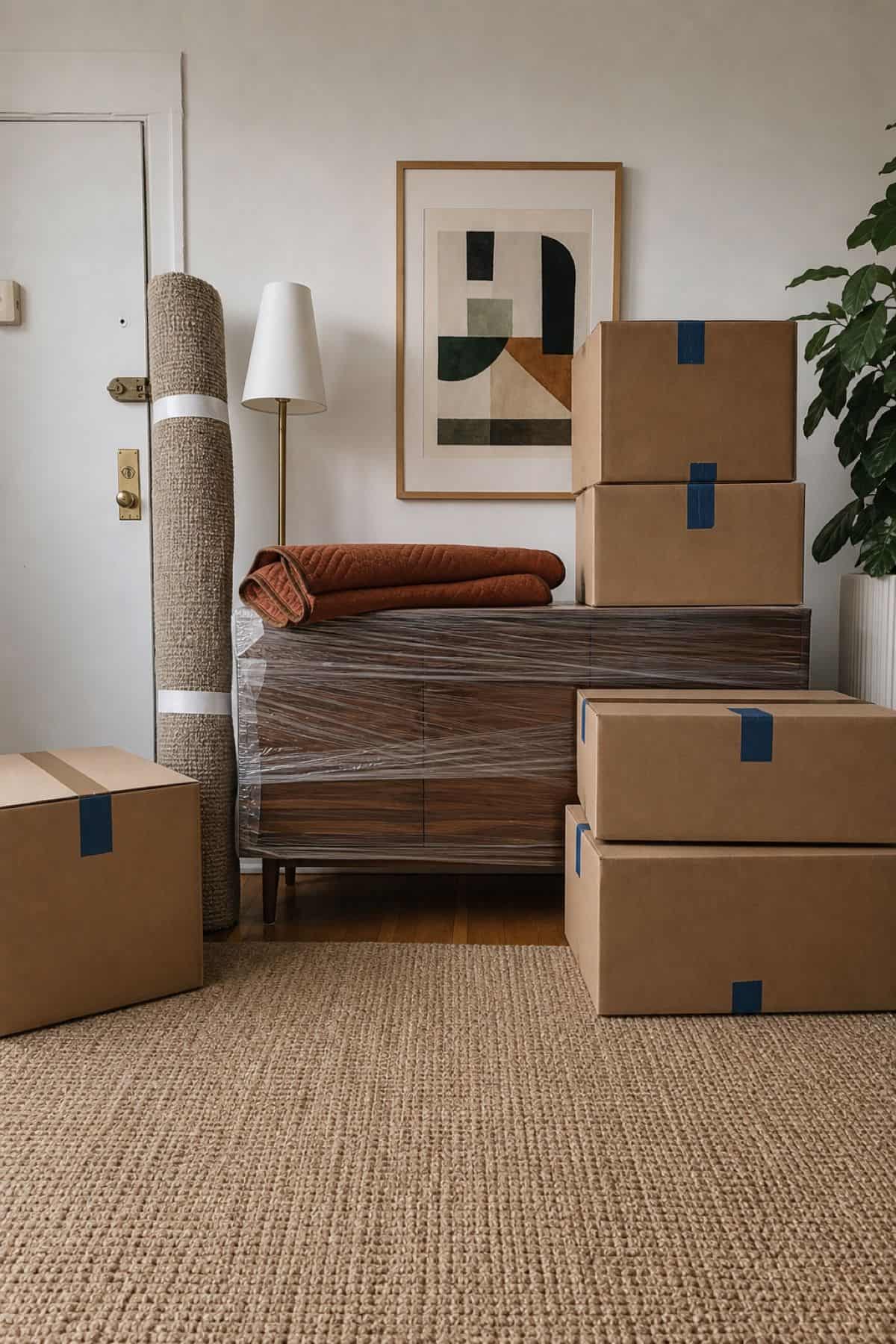


The load-in has an order, and getting it right prevents damage and wasted trips. The heaviest and largest items, furniture, appliances, the big boxes, go in first and against the walls, creating a stable base.
Boxes go on top and in the gaps, heaviest boxes low, lightest and most fragile on top. Fill every gap so nothing shifts in transit. Load by room if you can, so unloading flows. For a small apartment move with no elevator or narrow stairs, also stage everything near the door first so the actual carrying is one efficient push. A well-loaded truck is safer, fits more, and unloads faster, the planning pays off at both ends.
16. Keep an Essentials and Tools Bag With You
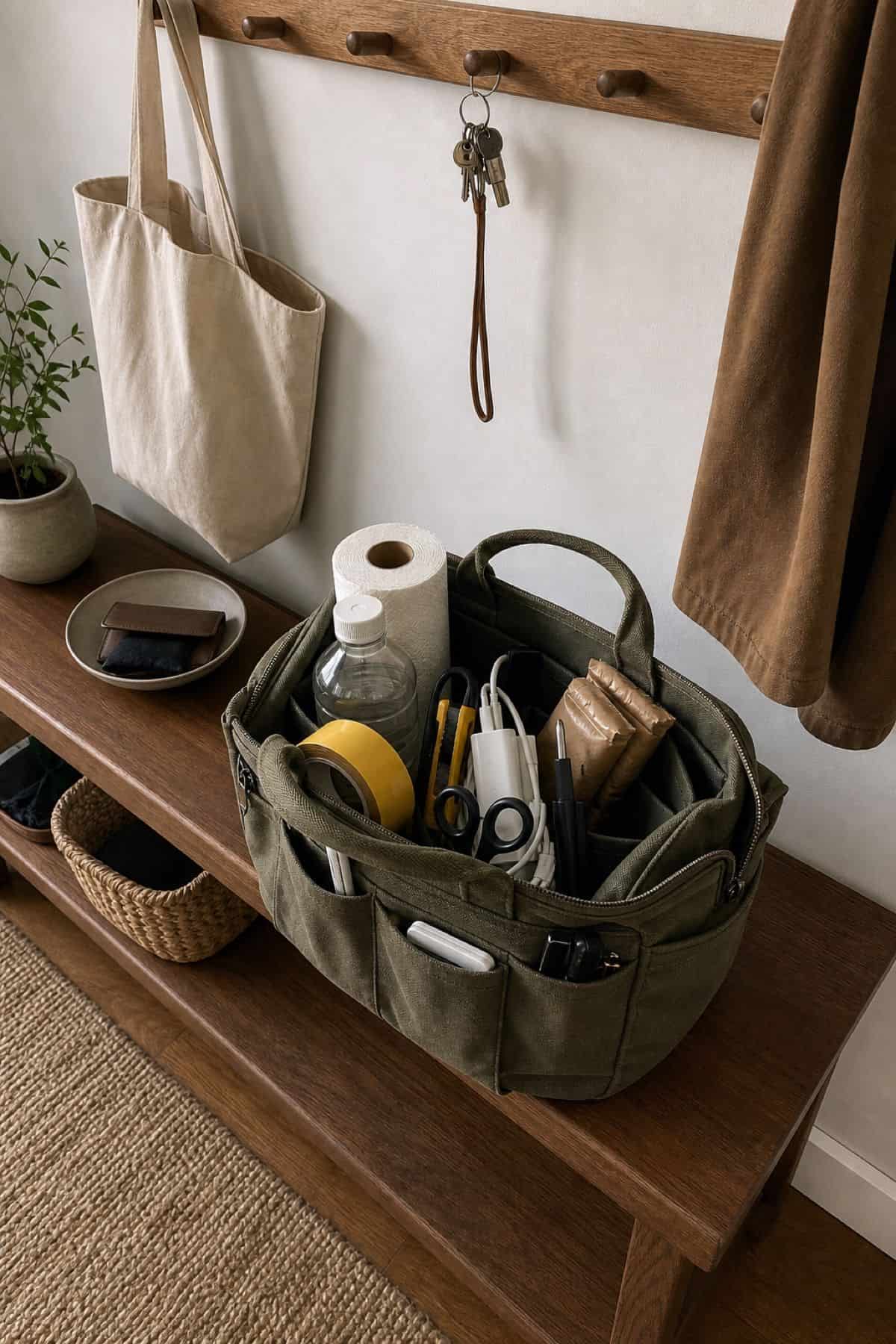

Beyond the open-me-first box, keep a small bag of move-day tools and essentials physically on you or in your car. A box cutter, a basic screwdriver, scissors, tape, a marker, phone chargers, water, snacks, paper towels.
These are the things you need during the move and the moment you arrive, and digging for them in a sealed box defeats the purpose. A box cutter alone is the difference between opening boxes and clawing at them. Keep this bag separate from everything that goes on the truck. It is a tiny hack, but on a long move day the small frictions are what wear you down, and a tools bag removes a whole stack of them.
17. Set Up One Functional Room First



Do not try to unpack the whole place on day one, you will burn out and end up sleeping in chaos. The unpacking hack is to fully set up one room first, usually the bedroom, so you have a calm, functional space to retreat to.
Make the bed, set up the basics, and that one finished room becomes the anchor while the rest happens at a sane pace over the following days. Then the bathroom essentials, then the kitchen enough to make coffee and a meal. One functional room is enough for the first night. This staged approach keeps move-in from being a marathon, and it is the same one-zone-at-a-time logic that makes setting up a small apartment ideas feel manageable rather than impossible.
Read more: 100 Essential College Dorm Packing List Items You Will Actually Use
18. Unpack by Priority, Not by Proximity
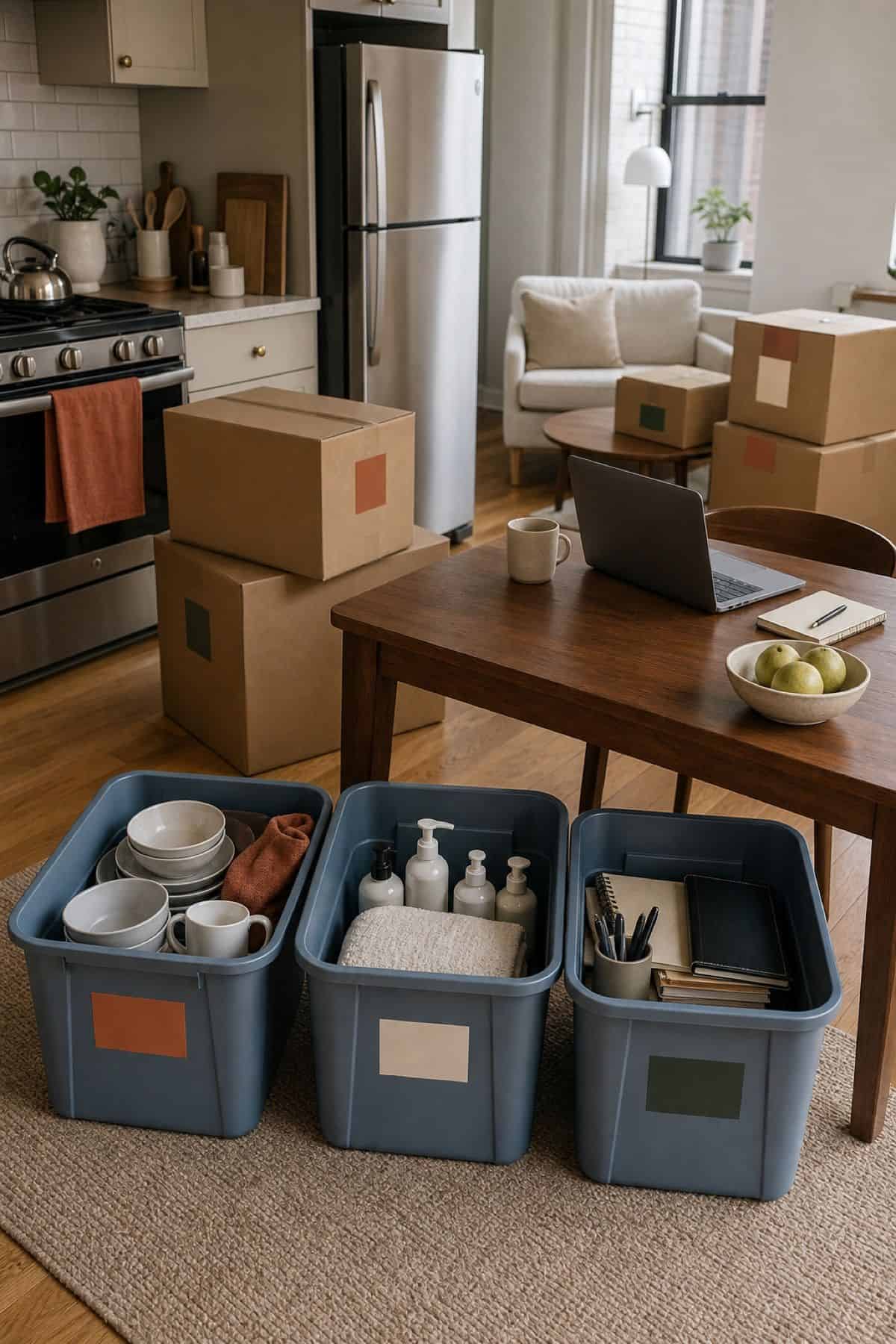


The final hack is about the order of unpacking. The instinct is to open whatever box is closest, but the smart move is to unpack by priority, the things you need to live, first, and the things you can live without, last, or never.
Kitchen basics, bathroom essentials, work setup, before the decorative objects and the books. And here is the quiet bonus, any box you have not needed to open after a few weeks is telling you something about what you actually use, a second round of decluttering, free. Unpacking by priority gets you living normally fastest, and it turns the move into a natural edit of your own belongings, the same essentials-first thinking behind a smart small apartment essentials.
Want the months after the move to feel as planned as the move itself?
The Ultimate Financial Planner gives you a simple system for budgeting your new place, rent, utilities, the setup costs, so settling in stays calm and on track. It is currently just $4.99 before the price goes up to $19.99.
Frequently Asked Questions
What is the fastest way to pack for a move?
The fastest way to pack is to declutter hard first so there is less to pack, then work one room completely before starting the next. Leave soft-filled drawers packed and wrap them, use what you own as padding and containers, and use vacuum bags for bulky soft items. A color-coded labeling system makes the unpacking fast too.
What should you pack first when moving?
Pack the rooms and items you use least first, the spare room, storage closet, off-season clothes, decorative objects, and save the kitchen and bedroom for last since you need them until moving day. Always pack a separate, clearly labeled open-me-first box of first-day-and-night essentials that stays with you, not on the truck.
How do you pack a small apartment quickly?
Pack a small apartment quickly by decluttering first, working room by room, and leaning on supply swaps, laundry baskets and suitcases as containers, towels and linens as padding, vacuum bags for bulky items, wrapped packed drawers. Stage everything near the door before move day so the carrying, especially with no elevator, is one efficient push.
What household items make good free packing material?
Towels, t-shirts, socks, and linens make excellent free padding for dishes and breakables, they have to be moved anyway. Trash bags become garment bags over hanging clothes, paper plates and coffee filters cushion dishes for pennies, and laundry baskets, bins, and suitcases work as containers so you buy fewer boxes.
How do you make moving less stressful?
Make moving less stressful by treating it as phases rather than one giant list: smart prep before you pack, organized box-and-wrap tricks on packing day, a planned load and transport, and priority-order unpacking. A color-coded labeling system, a phone inventory, and an open-me-first box remove the biggest sources of move-day chaos.
Key Takeaways
- Sort the hacks by moving phase, before you pack, packing day, load and transport, unpacking, so nothing gets lost in a generic tip dump.
- Set up a color-coded labeling system and a quick phone inventory, the two 2026 standards that pay off most at the other end.
- Lean on budget supply swaps: laundry baskets and suitcases as containers, towels and linens as padding, vacuum bags for bulky items, free and dollar-store supplies.
- Pack a labeled open-me-first box and keep a tools-and-essentials bag with you, not on the truck.
- Unpack by priority, not proximity, set up one functional room first, and let the boxes you never open become a free second declutter.
Final Thoughts
Moving is not hard because the tasks are complicated, it is hard because there are so many of them at once. These hacks fix that by sorting the chaos into phases, prep, packing, transport, unpacking, and giving each one a few genius shortcuts. Declutter hard, set up the color-coded system, swap in the budget supplies, pack the open-me-first box, and unpack by priority, and the move stops being a wall of stress. For the full step-by-step process and timeline, the moving-out guide has the complete walkthrough. Start with the declutter and the labeling system, the two hacks everything else builds on.
Last update on 2026-09-18 / Affiliate links / Images from Amazon Product Advertising API
